


Introduction to Bakery Equipment
Bakery equipment serves as the cornerstone of the baking industry, encompassing a wide array of tools and machines that streamline the baking process. From small-scale operations to large industrial bakeries, the right equipment not only enhances productivity but also ensures the consistent quality of baked goods. This equipment ranges from basic hand tools to advanced machinery, including ovens, mixers, proofers, and refrigeration units.
The significance of bakery equipment cannot be understated. It plays a pivotal role in shaping the efficiency of operations, impacting both the speed of production and the quality of the final products. Employing modern equipment allows bakers to implement precise measurements and controlled processes, which are crucial for achieving the desired texture and flavor in baked goods. For instance, high-quality mixers can uniformly blend ingredients to create a consistent dough, while an automated oven ensures even baking, minimizing the risk of undercooked or overcooked items.
Moreover, investing in quality bakery equipment can lead to significant cost savings in the long run. While the initial expenditure may be substantial, modern equipment is designed to operate more efficiently, consuming less energy and reducing waste during production. Additionally, durable machines tend to require fewer repairs, resulting in further cost efficiency.
In summary, the role of bakery equipment in the baking industry extends beyond mere functionality; it is integral to enhancing productivity, ensuring product quality, and fostering sustainable practices. Understanding the various types of equipment and their respective functions is essential for anyone involved in the baking profession, whether they are seasoned bakers or newcomers to the field.
Types of Bakery Equipment
In the thriving bakery industry of South Africa, a variety of equipment plays a crucial role in ensuring efficiency, quality, and consistency in the production of baked goods. Understanding the different types of bakery equipment available and their applications is essential for any bakery operation.
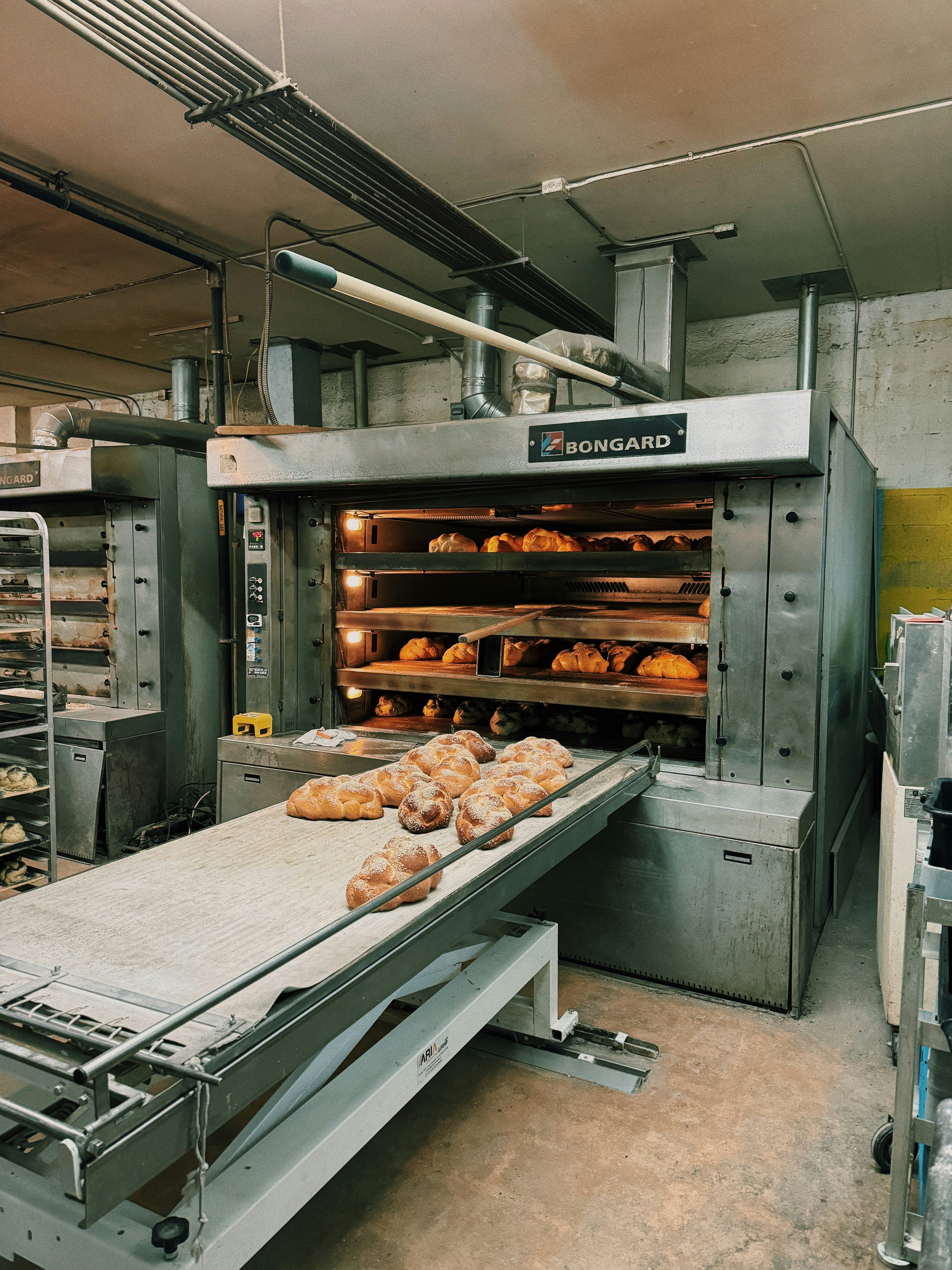
Initially, ovens are perhaps the most critical piece of equipment in any bakery. There are various types of ovens utilized in South African bakeries, including convection ovens, deck ovens, and rotary ovens. Each type has unique features that cater to specific baking needs, from artisanal bread to pastries. Convection ovens use fans to circulate hot air, promoting even baking, while deck ovens provide a consistent baking environment ideal for bread.
Another vital piece of equipment is the mixer. Commercial mixers vary in size and capability, ranging from small countertop models to large, industrial-grade machines. They are designed to handle various dough types and mixtures, ensuring that ingredients are combined effectively and efficiently.
Proofers are also essential in the baking process. These temperature-controlled environments allow dough to rise at optimal conditions. Bakers often use proofers to maintain the ideal humidity and temperature, which is essential for yeast activation and overall dough development.
Refrigeration equipment is crucial for preserving perishable ingredients and finished products. Refrigerators and freezers are utilized to store items such as cream, butter, and dough, which require specific temperature management to maintain freshness and quality.
Finally, display cases serve both functional and aesthetic purposes in a bakery. These cases not only preserve the quality of baked goods but also provide an appealing visual presentation to entice customers. From glass display cabinets to refrigerated options, they play an integral role in the retail aspect of bakeries.
Choosing the Appropriate Bakery Equipment
When establishing a bakery, selecting the right equipment is crucial to the success of the business. A well-thought-out selection process tailored to specific business needs encompasses several key considerations, including production volume, available space, and budget constraints. Each of these factors plays a significant role in determining what type of equipment will not only fit the current operations but also facilitate growth in the future.
First and foremost, consider the production volume. Understanding the scale of your bakery operations is essential. For example, a small artisan bakery may require only a few essential tools such as a mixer, oven, and a proofing cabinet, while a larger commercial bakery serving a high volume of customers may need multiple mixers, specialized ovens, and automated equipment. Calculating expected output can guide investments in equipment that will meet your production demands without expending unnecessary resources.
Equally important is the aspect of space constraints. The layout of the bakery should allow for efficient workflow while providing adequate room for equipment. This includes strategically placing ovens, workstations, and refrigeration units in a way that minimizes movement and maximizes productivity. Analyzing your available space beforehand ensures you choose equipment that fits comfortably within your premises, preventing inconveniences that could disrupt operations.
Lastly, budget considerations are imperative in the selection process. Bakery equipment can range from affordable to premium pricing, and it is essential to strike a balance between quality and cost. Investing in reliable, energy-efficient equipment may incur higher upfront costs but can lead to savings in long-term operational expenses. Additionally, consider financing solutions offered by suppliers or leasing options that could make acquiring advanced equipment feasible.
In conclusion, a thoughtful approach to selecting bakery equipment based on production needs, spatial considerations, and budget availability lays the foundation for a successful baking operation. Prioritizing these factors increases the likelihood of creating a well-functioning bakery that can adapt to future demands.
Popular Bakery Equipment Brands in South Africa
In South Africa, the bakery equipment market features several notable brands and manufacturers, recognized for their quality, innovation, and customer satisfaction. These brands not only provide a wide range of products but also cater to diverse baking needs, from artisanal bread-making to pastry production.
One prominent brand in the South African bakery equipment sector is Bakery Equipment Supplies. Known for their extensive catalog, they offer everything from mixers and ovens to refrigeration solutions. Their products are designed with the latest technology, ensuring consistent results and efficiency, essential for any professional bakery.
Alfa Bakery Equipment is another leading name, appreciated for their durable and reliable machinery. They specialize in providing tailored solutions for both small and large-scale operations. Alfa’s equipment is designed for high performance, which helps bakers streamline their processes and achieve high output without compromising on quality.
Additionally, G Chamberlain & Co has established a strong reputation in the market. Their product range includes various baking ovens, dough sheeters, and proofers. G Chamberlain & Co is noted for its commitment to innovation, producing equipment that is not only functional but also energy-efficient, helping bakeries to reduce operational costs while maintaining high-quality production standards.
Furthermore, there are several emerging brands, such as Bakery Machinery, which focus on catering to niche markets. They provide specialized equipment that addresses unique baking requirements, demonstrating the diversity in the South African bakery equipment landscape.
Ultimately, the competitive nature of the bakery equipment brands in South Africa encourages continuous development and improvement in product offerings. Bakers can choose from a multitude of options, ensuring they find equipment that best meets their specific needs and enhances their baking operations.
Cost Considerations for Bakery Equipment
When establishing a bakery, understanding the costs associated with bakery equipment is essential for effective budgeting and financial planning. The initial investment in bakery equipment can vary significantly depending on the type of equipment required, its capacity, and the vendor selected. High-quality commercial-grade equipment, such as ovens and mixers, can have substantial upfront costs. However, it is crucial to consider that investing in reliable and durable equipment may lead to long-term savings due to reduced maintenance and operational issues.
In addition to the purchase price, bakery owners should also evaluate the ongoing costs associated with maintaining their equipment. Regular maintenance and servicing of bakery machinery are vital to ensure optimal performance and longevity. This can include routine inspections, replacement of worn parts, and ensuring compliance with safety regulations. Maintenance contracts offered by suppliers can provide a structured approach to managing these ongoing costs.
Warranties are another important factor to consider when acquiring bakery equipment. Most manufacturers offer warranties that can cover repairs and replacements for a specified period. Understanding the warranty terms and the duration can influence the total cost of ownership of the equipment, providing peace of mind against unexpected repairs.
Furthermore, financing options should be explored, particularly for start-ups and small businesses that may not have sufficient capital upfront. Leasing equipment can be a viable option to mitigate initial costs and can offer flexibility in upgrading to new technology as the business grows. Various banks and financing institutions provide loans specifically tailored for purchasing bakery equipment, which can facilitate smoother cash flow management.
Maintenance and Care for Bakery Equipment
Ensuring the longevity and optimal performance of bakery equipment in South Africa requires diligent maintenance and care. Proper upkeep not only enhances the efficiency of the equipment but also plays a significant role in the quality of baked goods produced. Here are some best practices for maintaining your bakery equipment.
Regular cleaning is paramount. Employing the right cleaning agents for different types of bakery equipment will help prevent the build-up of residues that could affect performance. For example, ovens should be cleaned weekly, while mixers and dough sheeters may need to be cleaned daily. It’s essential to refer to the manufacturer’s instructions on cleaning products to avoid using harsh chemicals that could damage surfaces.
Routine checks are another integral aspect of maintenance. Establishing a schedule for inspecting equipment helps identify any wear and tear before they escalate into costly repairs. This includes checking belts, bearings, and electrical connections monthly. By engaging in these preventative measures, bakeries can anticipate potential issues and address them proactively, thus prolonging the lifecycle of their machines.
Calibration and adjustments should also not be overlooked. Equipment such as ovens and proofers require regular temperature calibration to ensure consistent baking results. Miscalibrated equipment can lead to variations in product quality. Additionally, conducting timely adjustments based on operational fatigue will ensure that the machines function optimally throughout their usage.
Lastly, proper storage of bakery equipment when not in use is crucial. Equipment should be stored in a clean, dry environment away from contaminants. This will not only safeguard against deterioration but also provide a hygienic condition for future operations. Following these maintenance and care guidelines will ensure your equipment remains a reliable asset to your bakery operations.
Innovations in bakery equipment are revolutionizing the way bakers operate, leading to enhanced efficiency, consistency, and quality in baked goods. Automation has emerged as a key player in this transformation, allowing bakeries to streamline their processes from mixing to baking. Automated mixers, for example, ensure consistent dough quality by adhering to precise mixing times and speeds, reducing the chances of human error. Additionally, advanced proofing cabinets equipped with humidity and temperature controls create optimal conditions for dough rise, resulting in perfect loaves every time.
Smart technology is another significant innovation making waves in the baking industry. Connected appliances enable bakers to monitor and control their equipment remotely through smartphone applications or web-based platforms. This level of connectivity offers real-time data on baking conditions and product lines, facilitating better decision-making and reducing the risk of product spoilage. Furthermore, some ovens now feature predictive algorithms that adjust baking times and temperatures based on the specific type of dough or batter, ensuring consistent results regardless of variability in the ingredients.
Energy efficiency is also a crucial focus of modern bakery equipment innovations. Newer ovens and refrigerators are designed to consume significantly less energy compared to their older counterparts, reducing utility costs for bakery owners. These appliances often come equipped with features such as programmable settings and insulation technologies, which not only improve energy efficiency but also enhance the overall baking process by providing better heat retention and distribution.
As the baking industry continues to evolve, embracing these innovations in bakery equipment will be essential for staying competitive. Utilizing automation, smart technologies, and energy-efficient appliances can lead to improved baking operations, ultimately enhancing product quality and customer satisfaction.
Sourcing Bakery Equipment in South Africa
When it comes to acquiring bakery equipment in South Africa, entrepreneurs and established bakers have a wealth of options available. Both physical stores and online suppliers provide various forms of bakery machinery, tools, and accessories essential for any bakery’s operational needs. In this section, we will explore effective methods for sourcing bakery equipment and what considerations to keep in mind during the purchasing process.
Physical stores specializing in baking supplies can be found in major cities and towns across South Africa. These stores not only offer a broad range of products, including ovens, mixers, and baking pans, but also provide potential buyers the opportunity to see and assess the equipment firsthand. Engaging directly with sales representatives can help address any specific questions about the machinery, ensuring that bakers select equipment best suited to their production requirements.
In addition to brick-and-mortar establishments, the rise of e-commerce has facilitated a thriving online market for bakery equipment. Websites such as Takealot, Bidorbuy, and specialist bakery supply stores offer extensive inventories that can be conveniently browsed from the comfort of one’s home or office. Online platforms often feature user reviews and ratings, which can serve as valuable insights into the quality and performance of different products.
When sourcing bakery equipment, it is crucial to consider factors such as durability, energy efficiency, and warranty options. Doing thorough research, comparing products, and checking for certifications can ensure that the purchased equipment meets industry standards. Additionally, understanding the after-sales support offered by suppliers can provide peace of mind regarding repairs and maintenance.
In conclusion, whether opting for local suppliers or exploring online options, it is imperative that bakers conduct comprehensive research to source reliable bakery equipment that enhances their production capabilities. This diligent approach ultimately contributes to the success and efficiency of any bakery operation in South Africa.
Conclusion and Future Trends in Bakery Equipment
As we reflect on the essential bakery equipment necessary for successful operations in South Africa, it becomes evident that the equipment plays a crucial role in achieving consistent quality and efficiency. From ovens and mixers to proofers and display cases, having the right tools not only enhances the productivity of bakers but also contributes to the overall customer satisfaction. The integration of technology and modern equipment has substantially transformed traditional baking methods, leading to innovations that meet contemporary market demands.
Looking ahead, the future of bakery equipment seems promising, shaped by evolving consumer preferences and advancements in technology. The growing trend towards artisanal and health-focused baked goods is prompting bakers to seek equipment that allows for greater customization and creativity in their offerings. Similarly, the increasing prevalence of automation in bakeries signifies a shift towards machinery that can enhance output while maintaining product integrity.
The rise of eco-conscious consumer habits is also influencing bakery equipment choices. Sustainable practices are driving bakers to invest in energy-efficient appliances and equipment made from environmentally friendly materials. This not only reduces operational costs but also reflects the bakery’s commitment to sustainability, appealing to a growing segment of eco-aware customers.
In summary, understanding the essential bakery equipment in South Africa provides a foundation for both existing and aspiring bakers. Keeping abreast of future trends will empower professionals in the bakery industry to adapt, innovate, and thrive in a competitive market. As technology continues to advance, those who embrace new tools and methods will likely lead the way in crafting delightful baked goods that meet the demands of a diverse clientele.