


In the meat processing industry, the significance of proper butchery equipment cannot be overstated. Quality meat production relies heavily on various tools and equipment, each serving a unique role in the butchering process. From knives to saws, grinders to scales, every piece of equipment must meet specific standards to ensure that the resulting meat products are safe, high quality, and processed efficiently.
The butchery equipment used in South Africa plays a vital role in both small-scale operations and larger meat processing facilities. In a country where meat consumption is prevalent, having the right tools can greatly influence the quality of the final product and the safety of the consumer. Equipment such as meat thermometers ensures proper cooking temperatures are reached, while meat grinders facilitate the production of ground meats that meet industry standards.
Effective butchery requires not only technically proficient tools but also an understanding of how to utilize them properly. This knowledge contributes to the overall productivity and workflow of a butchery. Efficient equipment usage can minimize waste, enhance meat yield, and ultimately lead to a more profitable enterprise. By investing in the right butchery equipment, South African meat processors can increase their operational efficiency and improve their product offerings.
In the context of a rapidly growing food industry, where safety regulations and consumer standards are constantly evolving, having reliable butchery equipment is pivotal. The integration of modern tools can streamline processes and adapt to the demands of both local and international markets. Therefore, understanding the essential equipment for butchery is key for anyone involved in the meat production supply chain in South Africa.
Essential Tools for a Butcher Shop
Running a successful butcher shop in South Africa requires not only skill but also a collection of essential butchery tools. The right equipment ensures efficiency and the delivery of high-quality products. Here are some of the vital tools that every butcher should consider.
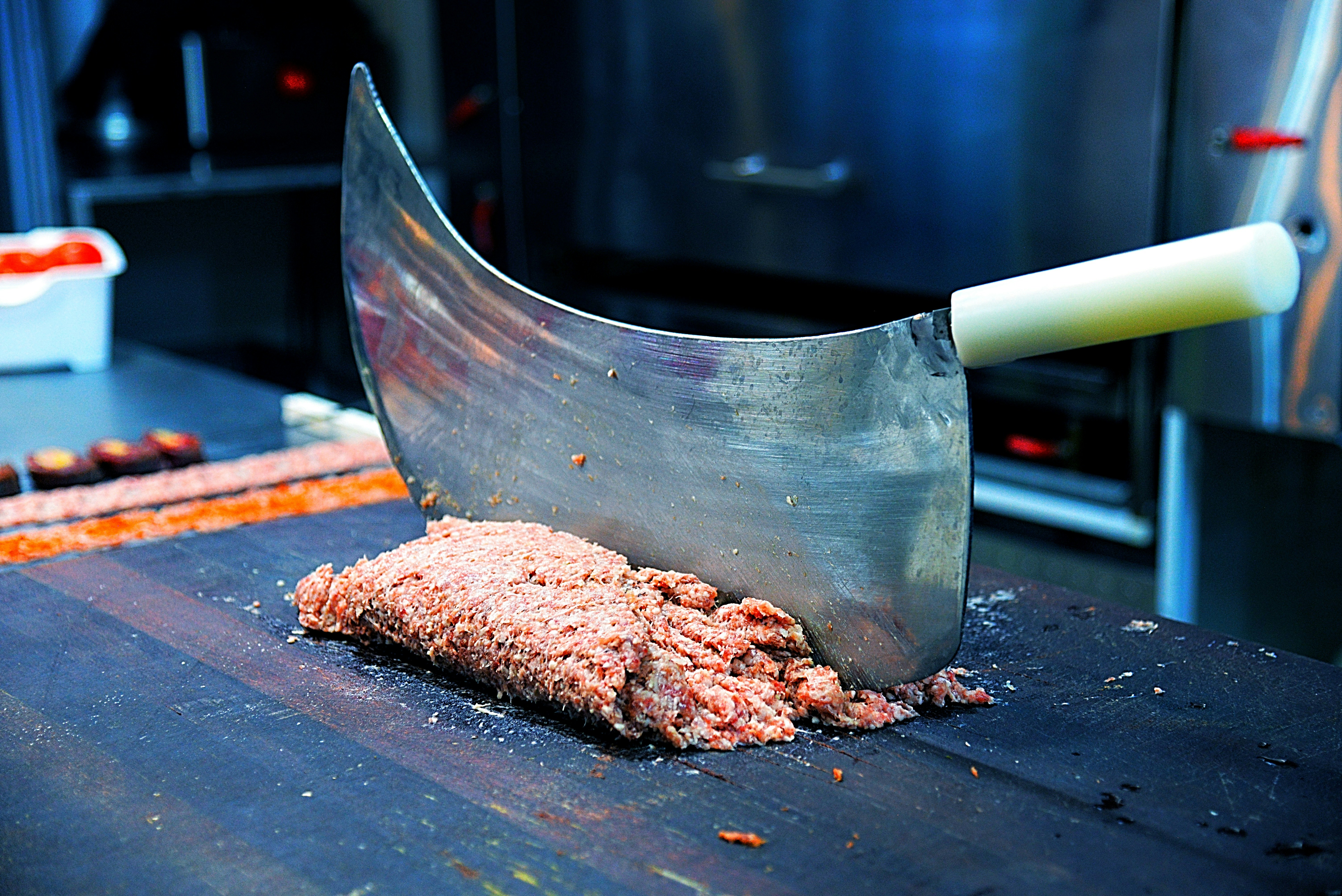
1. Butcher Knives: A set of sharp, high-quality knives is perhaps the most important investment for any butcher. There are various types, including boning knives, cleavers, and fillet knives, each designed for specific tasks. Brands like Victorinox and Wüsthof are renowned for their durability and performance, making them suitable for the rigorous demands of a busy butcher shop.
2. Meat Saws: Band saws are essential for cutting through bone efficiently. They come in both manual and electric variants, with electric saws offering speed and ease of use, crucial during high-volume periods. Local South African companies like JF Butchery Equipment provide excellent options that withstand the tough working environment of a butcher shop.
3. Meat Grinders: A quality meat grinder is necessary for preparing ground meat. Manual grinders may serve small-scale operations, while commercial-grade electric grinders are ideal for larger businesses. Look for models that provide adjustments for the coarseness of the grind, with brands such as Hobart and LEM being favorites for their reliability.
4. Slicers: For the perfect deli-style cuts, a meat slicer is indispensable. These come in manual or electric options, with electric slicers saving time and effort. Well-known brands like Bizerba offer sturdy machines that can handle heavy use without compromising on quality.
In conclusion, equipping a butcher shop with essential tools like knives, saws, grinders, and slicers is foundational to success. Investing in quality equipment not only boosts productivity but also improves the quality of meat products offered, ultimately catering to customer satisfaction.
Safety and Hygiene Equipment
In the butchery industry, safety and hygiene are paramount to ensure both employee protection and consumer health. Butchers are mandated to adhere to strict hygiene protocols which can significantly reduce the risk of foodborne illnesses. To uphold these standards, specific safety and hygiene equipment is essential.
Protective clothing, including butcher aprons, coats, and caps, plays a crucial role in maintaining hygiene. These garments not only serve as a barrier against contaminants but also help prevent cross-contamination. Wearing clean and protective attire is a foundational principle to operating a successful butchery in South Africa.
Moreover, disposable and reusable gloves are critical components in butchery operations. Gloves minimize direct contact with raw meat, which is vital for preventing contamination. It is important for employees to change gloves frequently, especially when switching between different tasks, to maintain a clean working environment.
To further enhance hygiene measures, the use of sanitizing tools such as disinfectants and sanitizing wipes cannot be overlooked. Regularly sanitizing work surfaces, tools, and hands is vital for controlling bacteria and pathogens that may compromise food safety. These measures not only ensure the safety of the products but also instill consumer confidence in the butcher’s brand.
Butchers in South Africa must also be aware of local regulations regarding hygiene and safety standards. The Department of Health and other regulatory bodies stipulate guidelines that must be followed to operate legally and ethically. Compliance with these regulations not only protects customers but also enhances the reputation of the butchery.
Maintenance and Care of Butchery Equipment
Proper maintenance and care of butchery equipment are crucial for ensuring longevity, efficiency, and safety in the workplace. Regular cleaning is the first step in preventing cross-contamination and maintaining hygiene. It is recommended that butchers clean their tools after each use with hot, soapy water, followed by thorough rinsing. Additionally, sanitizing the equipment using a food-safe sanitizer will further mitigate the risk of bacteria and pathogens. Once cleaned, the tools should be dried properly as moisture can lead to rust, especially in metal components.
Knife maintenance is another essential aspect of butchery care. Regularly sharpening knives can significantly enhance their performance and safety; a dull knife requires more force, increasing the risk of slipping and injuries. A professional sharpener or whetstone can be used for this purpose, with honing steel also recommended for maintaining the blade edge. During sharpening, attention should be paid to the angle of the blade to ensure a uniform edge. Investing time in learning the proper technique can yield better results and prolong the life of the knives.
Storage plays a fundamental role in preserving butchery equipment. Knives should be stored in a dedicated knife block or magnetic strip to protect their edges from damage. Other tools should be kept in a clean, designated area free from dust and moisture. Proper storage conditions prevent corrosion and ensure that equipment remains in optimal condition, ready for use when needed.
Despite careful maintenance, issues such as rust, dull blades, or even malfunctioning machines may arise. Regularly inspecting equipment can help identify problems early on. Rust can often be removed with appropriate treatments, while professional services may be necessary for complex machinery repairs. By adhering to these maintenance practices, South African butchers can ensure their tools remain effective and safe for daily use.