


Introduction to Commercial Oven Cleaning
Maintaining a clean commercial oven is crucial for several reasons, including safety, efficiency, and the quality of food preparation. In a bustling commercial kitchen, where every minute counts, a clean oven ensures that meals are cooked thoroughly and evenly, which directly impacts food quality. Residues from previous cooking sessions can lead to off-flavors in dishes, which can adversely affect customer satisfaction and restaurant reputation.
Moreover, a dirty oven poses significant safety hazards. Accumulations of grease and food particles not only increase the risk of fires but also present a breeding ground for harmful bacteria. Regularly cleaning ovens helps in mitigating these risks, ensuring a safe environment for kitchen staff and patrons alike. Additionally, a well-maintained oven operates more efficiently, consuming less energy which translates into cost savings for the establishment.
However, commercial kitchens often face unique challenges in maintaining oven cleanliness. High usage rates mean that ovens can quickly accumulate debris, and the types of foods prepared can lead to a wide variety of residues, such as burnt-on grease and carbon deposits. Furthermore, the complex designs of many commercial ovens can make access to all areas difficult, complicating the cleaning process. These factors necessitate the implementation of a rigorous cleaning schedule, tailored to the specific needs and usage patterns of each kitchen.
In conclusion, prioritizing the cleanliness of a commercial oven is imperative for ensuring efficient operations, enhancing food quality, and maintaining safety standards. Understanding the challenges associated with cleaning these appliances is the first step towards establishing effective cleaning protocols that uphold the highest standards in commercial cooking environments.
The Importance of Regular Cleaning
Regular cleaning of commercial ovens is essential for several reasons, each contributing to the overall efficiency and safety of kitchen operations. One of the most significant advantages is the prevention of grease build-up, which can pose a substantial fire hazard. Grease accumulation not only increases the risk of flames but also can lead to unpleasant odors that compromise the quality of food being prepared.
Moreover, maintaining a clean oven ensures even cooking. When grease and food particles are allowed to build up, they can obstruct burners and heating elements, leading to inconsistent temperatures. This inconsistency affects the cooking process, resulting in improperly cooked meals that could be harmful to consumers.
In terms of hygiene, a well-maintained oven is crucial. Commercial kitchens, which often handle large volumes of food, must adhere to strict health and safety standards. Regular cleaning practices reduce the likelihood of cross-contamination and the spread of foodborne illnesses. By implementing a routine cleaning schedule, kitchen staff can create a safer working environment, ensuring that food products meet the highest safety standards.
Additionally, the longevity of commercial ovens benefits greatly from regular maintenance. Cleaning not only removes harmful substances but also helps in identifying potential maintenance issues before they escalate into significant problems. For example, accumulated grease can lead to component wear and tear, which can be costly to repair or replace. By investing time in routine cleaning, operators can prolong the lifespan of their equipment, yielding better returns on their initial investment.
In conclusion, the importance of regular cleaning of commercial ovens cannot be overstated. It not only safeguards against fire hazards and improves hygienic conditions but also ensures optimal cooking performance and extends the life of the equipment.
Safety Precautions Before Cleaning
Cleaning a commercial oven is a task that requires careful consideration of safety measures to prevent accidents and injuries. Before commencing any cleaning activities, it is crucial to shut down the equipment completely. Ensure that the oven is turned off, disconnected from any power source, and allowed to cool adequately to prevent burns. Electrical safety is paramount; confirm that the circuit breaker is in the off position if applicable.
Utilizing personal protective equipment (PPE) is essential when tackling this cleaning endeavor. Workers should wear safety goggles to shield their eyes from any cleaning agents or debris that may arise during the process. Gloves are highly recommended to protect the skin from harsh chemicals, as well as to prevent cuts and scrapes from the oven’s surfaces. Additionally, non-slip footwear can help minimize the risk of slips and falls, which is particularly important in a kitchen environment where spills may occur.
Proper ventilation is also a critical factor before and during the cleaning operation. Ensure that the cleaning area is well-ventilated by opening windows or using exhaust fans. Inadequate ventilation can lead to the accumulation of harmful fumes from cleaning products, which may pose risks to long-term health. It is advisable to have an appropriate cleaning solution on hand that is specifically designed for commercial ovens to minimize any hazardous reactions.
Lastly, it’s a good practice to keep a first aid kit readily accessible. Accidents can happen, regardless of how many precautions are taken, so being prepared with band-aids, antiseptic wipes, and other supplies can facilitate quick response to minor injuries that may arise during the cleaning process.
Gathering Necessary Cleaning Supplies
In order to effectively clean a commercial oven, it is essential to gather appropriate cleaning supplies and equipment. The right tools not only enhance the cleaning process but also ensure that the equipment is maintained and functions efficiently. There are two primary categories of cleaning products to consider: commercial cleaning products and natural alternatives.
For commercial cleaning products, begin with an industrial oven cleaner. These cleaners are specifically formulated to tackle tough grease and burnt-on food residue. Look for degreasers that are safe for high-temperature applications. Additionally, consider non-corrosive stainless steel cleaners for the exterior surfaces to maintain their appearance and prevent damage.
Other essential supplies include heavy-duty scrub pads, brushes with sturdy bristles, and microfiber cloths. Scrub pads help with the removal of persistent stains and deposits, while brushes are useful for reaching crevices and corners that may accumulate grime. Microfiber cloths are excellent for wiping down surfaces without leaving lint behind, ensuring a clean finish.
For those who prefer natural alternatives, a vinegar and baking soda solution can be remarkably effective. Vinegar is a natural degreaser that can break down tough stains, and when combined with baking soda, it produces a fizzing reaction that aids in loosening residue. A mixture of lemon juice and water can also serve as a disinfectant while providing a pleasant aroma.
To complement these cleaning solutions, it is crucial to have personal protective equipment (PPE) such as gloves and safety goggles to protect oneself during the cleaning process. A sturdy bucket for mixing solutions, as well as a spray bottle for easier application, can further streamline the cleaning efforts.
Step-by-Step Cleaning Process
Cleaning a commercial oven effectively requires a systematic approach to ensure all components are meticulously attended to. Begin the process by assembling the necessary cleaning supplies, which typically include non-abrasive cleaners, sponges, microfiber cloths, scrapers, and gloves. Always prioritize safety by disconnecting the oven from its power source before starting the cleaning process.
Firstly, focus on the interior surfaces of the oven. Remove any loose food debris using a handheld vacuum or a damp cloth. For stubborn stains, apply a food-safe oven cleaner, letting it sit for the recommended time as specified by the manufacturer. Afterward, scrub the surfaces gently with a sponge or cloth until the grime is lifted. For optimal results, pay special attention to the corners and crevices where food particles may accumulate.
Next, tackle the racks and trays. Carefully remove them from the oven and soak them in warm, soapy water for about 20 minutes. This helps loosen any baked-on residue. After soaking, scrub them with a non-abrasive pad or brush, then rinse thoroughly with clean water.
Now, shift your attention to the burners. Check for blockages and clean them using a small brush or a cloth dipped in warm, soapy water. Ensure the burners are completely dry before reinserting them into the oven to prevent any electrical issues.
Finally, do not overlook the exterior parts. Wipe down the outside of the oven with a damp cloth and an appropriate general-purpose cleaner. Pay special attention to hard-to-reach spots, such as around the knobs and hinges. Regular maintenance and cleaning not only enhance performance but also extend the life of commercial ovens.
Cleaning Specific Types of Ovens
When it comes to cleaning commercial ovens, it is essential to adopt tailored techniques based on the specific type of oven in use. Different ovens are designed with unique features that require distinct cleaning approaches to ensure optimal performance and longevity.
For convection ovens, which circulate hot air to cook food evenly, it is vital to clean both the interior and exterior components. Begin by removing racks and trays, followed by washing them in a solution of warm water and mild detergent. The interior surfaces can be cleaned with a non-toxic oven cleaner, making sure to avoid the fan and heating elements. After scrubbing, rinse thoroughly with water and dry the surfaces to prevent any residue build-up that may affect cooking efficiency.
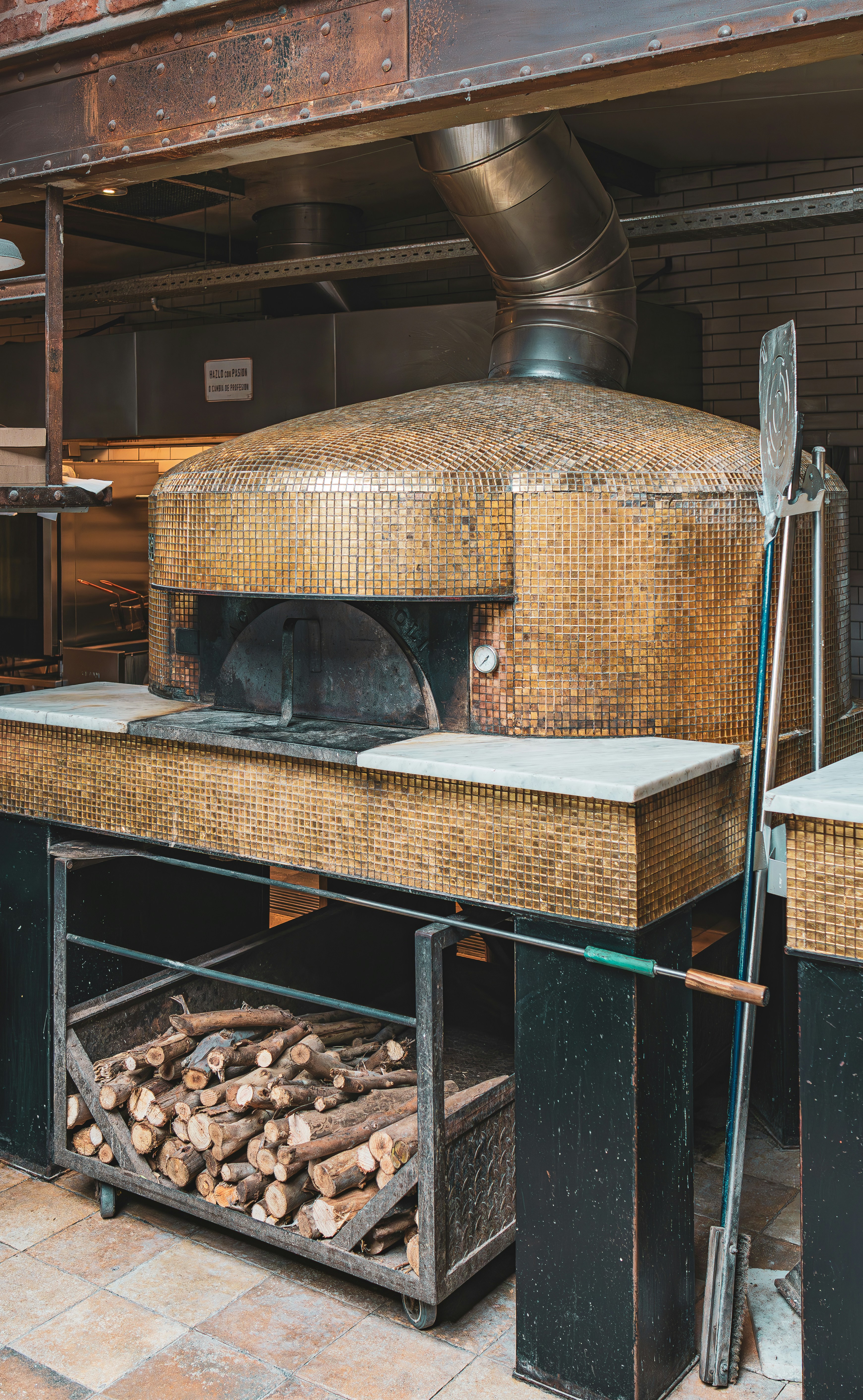
Pizza ovens, particularly those with brick or stone interiors, necessitate a more delicate cleaning method. Use a metal peel or scraper to loosen any food particles, then employ a damp cloth to wipe down the interior. Avoid using water directly on the stone, as it can saturate and compromise the oven’s efficacy. Regularly sweeping out ash and debris can also help maintain optimal cooking conditions.
Gas ovens typically require special attention to their burners and pilot lights for safety and effectiveness. It is advisable to unplug and remove any detachable parts, cleaning them separately with suitable cleaning agents. For the internal surfaces, a combination of vinegar and baking soda forms an effective and non-toxic cleaner that can handle grease and grime. In contrast, electric ovens often feature smooth, ceramic interiors that can be cleaned with soft sponges and non-abrasive cleaners to avoid scratches. Heat cleaning cycles may also be beneficial but should be used according to the manufacturer’s instructions.
Overall, understanding the specific requirements of each oven type ensures efficient cleaning and prolongs the lifespan of your commercial kitchen equipment. Implementing the correct cleaning techniques tailored to each oven will also enhance safety and improve food quality.
Post-Cleaning Maintenance Tips
Maintaining the cleanliness of a commercial oven after a deep clean is crucial for enhancing its efficiency and longevity. Implementing a consistent daily cleaning routine can significantly reduce the buildup of grease and food particles, ensuring that the oven remains in optimal condition.
One of the most effective practices is to wipe down the oven’s surfaces using a damp cloth and a mild dish soap immediately after use. This minimizes the chances of residues hardening, which can lead to more difficult cleaning tasks in the future. It is essential to avoid using abrasive materials that can scratch the surface, as these can trap dirt and lead to corrosion over time.
Another useful tip is to regularly inspect the oven for any signs of wear or damage. Check the door seals, heating elements, and burners for any debris or malfunction. Performing these inspections can help identify issues early, allowing for timely repairs that can prevent larger problems and maintain oven performance.
An effective practice to minimize mess while cooking is to use splatter guards and trays. These tools not only capture drips but also help in containing spills, making the post-cooking cleaning process smoother. Placing a large tray under items that are likely to splatter can save time and effort during cleaning.
Furthermore, establishing a weekly detailed cleaning schedule can complement daily routines, allowing for deeper cleaning of crevices and hard-to-reach areas that daily maintenance might miss. This approach not only ensures a clean workspace but also optimizes the cooking environment, promoting food safety and efficiency.
Troubleshooting Common Cleaning Issues
Cleaning a commercial oven can present several challenges that may impede the efficiency and effectiveness of the process. Understanding these common issues and knowing how to address them can significantly enhance the cleaning outcome. One of the primary challenges encountered during oven cleaning is the buildup of tough grease and grime, especially in high-use environments. When left unchecked, this residue can become adhesive, making it difficult to clean. To combat this, it is advisable to use a degreaser specifically formulated for commercial ovens. These degreasers can break down tough deposits, allowing for easier removal of grime.
Another frequent issue is the presence of burnt-on food particles. These remnants can not only affect oven performance but may also impart undesirable flavors to food. A practical solution for removing burnt-on residues is to soak the affected areas with warm, soapy water. After this soaking period, using a scraper or scouring pad can effectively lift these particles. It is crucial to ensure that any scrubbing tools used are compatible with the oven surfaces to avoid scratching.
Furthermore, some commercial oven models may have hard-to-reach areas that can be neglected during regular cleaning. To effectively tackle this problem, it is essential to use the right tools, such as brushes with long handles and flexible attachments, which can navigate these challenging areas. Regular maintenance checks and visual inspections can also help to identify these trouble spots before they accumulate too much debris.
Finally, one common complaint pertains to unpleasant odors arising from the oven even after a thorough cleaning. This can often be traced back to residues that have become entrenched in the burner or heat elements. Implementing a deep cleaning routine that includes these parts can significantly alleviate this issue, ensuring a fresh and clean baking environment.
Conclusion and Best Practices
In this comprehensive guide, we have explored the essential steps involved in effectively cleaning a commercial oven. Regular maintenance of commercial ovens is paramount not only for sanitation purposes but also to ensure that the oven operates efficiently. A clean oven enhances cooking performance and prolongs the lifespan of the appliance, thereby reducing long-term costs associated with repairs or replacements.
We discussed the importance of gathering the necessary cleaning supplies before starting the cleaning process. Utilizing appropriate cleaning agents ensures that grease and food residues are eliminated without damaging the oven’s surfaces. Additionally, adopting a systematic approach—starting from the exterior and moving inward—can significantly streamline the cleaning process.
Moreover, we highlighted the significance of adhering to the manufacturer’s instructions when it comes to cleaning techniques specific to different oven models. Neglecting these guidelines can lead to misuse of cleaning products or methods that may weaken the structural integrity of the oven.
Equally important are the best practices for maintaining a clean commercial kitchen environment. Encouraging staff to clean as they go and fostering a culture of cleanliness will greatly contribute to overall kitchen hygiene. Scheduling regular deep cleaning sessions, rather than waiting for significant buildup, can prevent arduous cleaning tasks in the future.
Incorporating these best practices into your routine will not only optimize the cleanliness of your commercial oven but also enhance the overall efficiency of your kitchen operations. Consistent maintenance, paired with a proactive approach, ensures that your kitchen remains a safe and productive environment for culinary excellence.