


Introduction to Commercial Kitchen Equipment
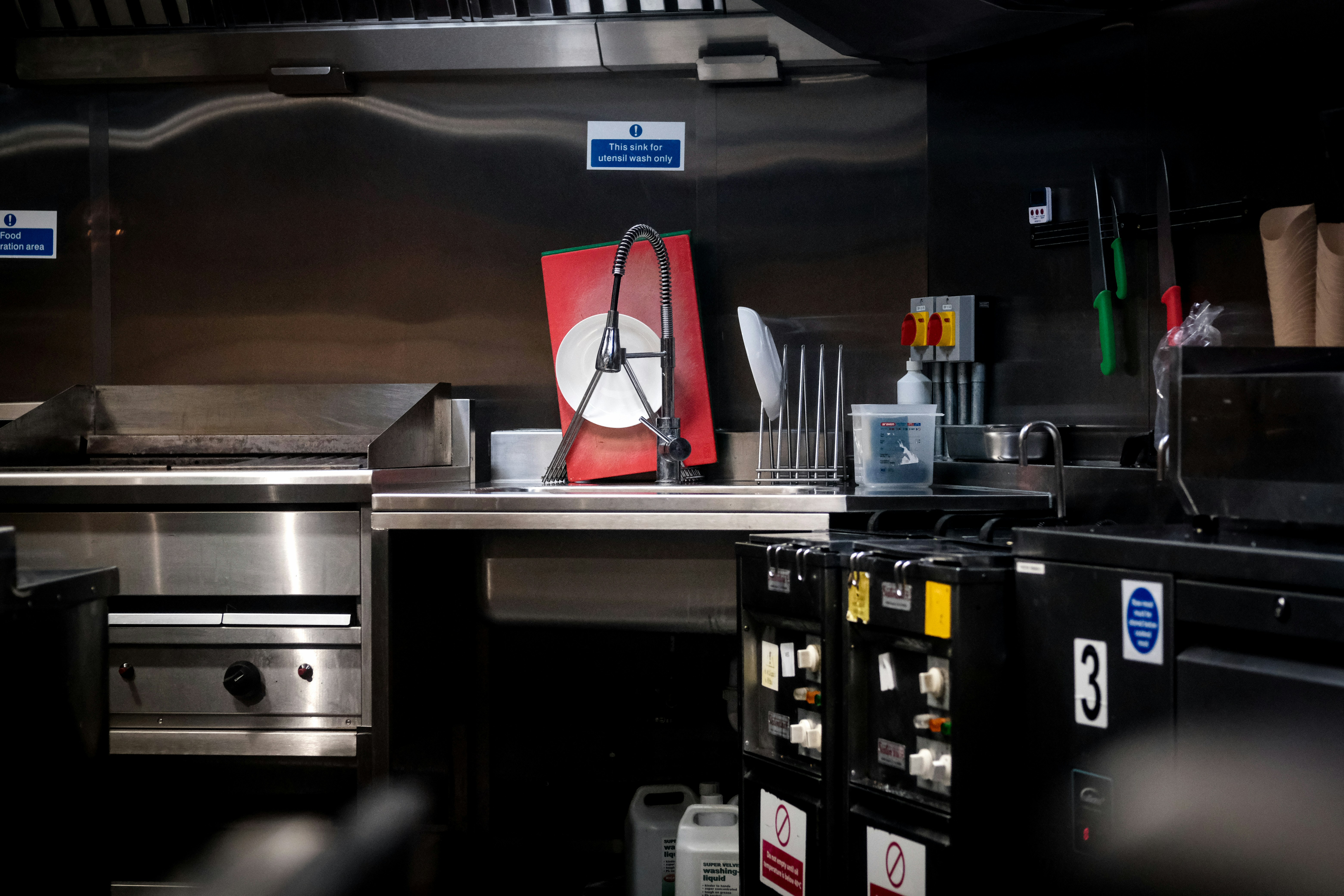
Commercial kitchen equipment refers to the specialized appliances and tools utilized in restaurants, cafes, catering services, and other food service establishments. The significance of this equipment cannot be overstated, as it plays a pivotal role in ensuring operational efficiency, safety, and food quality. From preparation to cooking and service, each piece of equipment is designed to support the diverse workflows involved in the culinary environment.
Establishments that require commercial kitchen equipment range from small food trucks to large restaurants and hotels. Regardless of size, all commercial kitchens benefit from investing in high-quality equipment that meets their specific operational needs. The demand for reliable machinery is particularly high in the fast-paced food service industry, where hundreds of meals may be prepared and served daily. Efficient cooking, storage, and cleaning equipment directly influence the ability to meet customer expectations and maintain consistent service delivery.
Moreover, the growing emphasis on health and safety standards in food preparation has made it imperative for operation managers to choose equipment that not only meets these regulations but also enhances productivity. Types of commercial kitchen equipment include ovens, ranges, refrigerators, freezers, dishwashers, and food processors, each serving unique purposes that contribute to a streamlined kitchen operation. Selecting quality equipment ensures longevity and reliability, subsequently reducing the likelihood of costly repairs and downtime.
Investing in the right commercial kitchen equipment is fundamental for success in the competitive food service sector. It allows businesses to operate efficiently, adapt to varying customer demands, and uphold high standards in food safety and quality. Understanding the full spectrum of available kitchen equipment and its functions is vital for any establishment aiming to achieve excellence in service and culinary offerings.
Types of Commercial Kitchen Equipment
In the realm of the food service industry, the selection of commercial kitchen equipment is paramount for operational efficiency and excellence. In South Africa, a myriad of equipment types caters to diverse culinary applications. The primary categories of commercial kitchen equipment include cooking equipment, refrigeration units, prep equipment, and serving equipment, each playing a significant role in the kitchen ecosystem.
Cooking Equipment forms the backbone of any commercial kitchen, encompassing essentials like ovens, grills, and fryers. Ovens are versatile instruments, allowing for baking, roasting, and steaming of various dishes. Grills are ideal for preparing meats and vegetables, contributing to the distinct smoky flavor that is favored in many cuisines. Fryers, on the other hand, are indispensable for producing crispy fried foods, which consistently draw customer interest.
Moving on to Refrigeration Units, these devices are crucial for maintaining food safety and preserving ingredients. In South African commercial kitchens, walk-in freezers and display fridges are commonly utilized. Walk-in freezers provide ample storage for bulk ingredients and perishable items, ensuring they remain suitable for use over extended periods. Display fridges, on the other hand, are designed to keep ready-to-serve items at optimal temperatures while allowing customers to view and select products easily.
Next, we have Prep Equipment, which includes tools such as food processors and slicers. Food processors can significantly reduce preparation times by efficiently chopping, mixing, or puréeing ingredients, thus streamlining food preparation. Slicers are specifically beneficial for uniform cutting of meats, cheeses, and vegetables, thereby enhancing both presentation and cook time consistency.
Finally, Serving Equipment is essential for the final presentation of dishes and includes buffet setups and dining ware. Buffet service equipment allows for easy self-service in larger establishments, while elegant dining ware is integral to enhancing the dining experience in upscale restaurants. Each category of commercial kitchen equipment is tailored to meet specific needs, thus ensuring that food is prepared, preserved, and served efficiently in South Africa’s thriving culinary scene.
Factors to Consider When Purchasing Equipment
When acquiring commercial kitchen equipment, several essential factors must be taken into account to ensure that the investment aligns with the operational needs of the business. A thorough evaluation not only enhances efficiency but also promotes long-term sustainability.
The first consideration is the budget. Establishing a clear budget will help narrow down the options and ensure that the purchase aligns with the financial capabilities of the business. It’s crucial to account for all associated costs beyond the initial purchase price, including installation, maintenance, and potential upgrades. Additionally, exploring financing options or leasing arrangements may also be beneficial for maintaining cash flow.
Another critical factor is the space available in the kitchen. Layout planning should be conducted before making any purchase decisions, as equipment size and configuration significantly influence kitchen workflow. Taking precise measurements and carefully mapping the intended layout can help avoid overcrowding and ensure that all equipment is operationally fit within the designated space.
Energy efficiency is an increasingly important consideration in the current economic climate. Businesses should assess the energy consumption of various equipment to identify models that minimize electricity usage while maintaining performance standards. Energy-efficient appliances not only reduce monthly operating costs but can also enhance the overall sustainability of the establishment.
Ease of use and cleaning are also vital considerations. Equipment that is user-friendly can significantly affect staff productivity and morale, whereas easy-to-clean models promote hygiene, an essential aspect of any commercial kitchen. Additionally, evaluating brand reliability through reviews and performance ratings will aid in selecting durable and reputable products.
Lastly, warranty and support options play a significant role in mitigating future expenses. Understanding the manufacturer’s warranty and available customer support can provide peace of mind and safeguard the investment against potential malfunctions.
Local and International Brands Available in South Africa
South Africa boasts a vibrant market for commercial kitchen equipment, featuring both local and international brands that cater to various culinary needs. These brands are known for their quality, innovation, and reliability, making them favorable choices for restaurants, caterers, and food service operations across the country.
One of the prominent local brands is Blue Seal. Renowned for its excellent industrial kitchen ranges, Blue Seal offers a variety of cooking equipment, including ovens, fryers, and griddles. Their products are locally manufactured, ensuring a good understanding of the South African market and its specific requirements. Blue Seal is celebrated for durability and performance, making it a staple in many professional kitchens.
Another notable local player is Rico Equipment, which specializes in supplying quality cooling and refrigeration solutions. They are recognized for their bespoke services, tailoring their refrigeration systems to meet the unique needs of various establishments. With a robust reputation, Rico has made significant strides in the food service sector.
On the international front, Salvajor stands out with its advanced food waste disposers and sinks, helping commercial kitchens manage waste efficiently while adhering to environmental standards. Their products are energy-efficient and designed to streamline kitchen operations, a key factor for busy establishments.
Avantco Equipment is another international brand gaining popularity in South Africa, particularly known for their commercial food prep equipment and refrigeration solutions. They offer a comprehensive range of products that blend functionality with cost-effectiveness, appealing to both small eateries and large-scale restaurants.
These brands represent just a fraction of what South Africa has to offer in terms of commercial kitchen equipment. By exploring both local and international options, operators can equip their kitchens with high-quality appliances suited to their operational needs.
Maintaining Commercial Kitchen Equipment
Regular maintenance of commercial kitchen equipment is paramount to ensuring that the equipment runs smoothly and efficiently. Proper upkeep can significantly prolong the lifespan of kitchen tools, reduce the likelihood of breakdowns, and enhance food safety standards. Understanding the significance of regular maintenance activities serves as a foundation for any food service operation.
First and foremost, routine checks should be incorporated into daily operations. Staff should be trained to inspect equipment for any visible signs of wear and tear. This includes checking for leaks in refrigeration units, ensuring that ovens maintain the correct temperature, and assessing the overall cleanliness of surfaces. These inspections can help identify minor issues before they escalate into costly repairs and outages.
Cleaning is another critical aspect of maintenance. Exposure to food particles and grease can compromise the performance of kitchen equipment. Consequently, it’s essential to establish a daily cleaning regimen focusing on all machines, including grills, fryers, and dishwashers. Safe and suitable cleaning products should be used to avoid damage to the surfaces and to ensure compliance with health standards. Moreover, deep cleaning should be performed periodically, detailed in a schedule to ensure thorough sanitization and maintenance.
In addition to routine checks and cleaning, scheduled servicing of equipment plays a vital role in promoting longevity and optimal performance. Engaging professional technicians for routine servicing helps keep devices in peak condition. These experts can perform comprehensive assessments and tune-ups, allowing for any adjustments or part replacements. A maintenance log can also be beneficial, documenting visits and repairs for future reference.
In summary, regular maintenance of commercial kitchen equipment is not just a matter of convenience; it is essential for the overall performance, safety, and efficiency of kitchen operations. By implementing routine checks, consistent cleaning, and professional servicing, kitchen managers can considerably enhance operational reliability and reduce potential costly downtimes.
Regulations and Compliance Standards in South Africa
In South Africa, the operation of commercial kitchens is governed by stringent regulations and compliance standards aimed at ensuring health and safety. These regulations are crucial in maintaining hygiene, safety, and quality within food preparation establishments. The primary regulatory bodies overseeing these standards include the Department of Health, local municipalities, and the South African Bureau of Standards (SABS). These organizations set forth guidelines that commercial kitchens must adhere to, ensuring that all equipment and practices meet the necessary safety measures.
One significant aspect of compliance is the requirement for commercial kitchen equipment to meet specific safety standards. This means that all cooking appliances, refrigeration units, and food storage facilities must be certified to guarantee they do not pose health risks to consumers. The SABS provides guidelines that outline rigorous testing and certification processes for kitchen equipment, which underlines the importance of purchasing equipment from reputable suppliers who comply with these standards. Non-compliance with these regulations can result in severe repercussions, including fines, suspension of business licenses, or even closure of the establishment.
Furthermore, the Occupational Health and Safety Act (OHSA) necessitates that kitchens maintain a safe working environment for staff. This includes adhering to fire safety protocols, correct handling of potentially hazardous materials, and implementing ergonomic work practices to prevent injuries. It is also essential for commercial kitchen operators to ensure that all employees are trained on these regulations and understand their role in maintaining compliance. Regular audits and inspections by local health authorities further reinforce the necessity of adherence to these regulations.
Ultimately, compliance with health and safety regulations not only safeguards the well-being of consumers and employees but also establishes a reliable framework for the operation of commercial kitchens in South Africa. By following these standards, kitchen operators can enhance their credibility while avoiding legal complications that may arise from non-compliance.
Current Trends in Commercial Kitchen Equipment
The commercial kitchen equipment sector in South Africa is undergoing significant transformation, reflecting broader shifts in consumer preferences and technological advancements. One of the most prominent trends is the growing emphasis on sustainability, with kitchens adopting eco-friendly practices that not only reduce environmental impact but also lower operational costs.
In efforts to promote sustainability, many businesses are now turning to energy-efficient appliances. These appliances are designed to consume less power while maintaining optimal performance, thereby providing a dual advantage of cost savings and a smaller carbon footprint. The use of equipment such as energy-efficient ovens, refrigerators, and dishwashers is becoming increasingly common, as operators seek to comply with local regulations and respond to consumer demand for greener alternatives.
Moreover, the integration of smart technology is revolutionizing the way commercial kitchens operate. Smart kitchen equipment equipped with Internet of Things (IoT) capabilities allows kitchen staff to monitor equipment performance remotely, predict maintenance needs, and even control cooking times and temperatures through mobile applications. This not only enhances operational efficiency but also improves food safety by reducing human error.
Another noteworthy trend is the rise of modular and flexible kitchen designs. These designs particularly appeal to restaurants and catering businesses looking to maximize space and adaptability. Modular equipment allows kitchen operators to customize their setups according to varying workloads and menu offerings without significant financial investment in new equipment.
This trend towards flexibility indicates an industry-wide recognition that commercial kitchens must be agile to meet changing consumer demands and trends. As businesses continue to evolve, the need for comprehensive solutions that integrate sustainability, technology, and adaptability will be paramount in shaping the future of commercial kitchen equipment.
Cost Considerations and Financial Tips
Investing in commercial kitchen equipment in South Africa involves several financial considerations that can significantly impact your overall budget. One of the most important concepts to grasp is the total cost of ownership (TCO). TCO encompasses not just the initial purchase price of equipment, but also ongoing expenses such as maintenance, energy consumption, and depreciation over time. By understanding these factors, potential buyers can make informed decisions that align with their financial strategies.
Financing options for commercial kitchen equipment in South Africa vary widely, including outright purchases, leasing options, and financing through suppliers. Leasing can provide an attractive alternative for businesses that prefer lower upfront costs. It enables operators to acquire the necessary equipment without burdening their cash flows. However, it is essential to read the terms carefully to avoid any hidden costs that could arise later.
Budgeting effectively is crucial to minimizing expenses while maximizing value. It is advisable to establish a realistic budget based on your specific business needs, ensuring that you allocate sufficient funds not just for the equipment itself, but also for installation and inevitable maintenance. Creating a detailed spreadsheet that identifies all potential costs associated with your kitchen layout will be beneficial. Prioritize the purchase of essential equipment, as this will ensure that your operational capacity is adequately supported from the beginning.
Lastly, consider looking for second-hand or refurbished equipment from reputable dealers. This may provide substantial savings while still offering reliable machinery that fulfills regulatory standards. Regularly reviewing your equipping processes and expenses can also help in adjusting your budgeting methods, allowing for continual improvements and financial efficiency in your commercial kitchen ventures.
Conclusion and Future Outlook
In reviewing the landscape of commercial kitchen equipment in South Africa, it is evident that this sector stands at the nexus of innovation and functionality. Several key points have emerged throughout the discussion. Firstly, the diversity of equipment available, ranging from cooking appliances to refrigeration units, is instrumental in facilitating efficient workflow and ensuring food safety. Secondly, the rising demand for high-quality and durable kitchen equipment has catalyzed advancements in technology, leading to more energy-efficient solutions that align with sustainable practices.
Moreover, South Africa’s culinary scene continues to flourish, emphasizing the need for advanced commercial kitchen solutions that cater to a broad spectrum of culinary requirements. As more businesses recognize the importance of equipping their kitchens with state-of-the-art equipment, the market is poised to grow significantly. This growth is supported by both local and international suppliers, who are increasingly investing in the South African market, thus introducing innovative products and services.
Looking forward, technological advancements such as smart kitchen equipment and automation are expected to redefine the operations of commercial kitchens. The integration of IoT (Internet of Things) in kitchen equipment promises enhanced monitoring and control, resulting in reduced waste and improved efficiency. Additionally, trends toward healthier eating and environmentally friendly practices will likely drive the demand for specialized equipment designed to accommodate these preferences.
In summary, the future of commercial kitchen equipment in South Africa is promising, characterized by growth and innovation. Stakeholders in the industry must remain receptive to emerging trends and technological developments to maintain a competitive edge. By doing so, they will be well-positioned to meet the evolving needs of the market, ensuring the continued success of commercial kitchens across the region.