


Understanding Deck Ovens
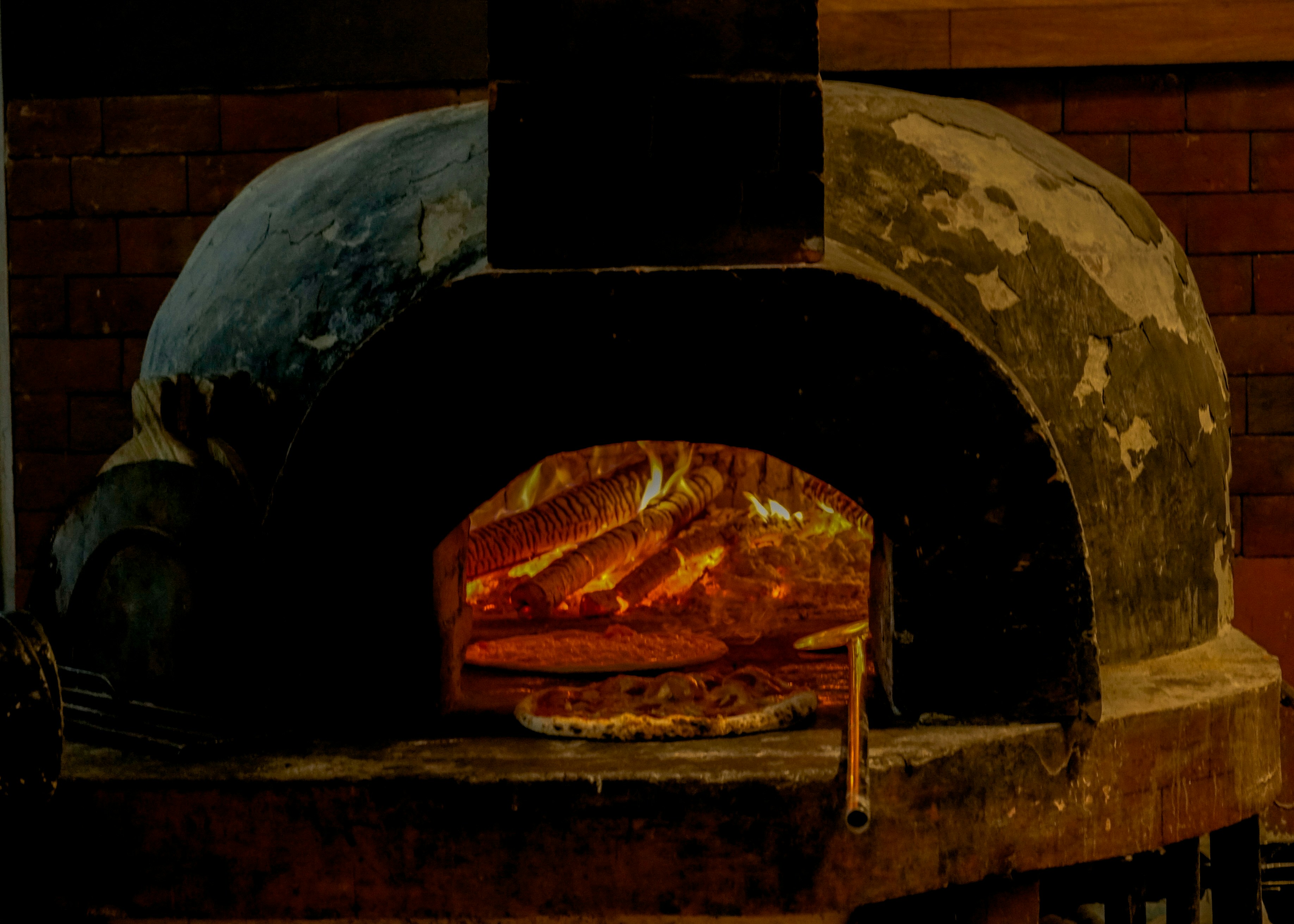
Deck ovens are specialized baking appliances designed to provide high-quality cooking results, particularly for baked goods. Their primary structure consists of several independently controlled baking chambers, often referred to as “decks.” Typically constructed with stone or ceramic baking surfaces, deck ovens offer even heat distribution, which is essential for achieving the perfect crust and texture in baked products.
The history of deck ovens dates back to ancient times, where they were primarily used for baking bread. Over the years, they have evolved, integrating modern technology while retaining the traditional methods that yield remarkable results. The core components of a deck oven include the heating system, the baking surface, and the insulation, all of which work together to create a controlled baking environment.
One of the most significant advantages of using deck ovens is their ability to produce high-quality artisan breads and pizzas. The hot stone deck absorbs moisture from the dough, resulting in a crispy crust and a chewy interior, characteristics many bakers strive to achieve. Additionally, the even heat retention provided by the stone surface ensures that the heat is uniformly distributed, allowing for consistent baking results across various food items.
Deck ovens are best suited for professional bakeries and pizzerias, where the demand for high-quality baked goods is paramount. They are optimal for baking loaves of bread, pastries, and pizzas, as well as any other dish that requires high heat and moisture retention. Although they may require more upfront investment and space compared to conventional ovens, the unique benefits offered by deck ovens make them a preferred choice for serious bakers seeking quality and consistency in their products.
Exploring Convection Ovens
A convection oven is a versatile kitchen appliance that utilizes a fan and exhaust system to circulate hot air evenly within the cooking chamber. This innovative design allows convection ovens to cook food more efficiently than traditional ovens, making them a popular choice among professional chefs and home cooks alike. The key component of a convection oven, the fan, plays a crucial role in ensuring that hot air is consistently distributed around the food, leading to more uniform cooking results.
The circulation of hot air not only accelerates the cooking process but also enhances browning and crisping. As a result, dishes prepared in a convection oven often exhibit a desirable texture and flavor. The cooking times are typically reduced by about 25%, allowing for quicker meal preparation without compromising food quality. Additionally, the even heat distribution minimizes the risk of hot spots, reducing the chances of overcooking or undercooking specific areas of a dish.
This type of oven is particularly effective for baking, roasting, and toasting. Convection ovens excel at tasks such as roasting meats, baking pastries, and crisping vegetables due to their ability to maintain optimal temperatures while controlling moisture levels. Furthermore, their efficiency makes them suitable for a wide range of cooking methods, including dehydrating and proofing dough. Many models also come with multiple racks, allowing for cooking multiple dishes at once, which can be a tremendous benefit for large families or gatherings.
In conclusion, convection ovens represent a significant advancement in cooking technology, offering faster cooking times and consistent results. Their effectiveness across various cooking techniques underscores their value in any kitchen, whether it be for daily meals or special culinary projects.
Comparison of Deck Ovens and Convection Ovens
When evaluating deck ovens and convection ovens, it is essential to consider various factors that impact their effectiveness in different culinary settings. One significant aspect is cooking time. Deck ovens typically provide a direct heat source from both the top and bottom, resulting in a quicker cooking time for breads and pizzas. Conversely, convection ovens utilize a fan to circulate hot air, which promotes even cooking and browning, but may require slightly longer for similar baked goods.
Energy efficiency is another critical point of differentiation. Deck ovens, while often more energy-intensive due to their robust heating systems, can be advantageous for high-volume operations where they are used continuously, as they excel in maintaining consistent temperatures. On the other hand, convection ovens are generally more energy-efficient for smaller tasks and are ideal for home users or small bakeries, allowing for saving on energy costs.
The flavor profile imparted by each oven type can also vary. Deck ovens tend to produce a superior crust on baked items, favored in artisan bread and pizza making, thanks to their stone hearths and steam injection capabilities. In contrast, convection ovens might generate a more uniform texture across various culinary creations, making them suitable for pastries and a variety of baked items.
Regarding target users, professional bakers and pizzerias may prefer deck ovens for their enhanced capabilities in producing high-quality crusts and denseness in breads. Meanwhile, home cooks and hobby bakers often opt for convection ovens due to their versatility and ease of use. Additionally, cost considerations play a crucial role; deck ovens typically involve a higher investment, which might be justified by their performance in a commercial setting, whereas convection ovens present a more budget-friendly solution for casual users.
Lastly, space requirements can influence a buyer’s decision. Deck ovens are bulkier and require more kitchen real estate, suitable for commercial setups, while convection ovens are generally more compact and can easily fit into home kitchens.
Making the Best Choice for Your Needs
When it comes to selecting between a deck oven and a convection oven, it is essential to assess your specific needs and cooking style. Understanding various factors can help you make an informed decision that aligns with your culinary goals. The first aspect to consider is your budget. Deck ovens tend to be more expensive due to their construction and functionality. However, they are often favored by commercial bakeries for their superior baking capabilities. If your cooking endeavors are limited to home use or if you are operating on a tighter budget, a convection oven may offer a more cost-effective solution.
Another critical factor is kitchen space. Deck ovens are generally larger and can occupy significant floor area, making them ideal for professional kitchens or larger establishments. In contrast, convection ovens are more compact and can fit into smaller kitchens. If space is a constraint, evaluating the dimensions of the available area will be crucial in determining which type of oven will suit your needs.
Frequency of use also plays an essential role in your decision-making process. For those who bake regularly and in larger quantities, a deck oven may provide the best results. Bakers who appreciate artisan-style bread and pizza often rely on the even heating and enhanced crust development that a deck oven offers. Conversely, if you are a casual baker, a convection oven may suffice, as it provides flexibility and efficiency for a variety of dishes.
Lastly, consider the desired cooking outcomes. Personal testimonies from professionals highlight that chefs who prefer a traditional baking style often lean towards deck ovens, while home bakers appreciate the convenience and versatile features of convection ovens. Weighing these factors carefully will help you select the oven that best suits your culinary aspirations.