


Understanding the Catering Equipment Industry
The catering equipment industry in South Africa has experienced significant growth over the past few years, driven by the expansion of the food service sector, which includes restaurants, catering firms, and event management companies. As the market expands, the need for high-quality and efficient catering equipment becomes increasingly paramount. This industry encompasses a wide range of products, such as cooking equipment, refrigeration units, serving utensils, and specialized tools tailored for various culinary tasks.
Key players in the catering equipment supply chain include manufacturers, distributors, and retailers, each playing a crucial role in ensuring that businesses have access to the tools they require for successful operations. Prominent companies in the market often provide a diverse selection of products, ensuring that they cater to the varying needs of their clients, from small, family-owned restaurants to large-scale catering operations.
In addition to traditional players, the South African catering equipment industry has seen a rise in innovative suppliers offering eco-friendly and energy-efficient products. This shift is indicative of broader trends within the market as sustainability becomes a significant focus for businesses and consumers alike. Events and experiential dining are also contributing to the demand for specialized equipment, further emphasizing the importance of adaptation in this sector.
Moreover, factors such as the growing number of corporate events and private functions, along with the resurgence of the hospitality sector post-pandemic, are fostering an increase in the demand for catering equipment. As businesses navigate a competitive landscape, the equipment used can greatly affect efficiency, food quality, and ultimately customer satisfaction. Therefore, understanding these dynamics is essential for anyone looking to succeed in the catering equipment industry in South Africa.
Types of Catering Equipment Available
Catering equipment is pivotal in the food service industry, as it encompasses a wide array of tools and appliances essential for efficient operations. Understanding the different types of catering equipment available can aid establishments in making informed purchasing decisions based on their specific needs.
First, cooking appliances play a central role in any catering environment. This category includes ovens, stoves, fryers, and grills, which are crucial for preparing various culinary dishes. Industrial ovens, for example, are designed to withstand high-volume cooking, while commercial fryers ensure quick frying of large quantities of food. Investing in high-quality cooking appliances can significantly enhance the culinary output and consistency of a catering business.
Next, refrigeration units are essential for maintaining food safety and freshness. Catering businesses often require reach-in refrigerators, display fridges, and ice makers to store perishable items appropriately. Such refrigeration equipment not only helps preserve the quality of ingredients but also facilitates easy access during food preparation and service. It’s crucial for caterers to select suitable refrigeration options to avoid spoilage and maintain food hygiene.
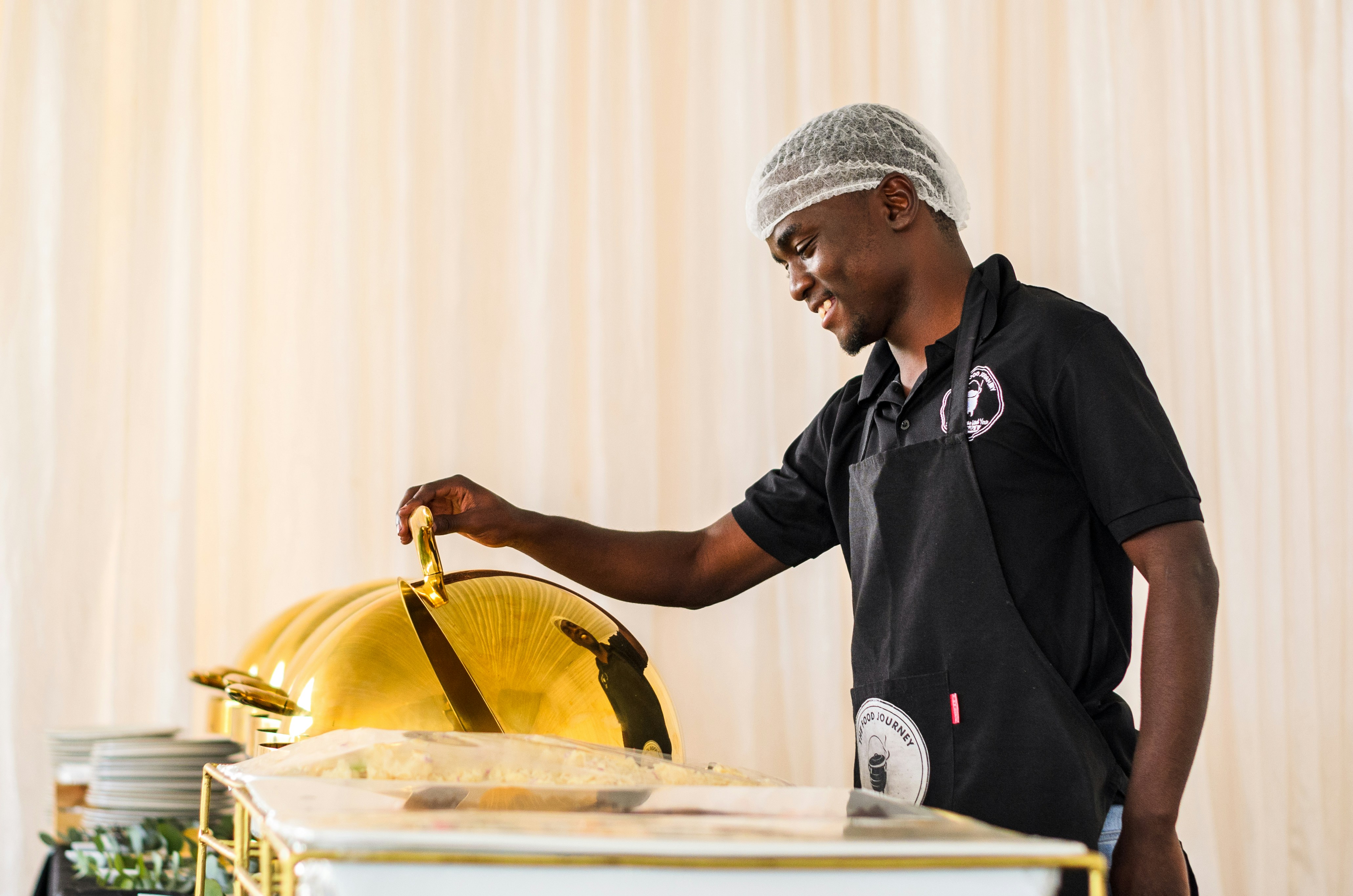
Serving ware is another vital component of catering equipment. Items such as chafing dishes, serving platters, and utensils allow for the aesthetically pleasing presentation of food. High-quality serving ware not only enhances the dining experience but also ensures ease of service. Catering businesses often opt for durable materials that can withstand repeated use while maintaining an attractive appearance.
Lastly, cleaning equipment is indispensable in maintaining hygiene standards in a catering setting. Dishwashers, sanitation tools, and waste disposal systems are necessary for efficient cleanup operations. Catering suppliers provide a variety of cleaning equipment options tailored for commercial kitchens, ensuring compliance with health regulations.
In conclusion, understanding the various types of catering equipment such as cooking appliances, refrigeration units, serving ware, and cleaning equipment is crucial for businesses in the catering industry. Each category serves a unique purpose and contributes to the overall efficiency and success of catering operations.
Choosing the Right Catering Equipment Supplier
When selecting a catering equipment supplier, it is crucial to consider several essential criteria that can significantly impact the efficiency and effectiveness of your catering business. The first factor to evaluate is the product range. A diverse and comprehensive selection of catering equipment allows you to find everything you need from a single supplier, making the procurement process more efficient. Look for suppliers who offer a wide variety of items, including cooking appliances, serving equipment, and storage solutions, to ensure that all your catering needs are met.
Pricing is another critical consideration. While it is important to find affordable options, the cheapest products are not always the best in terms of quality and durability. It is advisable to conduct a comparative analysis of different suppliers to find a balance between cost and quality. Always be cautious of low-priced equipment that may lead to higher long-term costs due to frequent replacements or repairs.
Customer service plays a pivotal role in the supplier selection process. A supplier with responsive and knowledgeable support can help you navigate product selections, troubleshoot issues, and enhance your overall purchasing experience. It may be helpful to read customer reviews and testimonials to gauge the level of service provided by potential suppliers, as a strong support system can save invaluable time and resources.
Finally, warranty options are an essential aspect of the decision-making process. Guarantees and warranties not only enhance product confidence but also provide security in the event of equipment malfunctions. Look for suppliers that offer robust warranty policies, as this reflects their commitment to product quality and customer satisfaction. Ultimately, choosing the right catering equipment supplier can vastly contribute to the success of your catering operation by ensuring reliable access to the necessary tools for your business.
Top Catering Equipment Suppliers in South Africa
When it comes to sourcing catering equipment in South Africa, several renowned suppliers stand out due to their exceptional product offerings and solid reputations. These suppliers cater to a diverse range of clients, from small start-ups to large-scale catering companies, ensuring that there is something available for every need.
One of the leading names in the industry is WebstaurantStore. This supplier offers a wide array of catering equipment, including kitchen appliances, serving supplies, and disposable dinnerware. WebstaurantStore is well-regarded for its competitive pricing and exceptional customer service, making it a go-to option for many businesses. Customer feedback consistently highlights the efficiency of their online ordering system and the prompt delivery of products.
Another notable supplier is Metro Restaurant Supply, which prides itself on offering high-quality catering equipment and kitchen essentials. With a solid reputation built on over two decades of service, Metro caters to both commercial and residential customers. Clients often commend their knowledgeable staff, who provide expert guidance in selecting the right equipment for specific needs.
For those focused on sustainable practices, Green Equipment specializes in eco-friendly catering solutions. This supplier is particularly popular among businesses aiming to reduce their environmental impact without compromising on quality. Customer testimonials frequently mention Green Equipment’s commitment to eco-conscious products and excellent service.
Lastly, Catering Equipment Wholesale serves as a one-stop-shop for various catering needs, providing everything from industrial ovens to bakery supplies. Their range serves both established businesses and start-ups alike, and many customers appreciate their comprehensive customer support and post-purchase service.
In conclusion, selecting the right catering equipment supplier in South Africa is crucial for the success of any catering business. Each of these suppliers brings unique advantages, catering to a variety of market segments and ensuring that clients can find the necessary equipment to thrive in the industry.
Sourcing Sustainable and Eco-Friendly Catering Equipment
In recent years, the catering industry has increasingly recognized the importance of sustainability and eco-friendliness in its operations. This shift towards eco-consciousness reflects a broader global trend wherein businesses are seeking to reduce their environmental impact. Sustainable catering equipment not only minimizes waste but also addresses the growing consumer demand for environmentally responsible practices.
When sourcing sustainable catering supplies, it is vital to consider materials that are renewable, recyclable, and biodegradable. One key aspect is opting for equipment made from stainless steel, bamboo, or recycled plastics, as these materials have a lower environmental footprint compared to traditional options. Additionally, search for suppliers who focus on energy-efficient appliances, which can substantially reduce energy consumption in the long term.
Many catering equipment suppliers in South Africa are committed to sustainable practices by offering eco-friendly products. These suppliers often adhere to green certifications and standards, ensuring that their equipment meets a recognized environmental benchmark. Some notable suppliers include Greenway Catering, which specializes in sustainable kitchenware, and EcoCater, known for their emphasis on energy-efficient appliances.
Furthermore, attending industry trade shows or expos can provide insight into emerging trends and innovations in eco-friendly catering equipment. Networking with other caterers who prioritize sustainability can lead to valuable recommendations regarding suppliers committed to environmental stewardship. Incorporating these practices not only fosters a healthier planet but can also enhance a catering business’s reputation among clients who prioritize sustainability.
Ultimately, sourcing sustainable and eco-friendly catering equipment is not just a trend but a necessary evolution in the catering industry. By integrating these practices, caterers can contribute to environmental conservation while fulfilling customer expectations for responsible service.
Cost Considerations in Catering Equipment Purchases
When embarking on the journey of purchasing catering equipment, one of the primary factors to consider is the overall cost involved. This financial aspect encompasses not only the initial investments required for acquiring the equipment but also the additional long-term expenses that may arise during the lifecycle of the products.
The initial investment in catering equipment can vary significantly based on the type and quality of the items required. For instance, high-end commercial kitchens may necessitate a substantial upfront expenditure for equipment such as ovens, refrigerators, and dishwashers. It is essential to evaluate the specific needs of the operation and select equipment that aligns with those requirements without compromising on quality.
Long-term costs can influence the overall financial burden of catering equipment, so it is crucial to factor in elements such as maintenance and energy consumption. Well-maintained equipment not only ensures optimal performance but also extends the lifespan of the investment, reducing the frequency of replacements. Therefore, establishing a maintenance schedule and being proactive in repairs can lead to significant savings over time.
Energy consumption is another vital consideration that can affect the cost of ownership. Opting for energy-efficient appliances, although they may come with a higher initial price tag, can lead to remarkable savings in utility bills in the long run. It is advisable to review the operational efficiency ratings of potential purchases to identify energy-saving opportunities.
Lastly, budgeting is critical in managing the expenses associated with catering equipment. Establishing a comprehensive budget that accounts for both initial and ongoing costs can help avoid financial strain. This includes setting aside funds for unexpected repairs or upgrades that may arise as the business evolves.
Maintenance and Care of Catering Equipment
Proper maintenance and care of catering equipment are crucial for ensuring their longevity and optimal performance. The diverse range of equipment used in the catering industry, including ovens, fryers, refrigerators, and dishwashers, all require specific attention and maintenance routines to function efficiently.
Routine cleaning is fundamental to the upkeep of catering equipment. Regularly removing grease, food particles, and other debris prevents the accumulation of harmful substances that could impair functionality. Different equipment may require different cleaning agents and methods; for example, stainless steel surfaces often need gentle, non-abrasive cleaners, while deep fryers may necessitate specialized cleaning products designed to break down food residues. Always follow the manufacturer’s guidelines for cleaning and use a standardized cleaning schedule to promote consistency.
In addition to routine cleaning, establishing a servicing schedule is critical. Regular professional servicing can identify potential issues before they escalate into major problems. Equipment suppliers often provide recommendations on how frequently maintenance should be carried out, depending on usage rates. A maintenance log can be beneficial for tracking service dates, repairs, and any recurring issues, thus enabling more informed decisions when it comes to replacing equipment.
Common troubleshooting tips can also enhance the efficacy of catering equipment. For instance, if an oven does not heat properly, checking the temperature settings, power connections, and internal cleanliness can often reveal the issue. It’s advisable to familiarize yourself with basic troubleshooting techniques for each piece of equipment, as this knowledge can save time and reduce potential downtime.
In conclusion, maintaining catering equipment requires a systematic approach, incorporating regular cleaning, adherence to servicing schedules, and a basic understanding of troubleshooting techniques. By implementing these practices, catering professionals can ensure their equipment remains in optimal condition, ultimately enhancing service delivery.
The Future of Catering Equipment in South Africa
The future of catering equipment in South Africa is poised for significant transformation, driven by advancements in technology, automation, and innovative design. As catering businesses continue to evolve, suppliers must adapt to these changes to remain competitive and meet the growing demands of the industry.
One of the most prominent trends shaping the future of catering equipment is the integration of smart technology. With the rise of the Internet of Things (IoT), catering equipment now features connectivity that allows for real-time monitoring and control. This not only enhances operational efficiency but also provides catering businesses with valuable data insights that can guide decision-making processes. For instance, smart ovens and refrigerators can alert operators to maintenance needs or optimal usage patterns, ultimately minimizing downtime and reducing operational costs.
Automation is another significant trend affecting the catering sector. Automated cooking devices and food preparation machines are increasingly becoming commonplace, allowing catering businesses to streamline their workflows. By reducing the reliance on manual labor, these technologies enable catering companies to maximize productivity while ensuring consistency in food quality. This shift towards automation necessitates that suppliers provide not just standard equipment but also robotic appliances and other performance-enhancing technologies.
In addition to technological advancements, innovative designs are emerging in catering equipment. Aesthetic appeal is increasingly important in the competitive catering landscape, with suppliers focusing on creating visually appealing equipment that also delivers efficiency. This trend towards contemporary design not only attracts customers but also contributes to enhancing the overall dining experience. Catering businesses now have a broader range of aesthetically pleasing options to choose from, ensuring that equipment complements both functionality and brand identity.
As we look towards the future, it is clear that the catering equipment sector in South Africa will continue to evolve, necessitating a proactive approach from suppliers and businesses alike. By embracing technological innovations and design advancements, stakeholders in the industry can position themselves for sustainable growth and success.
Conclusion and Key Takeaways
Throughout this blog post, we have examined the essential aspects of choosing the right catering equipment suppliers in South Africa. The significance of selecting appropriate catering equipment cannot be overstated; it is a critical factor that can determine the success and efficiency of any catering business. Reliable suppliers play a vital role in providing high-quality equipment that caters to the specific needs of caterers, ensuring their operations run smoothly and effectively.
While evaluating potential suppliers, it is important to consider their reputation, product range, customer service, and after-sales support. Establishing a partnership with a trustworthy supplier can enhance your catering operations. Furthermore, understanding the variety of equipment available—from basic utensils to advanced kitchen appliances—enables caterers to make informed purchasing decisions that align with their business goals.
Moreover, staying informed about industry trends is crucial. The catering landscape in South Africa is continually evolving, with new technologies and innovations emerging regularly. Adapting to these changes can enhance the service offered to clients while maintaining a competitive edge in the market. Therefore, catering professionals should be proactive in researching and understanding the latest developments in catering equipment and how they can be integrated into their operations.
In conclusion, the journey towards establishing a successful catering business hinges significantly on the choices made regarding equipment and suppliers. By leveraging the insights provided in this guide, catering professionals in South Africa can better navigate the landscape of catering equipment suppliers, ensuring they are well-equipped to cater to their clients’ needs effectively and efficiently.