


Understanding Industrial Ovens: Types and Applications
Industrial ovens play a crucial role in various manufacturing and processing sectors, catering to a diverse range of applications. Understanding the different types of industrial ovens and their specific uses is essential for businesses aiming to select the right equipment for their operational needs. There are several categories of industrial ovens, each designed to accommodate specific processes and industries.
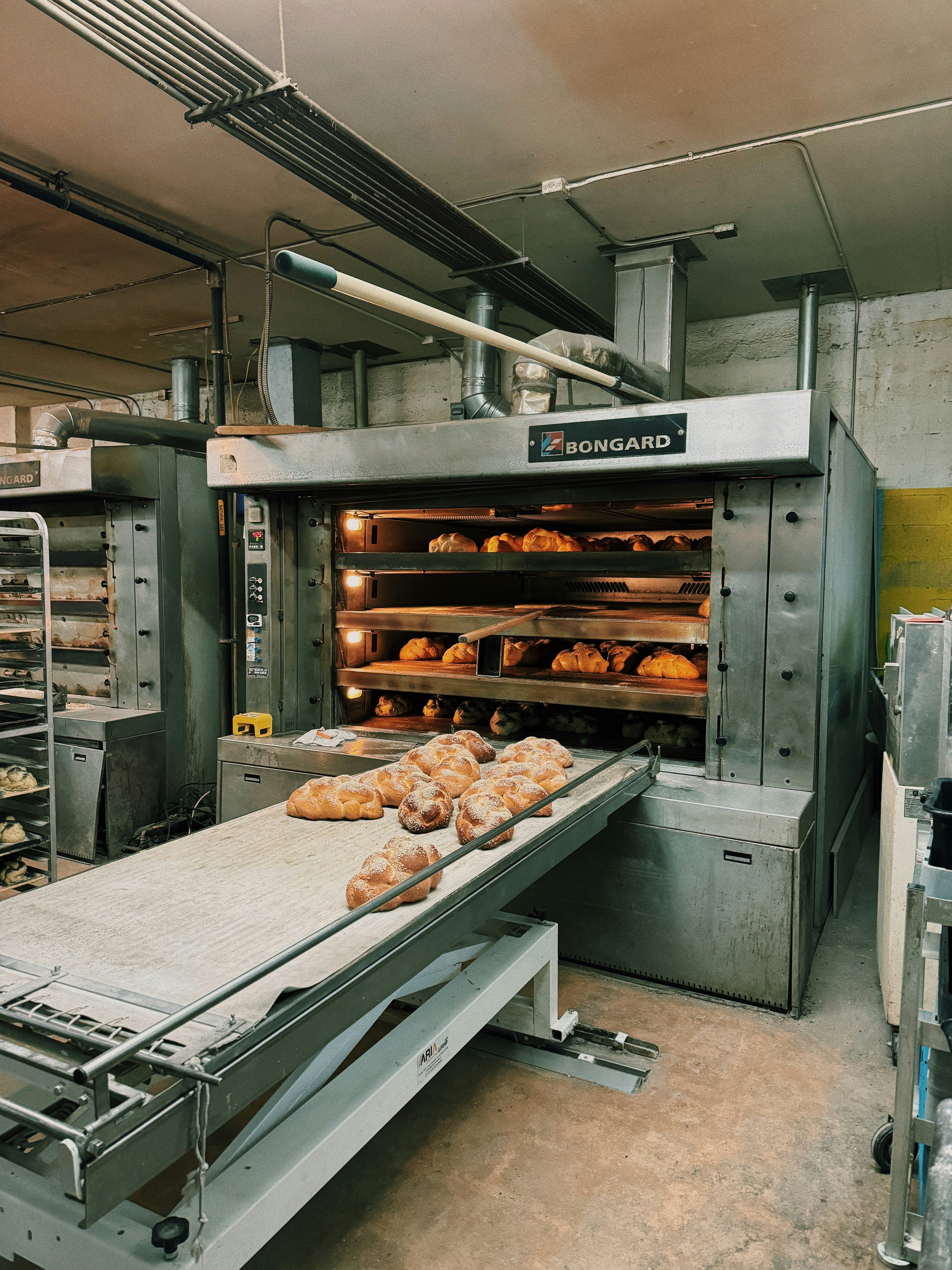
One common type is the convection oven, which uses fans to circulate heated air around the chamber. This design ensures even heat distribution, which is ideal for baking and drying operations, especially in food processing industries. Convection ovens are favored for their efficiency and ability to handle large batches, making them a preferred choice for bakeries and food manufacturers.
Another prevalent type is the batch oven, suitable for thermal processing in a variety of applications. These ovens operate on a batch basis, allowing for flexibility in processing different products, from aerospace components to electronic parts. Their capacity and temperature ranges can be adjusted to meet the varying demands of distinct industries.
Additionally, electric ovens offer precise temperature control and are often used in laboratories and pharmaceutical settings, where consistent heat application is critical. These ovens are capable of reaching high temperatures quickly and maintaining them accurately, which is essential for applications like sterilization and drying.Most industrial ovens also differentiate themselves based on their design characteristics—such as tunnel ovens for continuous production lines or high-temperature ovens for specialized heat treatments. Each type serves particular industry needs, providing tailored solutions that enhance production efficiency and product quality.
Overall, understanding the various types of industrial ovens and their applications can help industries make informed decisions when investing in thermal processing equipment, ensuring optimal performance and compliance with manufacturing standards.
Key Factors to Consider When Buying an Industrial Oven
When considering the purchase of an industrial oven, several critical factors must be evaluated to ensure that the selected equipment meets both operational requirements and business objectives. One of the foremost considerations is the budget. Industrial ovens can vary significantly in price based on their type, size, and features. Establishing a clear budget will help narrow down options and facilitate comparisons between different models and manufacturers.
Energy efficiency is another vital aspect to consider. Given the rising costs of energy, it is important to select an industrial oven that not only meets production needs but also minimizes operating expenses. Look for ovens with high energy efficiency ratings and advanced technologies that optimize energy consumption, such as insulated designs and energy-efficient heating elements.
Regulatory compliance is also a key concern. Different industries, such as food production or pharmaceuticals, have specific regulations governing the equipment used. Ensure that the chosen oven complies with all relevant safety and quality standards to avoid any legal issues.
Size and space requirements are important factors as well. Assess the workspace available for installation and determine the oven’s capacity based on the production volume. It is advisable to measure the area to ensure that there is sufficient space not only for the oven itself but also for safe operation and maintenance.
When it comes to the heating method, buyers should consider whether convection, conduction, or radiant heating best suits their operational needs. Each method has its advantages and specific applications, necessitating careful evaluation based on the end product and processing requirements.
Lastly, it is crucial to prioritize reliability in manufacturers. Investing in an industrial oven from a reputable brand ensures better quality, support, and warranty options. Additionally, consider whether customization options are available to tailor the oven to specific operational needs, which can enhance production efficiency and product quality.
Cost vs. Value: Making an Informed Purchase Decision
When investing in an industrial oven, it’s imperative to balance cost with value. The initial purchase price of an oven may appear to be the primary determining factor in the decision-making process; however, a deeper analysis reveals that the total cost of ownership encompasses multiple dimensions beyond the upfront expense.
One of the foremost aspects to consider is energy consumption. Industrial ovens vary significantly in their energy efficiency ratings. Choosing an oven that operates with optimal energy use can lead to substantial savings over time. By calculating the estimated energy costs associated with the operation of the oven, potential buyers can gauge its long-term financial impact. Investing in energy-efficient models may increase upfront costs but can yield considerable savings and a lower carbon footprint in the long run.
Moreover, maintenance costs play a crucial role in a product’s lifetime value assessment. Regular servicing, replacement parts, and repairs can accumulate quickly. Selecting an industrial oven known for its durability and ease of maintenance may mitigate these ongoing expenses. Investigating warranties and service contracts can offer insights into expected maintenance obligations, thereby influencing the overall cost of ownership.
Longevity is another key factor. The lifespan of an industrial oven directly affects its value proposition. Ovens constructed from high-quality materials typically boast longer operational life, resulting in a higher return on investment (ROI). Evaluating the expected lifespan and manufacturer’s reputation can assist buyers in determining which models will withstand the demands of their production environment.
Ultimately, evaluating the ROI requires a consideration of productivity gains and operational efficiency. A well-functioning oven can enhance production speed and product quality, translating into higher profits. Applying a detailed analysis will empower prospective buyers to make sound, informed decisions that align with their specific operational needs and budget. This holistic approach, considering both cost and value, is essential for successful long-term investments in industrial ovens.
Maintenance and Support: Ensuring Longevity of Your Investment
When investing in an industrial oven, understanding the long-term maintenance and support required for optimal performance is crucial. Regular maintenance schedules serve as a foundational aspect for ensuring the longevity of your equipment. Typically, this involves periodic inspections and cleaning, as well as timely replacement of parts that may show signs of wear and tear. By adhering to the recommended guidelines provided by the manufacturer, users can prevent minor issues from developing into significant problems that affect operational capabilities.
Common troubleshooting tips may include checking temperature calibration, examining the electrical connections, and ensuring proper ventilation. Knowing how to address these simple inconveniences can save time and reduce downtime, ultimately leading to increased productivity. Moreover, training staff on how to operate and troubleshoot the equipment can further enhance reliability and help in addressing issues efficiently when they arise.
In addition to regular maintenance, the significance of warranties and service agreements cannot be overstated. Choosing a well-structured warranty can provide peace of mind and reduce unexpected expenditures associated with repairs. Service agreements may offer regularly scheduled maintenance visits, ensuring that the oven remains in optimal condition over time. When selecting an industrial oven vendor, it is advisable to prioritize those who have a robust support system in place. This includes offering comprehensive training for staff, readily available technical support, and a responsive customer service team to assist with any inquiries or malfunctions.
By focusing on these aspects of maintenance and technical support, businesses can safeguard their investment in industrial ovens, ensuring that these vital tools continue to operate effectively throughout their intended lifespan.