


Introduction to Artisan Baking and Its Oven Requirements
Artisan baking is distinguished by its emphasis on traditional methods and high-quality ingredients, often resulting in products that are characterized by rich flavors, complex textures, and a unique aesthetic. This style of baking differs significantly from commercial baking, where consistency and mass production prevail. The heart of artisan baking lies in the handcrafted techniques, which demand a deeper understanding of fermentation, hydration levels, and the critical impact of oven conditions.
The choice of oven plays a vital role in the success of artisan baked goods. An ideal oven can significantly influence the outcome of the baking process, contributing to the desired crust, texture, and overall flavor of breads and pastries. Artisan bakers typically prefer ovens that allow for better heat retention and distribution. This is crucial for developing the crust while ensuring the interior remains moist and fluffy.
When selecting an oven for artisan baking, there are several key features to consider. Firstly, a steam injection capability is essential, as the introduction of steam during the initial baking phase aids in creating a crispy crust. Additionally, bakers should look for models that offer precise temperature control to facilitate the different baking stages. The oven’s capacity for even heat distribution is another important factor, as it prevents cold spots that could lead to uneven baking results.
Furthermore, artisan bakers often require ovens with the ability to handle high temperatures, typically exceeding 450 degrees Fahrenheit, which is essential for achieving the optimal oven spring in bread. An oven that meets these specific requirements not only elevates the baking process but also enhances the overall quality of the finished products, ensuring that they exhibit the rich characteristics synonymous with artisan baking.
Factors to Consider When Choosing an Oven for Artisan Baking
When selecting an oven tailored for artisan baking, several critical factors come into play that can significantly influence the quality of baked goods. Understanding these elements is essential for bakers who wish to elevate their craft.
Firstly, heat distribution is paramount. Artisan baking often involves techniques that require consistent and uniform heat across the entire baking surface. Ovens that employ convection technology can provide better distribution compared to conventional models, ensuring that all areas of bread or pastry receive the appropriate temperature for optimal baking.
Another crucial aspect is steam injection. Steam plays a vital role in creating a perfect crust and enhances the texture of the loaf. Many professional-grade ovens are equipped with steam-generating features, allowing bakers to introduce moisture into the oven cavity at critical stages. This feature aids in achieving the artisanal crust desired in quality breads.
Next, consider the oven size and capacity. Depending on production needs, bakers may require ovens that can accommodate multiple loaves simultaneously. Larger commercial units can accommodate batch production, while smaller home ovens may suffice for individual baking. Ensuring the size aligns with the intended use is vital for functionality.
Temperature control is also significant. Artisan baking often demands precise temperature adjustments. An oven with digital controls or analog dials that provide accurate readings can make a notable difference in the baking process. The ability to maintain stable temperatures is essential for consistent results.
The build material of the oven should not be overlooked. Materials that hold and radiate heat effectively, such as ceramic or stainless steel, contribute positively to baking outcomes. Lastly, consider energy efficiency. As energy costs rise, selecting an oven that maintains high performance without excessive energy use is both economical and environmentally sound.
Types of Ovens Suitable for Artisan Baking
Artisan baking requires specific characteristics from an oven to achieve the desired results. Various types of ovens are available, each with its own set of advantages and disadvantages that cater to different baking needs.
Conventional ovens are the most common household ovens. They work by surrounding the food with hot air, providing an even cooking experience. While they are versatile and suitable for a range of baking projects, they may not deliver the precise temperature control that artisan bakers often seek.
Convection ovens, on the other hand, utilize a fan to circulate hot air, leading to more uniform heat distribution. This feature can be particularly beneficial when baking multiple trays of items at once. However, the faster baking times can sometimes lead to overly browned crusts if not monitored closely.
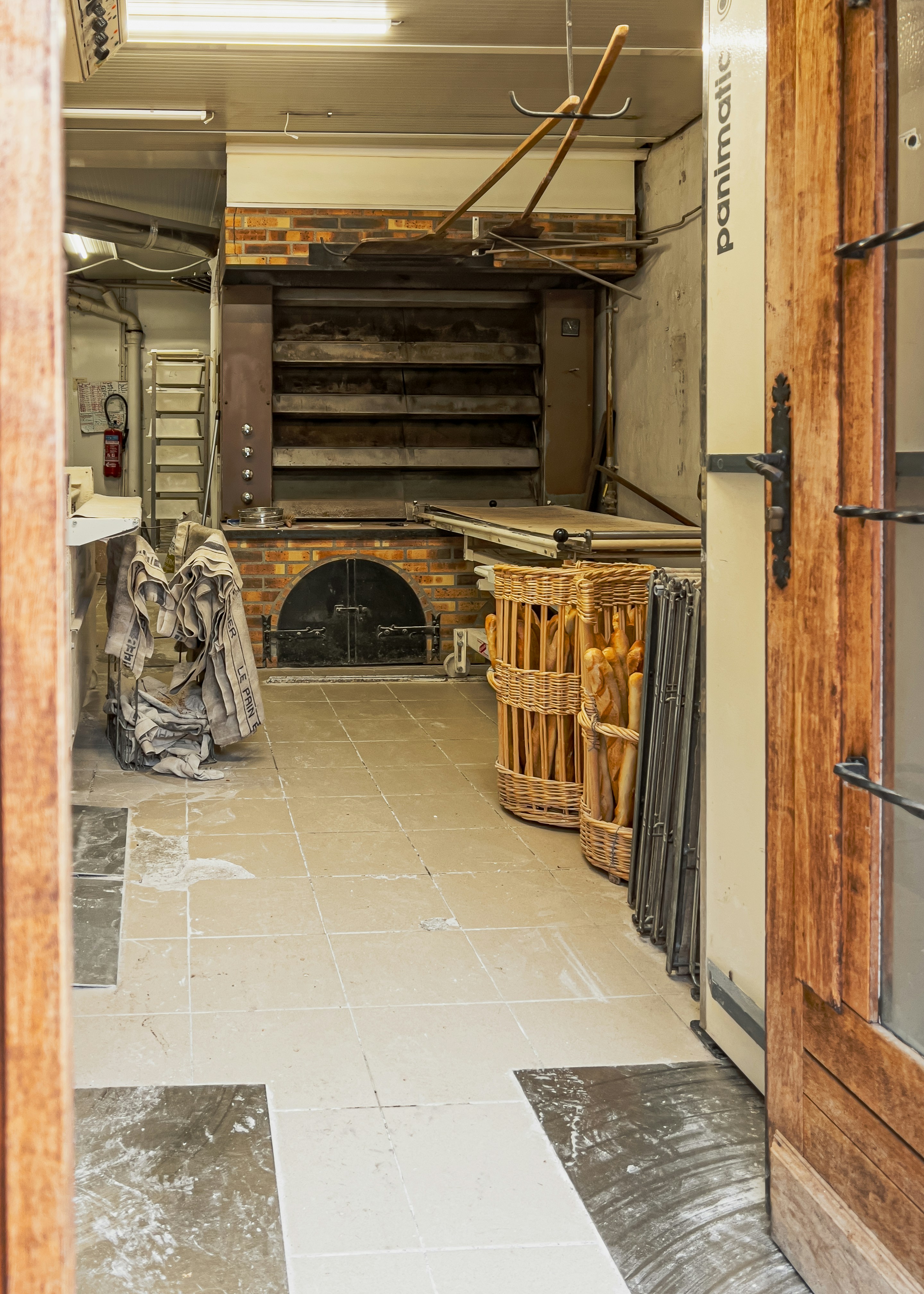
Deck ovens are a popular choice among professional artisan bakers. These ovens feature solid stone decks that mimic the thermal qualities of traditional wood-fired ovens. The even heat retention from deck ovens allows for excellent crust development and is ideal for rustic bread and artisan pastries. Nonetheless, the initial cost and the need for more space can be limiting factors for home bakers.
Steam ovens offer unique advantages for artisan baking, as they can inject steam into the baking chamber. This environment creates moisture during the initial phase of baking, which is crucial for achieving a crisp crust and a chewy interior in bread. While steam ovens can provide superior baking results, they are typically more expensive than other types of ovens.
When selecting an oven for artisan baking, it is essential to consider the type of baking you plan to do, your budget, and the amount of space available in your kitchen. Each oven type has its strengths and weaknesses, making it important to choose one that aligns with your specific baking goals.
Top 5 Ovens for Artisan Baking
When selecting an oven for artisan baking, there are several factors to consider, ranging from temperature control to steam injection capabilities. Here, we present a curated list of the top five ovens that stand out for their performance, features, and overall suitability for various baking techniques.
1. KitchenAid KCO255SS Toaster Oven
The KitchenAid KCO255SS is a versatile countertop oven that is highly recommended for artisan bakers. With a convection setting, it promotes even heat distribution, essential for achieving a perfectly baked loaf. The oven features a spacious interior that can accommodate a 9-inch pizza or nine slices of bread. Its precise temperature control enhances baking accuracy, making it suitable for both casual and serious artisans.
2. Breville BOV900BSS Smart Oven Air
The Breville Smart Oven Air boasts advanced technology, including an enormous 1 cubic foot capacity and multiple cooking functions. The convection feature ensures optimal heat circulation, which is crucial for artisan baking styles such as sourdough or baguettes. Additionally, its dehydrating function is a unique asset for bakers looking to create artisanal snacks.
3. Wolf M Series Built-In Oven
For those seeking a professional-grade option, the Wolf M Series delivers exceptional performance. This range incorporates dual convection fans for consistent temperature maintenance and a precise temperature probe. Its ability to create steam during the initial phases of baking facilitates a superior crust, perfect for artisan breads.
4. Panasonic NU-Wave Oven
The Panasonic NU-Wave Oven stands out due to its innovative design and compact size. It features a unique design that circulates air more efficiently than standard ovens, resulting in quicker cooking and baking times. This makes it a great choice for bakers who want to experiment with different artisan recipes.
5. Ooni Koda 16 Pizza Oven
Specially designed for pizza enthusiasts, the Ooni Koda 16 oven heats up to 932°F in just 20 minutes and can bake an artisanal pizza in around 60 seconds. Its portability and easy setup make it a fantastic option for those who appreciate the nuances of high-temperature baking.
When choosing among these top five ovens, consider your specific artisan baking needs, including the types of bread or pastries you intend to create. Each oven offers unique benefits, ensuring that both home bakers and professionals can find a suitable option for their culinary endeavors.
Budget-Friendly Options for Aspiring Artisan Bakers
For many aspiring artisan bakers, purchasing a high-quality oven can seem daunting, especially when trying to maintain a budget. Fortunately, there are several lesser-known brands and models that offer a combination of great features and affordability, making them excellent choices for those stepping into the world of artisan baking.
One such option is the Ooni Karu 12, which, despite being primarily known for its pizza capabilities, also excels at bread baking thanks to its high temperatures and wood-fired option. It is portable and offers versatility, allowing bakers to experiment with various artisan recipes without breaking the bank. Brands like Breadman and Black+Decker have also created compact ovens that cater specifically to home bakers looking for features like convection heating and pre-programmed settings for artisan bread.
Another budget-friendly choice is the Baker’s Pride ovens, which are widely recognized in commercial kitchens but can be found at reasonable prices for home use. These models often include stone baking surfaces and precise temperature controls, ideal for achieving that perfect artisan crust. When selecting an oven, focusing on crucial features such as even heat distribution, multiple baking modes, and ease of cleaning can lead to more productive baking sessions.
For aspiring bakers looking to maximize their investment, purchasing a used or refurbished oven can be an excellent way to save money while still obtaining a high-quality machine. Researching local listings, participating in baking groups, and visiting thrift shops can yield great finds. Additionally, taking advantage of seasonal sales or shopping during major clearance events can help aspiring artisan bakers secure the best value for their money.
Maintenance and Care for Artisan Baking Ovens
Proper maintenance and care are essential for ensuring the longevity and optimal performance of ovens specifically designed for artisan baking. Artisan baking ovens are typically more intricate than conventional household ovens, often featuring specialized components that require diligent upkeep. Regular cleaning and maintenance practices can help preserve the integrity of these ovens, allowing bakers to achieve the best results possible in terms of flavor, texture, and overall quality.
One fundamental aspect of maintaining an artisan baking oven is routine cleaning. Flour, sugar, and other baking residues can accumulate over time, impacting the oven’s performance. It’s advisable to periodically wipe down the interior walls of the oven after each use, especially if bread dough or other sticky substances are involved. For the exterior, a gentle cleaner can help remove any buildup without damaging the surface finish.
Another critical aspect is to regularly check the oven’s heating elements, ventilation, and insulation. For instance, ensuring proper airflow can prevent overheating and uneven baking results. For wood-fired ovens, it’s crucial to inspect the flue and chimney for blockages. Maintaining the insulation is key to energy efficiency and heat retention, directly affecting the baking temperatures.
Bakers should also be aware of common mistakes that could lead to damage. For instance, using metal utensils on non-stick surfaces can scratch the finish and shorten the oven’s life. Additionally, neglecting to address small issues, such as a faulty thermostat, can escalate and lead to costly repairs or replacements. Therefore, being proactive and attentive to the needs of your artisan baking oven will pay off in the long run, ensuring every loaf of bread, baguette, or pastry is baked to perfection.
Testimonials from Artisan Bakers
Artisan bakers often have a deep appreciation for their craft, and the oven they choose can significantly influence their baking experience. Many bakers have shared their personal stories about how their ovens have enhanced both their results and their love for baking. For instance, veteran baker Mary Thompson recalls her transition to a convection oven: “Switching to a convection oven opened up a whole new world for me. The even heat distribution allows for perfectly risen loaves every time, and my pastries come out with a delightful golden crust. It has truly transformed my baking routine, making it more enjoyable and less stressful.”
Another notable testimonial comes from Alex Chen, a professional artisan bread maker. He emphasizes the importance of precise temperature control: “I invested in a steam-injected oven that replicates the conditions of a traditional brick oven. The steam is vital for developing crust, and I’ve seen a substantial difference in my sourdough’s texture and flavor. It’s incredible how the right oven can elevate your craft. My customers have definitely noticed the improvement!”
Newer bakers are also finding success with the right tools. Emily Gray, a home baker who has recently begun selling her bread at local markets, shares her experience: “I opted for a countertop pizza oven that was surprisingly affordable. It heats up quickly and has made my baking much more efficient. Not only do I produce great artisan pizzas, but I’ve also mastered baguettes thanks to its temperature settings. I’ve received so much positive feedback from friends and customers that it’s encouraged me to pursue baking more seriously.”
These testimonials illustrate how the right oven can make a world of difference in the baking process. Whether it’s improved texture, better flavor, or simply a more enjoyable baking experience, each baker’s story emphasizes the significance of selecting an oven that aligns with their unique baking goals. With the right equipment, artisan bakers can truly bring their creations to life.
Frequently Asked Questions About Ovens for Artisan Baking
When it comes to artisan baking, choosing the right oven can significantly influence the final product. Here are some common questions that many bakers, both novice and experienced, ask about ovens dedicated to this craft.
What temperature settings are optimal for artisan baking? Artisan baking typically requires specific temperature settings for different baked goods. For bread, a temperature range of 425°F to 475°F is often recommended. The higher heat contributes to the crust formation, giving artisan bread its characteristic appearance and texture. However, some delicate pastries may require lower temperatures, usually between 350°F and 375°F, to prevent burning while ensuring thorough cooking.
How do I determine baking times for different recipes? Baking times can vary significantly based on the type of oven and the recipe used. Generally, it’s a good practice to refer to specific recipe guidelines regarding baking duration. In addition, considering factors such as the oven’s heat distribution and the size of the baked goods will provide a more accurate baking time. Utilizing an oven thermometer can be beneficial to ensure the oven is at the correct temperature throughout the baking process.
What common troubleshooting issues should I be aware of? One of the most common issues bakers face is uneven baking. This can occur due to hot spots in the oven, which may require you to rotate your trays during the baking process. Another frequent problem is over or under-baking; the solution often lies in utilizing an oven thermometer to monitor the actual oven temperature. If bread is not rising properly, double-check yeast freshness, as this can heavily influence the fermentation process.
By addressing these frequently asked questions, bakers can gain a better understanding of how to utilize their ovens effectively for artisan baking, regardless of their skill level.
Conclusion and Final Thoughts on Choosing the Best Oven
Choosing the right oven for artisan baking is a critical decision that can influence the quality and texture of your baked goods. Throughout this guide, we have explored various types of ovens available on the market, each offering unique features that cater to different baking styles and preferences. Essential factors to consider include heat distribution, temperature control, and the oven’s ability to maintain consistent baking conditions. Each of these elements plays a significant role in achieving the desired results in artisan baking.
It is vital for bakers to assess their individual needs and preferences before making a choice. While some may prioritize a wood-fired oven for its traditional appeal and smoky flavor, others may prefer a convection oven for its efficiency and ability to bake multiple items evenly. The decision should align with not only the baking style but also the space available and the budget set for the purchase.
Additionally, considering extended factors like ease of use, cleaning, and maintenance can further enhance your baking experience. As you move forward in selecting the best oven for your artisan baking journey, do not hesitate to seek advice, read reviews, or even visit showrooms for hands-on experience. The right oven will not only empower you to create delectable breads and pastries but will also inspire creativity and mastery in your baking endeavors.
In conclusion, when you thoughtfully evaluate your requirements, preferences, and the specific characteristics of different ovens, you will be well-equipped to make an informed decision. Embrace this journey into artisan baking, and may your oven become a cherished tool in creating delightful masterpieces.