


Develop a Business Plan
Creating a comprehensive business plan is an essential first step when launching your bakery. This document will serve as a blueprint for your operations, guiding you through the initial stages and ensuring a structured approach to reaching your goals. At the core of your business plan should be a clear definition of your business model. Consider if you will operate as a retail bakery, wholesale supplier, or perhaps a bakery-café combination. Identifying your business model will influence various aspects of your operations, from inventory management to your marketing strategies.
Equally important is identifying your target market. Understanding who your customers are will help you tailor your products and services to meet their needs. Conducting market research can provide valuable insights. Look at demographic information, purchasing behaviors, and consumer preferences specific to the bakery sector. This analysis can help you refine your offerings and create a competitive edge.
Moreover, analyzing competitors is a vital aspect of your business plan. By researching existing bakeries in your vicinity, you can identify gaps in the market, trends in product offerings, and pricing strategies. This competitive analysis will allow you to differentiate your bakery and establish a unique selling proposition that resonates with your target audience.
Lastly, developing a financial plan is crucial. This will include projections for startup costs, revenue forecasts, and a detailed analysis of ongoing expenses. A well-thought-out financial plan is not only beneficial for your operational strategy but it also serves as a convincing tool to attract potential investors and secure financing. Banks and investors will seek assurance that your bakery can operate sustainably, and a solid financial plan can provide that reassurance. Overall, a comprehensive business plan will lay the groundwork for your bakery’s prospective success.
Choosing the Right Location for Your Bakery
When starting a bakery, selecting the right location is crucial for ensuring its success and profitability. Various factors directly influence a bakery’s performance, making location a key element of your business strategy. One of the foremost considerations is foot traffic; establishing a bakery in a busy area with substantial pedestrian flow enhances visibility and attracts potential customers. Assessing the volume of passing traffic at different times of the day can provide valuable insight into potential sales opportunities.
Accessibility is another vital factor. A bakery should be easily reachable for customers, whether they are driving, walking, or using public transportation. Consider the availability of parking spaces and the convenience of entrances. A location that accommodates customer flow can significantly impact your sales.
Understanding local demographics helps tailor your offerings to meet the needs of your target market. Researching the surrounding population—including age, income levels, and preferences—will guide you in selecting products that resonate with your potential customers. It also aids in shaping marketing strategies that effectively engage with the community.
Compliance with zoning laws is equally important. Before committing to a space, ensure the location is zoned for a bakery operation. Familiarizing yourself with local regulations can help avoid any legal hurdles that may arise after establishing your business.
Examining the proximity to competitors is essential in determining your bakery’s potential market share. While being close to other bakeries can indicate a saturated market, it can also attract more customers eager for variety. Knowing your competition allows you to identify gaps in the market and position your bakery distinctively.
Finally, when assessing potential locations, negotiate lease agreements with foresight. Securing favorable terms can mitigate long-term expenses and provide greater flexibility as your business grows.
Acquire Necessary Permits and Licenses
Starting a bakery involves a series of regulatory requirements that are crucial for legal operation. The first step in this process is to secure the necessary permits and licenses mandated by local, state, and federal authorities. Each of these layers of regulation plays an essential role in ensuring that your bakery meets health standards, safety regulations, and business requirements.
One of the primary permits needed is a food service license, which validates that you are allowed to prepare and sell food to the public. This license typically requires an inspection of your kitchen and baking areas to ensure they meet safety and health codes. Depending on your location, the requirements for obtaining this license may vary significantly, making it essential to contact your local health department to understand the specific regulations that apply.
In addition to a food service license, a health permit is often necessary. This permit grants you the authority to operate in compliance with health department regulations, which are particularly stringent for businesses that handle food. This involves passing inspections and adhering to proper sanitation and food handling procedures.
Furthermore, registering your bakery as a legal business entity is crucial. Depending on your state, this may involve registering your business name, forming an LLC, or obtaining a federal Employer Identification Number (EIN). Such registrations not only legitimize your business but also provide essential legal protections.
Maintaining compliance with these regulations is equally important to ensure smooth operations. Regular renewal of permits and licenses, along with keeping abreast of changes in local laws, will help avoid legal complications down the road. By investing the time and effort into understanding and acquiring the necessary permits and licenses, you position your bakery for long-term success in a competitive marketplace.
Setting Up Bakery Operations and Supply Chain
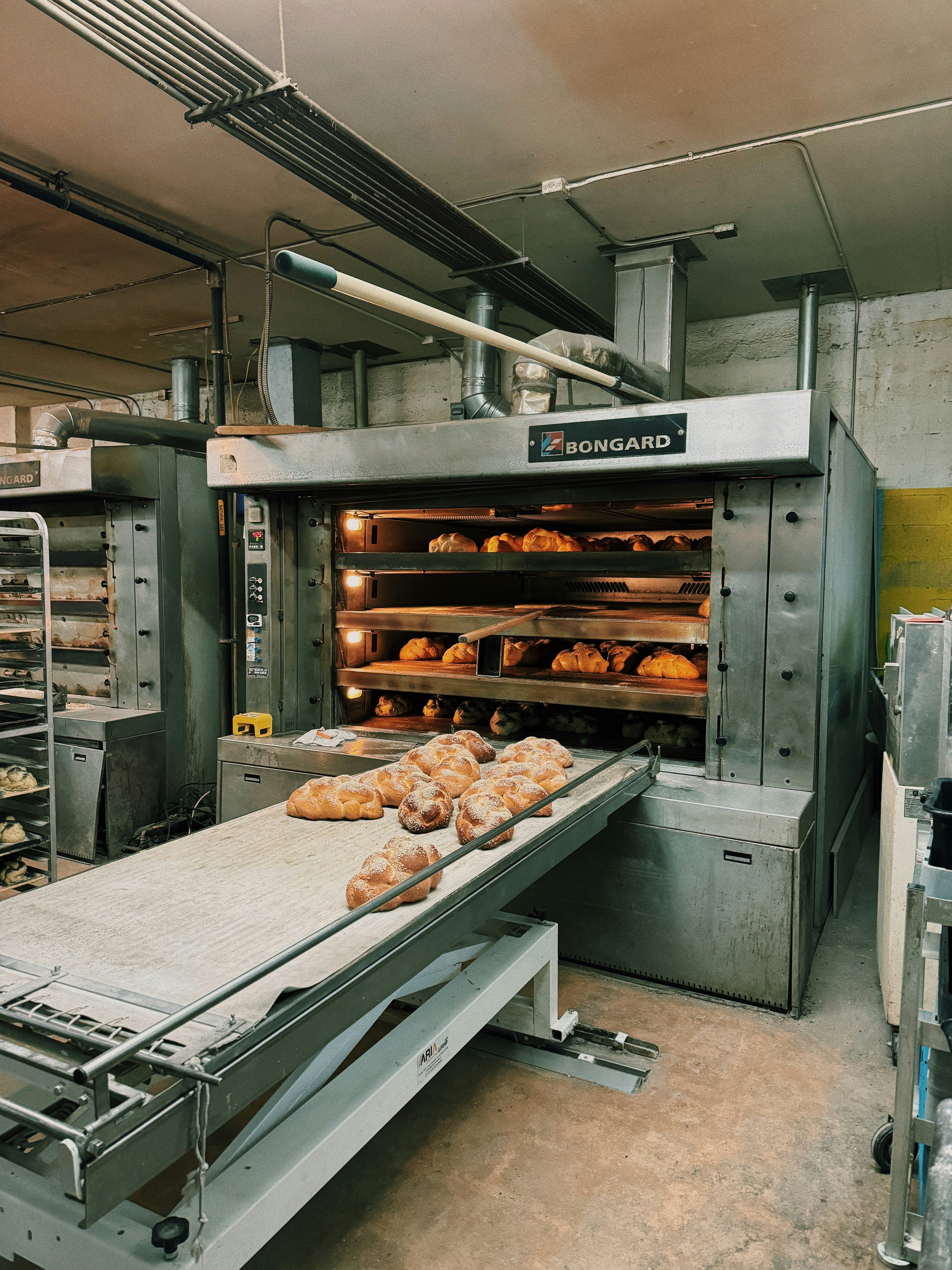
Establishing an efficient bakery operation is crucial for the success of your baking business. To create a streamlined workflow, begin by designing an effective layout for your bakery. Consider the flow of ingredients from receiving to storage, and from there to the preparation and baking areas. Ensure that your workspace maximizes productivity while adhering to health and safety regulations. Elements such as the positioning of machinery, work surfaces, and storage areas should facilitate easy access to all necessary components during various stages of your baking process.
Selecting the right equipment is another critical component of bakery operations. The equipment you choose will depend on the types of baked goods you plan to produce. Essential items may include ovens, mixers, proofers, and refrigeration units, among others. It is imperative to invest in high-quality equipment that can withstand the demands of your production schedule while providing consistent results. Additionally, consider the energy efficiency of your equipment to minimize operational costs.
Sourcing high-quality ingredients is paramount in maintaining the quality of your baked goods. Establish relationships with reliable suppliers who can provide fresh, premium-quality materials consistently. Be sure to evaluate multiple suppliers to achieve the best price and quality balance. It may be beneficial to explore local sources for ingredients, as they can often provide fresher options and support a sustainable business model.
Moreover, setting up an effective inventory management system is essential for ensuring that your bakery operations run smoothly. A well-organized system allows you to track ingredient usage, monitor stock levels, and predict future needs, thus helping to avoid shortages or overstocking. By managing your inventory carefully, your bakery can maintain a steady flow of supplies and deliver baked goods reliably to your customers, ensuring business continuity and customer satisfaction.