


Introduction to Dough Mixers
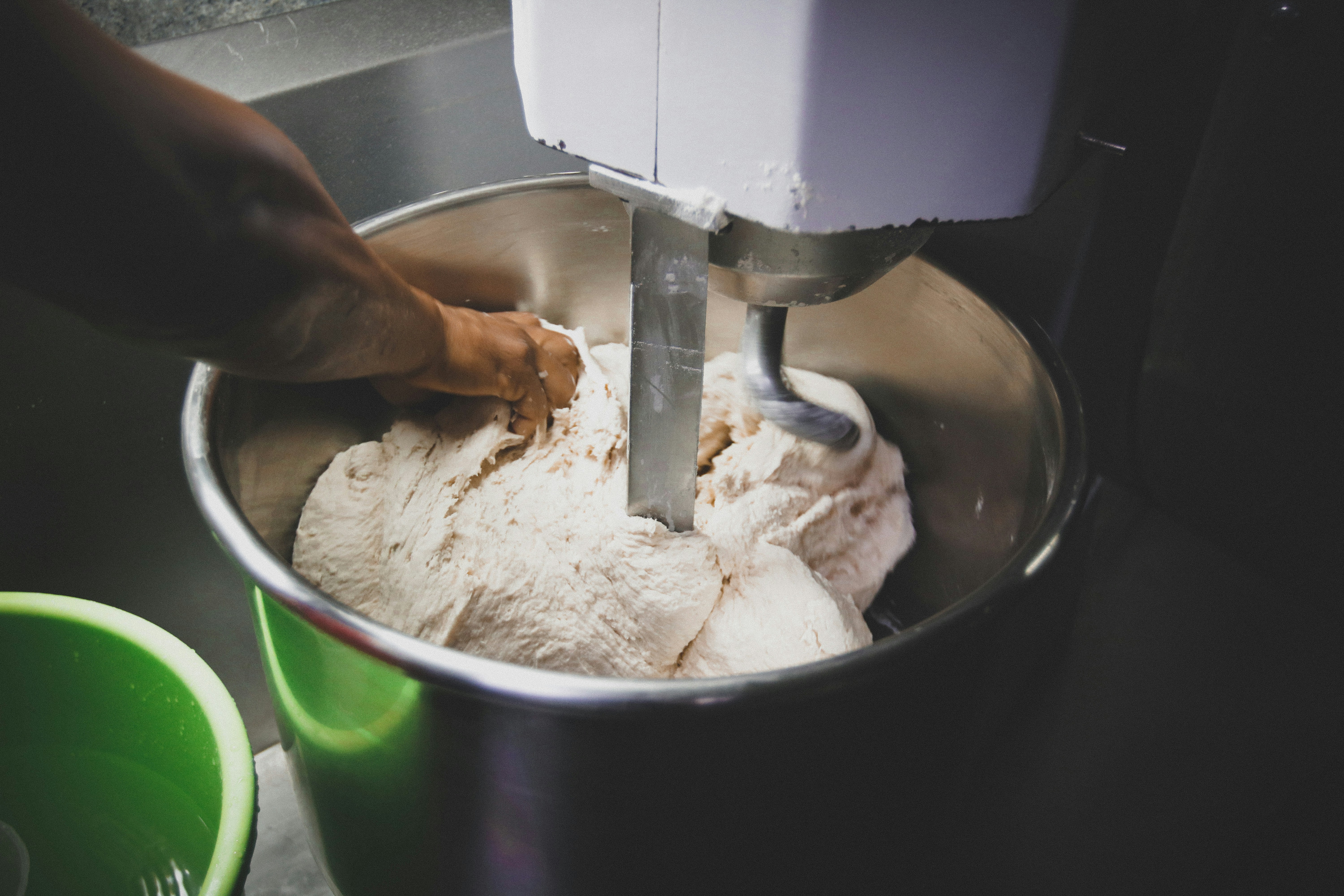
Dough mixers are essential kitchen appliances designed to streamline and enhance the process of preparing dough for various baked goods. For both baking enthusiasts and professional chefs, the significance of a reliable dough mixer cannot be overstated. These mixers not only save time and effort but also ensure that the dough is mixed uniformly, which is crucial for achieving the desired texture and consistency in products such as bread, pastries, and pizza.
The importance of using a dough mixer in baking practice is underscored by the precision it offers. Manual mixing can often lead to inconsistencies, while a dough mixer provides the right amount of kneading and timing required for optimal dough development. This is particularly beneficial when working with larger batches or denser dough, where manual mixing may not be feasible.
There are various types of dough mixers available in the market, each tailored to meet different needs and preferences. Stand mixers, for example, are popular among home bakers for their versatility, often equipped with a variety of attachments that cater to specific mixing tasks. Bench mixers, on the other hand, are typically used by professionals in commercial kitchens for heavy-duty applications, thanks to their robust build and larger capacity. Furthermore, spiral mixers are designed to knead large quantities of dough efficiently and are commonly used in bakeries.
Overall, selecting the right dough mixer involves understanding the styles available and effectively assessing your baking requirements. This guide aims to assist readers in comprehending the intricate world of dough mixers and making informed purchasing decisions that align with their baking aspirations.
Types of Dough Mixers
Dough mixers are essential tools in both home and professional kitchens, facilitating the preparation of a variety of baked goods. There are several types of dough mixers available, each designed to cater to specific needs and applications.
One of the most common types is the stand mixer. Stand mixers are stationary appliances that come equipped with a powerful motor, which can knead dough with strength and consistency. They often include multiple attachments, such as dough hooks and whiskers, providing versatility for handling different types of mixtures, from bread dough to cake batters. The size and capacity of stand mixers can vary significantly, making them suitable for both small and large-scale baking tasks.
Handheld mixers are another popular option, particularly for those with limited kitchen space. These lightweight appliances are portable and easy to store, making them ideal for small baking projects. Although handheld mixers may not have the same power as stand mixers, they can efficiently mix lighter doughs and batters. Many models also include various speed settings, allowing for greater control over the mixing process.
For commercial baking operations, heavy-duty commercial dough mixers are the preferred choice. These machines are engineered to handle large quantities of dough, making them suitable for bakeries and food production facilities. They can feature a range of functionalities, including planetary mixing or spiral mixing systems, designed to achieve optimal dough development for various products, such as bagels, bread, and pastries. Such commercial dough mixers typically offer superior durability and consistency, essential for meeting the demands of high-volume production.
In conclusion, selecting the right type of dough mixer depends on the specific baking needs, kitchen space, and volume of production. Evaluating the various types such as stand mixers, handheld mixers, and commercial dough mixers will help individuals make an informed decision that best suits their culinary endeavors.
Key Features to Consider
When selecting a dough mixer, it is essential to evaluate several key features that significantly impact its performance and usability. These attributes not only influence the effectiveness of dough mixing but also enhance the overall baking experience.
One of the primary considerations is the bowl size. The capacity of the mixing bowl determines how much dough you can prepare in a single batch. For home bakers, a bowl with a capacity of 4 to 5 quarts is typically sufficient, while larger capacities are advantageous for commercial use or when baking large quantities. A spacious bowl allows for the mixing of larger quantities of ingredients without the risk of spillage.
Next, wattage is a crucial factor that influences the mixer’s power. Higher wattage generally equates to better performance, especially when mixing dense doughs, such as those for bread. A mixer with at least 300 watts will typically handle a variety of doughs effectively, reducing the strain on the motor and prolonging the appliance’s lifespan.
Speed settings are another vital feature to consider. A dough mixer with multiple speed options provides versatility for various mixing tasks, allowing you to start at a slower speed to combine ingredients and then accelerate for proper kneading. This control over speed is essential for achieving the desired dough consistency and texture.
Lastly, consider the attachments that come with the dough mixer. Common attachments include dough hooks, whisk attachments, and flat beaters. These tools are designed for specific tasks, such as kneading or mixing, and having a variety of options can enhance the mixer’s functionality, making it more adaptable for different recipes.
By carefully assessing these features—bowl size, wattage, speed settings, and attachments—you can select a dough mixer that meets your baking needs and enhances your culinary endeavors.
Budget Considerations
When embarking on the journey to purchase a dough mixer, one of the most significant aspects to consider is your budget. Dough mixers are available in a wide range of prices, from basic models to professional-grade machines, reflecting variations in features, durability, and manufacturing quality. Understanding these price tiers can help you make a more informed decision based on your needs and financial constraints.
At the lower end of the market, typically priced between $50 and $150, you can find compact and lightweight mixers suitable for occasional baking needs. These models are generally equipped with basic mixing functionalities, making them ideal for hobbyists or those just starting out. However, buyers should be cautious as lower-priced mixers often lack robustness and may struggle with larger batches or heavier doughs.
In the mid-range segment, usually costing between $150 and $500, you will discover more durable mixers that can handle a wider variety of dough types, including bread and pizza dough. These machines often come with stronger motors, various speed settings, and additional attachments, providing versatility for more frequent and involved baking. Brands in this category tend to offer a good balance between quality and cost, making them popular among avid home bakers.
For those willing to invest significantly, high-end dough mixers start at around $500 and can exceed $1,500, depending on features and brand reputation. Professional models boast greater power, larger capacities, and enhanced ergonomic designs, catering primarily to commercial bakeries or serious baking enthusiasts who require consistent and high performance.
When determining the best value for your budget, it is crucial to consider your baking frequency and needs. Assessing potential mixer features against your requirements will help ensure an informed purchasing decision that aligns with your financial situation while fulfilling your baking ambitions.
Brand Recommendations
When considering the purchase of a dough mixer, the reputation of brands plays a crucial role in ensuring quality and performance. Among the industry leaders is Kitchenaid, renowned for its robust stand mixers that commonly feature a dough hook. Models such as the Kitchenaid Artisan stand mixer are widely praised for their durability and versatility, making them ideal for both casual bakers and professionals.
Another reputable brand is Bosch, known for its innovative design and powerful performance. The Bosch Universal Plus Mixer, with its high torque and extensive accessories, is particularly favored among serious bakers. It is engineered to handle large quantities of dough effortlessly, setting it apart from many competitors.
Hamilton Beach also deserves mention, particularly for those seeking more budget-friendly options without compromising remarkable quality. Their stand mixers, such as the Hamilton Beach Electric Mixer, provide excellent performance for their price range and feature multiple speed settings and attachments for various baking tasks.
For professionals, Vollrath mixers are often the choice of bakeries and commercial kitchens. Their professional-grade dough mixers and planetary mixers are designed for heavy-duty use, capable of mixing large batches of dough with efficiency and speed. Vollrath’s focus on durability and user-friendliness makes their products highly regarded in the culinary world.
Lastly, Sunbeam serves as a go-to for entry-level mixers. The Sunbeam MixMaster offers a blend of affordability and functionality, suitable for home bakers looking to experiment with different dough types without significant investment.
Choosing the right dough mixer ultimately depends on individual needs. Each of these brands provides a diverse range of models, ensuring that there is an option available to suit various baking requirements, budgets, and preferences.
User Reviews and Testimonials
User reviews and testimonials play a significant role when it comes to selecting the right dough mixer. They provide potential buyers with valuable insights based on the experiences of past customers. As you contemplate your options, understanding how to interpret these reviews effectively becomes essential in making an informed decision.
Many manufacturers and retailers provide platforms for users to submit their feedback, sharing their experiences with a specific dough mixer model. While browsing through these reviews, look for patterns in the feedback provided. Commonly mentioned features, both positive and negative, can help identify the performance, durability, and efficiency of the mixers. A significant number of high ratings often indicate a product that meets or exceeds user expectations.
However, it is equally critical to approach reviews with a discerning eye. Examine the credibility of the testimonials. Verified purchases and detailed descriptions of the experiences typically lend more weight to the review. Be cautious of overly positive or negative reviews that lack substance, as they could be biased or fictitious. Look for reviews that discuss specific usage scenarios, such as the types of dough prepared or the duration of use, as this information can further clarify the product’s suitability for your intended purposes.
User testimonials can also highlight aspects that specifications alone may not reveal, such as the ease of cleaning, noise level during operation, or customer service experiences with the manufacturer. These elements can significantly affect your overall satisfaction with the dough mixer.
In summary, user reviews and testimonials are invaluable tools in your dough mixer buying journey. By understanding how to analyze these insights, you can make a well-rounded decision that best fits your baking needs. Paying attention to the collective experiences shared by other users will provide a clearer picture of which dough mixer is best for you.
Maintenance and Care Tips
To ensure the longevity and optimal performance of your dough mixer, it is essential to follow proper maintenance and care practices. Regular upkeep not only enhances the efficiency of the mixer but also safeguards your investment in the long run.
After each use, start by disassembling the mixer to clean all detachable parts, such as the mixing bowl, dough hook, and other attachments. Utilize warm soapy water and a soft cloth or sponge for cleaning. Avoid using abrasive materials that could scratch the surface of these attachments. For stubborn residues, allow the components to soak in warm water before scrubbing gently.
It is crucial to also pay attention to the motor casing and base of the dough mixer. Wipe these areas with a damp cloth to remove any flour or grease buildup. Ensure the mixer is unplugged while performing this task to prevent any electrical mishaps.
When it comes to daily usage, adhere to the manufacturer’s guidelines regarding the mixing capacity and time to prevent overworking the motor. Each mixer has a specific power limit, and exceeding it can lead to premature wear and tear. Additionally, avoid running the mixer for extended periods without breaks, as this can cause overheating.
For mixers equipped with gears or belts, regular inspection is advisable. Make sure these components are lubricated according to the manufacturer’s specifications. This maintenance can help prevent noise and ensure smooth operation during mixing.
Lastly, store your dough mixer in a cool and dry place, protected from moisture and extreme temperatures. Keeping the mixer covered will also help keep it clean and ready for your next baking session. Implementing these maintenance and care tips will not only prolong the life of your dough mixer but will also help you achieve consistent baking results.
Where to Buy Dough Mixers
When considering the purchase of a dough mixer, consumers have several options at their disposal, each offering unique advantages and considerations. Both online retailers and physical stores present viable pathways for acquiring these essential kitchen appliances.
Online shopping has grown tremendously in popularity, offering convenience and a broader selection of dough mixers. Websites such as Amazon, eBay, and specialized kitchen appliance retailers provide comprehensive product descriptions, customer reviews, and competitive pricing. The digital space allows you to compare various models effortlessly, which can help in making an informed purchase decision. Furthermore, many online platforms offer special deals, discounts, and season sales that can significantly lower the cost of your chosen mixer.
Physical stores, such as large retail chains and specialty kitchen supply shops, also hold a significant place in the buying process. Shopping in person allows customers the opportunity to examine the dough mixer firsthand, discerning its size, weight, and functionality. In addition, customer service representatives can provide immediate answers to inquiries, suggestions for models, and highlight the benefits of each type. Furthermore, some consumers prefer to avoid shipping fees and delays associated with online transactions, opting instead for the in-store experience.
Regardless of the purchasing avenue chosen, it is vital to examine the store’s warranty and return policies. A comprehensive warranty can offer peace of mind, while flexible return rules allow for exchanges or refunds if the mixer does not meet expectations. Understanding these elements will ensure that you are not only getting a suitable dough mixer but also protecting your investment in a kitchen essential.
Conclusion and Final Tips
As we conclude this comprehensive dough mixer buying guide, it is essential to review the critical aspects that can help you make an informed decision. The dough mixer is a vital tool for both professional bakers and home cooking enthusiasts; hence, selecting the right one can significantly enhance your baking experience. When considering a dough mixer, the first step is to evaluate your individual needs. Think about the types of recipes you intend to prepare, the quantity of dough you will be mixing, and the frequency of use. This assessment will help in identifying whether a stand mixer, hand mixer, or commercial-grade option is best suited for you.
Next, make sure to consider the features that are most important for your baking style. Look for mixers that offer variable speed settings, various attachments, and a strong motor. The ease of cleaning and storage solutions also play a significant role; therefore, ensure that the unit you select aligns with your kitchen’s layout and cleaning preferences. Durability and warranty provisions are areas that should not be overlooked. Investing in a high-quality dough mixer can save you hassle and expense in the long run.
Lastly, take the time to explore customer reviews and ratings of the models you are interested in. This feedback can provide valuable insight into the performance and reliability of specific dough mixers. In conclusion, by carefully assessing your baking habits, preferences, and available options, you will be well-equipped to choose the perfect dough mixer that complements your culinary adventures.