


Introduction to Commercial Deep Fryers
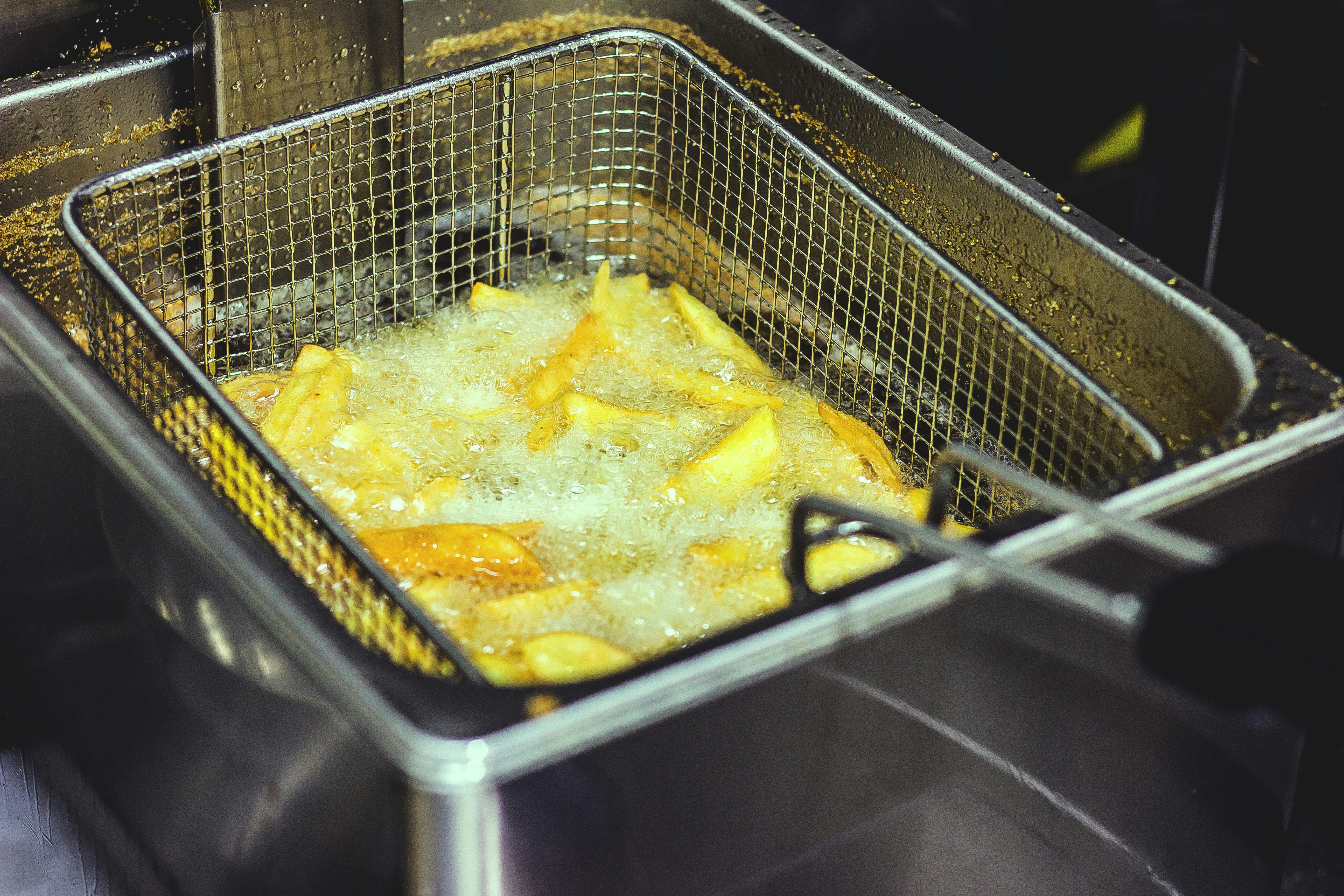
Commercial deep fryers are essential appliances in the restaurant industry, designed to efficiently cook a variety of foods through the frying process. They are capable of delivering high-quality cooking results, making them a staple in many commercial kitchens. From crispy French fries to flavorful fried chicken, deep fryers allow restaurants to produce popular menu items that require precise temperature control and consistent frying techniques.
One of the primary reasons for their importance is their ability to handle large volumes of food, addressing the demands of busy dining establishments. The efficiency of these devices facilitates quick and even cooking, ensuring that dishes come out perfectly every time. In addition to frying potatoes and proteins, deep fryers are also suitable for preparing doughnuts, calamari, and myriad other delicacies that require a good fry.
When selecting a commercial deep fryer, several key features must be considered. Capacity is crucial, as it determines how much food can be cooked at one time, thereby impacting overall kitchen efficiency. Depending on the volume of business, restaurants may opt for small, medium, or large fryers to meet their needs.
Heating methods are also a significant factor; gas and electric fryers each have their advantages, including ease of cleaning and energy consumption. Moreover, the quality of materials used in the construction of the fryer is important for durability and food safety. Stainless steel is often favored for its resistance to corrosion and ease of maintenance. Therefore, when choosing a commercial deep fryer, restaurant owners should consider not only the capacity and heating method but also the material quality to ensure longevity and performance in a high-demand work environment.
Factors to Consider When Choosing a Deep Fryer
When selecting a commercial deep fryer for a restaurant, several key factors must be taken into account to ensure the equipment meets the operational demands effectively. The size and volume of the fryer are crucial, as they must align with both the kitchen size and the anticipated menu offerings. A fryer that is too small may hinder cooking efficiency, while one that is excessively large could occupy valuable kitchen space.
Another significant consideration is the type of oil used in the frying process, as this will generally influence the choice between electric and gas fryers. Electric fryers are typically easier to install and offer precise temperature controls, making them suitable for locations where gas may not be the most viable option. Conversely, gas fryers often heat up more quickly and have a higher frying capacity, which can be beneficial during busy service periods.
Energy efficiency should also be evaluated when choosing a deep fryer. Efficient fryers can lead to reduced operational costs, which is critical for any restaurant seeking to manage overheads effectively. Energy-efficient models often come with features such as insulation and advanced heating systems that minimize energy consumption while maintaining optimal frying temperatures.
Lastly, ease of cleaning and maintenance cannot be overlooked. Regular cleaning is essential for ensuring food safety and maintaining equipment longevity. Models that offer removable components or self-cleaning systems can significantly reduce labor costs associated with upkeep. When considering all of these factors, restaurant owners can make a more informed decision that will not only meet their current needs but also support future growth and adaptation.
Top Picks for Commercial Deep Fryers
When it comes to equipping a restaurant kitchen, choosing the right commercial deep fryer is crucial. The right fryer can enhance productivity, maintain food quality, and ensure food safety. Here, we highlight five top commercial deep fryers that stand out in performance and reliability.
1. Pitco SG14S
A leading contender in the commercial deep fryer market, the Pitco SG14S offers a robust 14-inch frying area and a powerful 40,000 BTU burner. Designed for high-capacity frying, it is suited for busy kitchens preparing large quantities of food. The stainless-steel construction ensures durability, while the simple controls make it user-friendly.
2. Frymaster FPRE330
Notable for its energy efficiency, the Frymaster FPRE330 features a built-in filtration system that extends oil life and reduces costs. With a 30-pound oil capacity, it efficiently caters to medium to large restaurants. Its advanced controls allow precise temperature management, ensuring consistent food quality.
3. Vollrath 40712
This model is perfect for restaurants that require portability and versatility. The Vollrath 40712 is lightweight and compact, making it suitable for food trucks or smaller kitchens. With a reliable heating element and adjustable temperature settings, it excels in frying a variety of foods, from fries to chicken.
4. Nemco 6055A
Designed for smaller establishments, the Nemco 6055A is an electric countertop fryer that accommodates limited space while still delivering excellent frying results. With a 6-pound oil capacity, it is ideal for smaller batches and appetizers. Operating at 120 volts, it is easy to plug in and use right away.
5. T-fal FR8000
If affordability is a priority, the T-fal FR8000 is an excellent choice. This home-style fryer holds up well for small restaurant applications and features a patented oil filtration system. The easy-to-clean design includes a removable container and non-stick coating, making this model very practical for everyday use.
Each of these commercial deep fryers has unique features that cater to varying restaurant needs. By selecting the right fryer, restaurant operators can improve efficiency and serve consistently high-quality fried foods.
Detailed Review of Each Top Deep Fryer
In the competitive foodservice industry, selecting the right equipment is crucial for operational efficiency and food quality. Below is a detailed review of the top five commercial deep fryers tailored for restaurant settings.
1. Frymaster GF14SD: This gas-powered fryer boasts a 40-pound oil capacity and is known for its excellent heat retention and fast recovery times. The GF14SD offers a filtration system that prolongs oil life, thereby reducing operational costs. However, its installation requires a professional, which can be an added expense. Best used for high-volume frying, it is ideal for busy kitchens handling large orders.
2. Vulcan 1GR45E: A robust electric fryer, the Vulcan 1GR45E offers 45 pounds of oil capacity. Its thermostatic controls ensure temperature consistency, which is vital for achieving optimum frying results. Users find it effective for frying a variety of foods, from french fries to delectables like calamari. Its major drawback is the slower recovery time compared to gas models, making it better suited for moderately busy establishments.
3. Pitco SG14S: The Pitco SG14S electric fryer is equipped with a patented heat distribution system that ensures even cooking. With a 50-pound capacity, it is perfect for restaurants with high turnover and various fried menu items. While the compact design is advantageous for space-constrained kitchens, the fryer can take longer to heat up initially, which may not suit very large orders.
4. ANETS AD14DG: This dual gas fryer provides flexibility with its dual-basket capability. With a total oil capacity of 40 pounds, it is known for its efficiency and fast heating times. The AD14DG is favored in seafood restaurants that require quick turnaround times for frying shrimp and fish. However, the complexity of its controls may pose a challenge for less experienced staff.
5. Frymaster EF40: Particularly notable for its energy-efficient design, the Frymaster EF40 can handle various cooking demands with its 40-pound capacity. The computerized controls ensure precise temperature management, optimizing the frying process. On the downside, initial costs can be higher compared to other models, making it a significant investment for smaller establishments.
Comparing Electric vs. Gas Deep Fryers
When considering deep fryers for commercial use, restaurants often weigh the benefits and drawbacks of electric versus gas models. Each type has unique characteristics that cater to different operational needs and budgetary constraints.
Electric deep fryers are renowned for their ease of use and installation. They require only a standard electrical outlet, making them suitable for establishments whose space may not support gas lines. Electric models typically have precise temperature controls, which can enhance food consistency and quality. Additionally, they usually heat up quickly, allowing for efficient cooking and reduced wait times during peak hours. However, electric fryers can have higher operation costs, particularly in areas with elevated electricity rates, and may not provide the same level of frying capacity as gas models.
On the other hand, gas deep fryers are favored for their ability to heat rapidly and maintain high temperatures under heavy use, making them a preferred option for busy kitchens. The cost of operating gas fryers is often lower than electric options, especially where natural gas is readily available. Furthermore, they typically have a larger capacity, accommodating larger batches of food which is a significant advantage for high-volume establishments.
However, gas deep fryers do require proper ventilation and additional safety considerations, including the need for gas line installations. They may also require more frequent maintenance due to the complexity of their mechanics. This can translate to higher costs in the long run if not managed well.
Ultimately, the choice between electric and gas deep fryers depends on specific restaurant needs, including size, volume of food preparation, available utilities, and budget. By assessing these factors, chefs can determine which type aligns best with their operational requirements.
Maintenance Tips for Deep Fryers
Proper maintenance is crucial for ensuring the longevity and efficiency of commercial deep fryers in restaurants. With regular care, these appliances can operate at optimal performance and produce consistent results. One of the most essential aspects of maintenance is managing the oil used for frying. It is advisable to filter the oil regularly to remove food particles and impurities. This not only extends the oil’s lifespan but also enhances the taste of the fried items. Establish a routine oil management schedule, where oil is replaced timely based on usage and contamination levels.
Cleaning procedures are fundamental to the maintenance of deep fryers. It is recommended to clean the fryer every day or at least after every shift. Use gentle but effective cleaning agents that are safe for food contact surfaces. Pay special attention to the fryer baskets and the interior surfaces of the fryer, where buildup can occur. Regular cleaning prevents residual accumulation that could lead to burnt flavors and negatively impact food quality.
In addition to oil management and cleaning, performing regular check-ups is advisable. This includes inspecting electrical components, checking for leaks, and ensuring that thermometers are functioning accurately. Schedule preventative maintenance every few months or annually, depending on the frequency of usage. By following these maintenance tips, restaurant operators can ensure that their deep fryers continue to perform efficiently, maintaining food quality and safety. With proper care, a commercial deep fryer can become a reliable asset in any professional kitchen.
Safety Features and Compliance in Deep Fryers
In modern commercial kitchens, safety should be the foremost consideration when it comes to equipment such as deep fryers. These appliances, while essential for preparing a variety of fried foods, come with inherent risks that necessitate the integration of advanced safety features. A high-quality deep fryer should include features such as automatic shut-off, which prevents overheating and reduces the risk of fire. Moreover, fryers should be equipped with temperature controls that ensure oils do not exceed safe cooking temperatures.
Another critical safety feature is the presence of a basket lift mechanism. This system allows operators to lower and raise food baskets with minimal risk of hot oil spills, thereby protecting personnel from burns. Additionally, some advanced models incorporate a filtering system that not only enhances oil quality but also minimizes the chances of contaminants entering the fryer, thus ensuring compliance with health regulations.
Compliance with health and safety regulations is imperative for any restaurant aiming to maintain industry standards. Most countries have established guidelines governing the operation of commercial cooking equipment, including deep fryers. These regulations often stipulate that all kitchen equipment must meet certain criteria to ensure the safety of both the staff and patrons. Regular inspections and maintenance can assist in adhering to these governmental regulations, preventing potential legal consequences while ensuring a safe cooking environment.
Furthermore, the layout and installation of deep fryers should facilitate operator safety. Adequate space around the fryer, well-positioned exhaust hoods, and non-slip flooring are essential aspects to consider. Adopting best practices and investing in safety features not only protects employees but also contributes to an efficient and well-organized kitchen process. Thus, recognizing and implementing the necessary safety features is pivotal in refining the operational integrity of any commercial restaurant.
Cost Considerations and Budgeting
When investing in a commercial deep fryer, several cost considerations must be taken into account to ensure it aligns with your restaurant’s budget. Initially, the purchasing cost of a commercial deep fryer can vary widely based on size, brand, and features. Entry-level models may start around $2,000, while high-capacity, high-efficiency fryers can range from $5,000 to over $10,000. It is crucial for restaurant owners to analyze their operational needs and choose a fryer that balances price with functionality.
Beyond the initial investment, operational costs are another important consideration. Commercial deep fryers require various inputs such as oil and energy. The type of oils used can significantly influence frying quality and cost; for example, premium oils may cost more initially but can be more efficient and longer-lasting. Additionally, electricity or gas consumption must be factored into your monthly budget. Efficient models that reduce energy usage can help offset some of these operating costs in the long run.
Furthermore, maintenance and potential repair costs should be anticipated as part of your budgeting process. Regular maintenance ensures the fryer operates at optimal efficiency and prolongs its lifecycle. Budgeting for a maintenance plan can save restaurants considerable expenses in urgent repairs over time.
For restaurants looking to upgrade their equipment, financing options are available. Many manufacturers and distributors offer financing plans that allow you to spread payments over time while acquiring the necessary equipment. Exploring leasing options can also be beneficial for businesses aiming to maintain flexibility in their capital investments. Therefore, thoroughly evaluating your budget in conjunction with potential financing options can lead to a more manageable acquisition of a commercial deep fryer.
Conclusion and Recommendations
Throughout this blog post, we have explored the top five commercial deep fryers that are essential for any restaurant aiming to deliver high-quality fried food. Each fryer has unique features and advantages that cater to different operational needs. Factors such as capacity, heating efficiency, energy consumption, and safety features play a pivotal role in determining the right fryer for your restaurant.
Choosing the appropriate deep fryer is crucial for the overall success of a food establishment. A well-chosen fryer not only enhances food quality but also improves kitchen workflow and productivity. It is essential to consider the type of cuisine, expected monthly volume, and kitchen space before making a decision. For instance, restaurants specializing in fried items would benefit from fryers with larger capacities and faster heating times, while smaller establishments may opt for more compact models.
Based on our analysis, it is recommended to invest in fryers that offer consistent performance and durability. Look for models that have been well-reviewed for their efficiency and ease of use. Brands that provide extensive warranties and customer support can provide additional peace of mind. Furthermore, consider energy-efficient models to help reduce long-term operational costs. Always evaluate your menu items and identify which fryer will best complement your offerings.
In conclusion, selecting the best commercial deep fryer is a critical decision that can significantly impact food quality and service speed. By keeping in mind the specific needs of your restaurant, weighing the pros and cons of each fryer model, and adhering to best practices for fryer maintenance, you can ensure a successful and profitable frying experience for both your kitchen staff and customers.