


Introduction
In the competitive landscape of the dessert industry, having a quality ice cream machine is vital for small businesses aiming to thrive. The demand for frozen treats surges during peak seasons, making it imperative for establishments such as cafés, restaurants, and mobile vendors to offer enticing ice cream options. A well-selected ice cream machine can significantly impact not only the variety of products offered but also the overall customer experience.
Quality ice cream machines are designed to maximize efficiency, thereby enabling businesses to produce large volumes of ice cream consistently. This capability is particularly beneficial during high-demand periods, ensuring that customers receive their favorite flavors without long wait times. Furthermore, investing in a reliable machine allows businesses to innovate and expand their dessert offerings, catering to diverse tastes and dietary preferences. For instance, small businesses can create dairy-free, low-sugar, or unique flavor combinations that set them apart from competitors.
Moreover, the satisfaction of customers plays a crucial role in the success of small businesses. A superior ice cream machine not only enhances the product quality but can also improve the texture and taste of the ice cream, resulting in a memorable experience for patrons. This, in turn, fosters brand loyalty and encourages repeat business. Customers are more likely to return if they are consistently served delectable ice cream that meets high standards.
As the dessert landscape evolves, the choice of ice cream machine becomes a significant factor in shaping customer perceptions and driving sales. Emphasizing quality and performance in equipment helps small businesses not only survive but flourish in a competitive market. A focus on upgrading or investing in a better ice cream machine can yield positive returns through enhanced customer satisfaction and diversified product offerings.
Understanding the Types of Ice Cream Machines
When it comes to starting a small ice cream business, selecting the appropriate type of ice cream machine is crucial. There are several varieties available, each tailored to specific production needs and business models. Understanding these options can help you make an informed decision that aligns with your business goals.
One prevalent type is the batch freezer. Batch freezers operate on a straightforward principle; they churn and freeze ice cream mixtures in larger quantities. These machines are ideal for businesses that prioritize high-quality artisanal ice cream. Typically, batch freezers allow for greater control over the final product, making them well-suited for establishments that focus on unique flavors and premium ingredients. However, they require time to freeze each batch, which may not be ideal for high-volume operations.
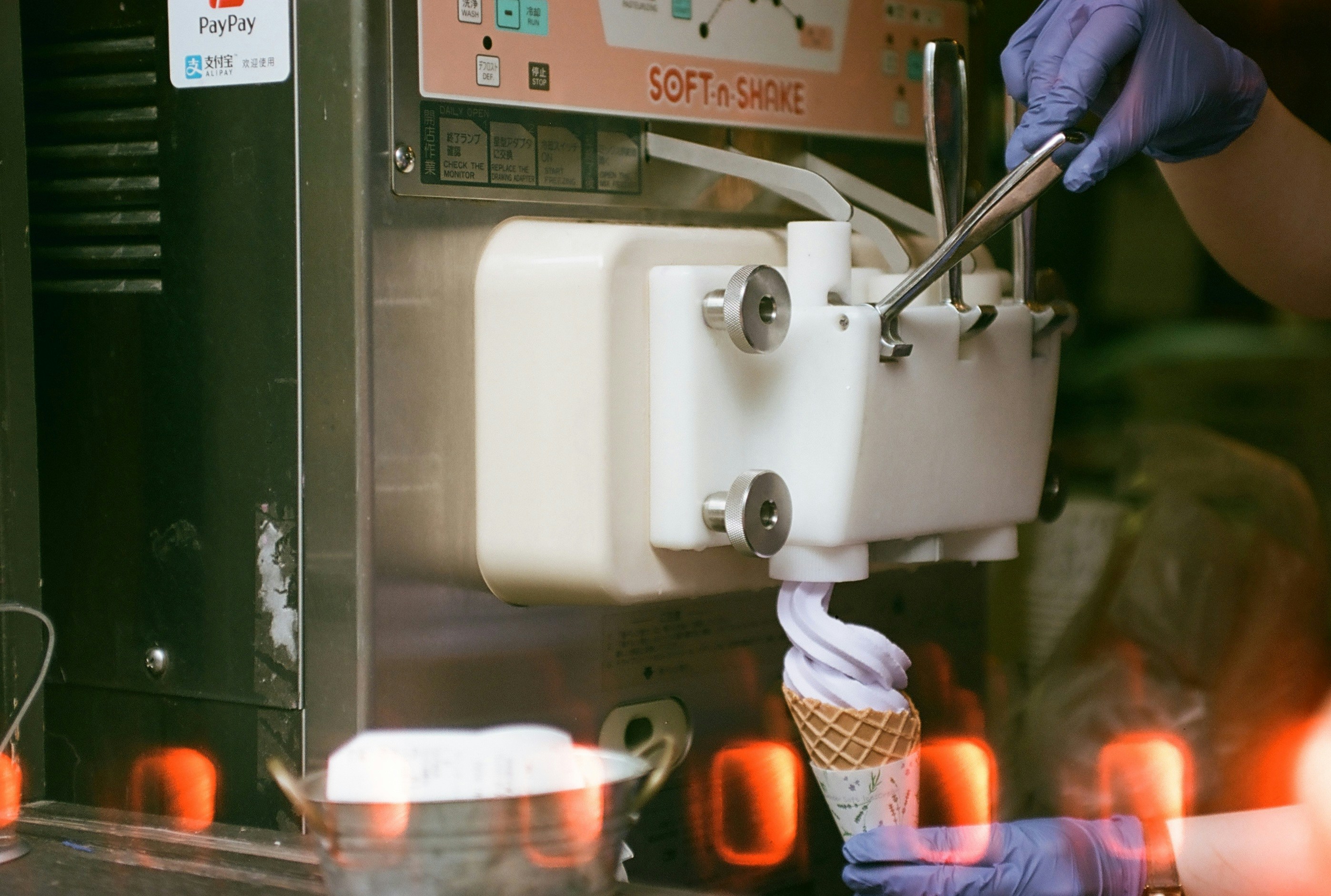
Another common option is the soft serve machine, which is engineered to produce smooth, creamy soft serve ice cream. Soft serve machines are particularly advantageous for businesses catering to high foot traffic, such as ice cream shops or food trucks. These machines come with built-in refrigeration, which keeps product at serving temperature and allows for efficient, quick dispensing. Due to the ease of use and minimal preparation time, soft serve machines can enhance customer satisfaction during busy periods.
Lastly, gelato machines specialize in producing gelato, a denser and creamier alternative to traditional ice cream. These machines are designed to churn at slower speeds and incorporate less air than standard ice cream machines. Consequently, gelato offers a more intense flavor experience. Small businesses with a focus on high-quality gelato may find these machines to be a valuable asset. Each type of ice cream machine offers distinct advantages and disadvantages. Therefore, considering the specific needs of your business is essential to choosing the right equipment.
Key Features to Consider When Choosing an Ice Cream Machine
When selecting an ice cream machine for a small business, several key features must be taken into consideration to ensure the machine meets operational demands effectively. One of the primary features to think about is the production capacity. Depending on customer traffic and demand, small business owners should choose a machine that can produce enough ice cream within a reasonable time frame. Machines vary widely in their output, so understanding peak times and throughput requirements can guide this choice.
Ease of use is another important factor. A user-friendly interface allows staff to operate the machine without extensive training, minimizing downtime during busy hours. Look for machines that include intuitive controls, clear instructions, and allow for simple maintenance procedures. This ensures smooth operation and less disruption in service, contributing to overall customer satisfaction.
Maintenance requirements should not be overlooked when making a selection. Machines that are easy to clean and maintain help small business owners save time and ensure the highest hygiene standards. Regular maintenance can also extend the lifespan of the machine, making it a worthwhile investment in the long run. Confirm whether the manufacturer provides support and guidance for maintenance needs, as this can further alleviate stress associated with upkeep.
Lastly, energy efficiency has become an essential consideration in today’s environmentally conscious market. Selecting an ice cream machine that operates efficiently can reduce energy costs and lower the business’s carbon footprint. Review energy ratings and look for machines designed to consume less power while maintaining optimal performance without compromising on ice cream quality.
Top Ice Cream Machine Brands for Small Businesses
When considering the best ice cream machines for small businesses, several leading brands stand out due to their reliability, performance, and user satisfaction. Each brand offers unique features that cater to the diverse needs of small-scale ice cream entrepreneurs.
One of the most renowned brands in this sector is Carpigiani. Known for their high-quality Italian craftsmanship, Carpigiani machines are often praised for producing creamy, smooth ice cream consistently. Users report exceptional durability and ease of use, making it a favorite among new and established businesses alike. However, the initial investment can be significant, which may deter some small business owners.
Electro Freeze is another major player, providing versatile machines that can produce both hard and soft serve ice cream. With a focus on technology and energy efficiency, their models are popular for their ability to create a variety of frozen desserts. User feedback highlights their efficient cooling systems and consistent output. Nonetheless, a few users have mentioned that the maintenance can be more involved compared to competitors.
The Taylor brand is well-regarded for its reliable performance and comprehensive customer service. Taylor machines are often applauded for their user-friendly controls, suitable for operators of all experience levels. Many small businesses appreciate the excellent warranty and support options. On the downside, some users note that Taylor machines may not have as high production capacity as others, which may be a consideration for rapidly growing businesses.
Finally, the homemade ice cream maker niche, represented by brands like KitchenAid, is increasingly appealing to small businesses focused on artisanal offerings. These machines are typically more affordable and allow for creative freedom; however, they generally produce smaller batches and may lack the features important for larger-scale production.
Budgeting for Your Ice Cream Machine
When considering the investment in an ice cream machine for your small business, it is imperative to evaluate the complete financial picture. The initial costs associated with purchasing an ice cream machine can vary significantly, influenced by factors such as capacity, brand, and type of machine (soft-serve or batch freezer). Small businesses can expect to spend anywhere from a few hundred to several thousand dollars, depending on their specific needs and production requirements.
Moreover, potential buyers should not overlook operational expenses. These can include costs related to electricity, maintenance, and supplies such as ingredients, which can accumulate over time. Additionally, it is advisable to factor in any necessary upgrades to kitchen space or electrical capacity to accommodate the equipment. Understanding these ongoing costs is essential in creating an effective budget that reflects both the short-term and long-term financial commitments.
To budget effectively for your ice cream machine, start by outlining all potential expenses. Create a detailed list of initial investment costs, including the machine itself, installation fees, and any ancillary equipment. Then, compile a list of expected monthly operating expenses, like utilities and ingredient purchases. This comprehensive overview will not only help you determine how much you can allocate to this venture but will also assist in forecasting overall profitability.
Furthermore, assessing the potential return on investment (ROI) is crucial. Conduct market research to understand pricing strategies in your area and how much revenue can be generated from each sale. This analysis will guide you in establishing a break-even point and allow you to adjust budgets based on projected sales volumes. Through careful budgeting and a thorough understanding of potential expenses and profits, small businesses can make informed decisions that contribute positively to their bottom line.
Understanding Customer Preferences and Flavor Innovations
For small businesses venturing into the ice cream industry, understanding customer preferences is paramount. Preferences can vary widely, influenced by factors such as seasonal trends, dietary restrictions, and flavor curiosity. Therefore, selecting the right ice cream machine is essential to both meet these expectations and stay competitive. A versatile ice cream machine can produce a variety of textures and types, such as gelato, traditional ice cream, or dairy-free alternatives, aligning with consumer demand.
In recent years, flavor innovation has played a significant role in attracting and retaining customers. Consumers increasingly seek unique and exotic flavors that differ from traditional offerings. The rise of gourmet ice cream, incorporating ingredients such as sea salt caramel or lavender honey, highlights the need for machinery that can effortlessly blend these unique flavors without compromising quality. An ice cream machine that offers precise temperature control and churn speed can enhance the infusion of intricate flavors, ensuring consistency and richness in every batch.
Moreover, the growing trend towards healthy eating and sustainability has encouraged ice cream makers to explore organic and locally sourced ingredients. As consumers become more knowledgeable about their food choices, businesses can benefit from investing in machinery that accommodates fresh produce or alternative sweeteners. Machines that allow for small batch production enable makers to experiment and rotate flavors frequently, meeting shifting consumer preferences while minimizing waste.
With these trends in mind, small businesses should consider the capacity and versatility of their ice cream machines. The right equipment not only aids in producing desired flavors but also ensures a swift response to trends, enhancing overall customer satisfaction. Identifying and adapting to customer preferences remains a crucial strategy for sustaining success in the competitive ice cream market.
Maintenance and Care for Your Ice Cream Machine
Maintaining your ice cream machine is vital for ensuring its longevity and optimal performance. Proper care not only enhances the quality of your ice cream but also minimizes the risk of operational issues. Here are some best practices for maintenance and care.
Regular cleaning is paramount. Every day, after the last batch of ice cream is made, the machine should be disassembled and thoroughly cleaned. This includes washing all removable parts with warm, soapy water. Pay special attention to the churning blades and the freezing cylinder, where residues can accumulate. Rinse all components with clear water and allow them to air dry to prevent any cross-contamination of flavors.
In addition to daily cleaning, a more in-depth cleaning routine should be performed weekly or bi-weekly. This involves sanitizing the machine with a food-safe cleaning solution that eliminates any bacteria, ensuring that your ice cream is safe for consumption. Refer to the manufacturer’s guidelines for recommended cleaning solutions and for any specific recommendations regarding your particular machine type.
Troubleshooting is also an essential part of maintenance. Familiarize yourself with common issues that may arise with ice cream machines, such as improper freezing or unusual noises. If the machine fails to freeze properly, check the power supply, ensuring the outlet is functioning. If issues persist, refer to the user manual for guidance or contact customer support.
Furthermore, regular checks on the machine’s components such as gaskets, seals, and electrical connections can preemptively resolve problems that could lead to costly repairs. Inspections should be conducted semi-annually to ensure that parts are in good condition and functioning correctly.
Case Studies: Success Stories from Small Businesses
Within the competitive landscape of the food industry, small businesses often seek innovative ways to differentiate themselves and drive customer engagement. The integration of ice cream machines has proved advantageous for many entrepreneurs, leading to notable success stories.
One such case is “Chill Treats,” an ice cream parlor that has leveraged its ice cream machine to capture a loyal customer base in a city saturated with dessert shops. Chill Treats not only offers traditional flavors but also introduces unique, seasonal offerings that keep the menu fresh and exciting. This strategy has contributed to a 30% year-over-year growth in sales, highlighting the importance of adaptability in a small business environment.
Another interesting example is “The Sweet Spoon,” a café that expertly combines its ice cream offerings with coffee and baked goods. By utilizing an ice cream machine to create dessert options that complement their beverage lineup, The Sweet Spoon saw a significant increase in customer foot traffic, particularly during the summer months. Their engagement strategy includes interactive social media campaigns where customers can vote on new flavors, effectively involving the community in the product development process. This engagement has solidified their presence in the local market, resulting in a solid customer retention rate.
Lastly, consider “Frozen Delights,” a mobile ice cream truck that profits from location flexibility and appeal. Utilizing a high-capacity ice cream machine enables them to serve freshly made selections to various events and gatherings. Their success is attributed to their ability to adapt flavors to local trends and seasonal events, attracting diverse crowds. They have effectively created a brand that resonates with consumers, leading to a 25% increase in customer inquiries since implementing their unique ice cream offerings.
These case studies illustrate how small businesses can successfully harness ice cream machines to foster growth, enhance customer engagement, and create memorable experiences, proving that the machinery is a valuable asset in the roadmap to success.
Conclusion: Making the Right Choice for Your Business
As the ice cream industry continues to thrive, choosing the right ice cream machine for your small business becomes a pivotal decision that can impact your brand’s success. Throughout this post, we have discussed the essential factors to consider when selecting an ice cream machine. These include the production capacity, ease of use, maintenance requirements, and whether you need a batch or continuous freezer model. Each of these aspects plays a vital role in ensuring that your operations run smoothly and that you consistently deliver high-quality products to your customers.
Furthermore, understanding your specific business needs is crucial. For instance, a small café may benefit from a compact machine that offers versatility, while a dedicated ice cream shop might require a high-capacity machine that can handle larger volumes and diverse flavors. Evaluating your menu offerings, customer expectations, and the volume of sales you anticipate will help guide you toward the machine that best aligns with your business objectives.
In addition, it is advisable to consider the long-term investment associated with the equipment. Quality machines may have a higher initial cost but can lead to improved operations and cost-efficiency over time. Additionally, researching different brands and reading customer reviews can help provide insights into the reliability and performance of various models.
Ultimately, the right ice cream machine can enhance your production process, improve efficiency, and contribute to customer satisfaction. Therefore, taking the time to assess your needs thoroughly and weighing the pros and cons of each machine will lead you to make an informed decision that supports your small business’s growth and success in the competitive ice cream market. By aligning your choice with your operational goals, you will be better positioned to create delightful desserts that keep customers returning.