


Uneven Cooking Results
One of the most prominent signs that your oven may be in need of replacement is the occurrence of uneven cooking results. When you begin to notice that your dishes are consistently overcooked on one side while remaining undercooked on the other, it becomes clear that something is amiss. For instance, a casserole might emerge perfectly cooked on one edge but still cold and unappetizing on the opposite side. Similarly, baked goods such as cakes may rise unevenly, leading to a structure that is disappointing and undesirable.
This inconsistency in cooking can often be attributed to the malfunctioning of the oven’s thermostat, which is responsible for regulating temperature. If the thermostat is inaccurate, it may fail to maintain the set temperature throughout the cooking process, resulting in uneven heat distribution. Moreover, another potential cause could be broken heating elements that may not be functioning uniformly, allowing certain areas of the oven to become significantly hotter than others.
Additionally, if specific temperature settings do not yield the expected results, it suggests that the oven is not reaching the desired cooking temperatures. For example, if you set your oven to 350 degrees Fahrenheit but the resulting food texture and doneness are more reminiscent of a lower setting, it raises concerns about the oven’s effectiveness. This discrepancy not only affects culinary outcomes but can also lead to food safety issues, particularly when meats and poultry are not cooked to the necessary internal temperatures.
In summary, if you observe persistent uneven cooking results, it is prudent to assess whether your oven’s components are functioning correctly. Should repairs not remedy the issue, it might be time to consider replacing your oven for optimal cooking performance.
Frequent Repair Needs
When evaluating whether an oven requires replacing, the frequency and nature of repairs are critical factors to consider. If your oven demands regular maintenance or minor repairs, it may indicate that underlying issues are brewing. For instance, consistent problems such as malfunctioning thermostats, defective heating elements, or persistent ignition failures can suggest that your oven is nearing the end of its functional lifespan. Over time, these minor faults can accumulate significant costs, making it imperative to weigh the financial implications of repairs against the cost of acquiring a new unit.
When assessing your repair history, take note of how often you’ve had to call a technician. If you find yourself engaging repair services more than two or three times a year, it might be a warning sign that your oven is experiencing chronic issues. Additionally, consider the average cost of the repairs relative to the total price of a new oven. For example, if repairs begin to exceed 50% of the oven’s purchase price within a few years, replacing it may be the more economical decision.
Expert opinions often underscore the importance of contemplating the age of the appliance as well. Older ovens, typically over a decade old, are more susceptible to frequent failures, and the replacement parts needed for repair may become harder to source, resulting in higher costs and longer wait times for service. In such cases, investing in a new model could provide not only financial relief but also improved energy efficiency and advanced features, enhancing your cooking experience.
Ultimately, if your oven is demanding frequent attention and repairs are mounting in cost, it may be the right time to consider investing in a new appliance. A thorough evaluation of repair costs against potential new oven expenses could lead to better long-term savings and reliability.
Increased Energy Bills
One of the most telling signs that your oven may require replacement is a noticeable rise in your energy bills. As ovens age, they often become less efficient, leading to increased energy consumption. An older oven, particularly those manufactured more than a decade ago, may utilize outdated technologies that are less energy-resistant. This inefficiency is especially pronounced during peak cooking times, where energy usage can spike significantly.
To monitor this, homeowners should regularly track their energy usage patterns and compare them to previous months. If there is a consistent upward trend that cannot be attributed to other factors—like increased cooking frequency or changes in local utility rates—it may be an indicator that your oven is struggling to perform efficiently.
Energy-efficient ovens, which have become standard in recent models, are designed to minimize energy expenditure without sacrificing performance. These appliances often feature advanced technologies such as improved insulation and precise temperature controls. By switching to a modern, energy-efficient oven, not only can homeowners reduce their overall energy consumption, but they can also benefit from lower utility bills in the long term.
In evaluating the need for a new oven based on increased energy costs, consider the potential return on investment. While the initial cost of purchasing a new oven may seem high, the savings over time in energy bills can significantly offset this expense. Homeowners should assess their current appliance’s energy performance and consider an upgrade, especially if replacement will lead to noticeable savings and enhanced cooking efficiency.
Old Age and Outdated Features
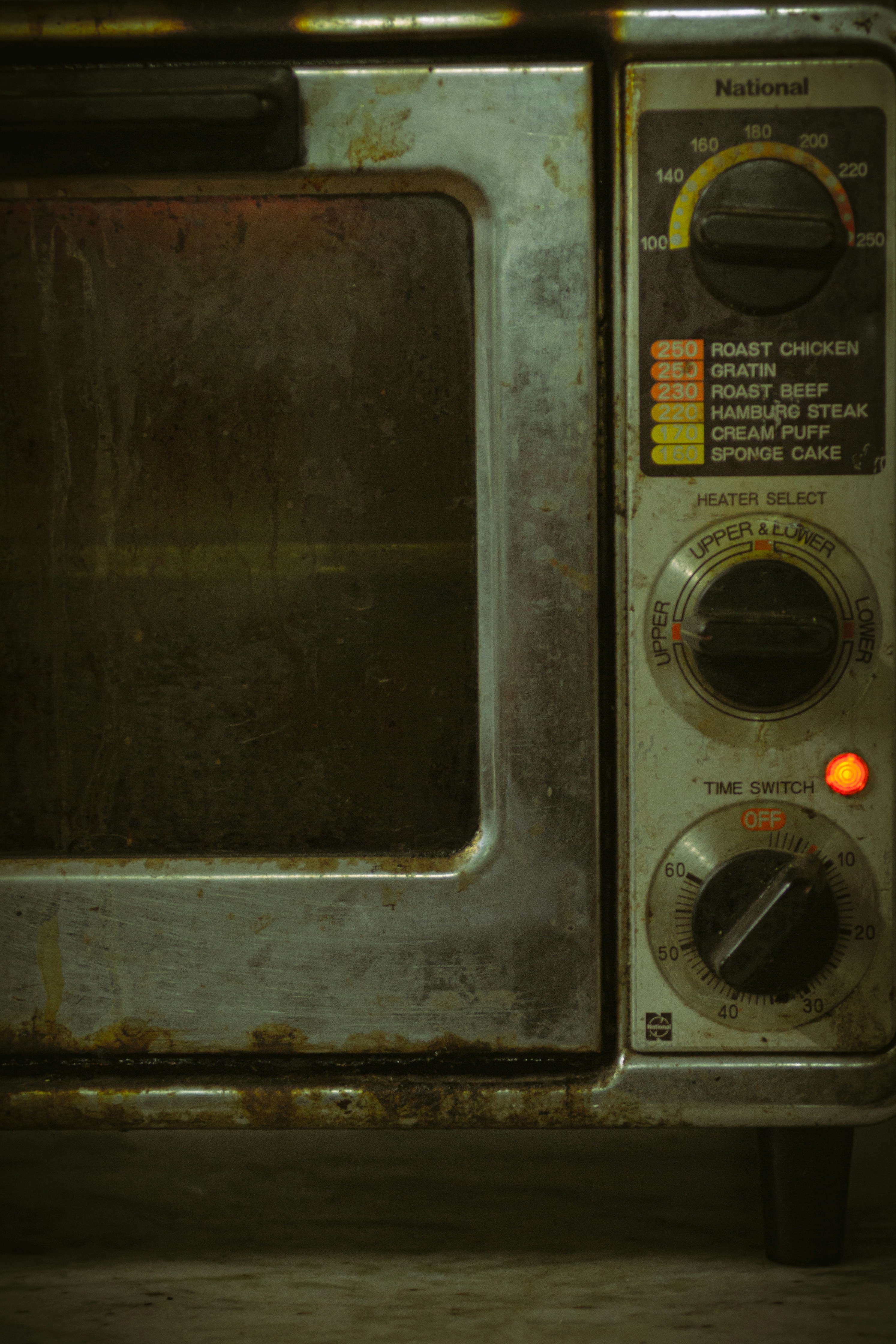
Since the average lifespan of most conventional ovens ranges between 10 to 15 years, age can significantly impact performance and efficiency. As ovens age, they may experience a decline in cooking accuracy and reliability, which may lead to uneven baking results and longer cooking times. If your oven has surpassed this typical lifespan, it may be time to consider replacement. An outdated oven, especially one that lacks modern features, can limit your ability to explore contemporary cooking techniques and recipes.
Modern ovens come equipped with a variety of advanced technologies designed to enhance cooking performance. For example, features such as digital controls, self-cleaning modes, and smart technology integration have revolutionized the way we cook. These innovations not only facilitate better cooking outcomes but also improve efficiency by utilizing energy-saving modes. Furthermore, some modern ovens offer features like convection cooking, precise temperature settings, and even air frying capabilities, allowing for greater versatility in the kitchen.
In addition to performance improvements, newer models often incorporate safety features that older ovens lack. These may include automatic shut-off systems, child locks, and cool-touch exteriors to prevent burns, making them safer for use in households with children. When evaluating whether to replace your oven, consider not only its current condition but also the potential benefits of upgrading to a newer model. Investing in an oven with updated features can greatly enhance your overall cooking experience, making meal preparation more convenient and enjoyable.