



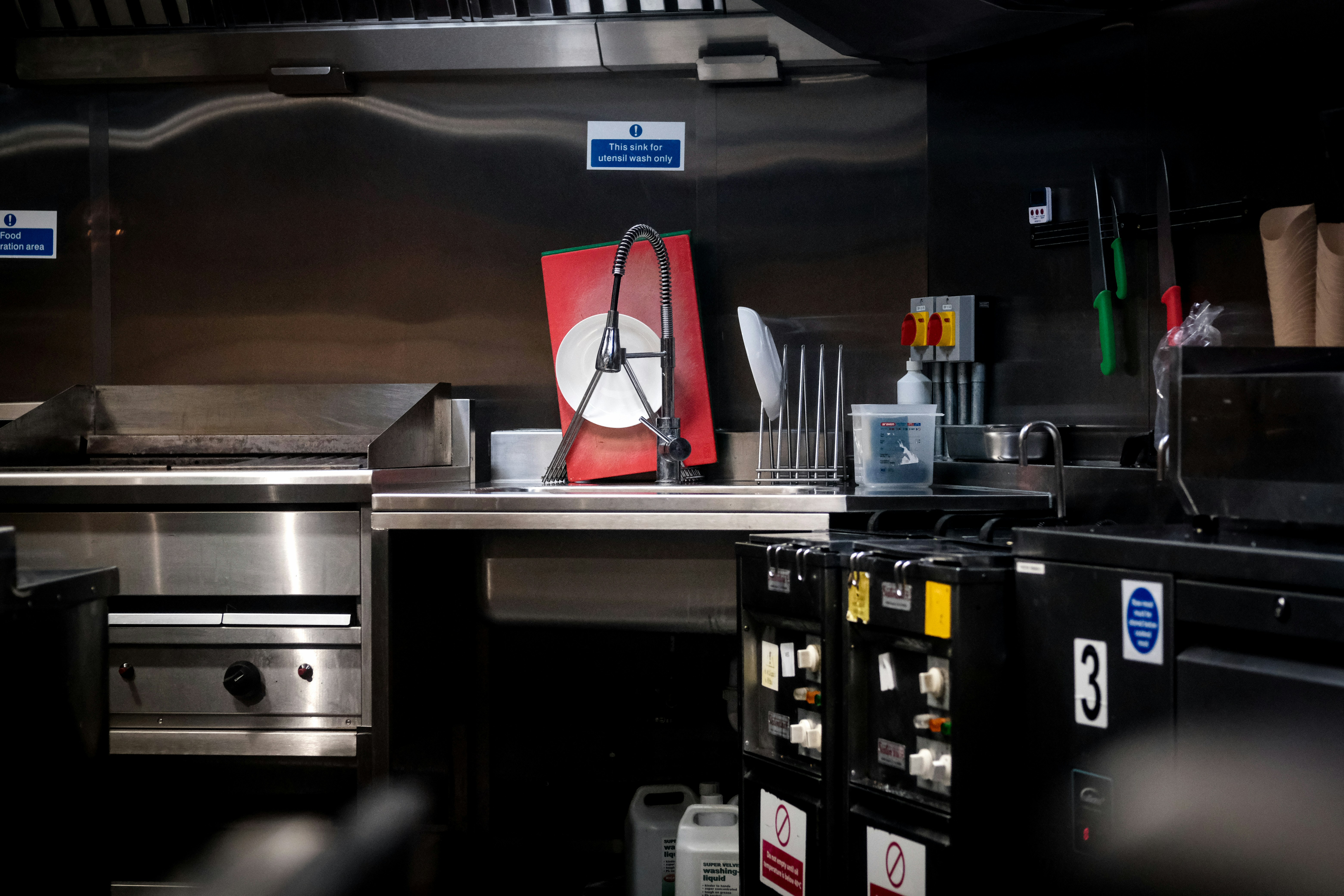
Understanding Electricity Consumption in Commercial Kitchens
Electricity consumption in commercial kitchens can be a complex issue, influenced by various factors such as equipment types, power ratings, and usage patterns. Understanding these elements is crucial for managing and reducing energy costs effectively.
Firstly, the equipment used in commercial kitchens tends to be high-powered and energy-intensive. Common appliances include ovens, fryers, refrigerators, and dishwashers, each with varying power ratings measured in watts. For instance, commercial ovens can consume anywhere from 20 to 40 kilowatts per hour, depending on their size and efficiency. Consequently, the selection and maintenance of kitchen equipment have a direct impact on electricity consumption.
Secondly, usage patterns significantly affect how much electricity a commercial kitchen utilizes. Peak usage times typically occur during business hours, particularly during lunch and dinner service. During these times, multiple appliances may operate simultaneously, which can lead to spikes in electricity usage. Facilities that manage peak load effectively can limit energy wastage and reduce costs.
Moreover, the layout of a commercial kitchen plays an essential role in energy efficiency. A well-designed kitchen layout minimizes the distance that food and staff must travel between workstations, helping to optimize workflow and reduce the duration of equipment operation. Implementing energy-efficient practices, such as regularly maintaining equipment and using timers or smart controls, can help manage energy consumption effectively.
In conclusion, by understanding the factors that contribute to electricity consumption in commercial kitchens—such as equipment selection, usage patterns, and kitchen layout—operators can take informed steps to reduce energy costs while maintaining efficiency and productivity in their operations.
Energy-Efficient Equipment and Appliances
In the pursuit of reducing electricity costs in commercial kitchens, investing in energy-efficient equipment and appliances plays a crucial role. The market offers a wide array of options that meet energy standards, particularly those certified by Energy Star. These appliances are designed to consume less energy compared to their conventional counterparts, which leads to significant savings on utility bills. Furthermore, utilizing these appliances not only decreases electricity costs but also minimizes the environmental impact of kitchen operations.
When considering new equipment purchases, it is essential to assess energy efficiency ratings and features. Appliances such as ovens, refrigerators, and dishwashers are often available with advanced technology that optimizes power usage. For instance, an induction cooktop uses electricity more efficiently than traditional gas burners, providing quick heating and reducing energy loss. By examining the specifications and energy consumption data provided by manufacturers, commercial kitchen operators can make informed decisions that align with their energy-saving goals.
Regular maintenance is equally important to ensure that energy-efficient appliances operate at peak performance. Over time, even the most efficient equipment can experience wear and tear that may lead to increased energy consumption. Routine checks and servicing of appliances, such as cleaning filters and ensuring proper seals on refrigerators, can significantly enhance their efficiency. Additionally, implementing a schedule for maintenance can provide long-term benefits, extending the lifespan of equipment while maintaining its energy-saving capabilities.
Several case studies illustrate the tangible benefits of upgrading to energy-efficient equipment. For example, a mid-sized restaurant that replaced its outdated appliances with Energy Star-rated models reported a 25% reduction in its monthly electricity expenses. Such examples underscore the importance of making educated choices while equipping a commercial kitchen. By prioritizing energy efficiency in equipment selection and maintenance, businesses can effectively lower their operational costs while contributing to environmental sustainability.
Implementing Energy Management Practices
In any commercial kitchen, effective energy management is crucial for both operational efficiency and cost reduction. By adopting specific energy management strategies, kitchen staff can significantly lower electricity expenses while maintaining productivity. One fundamental strategy is to schedule equipment use to minimize energy consumption during peak hours. By staggering the operation of ovens, fryers, and other high-energy-consuming appliances, kitchens can shift their energy usage to off-peak times, reducing costs associated with peak demand rates.
Utilizing timers and smart controls is another effective measure for managing energy consumption. Installing smart thermostats, for instance, allows kitchens to automate heating and cooling systems, ensuring they are only active when necessary. Timers can be employed for equipment that does not require constant attention, thereby preventing unnecessary energy draw during slower operational periods. Additionally, advanced cooking equipment equipped with energy-efficient features can be programmed to run during specified hours, further enhancing energy efficiency.
An equally important aspect of energy management involves training kitchen staff on energy-saving habits. Regular training sessions can emphasize the significance of turning off appliances when not in use, utilizing equipment at optimal loads, and adhering to sustainable practices. Create a culture where every staff member is aware of their impact on energy consumption efficiencies; this can promote a proactive approach to energy management.
Additionally, implementing a system for continuous monitoring of energy use is vital. Regular assessment of energy consumption patterns aids in identifying potential areas for improvement. By examining energy bills and conducting energy audits, kitchen staff can pinpoint inefficiencies and take corrective actions. This ongoing vigilance not only supports immediate cost savings but lays the foundation for long-term sustainability initiatives within the kitchen.
Incentives and Programs for Energy Saving
As commercial kitchens strive to reduce electricity costs, various government programs and incentives are available to aid in the transition to energy-efficient technologies. These initiatives often aim to encourage businesses to adopt practices that not only lower energy consumption but also promote environmental sustainability. Understanding and utilizing these programs can lead to substantial cost savings and improved operational efficiency.
One of the primary resources available is the Energy Savings Program, which offers rebates and financial incentives specifically designed for commercial sectors. By upgrading to energy-efficient appliances—such as Energy Star certified ovens, refrigerators, and dishwashers—businesses can significantly decrease their electricity usage. Many utility companies, in partnership with local and federal governments, provide cash rebates for replacing older equipment with energy-efficient alternatives. To take advantage of these programs, proprietors should first review their local utility’s offerings, as these programs can vary regionally and may change annually.
In addition to appliance upgrades, certain programs also focus on energy audits, which can help kitchens identify inefficiencies in their operations. These audits often cover lighting, HVAC systems, and insulation, providing tailored suggestions for improvement. By applying for grants or low-interest loans designed for energy upgrades, kitchens can mitigate initial costs while reaping the long-term benefits of reduced energy bills.
There are numerous success stories of restaurants that have transformed their energy strategies and, in doing so, cut their electricity costs dramatically. For example, one restaurant implemented an energy-efficient cooking system and upgraded its lighting, resulting in a substantial reduction in utility expenses and a favorable return on investment. By leveraging available incentives and dedicating resources to energy efficiency, commercial kitchens can enhance their sustainability initiatives while realizing appreciable cost benefits.