


Introduction to Restaurant Equipment Suppliers in South Africa
In the bustling hospitality industry of South Africa, restaurant equipment suppliers play a pivotal role in facilitating the smooth operation of dining establishments. Various elements come together to create a successful restaurant, and quality equipment is fundamental among these components. Restaurant equipment encompasses a broad range of items, including cooking appliances, refrigeration units, food preparation tools, dishware, and furniture, each essential for delivering a satisfactory dining experience.
For restaurateurs, partnering with reliable suppliers ensures access to high-quality products that meet industry standards and regulations. These suppliers not only provide essential equipment but also offer valuable insights into compliance matters, helping businesses adhere to health and safety regulations imposed by local authorities. Ensuring that equipment is compliant significantly reduces the risk of operational interruptions due to safety violations, thereby protecting the restaurant’s reputation and longevity.
The market landscape for restaurant supplies in South Africa is diverse, featuring both local and international vendors. Each supplier can cater to specific needs, from large-scale establishments requiring extensive kitchen layouts to smaller eateries seeking budget-friendly options. This diversity fosters healthy competition, enticing suppliers to focus on quality, customer service, and innovation. Additionally, suppliers often engage in providing after-sales services, including repairs and maintenance, which further solidifies their importance in the supply chain.
In summary, restaurant equipment suppliers are indispensable partners in the hospitality industry, providing vital resources that influence the overall success and sustainability of restaurants in South Africa. Understanding the dynamics of this market allows restaurant owners to make informed decisions and choose suppliers that align with their operational needs and business objectives.
Types of Restaurant Equipment Available
Running a successful restaurant necessitates the right equipment to ensure efficiency and a high-quality dining experience. Restaurant equipment can be categorized into several key areas, including kitchen appliances, cooking tools, serviceware, and furniture. Each category plays a significant role in the operation of various dining establishments, from casual eateries to fine dining experiences.
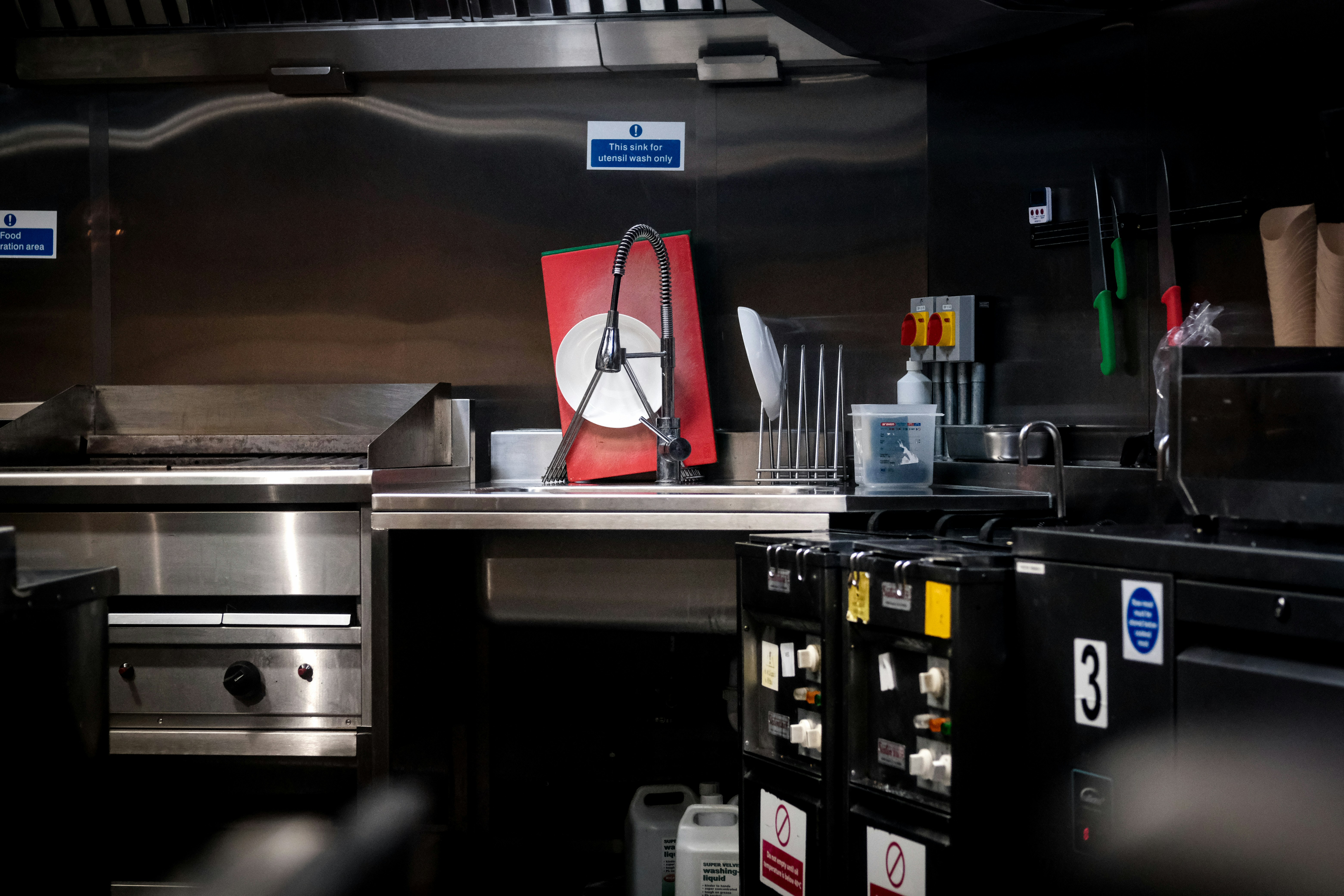
Kitchen Appliances are the backbone of any kitchen. Essential appliances include commercial ovens, refrigerators, fryers, and dishwashers. For instance, a convection oven is crucial for evenly baking various dishes, while a walk-in cooler aids in properly storing perishable items. Restaurant suppliers in South Africa can provide energy-efficient models that comply with local regulations.
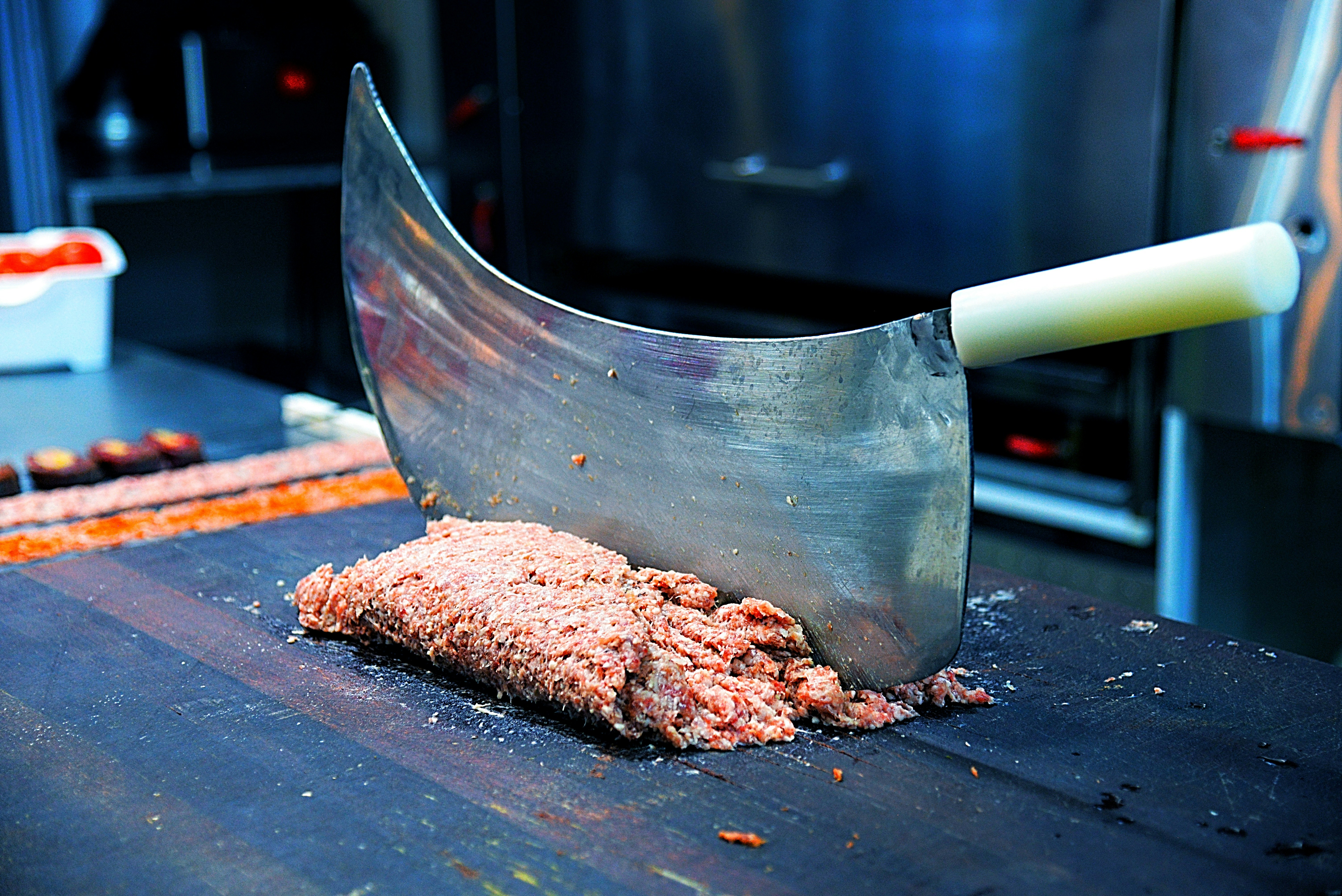
Cooking Tools encompass a range of utensils and equipment that chefs use to prepare meals. This category includes knives, pots, pans, and mixing bowls. High-quality knives are indispensable for precision cutting, while non-stick pans enhance cooking capabilities and simplify cleanup. A reliable set of cooking tools aids chefs in producing consistent and delicious dishes.
Serviceware involves items that facilitate the presentation and serving of food. This includes plates, cutlery, and glassware. In the restaurant industry, aesthetically pleasing serviceware can elevate a dining experience. Suppliers often offer a wide array of designs and materials, catering to the specific theme and ambiance of each restaurant.
Furniture plays a crucial role in the restaurant environment, affecting both comfort and aesthetics. Essential furniture includes tables, chairs, and booths. The choice of style and material can reflect the restaurant’s branding and help create a welcoming atmosphere for diners. Restaurant equipment suppliers in South Africa provide various options to suit different concepts, from rustic to modern.
In summary, understanding the different types of restaurant equipment available, along with their specific applications, can significantly impact the success of a dining establishment. Choosing the right equipment from reliable suppliers can lead to improved functionality and enhanced customer satisfaction.
Key Factors to Consider When Choosing Suppliers
When selecting a restaurant equipment supplier, several key factors warrant close consideration to ensure that the chosen partnership aligns with operational needs and quality expectations. Firstly, pricing plays a pivotal role in the decision-making process. Restaurant owners must assess not only the initial costs of equipment but also the overall value offered, which includes durability and performance over time. Competitive pricing should be evaluated alongside the quality of products, as lower costs may be indicative of subpar materials or construction.
Quality is another critical factor that cannot be overlooked. Restaurant equipment must withstand heavy usage and operate efficiently in high-pressure environments. Supplier reputation in providing high-quality items is paramount, as durable equipment can save businesses from costly repairs or replacements. It is advisable for owners to research supplier reviews and product ratings to gauge reliability.
Customer service represents another essential consideration when selecting a supplier. Excellent customer support can significantly enhance the purchasing experience, offering assistance during the decision-making process, as well as after sales. Suppliers who provide prompt and helpful responses can help minimize operational disruptions. Warranty and support options should also be scrutinized, as comprehensive warranties can protect against defects and unforeseen issues that may arise.
Finally, delivery time is a salient factor that can influence overall business operations. Equipment delays can lead to disruptions in service, potentially affecting customer satisfaction and revenue. Engage with suppliers to understand their typical delivery timelines and discuss any guarantees they may provide. By evaluating these key factors—pricing, quality, customer service, warranty options, and delivery times—restaurant owners can make informed decisions and establish sustainable relationships with reliable suppliers, ultimately contributing to the overall success of their establishment.
Local vs. International Suppliers
When considering restaurant equipment suppliers, businesses often debate between local and international options. Both local and international suppliers come with distinct advantages and challenges that can significantly influence a restaurant’s operational efficiency and overall budget.
Local suppliers are known for their immediate availability of equipment and parts. This can be a crucial factor for restaurant owners who require timely replacements or urgent deliveries. Additionally, these suppliers often provide personalized service, enabling restaurant owners to build close relationships, receive tailored advice, and enjoy quicker response times for support and maintenance services. However, local suppliers might have limited selections compared to their international counterparts and can sometimes demand higher prices due to smaller inventory levels.
On the other hand, international suppliers tend to offer a wider range of equipment options, typically at competitive prices due to economies of scale. The diverse selection can provide restaurants access to innovative technology and machinery that may not be available locally. However, businesses must consider the potential downsides. For example, international suppliers might face longer delivery times, which can impact operations if urgent needs arise. Moreover, navigating warranty and support services across borders can prove challenging, leaving restaurant owners in a lurch if equipment malfunctions.
Ultimately, the choice between using local or international suppliers depends on the specific requirements and circumstances of each restaurant. Factors such as proximity, specific equipment needs, and the urgency of delivery must be considered in the decision-making process. Conducting thorough research and weighing these pros and cons can significantly aid restaurant owners in selecting the right supplier for their unique business demands.
Top Restaurant Equipment Suppliers in South Africa
South Africa boasts a variety of reputable restaurant equipment suppliers that cater to the diverse needs of the culinary industry. Here, we present a curated list of some of the most prominent suppliers, offering an overview of their specializations and notable products.
1. Capital Equipment
Capital Equipment is recognized for its extensive selection of kitchen appliances and commercial cooking equipment. They specialize in high-efficiency ovens, fryers, and grills, essential for restaurant kitchens. Their reputation for quality is complemented by excellent customer service, making them a trusted name in the industry.
2. Food Equipment Company
As a leading supplier, Food Equipment Company offers a comprehensive range of refrigeration units, food preparation equipment, and serving solutions. They focus on providing innovative products that cater to the dynamic needs of restaurants. Their industry experience and commitment to sustainability enhance their standing in the market.
3. Equip4Food
Equip4Food specializes in professional kitchen equipment, including food processing machines and washing solutions. They stand out for their custom solutions tailored to meet specific business requirements. Their reputation has been built through reliability and consistent performance, making them a preferred supplier among restaurateurs.
4. Caterweb
Caterweb is known for its comprehensive offering of catering and restaurant equipment, including cooking, serving, and storage solutions. Their online platform provides easy access to a wide array of products, helping customers find exactly what they need. With a strong emphasis on customer feedback, they have created a loyal client base in the hospitality sector.
5. The Catering Shop
The Catering Shop provides an extensive selection of kitchen equipment, tableware, and catering supplies. Their focus on quality and affordability has positioned them as a key player in the South African market. Clients appreciate their prompt delivery service and knowledgeable staff, which contribute greatly to their industry reputation.
In conclusion, choosing the right restaurant equipment supplier is crucial for the success of any restaurant operation. The suppliers listed above have established themselves as leaders in the South African market, each offering unique solutions tailored to meet a variety of culinary demands.
Trends in Restaurant Equipment Supply
The restaurant equipment supply sector in South Africa is experiencing transformative changes driven by various factors, including sustainability, technological advancements, and the evolving needs of commercial kitchens. One of the most significant trends is the rise of eco-friendly appliances. With increased awareness about environmental issues, many suppliers are focusing on offering equipment that minimizes energy consumption and waste. This shift aligns with global efforts to reduce carbon footprints, making it critical for restaurant operators to consider sustainable options in their purchasing decisions.
In addition to eco-friendliness, technology integration in kitchen operations is a notable trend. The advent of smart kitchen equipment, such as connected ovens and automated cooking systems, is reshaping how restaurants operate. These technologies facilitate greater efficiency, allow for precise temperature control, and minimize food waste through better stock management. Furthermore, advancements in automation have become particularly relevant in light of labor shortages, enabling restaurant owners to maintain productivity levels without solely relying on human staff.
Another emerging trend is the demand for versatile, space-saving equipment. As real estate costs rise and commercial kitchen spaces become more compact, suppliers are responding by offering multi-functional appliances that optimize performance without occupying excessive floor space. Equipment such as combination ovens and modular cooking systems provide chefs with the necessary tools to prepare a variety of dishes efficiently. This adaptability is essential for restaurants aiming to provide diverse menus while managing their resources effectively.
Overall, understanding these trends in the restaurant equipment supply sector is crucial for restaurateurs looking to stay competitive. By investing in eco-friendly and technologically advanced equipment, as well as flexible designs, businesses can not only enhance operational efficiency but also meet the changing preferences of consumers in the modern dining landscape.
The Importance of Quality Equipment
In the competitive landscape of the restaurant industry, the significance of investing in quality restaurant equipment cannot be overstated. Firstly, high-quality equipment directly impacts the safety of food preparation. Properly designed appliances, such as ovens and refrigerators, are built to adhere to stringent health and safety standards, thereby minimizing the risk of foodborne illnesses. This is particularly crucial given the constant scrutiny that dining establishments face from health inspectors. Ensuring that the equipment is of superior quality mitigates risks and safeguards the well-being of customers, fostering a trustworthy dining environment.
Moreover, the efficiency of restaurant operations is heavily influenced by the quality of the equipment. Reliable, high-performance machines, such as dishwashers and fryers, can streamline meal preparation and service, allowing staff to focus more on customer interaction rather than equipment malfunctions. This operational efficiency not only boosts productivity but also enhances the overall dining experience. A restaurant equipped with state-of-the-art appliances can maintain consistency in food quality, portion sizes, and service speed, which are vital for customer satisfaction and repeat visits.
Lastly, the quality of restaurant equipment plays a crucial role in shaping the overall dining experience for customers. An establishment that invests in durable and attractive equipment contributes to the ambience and aesthetic appeal of the dining area. For instance, a visually appealing bar area equipped with high-quality cocktail machines can elevate the dining experience, enticing patrons to linger longer and enjoy more. In turn, this can lead to increased sales and customer loyalty. Therefore, understanding and prioritizing the importance of quality restaurant equipment is paramount for any establishment aiming for success in a saturated market.
Maintaining and Repairing Restaurant Equipment
Effective maintenance of restaurant equipment is crucial for ensuring its longevity and optimal performance. Regular servicing not only prevents unexpected breakdowns but also enhances the safety and quality of food production in commercial kitchens. Establishing a routine maintenance schedule can help in identifying potential issues before they develop into costly repairs.
One of the main aspects of maintaining restaurant equipment is conducting regular inspections. Staff should be trained to perform visual checks for signs of wear and tear, leaking fluids, or loose connections. Common troubleshooting tips include checking electrical connections on appliances, ensuring that gas lines are intact, and cleaning air filters regularly. Additionally, adhering to the manufacturer’s guidelines for maintenance can help maximize the lifespan of all equipment.
In many instances, minor repairs can be performed in-house, reducing downtime and costs. Common issues, such as a malfunctioning thermostat or a clogged drain, can often be addressed with simple adjustments or cleaning. However, there are circumstances where professional assistance is imperative, particularly when dealing with complex electrical or mechanical problems. It is advisable to keep a list of trusted repair technicians who can quickly address service needs.
Another critical consideration is when to repair versus replace equipment. While it may be cost-effective to repair an appliance that is relatively new and has a minor issue, older equipment may be more susceptible to breakdowns. As a general rule, if the repair costs exceed 50% of the equipment’s value or if failures are recurring, replacement should be considered. This approach ensures that the restaurant operates efficiently and remains compliant with safety regulations.
Conclusion and Future Outlook
As we reflect on the insights gathered regarding restaurant equipment suppliers in South Africa, it becomes increasingly clear that the choice of supplier significantly impacts a restaurant’s operational efficiency and overall success. Key factors to consider include the supplier’s reputation, range of products, after-sales support, and alignment with the specific needs of the establishment. Finding a supplier that champions not only quality products but also reliability and customer service can greatly enhance the procurement process for restaurant owners.
Looking to the future, the landscape of restaurant equipment supply in South Africa is poised for transformation. Advances in technology are leading to the development of smarter and more efficient kitchen equipment that can optimize energy consumption and improve food safety and quality. For instance, equipment that integrates with online platforms for monitoring temperature or inventory can streamline operations and reduce waste.
Additionally, as consumer preferences evolve towards sustainability, suppliers that offer eco-friendly and energy-efficient products will likely take precedence in the market. This shift toward greener practices is not only a response to regulatory pressures but also a growing consumer demand for sustainable dining experiences.
Therefore, the ongoing collaboration between restaurant operators and their suppliers will be pivotal in navigating these changes. It is essential for establishments to remain adaptable to innovations in equipment and consumer behavior to thrive. As the food service industry continues to evolve, evolving partnerships with responsive suppliers will be crucial for fostering growth and ensuring that restaurants can meet the demands of tomorrow’s diners.