


Introduction to Bakery Equipment Suppliers
Bakery equipment suppliers play a pivotal role in the baking industry, serving as a critical link between manufacturers and bakers. In South Africa, the significance of these suppliers extends beyond mere sales; they provide essential products that empower both small-scale and large-scale bakeries to operate efficiently. From artisanal bread makers to large commercial operations, the need for reliable and high-quality bakery equipment is universal and vital for success.
The range of equipment offered by suppliers is diverse and tailored to meet the varying demands of the baking industry. This includes essential tools such as ovens, mixing machines, dough sheeters, and proofers, among others. Each category of equipment plays a specific role in the baking process, ensuring that bakers can create a wide array of products, from loaves of bread to intricate pastries. The right equipment not only enhances productivity but also contributes to the consistency and quality of baked goods, which are crucial factors in customer satisfaction and business growth.
Furthermore, bakery equipment suppliers are instrumental in offering technical support and maintenance services, which are crucial for the longevity and efficient operation of the equipment. Many suppliers also provide training and guidance on the proper use of their products, ensuring that baking professionals can maximize the functionalities of their equipment. This support is particularly beneficial for new bakers or those looking to upgrade their operations.
In South Africa, the bakery equipment supply sector continues to evolve, adapting to trends such as automation and sustainability, thereby providing bakers with innovative solutions that can significantly enhance their operations. This section sets the stage for a deeper exploration of various suppliers, their offerings, and how they cater to the unique needs of the South African baking landscape.
Types of Bakery Equipment
In the realm of commercial baking, having the right equipment is paramount for achieving consistency and efficiency. Suppliers in South Africa offer a diverse range of essential bakery equipment, which can be categorized into four primary groups: baking ovens, mixers, refrigeration units, and decorating tools.
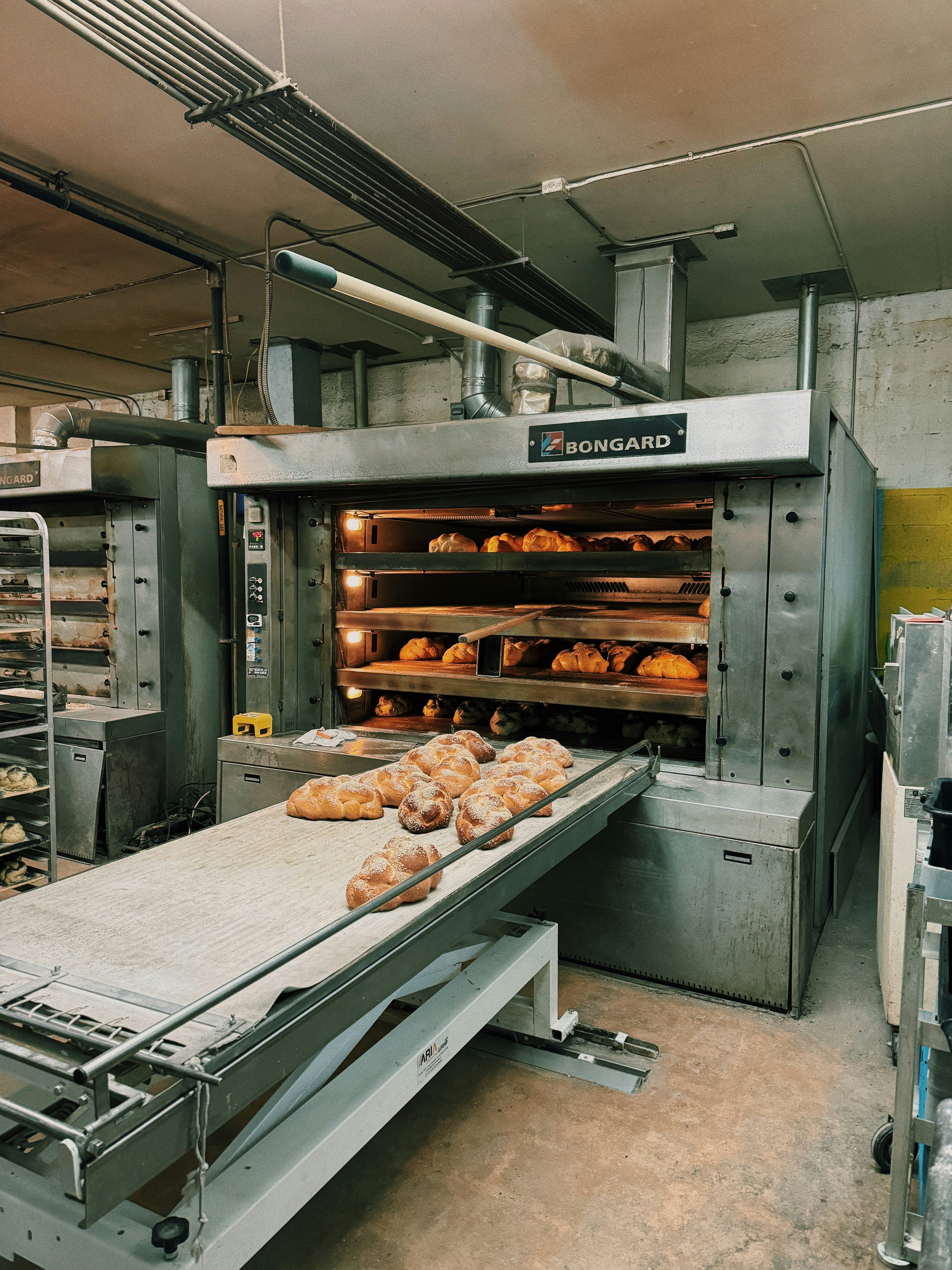
Baking Ovens: Baking ovens are perhaps the most critical equipment in any bakery. There are various types, including deck ovens, convection ovens, and rotary ovens, each serving specific baking needs. Deck ovens provide uniform heat, ideal for artisan bread, while convection ovens circulate air for even baking. Rotary ovens allow for bulk production, ensuring consistent results. The choice of oven will depend on the bakery’s size, type of products, and production volume.
Mixers: Bakery mixers are essential for preparing doughs and batters. There are several types of mixers available, such as spiral mixers, planetary mixers, and horizontal mixers. Spiral mixers are designed for kneading dough and are particularly favored for bread making due to their ability to handle large batches. Planetary mixers, on the other hand, are versatile and capable of mixing various ingredients, making them suitable for cakes and pastries. The right mixer can significantly impact the texture and quality of the baked goods.
Refrigeration Units: Proper storage of ingredients and finished products is crucial in bakeries. Refrigeration units, including cold storage and display fridges, help maintain the quality of perishable items. Refrigerated display cases are particularly valuable for showcasing desserts and breads while preventing spoilage. Ensuring the correct temperature is maintained is vital for food safety and product longevity.
Decorating Tools: Lastly, decorating tools such as piping bags, pastry brushes, and fondant molds play an essential role in finishing baked products. Skilled bakers can enhance the visual appeal of cakes and pastries using these tools, thus elevating their marketability. Investing in high-quality decorating equipment can help distinguish a bakery in a competitive market.
Top Bakery Equipment Suppliers in South Africa
When it comes to sourcing bakery equipment in South Africa, a myriad of suppliers offer accessible options for both small and large-scale operations. One of the leading names in the industry is Bakeware, renowned for its vast selection of commercial ovens, mixers, and refrigeration units. Their commitment to quality and service has earned them a reputable position in the market, making them a reliable choice for bakers seeking durable equipment.
Another notable supplier is ProBAKE, which specializes in high-performance equipment that caters to artisanal bakers as well as larger manufacturing needs. Their offerings include innovative baking technology, such as high-speed production ovens and efficient proofers, all designed to optimize the baking process. ProBAKE’s emphasis on customer service ensures that clients receive support not only in equipment selection but also in after-sales service, enhancing customer satisfaction.
Bakery Butler is also highly regarded, providing everything from baking tools to full production line setups. Their diverse range includes automatic dough sheeters and bread slicers, appealing to both commercial bakeries and home bakers alike. Bakery Butler prides itself on delivering tailored solutions that meet individual client needs, further solidifying their standing as a trusted supplier.
For those prioritizing sustainability, EcoBakery stands out with its line of eco-friendly equipment options. Their commitment to environmental responsibility resonates with many contemporary bakers who are interested in sustainable practices. Offering both new and refurbished equipment, EcoBakery ensures that businesses can operate efficiently while minimizing their ecological footprint.
Lastly, Silva Supplies offers an extensive range of bakery tools and equipment, focusing on affordability without compromising quality. They provide personalized assistance in selecting the right products, aiming to build long-lasting relationships with customers. Their competitive pricing and quality assurance make them a noteworthy contender in the South African bakery equipment market.
In conclusion, these suppliers represent just a fraction of the available options in South Africa. Their unique offerings and commitment to quality make them worthy of consideration, allowing bakers to find the right equipment tailored to their operational needs.
Factors to Consider When Choosing a Supplier
Selecting the right bakery equipment supplier is crucial for the success of any bakery operation. With the growing number of suppliers in South Africa, bakery owners and managers must evaluate several factors to ensure that they are making a prudent decision that aligns with their business needs.
Firstly, pricing is a significant aspect that must be scrutinized. While it is tempting to choose the supplier with the lowest prices, it is essential to consider the overall value offered. Compare the equipment quality and features with the costs, ensuring that they meet the operational requirements. Some suppliers may offer attractive prices but compromise on quality, which can lead to increased maintenance costs and decreased productivity over time.
Secondly, the product range available from a supplier can influence your decision. A reliable bakery equipment supplier should offer a comprehensive selection of equipment, from ovens and mixers to display cases and packaging supplies. A diverse product range ensures that bakery owners can find all the necessary tools in one place, simplifying the purchasing process and fostering long-term relationships with suppliers.
Warranty options can also serve as a crucial factor when evaluating suppliers. A good warranty reflects the supplier’s confidence in their equipment and provides peace of mind to buyers. Ensure to inquire about warranty lengths, coverage for parts, and whether on-site support is available in case of malfunctions.
Lastly, after-sales support is vital for maintaining operational efficiency. A supplier that offers robust support services—such as training, maintenance, and timely repair services—can significantly enhance a bakery’s operational performance. Assess their responsiveness and readiness to assist with any inquiries, as consistent after-sales support will help in minimizing downtime.
Importance of Quality and Durability in Bakery Equipment
Investing in high-quality and durable bakery equipment is a fundamental aspect of running a successful bakery operation. The significance of quality equipment cannot be overstated, as it directly impacts the baking results, efficiency of operations, and cost-effectiveness of the business.
Quality bakery equipment ensures consistency in product output. For instance, ovens that maintain even temperatures are crucial for properly baked goods, while mixers designed for high volume can achieve the desired dough consistency without compromising on quality. When bakers use reliable equipment, they can reproduce their products with precision, which is essential for building a strong brand reputation among customers.
Moreover, high-quality bakery equipment can significantly enhance productivity. Durable machines reduce the frequency of breakdowns, allowing bakeries to operate without unexpected interruptions. When equipment is efficient, it can handle larger volumes of production, leading to quicker turnaround times and the ability to fulfill increased orders. Such efficiency is vital, particularly in bustling bakery environments where time is of the essence.
In addition to productivity, investing in quality equipment can lead to substantial long-term cost savings. While the initial outlay for high-grade equipment may be greater than that of lesser alternatives, the durability and performance of these machines often offset these costs. Reduced maintenance expenses, lower energy consumption, and increased lifespan of the equipment contribute to enhanced financial viability over time. Therefore, prioritizing robust machinery in bakery operations not only improves immediate results but also ensures sustainable business growth.
Overall, bakers who choose to invest in premium bakery equipment are likely to realize a multitude of benefits, from better product quality to boosted productivity and cost efficiency. This strategic approach to equipment selection can ultimately shape the success of a bakery venture in a competitive market.
Local vs. International Suppliers
When evaluating the sourcing of bakery equipment, distinguishing between local South African suppliers and their international counterparts is vital. Each option carries its unique sets of advantages and disadvantages that can significantly affect operational efficiency, cost, and overall business success.
Local suppliers often provide substantial advantages in terms of support and maintenance. They are familiar with South African regulations and standards, which can simplify compliance issues and ensure adherence to local quality benchmarks. Local suppliers also tend to have shorter delivery times, allowing businesses to quickly address urgent equipment needs. Additionally, local suppliers may offer tailored service agreements that cater specifically to the South African market, thereby enhancing customer satisfaction through personalized service.
Moreover, choosing local suppliers can have a positive impact on the economy and support local job creation. It fosters community growth and strengthens the local supply chain. Businesses benefit from the availability of readily accessible repair services, which can greatly minimize downtime, a critical factor in the bakery industry where time is often equated with profitability.
On the other hand, international suppliers may offer advanced or specialized equipment that may not be available locally. These suppliers often have access to the latest technology and innovations in bakery equipment. However, importing equipment presents challenges in terms of shipping costs, potential delays, and tariff implications. Moreover, after-sales support may be limited, necessitating reliance on third-party service providers for maintenance and repairs. This can lead to longer downtimes and increased operational costs.
Ultimately, the choice between local and international suppliers should be made after careful consideration of the specific needs of the bakery business, taking into account factors such as equipment type, cost, and the level of ongoing support required.
Trends in Bakery Equipment Supply
The bakery equipment supply sector in South Africa is undergoing significant transformations driven by advancements in technology, sustainability practices, and evolving consumer preferences. As the baking industry seeks innovative solutions, suppliers are responding by incorporating modern machinery that enhances efficiency and product quality. This transformation is primarily fueled by technological advancements, which is a crucial trend impacting bakery equipment suppliers.
Automation and smart technology are at the forefront of these advancements. Equipment incorporating Internet of Things (IoT) capabilities allows bakeries to monitor production processes in real-time, manage inventory efficiently, and optimize energy usage. The rise of such smart technologies is forcing suppliers to adapt their offerings, ensuring they remain competitive by equipping their clients with the latest innovations that not only enhance productivity but also reduce operational costs.
Moreover, sustainability has emerged as a key consideration among suppliers and their customers. With increasing awareness around environmental issues, there is a growing demand for energy-efficient and eco-friendly equipment. Suppliers are responding by offering products made from sustainable materials and incorporating features that minimize energy consumption and waste. This focus on sustainability extends beyond equipment manufacturing, influencing the entire supply chain within the bakery industry.
Consumer preferences also play a pivotal role in shaping the types of bakery equipment available in the market. The modern consumer increasingly favors artisanal and specialty baked goods, leading suppliers to provide equipment that caters to these niche markets. This shift requires flexibility in production capabilities, prompting suppliers to offer versatile machinery that can handle a diverse range of products.
In summary, the trends affecting bakery equipment suppliers in South Africa highlight a dynamic industry landscape, where technology, sustainability, and consumer demands are driving change. Staying informed about these developments is essential for bakeries aiming to maintain competitiveness and align with contemporary market expectations.
Standards and Regulations for Bakery Equipment in South Africa
In South Africa, the bakery industry is governed by a range of health and safety standards that ensure the production of safe and high-quality food products. Compliance with these regulations is crucial for both the suppliers of bakery equipment and the bakeries that use them. The primary regulatory body overseeing food safety is the Department of Health, along with the South African Bureau of Standards (SABS). These organizations set forth guidelines and criteria that equipment must meet to be deemed suitable for use in food production.
One key legislative framework is the Foodstuffs, Cosmetics and Disinfectants Act, which outlines the responsibilities of suppliers and manufacturers in ensuring that their equipment does not pose health risks. Bakery equipment must be made from food-grade materials, which are non-toxic and easy to clean, thus contributing to the prevention of contamination during food production. Regular inspections by health officials ensure compliance with these safety standards.
Furthermore, sizing and functionality of bakery equipment, including ovens, mixers, and cooling systems, must adhere to specific national standards, designed to enhance food safety. These regulations not only focus on hygiene but also on energy efficiency and the overall environmental impact of the bakery operations. Suppliers of bakery equipment play an essential role in informing bakeries about compliance requirements and helping them choose equipment that meets these standards.
By assisting bakeries in meeting health regulations, suppliers can significantly contribute to maintaining food safety. A collaborative approach ensures that the equipment is not only efficient but also aligns with the legal requirements of the food sector. Ultimately, adherence to these standards safeguards public health while upholding the integrity of the bakery industry in South Africa.
Conclusion and Future Directions for Bakery Suppliers
In summary, the bakery equipment suppliers in South Africa play a crucial role in the thriving bakery industry, offering a diverse range of machinery and tools that enhance production efficiency and product quality. The analysis presented in this guide underscores the importance of understanding the local market dynamics, ensuring that suppliers can meet the specific needs of bakery businesses, from small artisanal shops to large commercial operations.
As the bakery sector continues to evolve, several future directions become apparent for suppliers. First, there is a significant shift towards adopting technology-driven solutions. Automation and digitalization are becoming increasingly necessary as bakery businesses strive for efficiency and consistency. Suppliers that invest in innovative technologies, such as IoT-enabled equipment and advanced baking systems, will likely find new opportunities in the market.
Moreover, sustainability is emerging as a prominent theme in the industry. Consumers and businesses alike are becoming more environmentally conscious, leading to a demand for energy-efficient and eco-friendly bakery equipment. Suppliers that prioritize sustainable practices, such as offering energy-efficient machinery or utilizing recyclable materials in their products, may gain a competitive edge. Additionally, fostering partnerships with local bakery businesses can help suppliers better understand emerging trends and adapt their offerings accordingly.
Lastly, as consumer preferences shift towards healthier and artisanal products, suppliers may need to expand their ranges to include equipment that caters to gluten-free, low-sugar, and organic baking methods. Staying ahead of these trends will ensure that bakery equipment suppliers remain relevant and continue to support the industry’s growth.