


Understanding Your Bakery Equipment Needs
When venturing into the world of baking, understanding the specific equipment required is paramount to achieving success. Various bakery types, such as artisanal, commercial, and home-based, each have unique needs that dictate the kind of equipment necessary. A thorough understanding of these needs is essential for optimizing both efficiency and product quality.
For artisanal bakeries, which often focus on handcrafted bread and pastries, the primary equipment includes stone ovens, proofing cabinets, and high-quality mixing machines. Stone ovens, known for their ability to retain heat and moisture, are favored by artisans for their ability to create a unique crust. Additionally, proofing cabinets ensure that dough rises under controlled conditions, enhancing flavor development.
Commercial bakeries, catering to larger volumes, require robust and versatile equipment. Large-scale convection ovens, industrial mixers, and scaling machines are common in these environments. Convection ovens provide consistent baking results due to their efficient heat circulation, enabling bakers to produce a high volume of goods with minimal variance in quality. Industrial mixers, often capable of handling larger batches, are crucial for maintaining the consistency of dough, which is vital in a commercial setting.
For home-based bakers, the essentials lean towards smaller, multifunctional equipment. A reliable stand mixer is typically at the heart of home kitchens, seamlessly blending convenience and performance. Compact ovens and refrigerators designed for residential use are equally important, as they cater to the needs of preparing smaller batches without compromising on quality.
In conclusion, understanding the types of bakery equipment suitable for various baking processes is fundamental for bakers at all levels. By evaluating their specific requirements, bakers can select the appropriate tools to enhance their baking endeavors, regardless of whether they operate a commercial facility or a home kitchen.
Types of Bakery Equipment Available
The bakery industry relies on a vast array of specialized equipment to produce high-quality baked goods efficiently. Understanding the types of bakery equipment available for sale is essential for professionals in the industry, as it directly influences productivity and product quality.
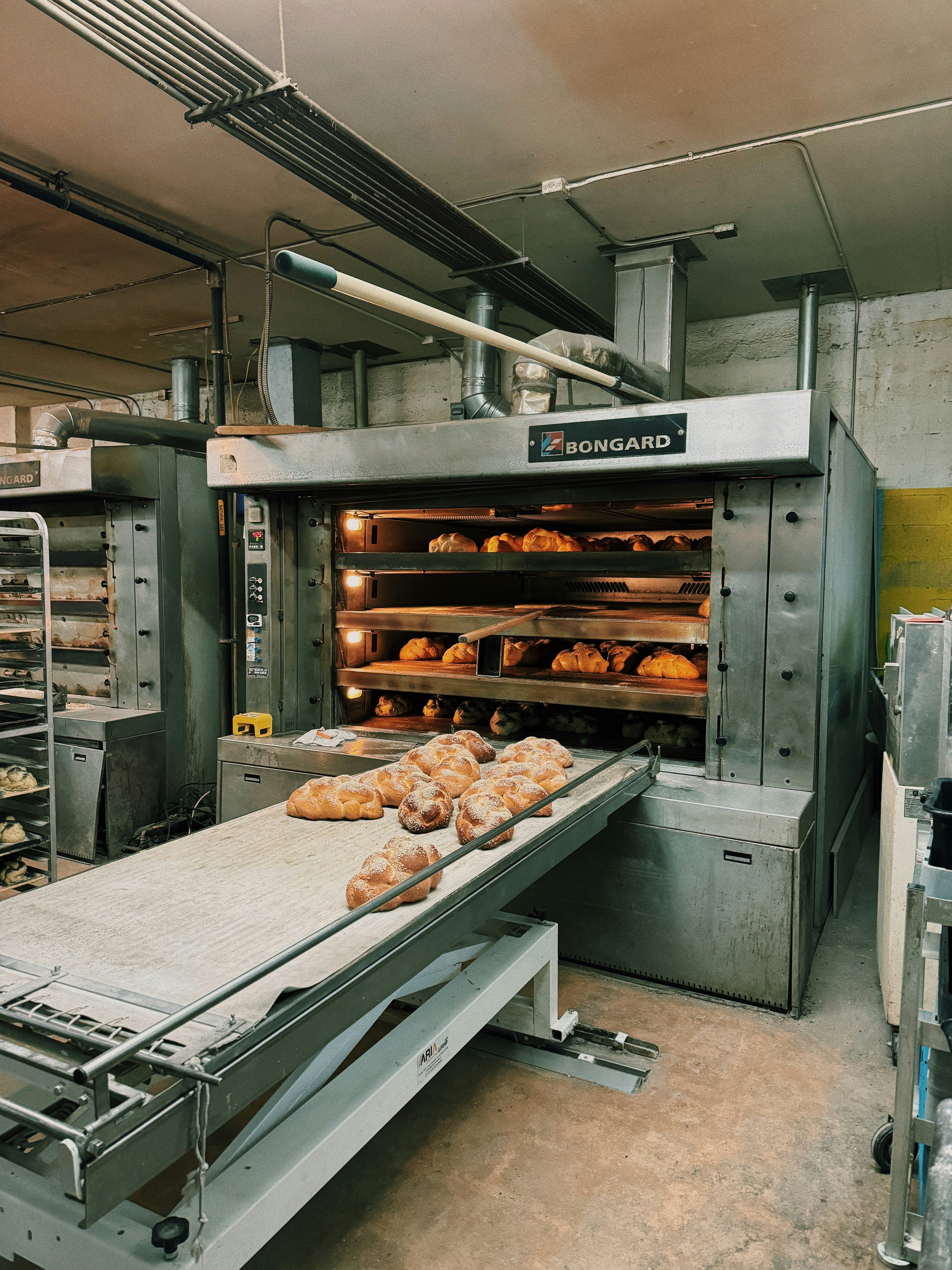
One of the most crucial pieces of equipment is the industrial oven. These ovens are designed to deliver consistent temperatures and can accommodate large batches, making them ideal for commercial bakeries. There are various types of ovens, such as convection ovens, deck ovens, and rack ovens, each serving different baking needs, from artisan breads to pastries.
Another vital category is proofers, which are used to create a controlled environment for dough fermentation. These equipment pieces maintain optimal temperature and humidity, ensuring that the dough rises properly before baking. A well-functioning proofer enhances the quality of bread and other yeast-leavened products significantly.
Dough sheeters are essential for bakeries that produce products requiring uniformity in thickness. This equipment rolls and stretches dough, which is particularly useful for making pastries and pizza bases. With the ability to automate the process, dough sheeters help save time and labor while ensuring consistent product quality.
Display cases play a vital role in the sale of baked goods, providing an attractive presentation while ensuring food safety. These cases come in various designs, including refrigerated or non-refrigerated options, tailored to showcase items like cakes, pastries, and breads effectively. The right display case can enhance customers’ visual experience and encourage impulse purchases.
In conclusion, a wide range of bakery equipment is available for sale, each designed to support specific functions in the baking process. Whether investing in industrial ovens, proofers, dough sheeters, or display cases, understanding the purpose and benefits of each piece of equipment is imperative for any bakery operation.
Factors to Consider When Buying Bakery Equipment
When purchasing bakery equipment, several critical factors warrant thorough consideration to ensure that your investment yields the best results for your business. The first aspect to evaluate is your budget. Establishing a clear budget can help narrow down your choices significantly and prevent overspending. Bakery equipment can vary widely in price, so it’s important to balance quality and affordability. Examine both new and used equipment, as pre-owned options may provide substantial savings without sacrificing functionality.
Next, consider the available space in your bakery. It is essential to measure the designated areas where you plan to place the equipment and account for any necessary clearance for operators to move comfortably. Proper space management can prevent overcrowding and enhance workflow efficiency. Additionally, the configuration of your kitchen can influence the type of equipment that fits your operational needs best.
Volume needs are another crucial factor. It is vital to assess your anticipated production levels, as this will determine the size and capacity of the equipment you require. For example, if you expect high demand, investing in larger ovens or mixers with higher capacity may be prudent. Conversely, smaller operations might benefit from more compact equipment that effectively meets lower volume requirements.
Energy efficiency is also worth investigating; choosing equipment that minimizes energy consumption can reduce operational costs and benefit the environment. Look for models that are ENERGY STAR certified or have energy-saving features. Finally, durability should not be overlooked. High-quality bakery equipment is a long-term investment, so selecting brands known for their reliability can prevent frequent breakdowns and repair costs, ensuring consistent production flow in your bakery.
Where to Find Bakery Equipment for Sale Near You
When searching for bakery equipment for sale, it is vital to explore multiple avenues to ensure you find the right items to meet your operational requirements. One of the most effective ways to procure bakery equipment is through local distributors. These businesses often carry a diverse selection of both new and used items, allowing you to see the equipment in person and ask for professional advice on the best choices for your bakery. It is prudent to establish a relationship with these distributors, as they can provide ongoing support and maintenance services.
In addition to local distributors, online marketplaces have become increasingly popular for purchasing bakery equipment. Websites like eBay, Amazon, or dedicated culinary equipment platforms offer a variety of options, ranging from commercial ovens to mixing machines, often at competitive prices. When using online platforms, it is crucial to check the seller’s reputation through customer reviews and feedback to ensure a smooth transaction.
Another viable option is second-hand equipment stores, which specialize in reselling pre-owned bakery equipment. Purchasing used items can be cost-effective and sustainable, making it an attractive choice for many small business owners. When exploring second-hand options, inspect the equipment thoroughly to assess its condition and longevity.
Regardless of the source, finding reputable dealers is essential to ensure you are investing in quality equipment. A good practice is to seek recommendations from fellow bakers or culinary professionals who have had positive experiences. Additionally, attending industry trade shows allows you to connect with various suppliers and view their offerings firsthand. By utilizing a mix of local resources, online avenues, and recommendations, you can successfully find the best bakery equipment for sale near you that suits your needs and budget.
New vs Used Bakery Equipment: Pros and Cons
When exploring bakery equipment for sale, a key decision involves choosing between new and used options. Each route presents distinct advantages and disadvantages that can significantly impact the efficiency and profitability of your bakery.
Purchasing new bakery equipment typically comes with a higher upfront cost. However, this investment provides several benefits, including warranties and guarantees that ensure equipment reliability and performance. Manufacturers usually offer comprehensive customer support and access to the latest technology and innovations. The condition of new equipment is undoubtedly pristine, with minimal risk of malfunctioning or needing repairs shortly after purchase. Additionally, new equipment often meets the latest health and safety regulations, ensuring compliance and reducing liability risks.
On the other hand, opting for used bakery equipment can present substantial cost savings, which can be critical for a new or budget-conscious business. Many used items are available through local sales or online marketplaces, allowing for quicker acquisition without the long wait times often associated with new orders. Nevertheless, buyers should be cautious, as the condition of used equipment varies widely. While some pieces may be in excellent working order, others might require repairs or modifications, potentially increasing long-term costs. Warranty coverage is often limited or nonexistent for used equipment, leaving owners responsible for repairs and maintenance without support from manufacturers.
Ultimately, the choice between new and used bakery equipment should be guided by specific business needs, budget constraints, and growth projections. Factors such as available financing options, equipment frequency of use, and anticipated lifespan are also crucial in determining the best route for your bakery investment. Careful evaluation of these elements can lead to an informed decision that best serves your operational goals.
Maintaining Your Bakery Equipment
Proper maintenance of bakery equipment is essential for ensuring its longevity and efficiency. Not only does regular upkeep prevent costly repairs, but it also guarantees consistent performance, promoting the quality of baked goods. One of the first steps in maintaining bakery equipment is establishing a routine cleaning schedule. This entails thoroughly cleaning work surfaces, mixers, ovens, and all other equipment immediately after use. Utilizing appropriate cleaning solutions can effectively remove food residues and bacteria, while also preserving the equipment’s surface finishes.
In addition to cleaning, proper usage practices significantly influence the lifespan of bakery tools. Bakers should familiarize themselves with the manufacturer’s guidelines, ensuring that all equipment is used according to recommended procedures. For example, overloading mixers or running ovens at incorrect temperatures can lead to stress on the machinery, potentially resulting in breakdowns. By adhering to these operational standards, bakers can avoid unintentional damage and maintain the functionality of their equipment.
Another crucial aspect of maintaining bakery equipment involves being vigilant about troubleshooting common issues. Regular inspection can help identify problems before they escalate into significant faults. If a dough mixer starts making unusual noises or if an oven does not heat evenly, taking immediate action is vital. Documenting any issues encountered and addressing them promptly with repairs or routine maintenance can prevent extensive downtime and further complications.
In conclusion, a comprehensive maintenance strategy encompassing routine cleaning, proper usage, and proactive troubleshooting is pivotal for the successful operation of bakery equipment. By prioritizing these practices, bakers can ensure their tools remain in peak condition, thereby enhancing productivity and product quality in their establishments.
Budgeting for Your Bakery Equipment Purchase
When it comes to starting or expanding a bakery, effective financial planning plays a crucial role in ensuring the longevity and success of your business. Establishing a budget for bakery equipment is essential, as it allows owners to make informed decisions and allocate resources wisely. A comprehensive understanding of your expected costs will also help in identifying potential financing options.
A key first step in budgeting is to assess your specific equipment needs based on your bakery’s size and the products you intend to offer. This includes ovens, mixers, refrigerators, and display cases, among others. Creating a detailed list of required items alongside estimated costs will provide a solid foundation for your budget. It is often advisable to allocate a percentage of your overall startup costs to equipment, typically ranging from 20% to 30%, depending on your business model.
There are various financing options available for bakers looking to acquire equipment. One option includes traditional bank loans, which typically require a solid business plan and a good credit score. Alternatively, small business loans through the U.S. Small Business Administration (SBA) can also provide necessary funding, often with lower interest rates compared to conventional loans.
Leasing is another viable option, allowing you to acquire equipment without the upfront costs associated with purchasing. This method can help preserve cash flow, especially during the initial phases of your bakery. Additionally, many equipment suppliers offer leasing arrangements that come with maintenance and service plans.
Furthermore, it’s worth exploring grants specifically designed for small businesses or food service entrepreneurs. These non-repayable funds can significantly lessen the financial burden when starting a bakery. Local governments, nonprofit organizations, and industry-specific programs may also offer support to new bakeries.
Customer Reviews and Ratings for Bakery Equipment
When considering the purchase of bakery equipment, customer reviews and ratings play a crucial role in the decision-making process. These evaluations provide potential buyers with insights into the performance, durability, and usability of the equipment. As such, reviewing customer feedback can significantly enhance the likelihood of selecting the right bakery tools to meet specific operational needs.
In today’s digital landscape, reviews are readily accessible across various platforms, including retail websites, social media, and specialized culinary forums. It is advisable to explore these reviews comprehensively. Look for patterns in the comments; for instance, consistent mentions of a particular feature—be it ease of use, efficiency, or maintenance requirements—can indicate strengths or weaknesses of the equipment being considered.
Moreover, pay close attention to the overall ratings. A high star rating usually signifies widespread satisfaction among users, but it’s equally important to delve into lower-rated reviews. These often provide context that can reveal potential drawbacks or issues that may not be immediately apparent from positive feedback alone. An unbiased interpretation of both favorable and unfavorable reviews will lend a comprehensive understanding of the equipment’s capabilities.
Furthermore, consider the credibility of the sources from which the reviews are drawn. Reviews from verified purchasers typically carry more weight than unsolicited comments from unfamiliar profiles. Engaging with detailed reviews that discuss specific aspects of the equipment will also enhance the decision-making process.
Lastly, remember that personal experiences may vary. What works excellently for one bakery might not suit another’s unique requirements. Therefore, while customer reviews and ratings are instrumental, complement them with expert opinions and personal assessments to ensure a holistic approach to purchasing bakery equipment.
Conclusion and Final Thoughts
In the journey of acquiring bakery equipment, it is essential to have a comprehensive understanding of the various options available. Throughout this guide, we have explored different types of bakery equipment, highlighting their functionality and importance in achieving consistent and high-quality results. Whether you are a novice baker or an experienced professional, knowing what equipment is necessary for your specific needs is crucial.
As we concluded, evaluating your requirements is the first step in making an informed decision. Each piece of equipment plays a unique role in the baking process, from ovens and mixers to scales and proofers. By carefully considering the demands of your baking operations, you can identify which tools will enhance your productivity and ensure that your products maintain a high standard of quality. Furthermore, researching local suppliers is paramount; proximity can significantly impact shipping costs and service accessibility.
It is also advisable to read reviews and seek testimonials from other bakers who have experience with the equipment you are considering. Their insights can guide you to make an informed purchase and can save you from common pitfalls associated with less reputable equipment. Taking the time to thoroughly evaluate your options and understand your own baking needs will result in more effective and satisfying equipment choices.
Ultimately, we encourage you to delve into your exploration of bakery equipment for sale near you. Assess your specific requirements, investigate the available options, and take advantage of local resources to make an educated investment. By doing so, you are setting the stage for not only successful baking but also a rewarding culinary journey.