


Understanding the Importance of a Well-Organized Kitchen
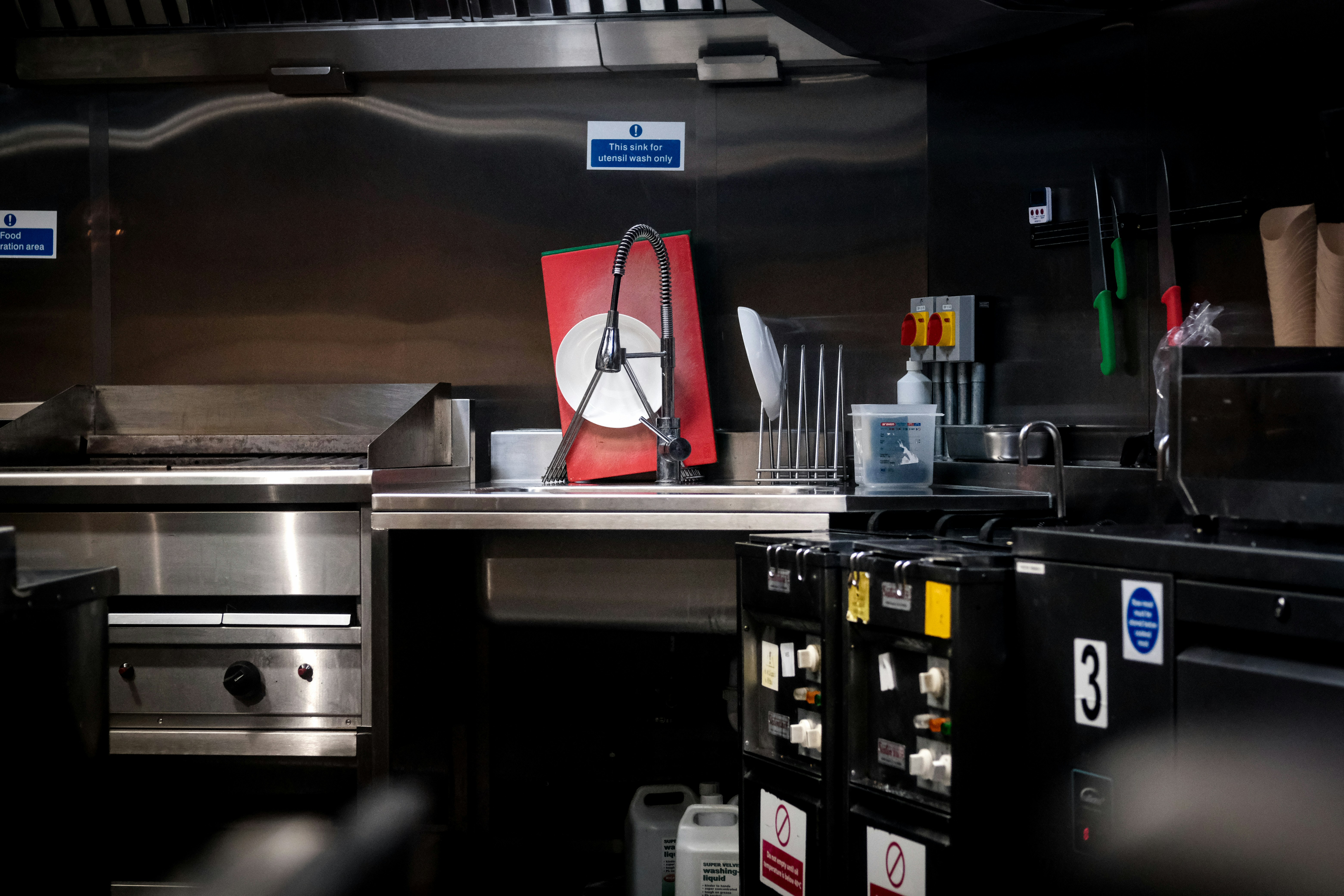
A well-organized kitchen plays a pivotal role in the success of any restaurant. The efficiency of restaurant operations largely hinges on how effectively the kitchen is arranged and equipped. An optimized layout not only facilitates smooth workflow but also helps endow kitchen staff with a clear path for executing their tasks, ultimately benefiting the overall dynamics of service provision.
First and foremost, an organized kitchen significantly enhances workflow. When kitchen stations are set up logically, with necessary equipment and ingredients readily accessible, staff can move swiftly between tasks with minimal interruptions. This streamlined flow is critical during peak hours, where speed and efficiency are essential. A clutter-free environment minimizes the likelihood of accidents and mistakes, which can directly affect food quality and customer satisfaction.
Furthermore, the mental well-being of the culinary team also sees improvement in a structured space. An organized kitchen reduces stress levels among staff as it cultivates an environment where everyone knows where items are stored and how their responsibilities align with the kitchen’s goals. This sense of order contributes to a more pleasant working atmosphere, which can reflect positively on the food being prepared and the level of service offered to patrons.
In addition to workflow and staff morale, good organization directly impacts food safety and compliance with health regulations. A tidy kitchen allows for better monitoring of food storage practices and makes it easier to carry out regular cleaning tasks. This ensures that the establishment remains compliant with health codes, thereby safeguarding the restaurant against potential violations that could lead to fines or closures. Overall, prioritizing an organized kitchen layout is integral to achieving a successful restaurant operation and fostering an enriching dining experience for customers.
Essential Kitchen Equipment and Tools
When establishing a restaurant kitchen, it is vital to invest in essential equipment and tools that facilitate efficient cooking, preparation, storage, and service. The right kitchen equipment not only enhances productivity but also ensures that the food meets quality standards. This section categorizes the essential kitchen tools into distinct segments to assist with selecting the appropriate equipment for both small and larger establishments.
Cooking Appliances: The heart of any restaurant kitchen is its cooking appliances. This category includes ovens (convection, combi, and pizza ovens), ranges, grills, fryers, and steamers. The choice of cooking appliances should align with the cuisine offered and the anticipated volume of customers. For instance, a pizzeria would benefit significantly from a high-quality, wood-fired pizza oven.
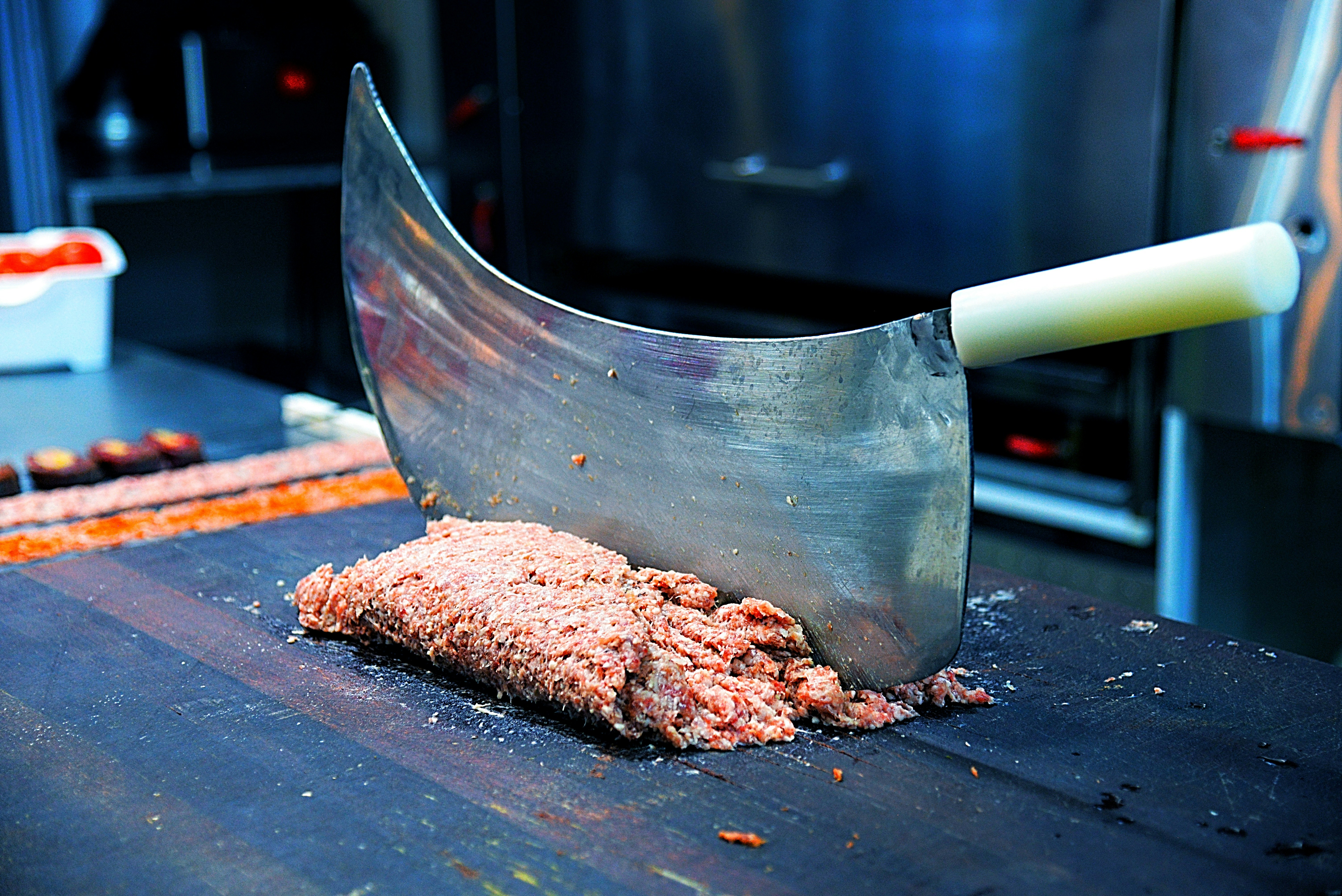
Food Preparation Tools: Food prep tools are indispensable for the efficient functioning of a kitchen. Essential items include cutting boards, knives (chef’s knives, paring knives), mixing bowls, food processors, and blenders. In a busy kitchen, multitasking tools can save time and streamline prep work. Additionally, investing in quality knives and utensils tailored to specific cooking styles can greatly enhance food preparation.
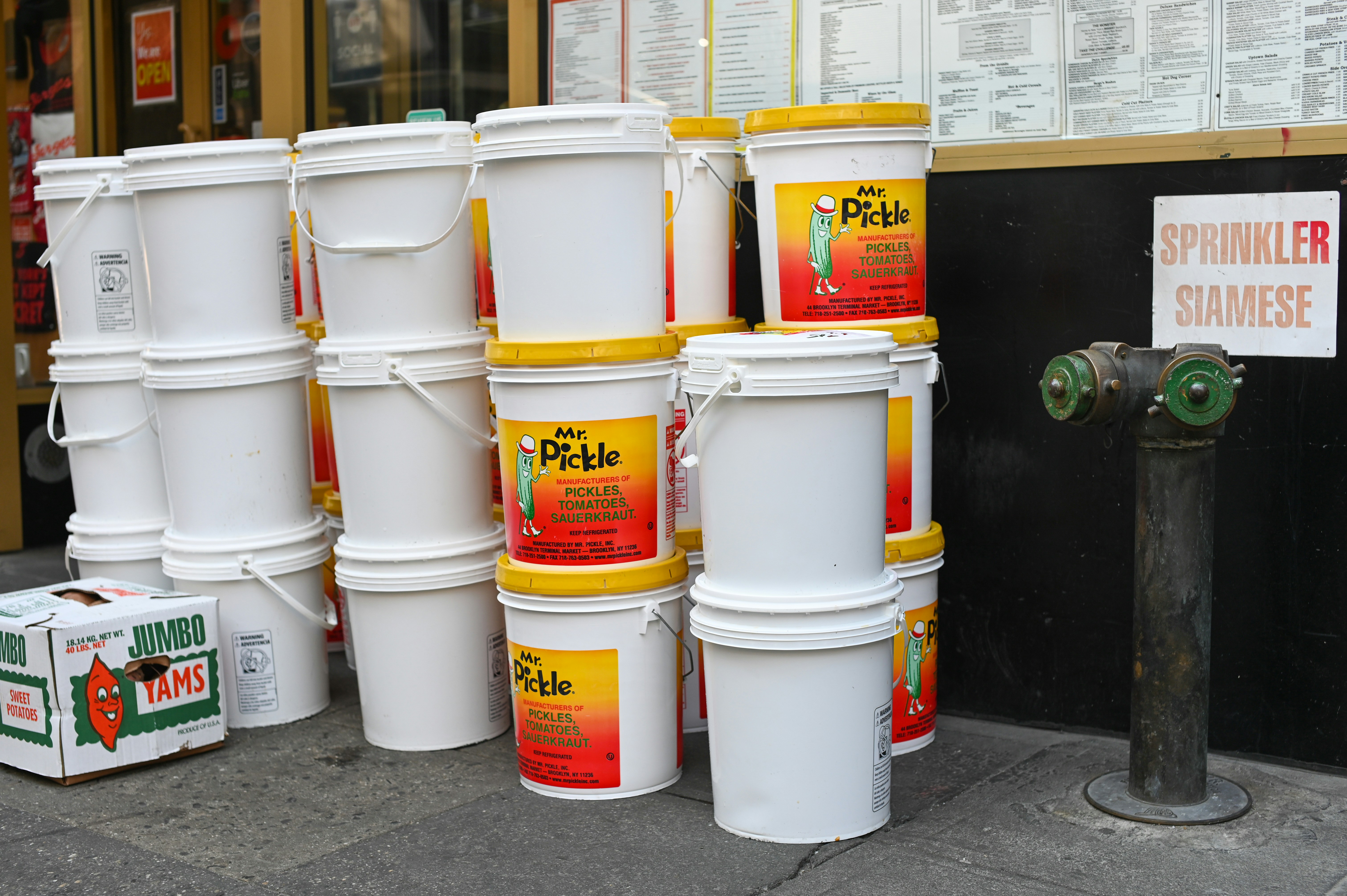
Storage Solutions: Maintaining proper storage solutions is fundamental to a restaurant’s operational efficiency. Kitchen equipment in this category includes refrigerators, freezers, and shelving units for dry and cold storage. Restaurant owners must consider the volume of ingredients to be stored and ensure that space is optimized for easy access and inventory management. Vacuum sealers and airtight containers can also prolong the shelf life of ingredients, thereby minimizing waste.
In summary, equipping a restaurant kitchen with the right tools and equipment not only boosts productivity but also enhances the quality of service. By carefully selecting cooking appliances, food preparation tools, and storage solutions according to the restaurant’s specific needs, operators can create an efficient and effective culinary environment.
Designing the Kitchen Layout
Creating an efficient kitchen layout is crucial for any restaurant, as it directly affects workflow, efficiency, and communication among staff. There are several kitchen layout designs to consider, each presenting unique advantages and challenges. The three most common layouts are the traditional kitchen, assembly line, and island layout.
The traditional kitchen layout is characterized by its defined work stations, zoning areas for various tasks such as cooking, baking, dishwashing, and food preparation. This design facilitates effective communication among staff, as various stations are distinctly separated but still within eye shot. Ensuring that each zone minimizes unwanted traffic is vital to maintaining an organized workspace and streamlining operations.
The assembly line layout is particularly useful for restaurants that aim to serve a high volume of food quickly. In this design, stations are arranged in a linear sequence to reflect the order in which each task must be completed. This is ideal for fast food establishments or cafés with a limited menu. Careful planning of these stations can greatly enhance efficiency, as each staff member can specialize in a specific phase of food preparation, reducing overall preparation time.
The island layout adds versatility to the kitchen, featuring a central island that can be used for various purposes, such as food prep, cooking, or plating. This design not only creates an aesthetically pleasing environment but also encourages communication among staff, as everyone is accessible. When spacing is at a premium, the island layout can be advantageous, as it consolidates essential tasks into a central location and promotes ease of movement.
In developing any kitchen layout, attention to traffic flow and optimizing available space is key. Staff should be able to move freely between stations without congestion, and careful consideration of appliance placement can help achieve this goal. Ultimately, the chosen kitchen layout should enhance productivity while ensuring safety and communication among the culinary team.
Staff Roles and Kitchen Operations
The organizational structure of a restaurant kitchen is essential for smooth operations and high-quality food service. At the helm is the head chef, often referred to as the executive chef, who not only manages the kitchen staff but also creates the menu, oversees food preparation, and ensures the quality of dishes served. The head chef is integral in establishing the restaurant’s culinary direction and often leads by example in maintaining standards.
Underneath the head chef, there are several critical roles that contribute to efficient kitchen operations. The sous chef, often considered the second-in-command, assists in managing kitchen staff and coordinating kitchen activities. Line cooks are responsible for preparing the ingredients and cooking dishes, each specializing in different types of food preparation according to the restaurant’s menu. A prep cook supports the line cooks by prepping ingredients, whereas the dishwasher plays a crucial role in maintaining cleanliness and equipment readiness, which is vital in a busy kitchen environment.
Clear communication among kitchen staff is paramount for effective operations. Miscommunication can lead to errors in orders or delays in service, both of which can negatively impact customer satisfaction. Implementing regular training protocols helps ensure that all staff members are familiar with their responsibilities and the overall workflow. This training can include culinary techniques, sanitation standards, and safety procedures, all of which foster a culture of professionalism.
Building a positive working environment is equally important in a restaurant kitchen. This can be achieved by encouraging teamwork and effective collaboration among staff. Regular team-building activities and recognition of individual efforts can enhance morale, making the kitchen not only efficient but also a more enjoyable place to work. A well-structured kitchen team, marked by positive dynamics, is essential for delivering exceptional dining experiences.