


Essential Equipment for a Takeaway Shop
In the competitive arena of the food service industry, the success of a takeaway shop hinges significantly on the use of appropriate and efficient equipment. Implementing the right tools not only streamlines daily operations but also enhances the overall customer experience. Each piece of equipment plays a pivotal role in the workflow, influencing everything from food preparation to order fulfillment.
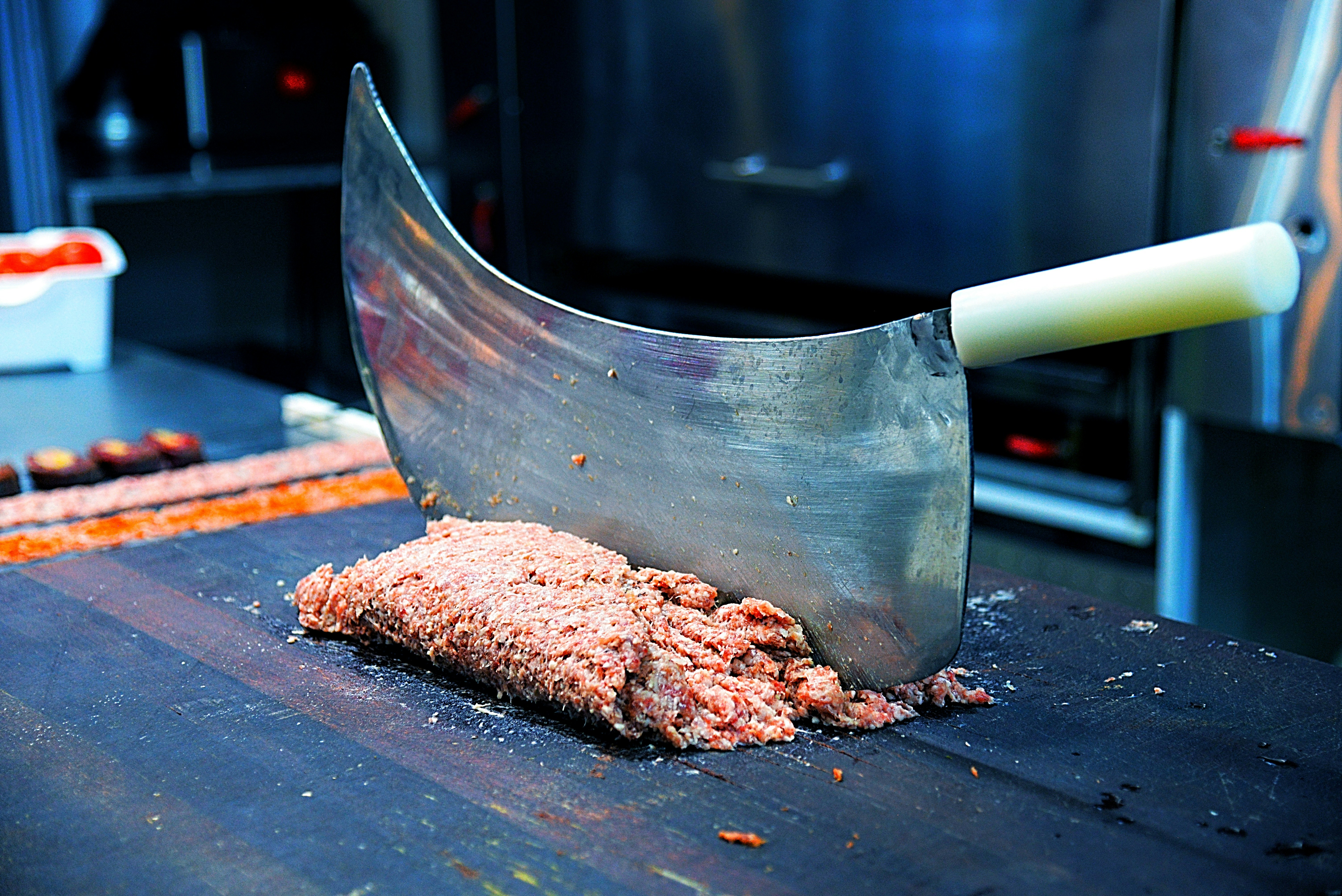
Firstly, food preparation tools such as high-quality knives, cutting boards, and mixers are indispensable as they facilitate the efficient handling and processing of ingredients. By utilizing specialized equipment, takeaway shop owners can ensure consistency in portion sizes and maintain food safety standards, both of which are essential for customer satisfaction.
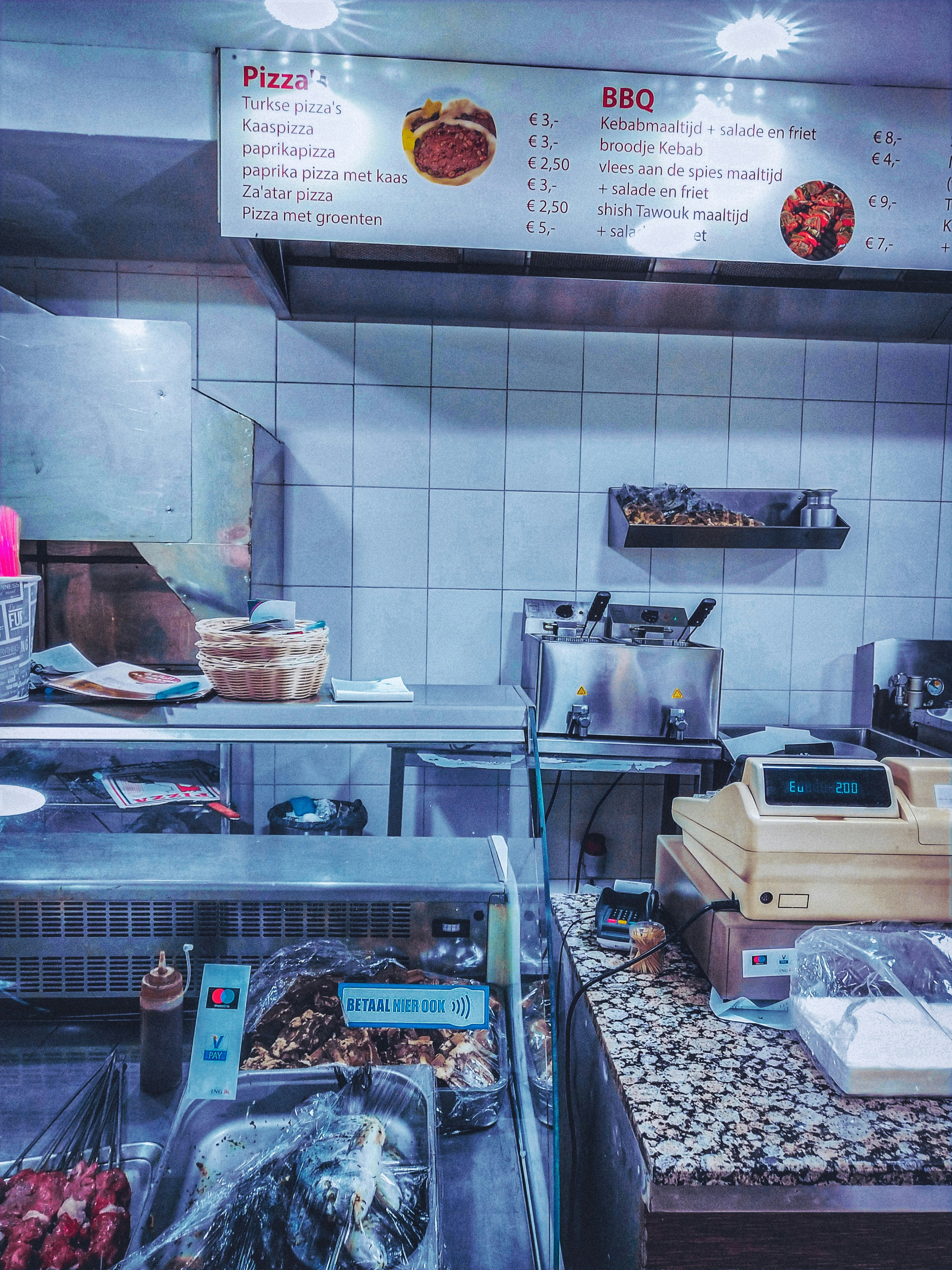
Secondly, cooking and heating equipment, including ovens, fryers, and microwaves, are crucial for delivering hot and fresh meals quickly. The performance of these appliances directly affects the speed of service, which is a vital component of a takeaway shop’s operational efficiency. Investing in high-capacity appliances can help manage larger orders during peak times, thereby preventing delays and enhancing the overall dining experience.
Moreover, keeping food at optimal temperatures is vital for quality assurance and food safety. Refrigeration units, such as chillers and freezers, are essential for preserving perishable items, ensuring that ingredients remain fresh until they are prepared for serving. The right storage solutions also contribute to a cleaner workspace, promoting good practices in food handling.
In addition, efficient point-of-sale (POS) systems help streamline order management and payment processing. Modern POS systems integrate various functions such as inventory tracking and sales analytics, making them invaluable for operational efficiency.
In conclusion, equipping a takeaway shop with efficient kitchen and service tools is paramount to its success. Choosing the right equipment not only enhances food quality and safety but also promotes a smooth workflow that improves customer service and satisfaction.
Cooking Appliances
In the context of establishing a successful takeaway shop, the selection of cooking appliances is paramount, as they play a crucial role in food preparation and overall operational efficiency. Key appliances, including fryers, grills, ovens, and steamers, not only enhance the quality of the food but also contribute to achieving consistent flavor profiles that attract repeat customers.
Fryers are indispensable for preparing an array of popular takeaway items, such as French fries, chicken wings, and onion rings. Their ability to achieve high temperatures quickly allows for rapid cooking, an essential factor in busy service periods. When choosing a fryer, it is vital to consider the capacity and the oil filtration system, which can improve the lifespan of the oil while ensuring food quality.
Grills are another essential component, particularly for takeaway shops that specialize in burgers, sandwiches, or kebabs. A good grill should offer precise temperature control to allow for the perfect sear and flavor development. Options like gas or electric grills can be preferred based on space and fuel availability, but the focus must remain on selecting a model that can handle the expected output efficiently.
Ovens, particularly convection ovens, can vastly improve the quality of baked or roasted items in a takeaway menu. These ovens distribute heat evenly and cook food uniformly, enabling a variety of dishes, from pizzas to baked desserts. Investing in an energy-efficient model also contributes to lower utility costs, creating savings in the long run.
Lastly, steamers are invaluable for healthy meal preparation, as they retain nutrients better than other cooking methods. With an increasing consumer demand for healthier options, incorporating a commercial steamer can enhance menu versatility, allowing the preparation of vegetables, seafood, or dim sum smoothly. In selecting any of these appliances, it is crucial to consider the specific menu items offered and the anticipated volume of sales to ensure appropriate capacity and functionality.
Food Storage Equipment
In the operations of a takeaway shop, efficient food storage equipment is paramount in ensuring that ingredients remain fresh and safe for consumption. Essential components of food storage include refrigerators, freezers, and dry storage units. Each of these storage solutions has a unique role in maintaining food quality while adhering to health and safety regulations.
Refrigerators are crucial for storing perishable items such as meats, dairy, and ready-to-eat foods. They operate at temperatures between 0°C to 4°C, inhibiting the growth of harmful bacteria. For takeaway shops, it’s vital to routinely monitor the temperature of refrigerators to ensure compliance with health codes and to safeguard public health. Regular maintenance and cleaning also contribute to the longevity of these units.
Freezers, on the other hand, provide a means to preserve food for longer periods by operating at temperatures below -18°C. This is particularly useful for bulk storage of frozen items, such as vegetables, meats, and pre-prepared meals. It’s important to properly label and organize contents in the freezer to avoid confusion and minimize waste due to expired products.
Dry storage units are essential for non-perishable ingredients, including canned goods, grains, and spices. These units should be kept in a cool, dry place to prevent spoilage and contamination. Proper organization is key; categorizing food items and implementing a first-in, first-out (FIFO) system can help ensure that older stock is utilized before newer deliveries, thus minimizing food waste.
Overall, implementing the right food storage solutions enables takeaway shops to maintain the freshness and safety of their offerings. By investing in quality refrigeration and storage equipment, shop owners can bolster compliance with health regulations while enhancing overall operational efficiency.
Utility Equipment
In the operation of a takeaway shop, the choice of utility equipment plays a vital role in ensuring that food preparation and hygiene standards are maintained effectively. Essential items in this category include sinks, dishwashers, food prep tables, and other necessary washing stations. These components not only facilitate the cooking process but also contribute significantly to the maintenance of cleanliness within the workspace.
Firstly, sinks are imperative for handling various cleaning tasks. It is recommended that takeaway shops have several sinks designated specifically for washing hands, food items, and utensils. Handwashing stations must be equipped with hot water and antibacterial soap, adhering to health department regulations to promote hygiene. Additionally, having separate preparation sinks for vegetables and other food items further helps in preventing cross-contamination.
Dishwashers are another crucial piece of utility equipment. A commercial-grade dishwasher reduces the time required for post-service cleaning while ensuring that all dishes and utensils are sanitized adequately. High-temperature dishwashers may provide a more thorough clean, meeting health codes while improving efficiency, especially during peak hours. Investing in reliable dishwasher technology is essential for any successful takeaway operation.
Food prep tables are equally important in creating organized workspaces that enhance workflow and minimize food safety risks. Ideally, these tables should be made from non-porous materials that are easy to clean and maintain. Additionally, ensuring that food prep tables are located near washing stations allows for convenient transitions between cooking and cleaning tasks.
Overall, having the appropriate utility equipment is not simply about functionality; it is indispensable for compliance with health regulations and ensuring safety in food preparation. Investing in quality utility equipment not only streamlines operations but also promotes a hygienic environment within the takeaway shop, fostering customer trust and satisfaction.
Packaging Supplies
In the fast-paced environment of a takeaway shop, efficient and effective packaging supplies play a vital role in delivering quality food to customers. Choosing the right types of packaging materials can enhance customer satisfaction and influence brand perception. Various components are essential for optimal food service, including containers, bags, utensils, and napkins.
Containers are the cornerstone of takeaway packaging, designed to safely hold various food items while preventing spillage and maintaining temperature. Options range from biodegradable containers to durable plastic variants. Each option serves different food types, with specific containers suited for hot soups, salads, or fried items. Choosing eco-friendly containers can also appeal to environmentally conscious customers, further enhancing the brand image.
Bags, typically used for carrying multiple orders, should not only be strong and reusable but also aesthetically pleasing. Custom-printed bags can carry a restaurant’s branding, effectively serving as a marketing tool that customers take home. Additionally, offering bags made from recyclable materials aligns with sustainability goals and can positively influence customers’ perceptions.
Utensils and napkins, though often overlooked, are crucial in providing a complete service experience. The selection of cutlery should be practical, allowing for easy use while reflecting the quality of the food being served. Providing both forks and spoons, as well as eco-friendly options, showcases a commitment to customer convenience. Napkins also play a significant role in cleanliness and comfort, with the availability of high-quality napkins adding to the overall takeaway experience.
Ultimately, the choice and quality of packaging supplies not only uphold food integrity during delivery but also serve as a direct reflection of a takeaway shop’s commitment to its customers. When effectively utilized, these elements can significantly elevate brand perception and customer loyalty.
Point of Sale (POS) System
A reliable Point of Sale (POS) system is a crucial component for any successful takeaway shop. It serves as the central hub for managing transactions, processing payments, and overseeing orders, significantly impacting customer satisfaction and operational efficiency. A well-functioning POS system streamlines the ordering process, ensures accuracy, and provides real-time sales data, which are essential for making informed business decisions.
One of the primary functions of a POS system is order management. This feature allows staff to input orders quickly and accurately while minimizing wait times for customers. Many modern POS systems are equipped with user-friendly interfaces that make it easy for employees to select menu items, customize orders, and apply discounts. Furthermore, they can integrate with kitchen display systems, ensuring that orders are transmitted directly to the kitchen staff without delays or misunderstandings.
Payment processing is another vital aspect of POS systems. They typically support a range of payment options, including credit cards, debit cards, mobile payments, and cash transactions, enabling customers to choose their preferred method. This flexibility not only enhances the customer experience but also helps to increase sales by catering to diverse payment preferences. Security is a paramount consideration when selecting a POS system; it is essential to choose one that complies with industry standards for data protection to safeguard customer information during transactions.
When selecting the right POS system for a takeaway shop, it is crucial to consider specific business needs and budget constraints. Look for systems that offer scalability to accommodate growth, robust reporting features for financial insights, and reliable customer support. Taking the time to evaluate different options will ensure that the chosen POS system aligns well with the operational goals of the takeaway shop, ultimately contributing to its overall success.
Safety Equipment
Ensuring a safe working environment is paramount for any takeaway shop. This not only protects employees but also fosters a sense of security for customers. Among the essential safety equipment, fire extinguishers are mandatory. According to local regulations, every takeaway shop must have functioning fire extinguishers easily accessible and routinely inspected. It is crucial to choose extinguishers that cater to specific risks associated with takeaway operations, such as grease fires which may occur from cooking equipment.
In addition to fire extinguishers, having a well-stocked first aid kit is vital. A first aid kit should include necessary supplies like adhesive bandages, antiseptic wipes, gauze pads, and any other items that might be essential for treating minor injuries. All staff members should be educated not only on the contents of the kit but also on how to use it effectively. A trained team can respond promptly to any medical emergencies, significantly reducing the risk of severe outcomes in case of accidents.
Furthermore, protective gear for staff is instrumental in ensuring their safety while performing daily tasks. Equip employees with items such as slip-resistant shoes, gloves, and aprons to minimize potential risks in the workplace. Slip-resistant shoes are particularly important in a kitchen environment where spills may lead to falls. Gloves can protect against cuts and burns, while aprons safeguard against liquids and food particles. By prioritizing the safety of employees through appropriate protective gear, a takeaway shop can enhance workplace safety standards.
In conclusion, adequate safety equipment like fire extinguishers, first aid kits, and staff protective gear is essential in a takeaway shop to comply with health and safety regulations. Through these measures, a business can ensure a safer environment for both employees and customers.
Cleaning Equipment
Maintaining a hygiene-first environment in a takeaway shop is crucial not only for customer satisfaction but also for compliance with health standards. The right cleaning equipment can make a significant difference in ensuring cleanliness and sanitation. Essential cleaning items include commercial-grade cleaners, mop systems, and sanitizers that are specifically designed for food-service environments.
Commercial cleaners formulated for food contact surfaces are necessary to effectively remove grease, food residues, and potential pathogens. These cleaners should be biodegradable and safe for food surfaces, meeting health regulations while ensuring environmental responsibility. Utilizing a multi-surface cleaner can help reduce the time and effort spent on daily cleaning tasks, allowing staff to focus on serving customers.
Mop systems equipped with microfiber technology are increasingly favored in takeaway shops due to their efficiency in trapping dirt and bacteria. A two-bucket mop system is recommended, where one bucket is designated for the cleaning solution and the other for rinsing. This method prevents the cross-contamination of surfaces and ensures that floors remain hygienically clean, which is vital during health inspections.
Furthermore, the regular use of sanitizers in a takeaway environment cannot be overstated. These products are essential for disinfecting countertops, equipment, and utensils post-cleaning. It is imperative to choose sanitizers that kill a broad spectrum of pathogens within a short contact time, as this impacts overall kitchen hygiene and safety. Routine cleaning, combined with effective sanitization practices, significantly contributes to a safe dining experience for customers.
In conclusion, prioritizing the right cleaning equipment plays a pivotal role in maintaining health standards in a takeaway shop. This commitment to hygiene not only meets regulatory requirements but also helps to reassure customers about their safety, potentially increasing their return business.
Conclusion and Final Considerations
The establishment of a takeaway shop involves numerous decisions, particularly regarding the selection of essential equipment. Throughout this blog post, we have discussed the critical items that contribute to a takeaway shop’s efficiency and customer satisfaction. Key equipment such as cooking appliances, storage solutions, and point-of-sale (POS) systems play a fundamental role in ensuring that operations run smoothly.
When outfitting your takeaway establishment, it is vital to invest in high-quality equipment that meets both your operational needs and the expectations of your clientele. From commercial fryers to refrigerated display units, each piece of equipment is designed to enhance food safety, streamline service, and improve overall workflow. Additionally, considering the layout and design of your kitchen can further facilitate a more efficient working environment, enabling staff to perform their duties effectively.
Furthermore, maintaining this equipment with regular servicing and upgrades is necessary to guarantee longevity and reliability. This proactive approach not only minimizes unexpected breakdowns but also ensures compliance with health and safety regulations, which are paramount in the food service industry.
For prospective entrepreneurs entering the takeaway business, making informed investment choices regarding equipment is crucial. The right tools can significantly influence food quality, speed of service, and ultimately, customer satisfaction. As the takeaway landscape continues to evolve, emphasizing operational efficiency through proper equipment selection will be vital in navigating this competitive industry successfully.