


Understanding Your Freezer Needs
When selecting the appropriate size freezer for your business, it is imperative to assess several factors that can significantly influence your requirements. Firstly, consider the type of products you plan to store within the freezer. Different products have specific storage needs; for instance, ice cream and frozen meats require a strong, consistent temperature to maintain quality and safety. Conversely, items such as frozen vegetables or prepared meals may have slightly divergent storage specifications, affecting the size and type of freezer necessary.
Additionally, the volume of inventory directly impacts the required freezer size. Businesses that deal with large amounts of perishables or bulk orders will need a larger capacity to ensure they can store their products effectively without compromising on space or accessibility. Assessing the average quantity of inventory you expect to handle at any given time will guide you in selecting a freezer that can accommodate day-to-day operations smoothly.
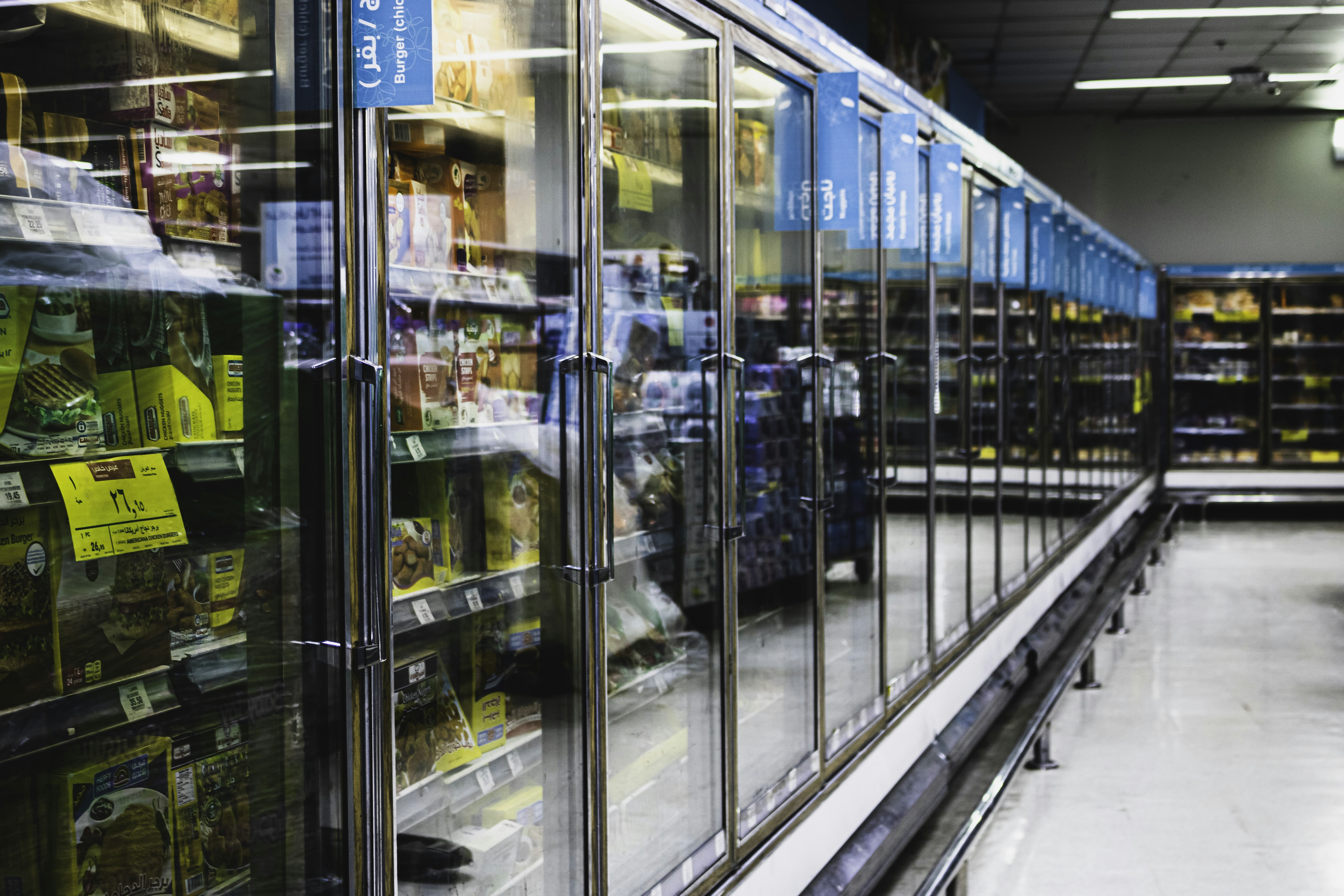
Another critical factor to consider is the expected usage patterns of your freezer. For example, if your business experiences fluctuating demands or seasonal variations, you may need to factor in temporary stock increases during peak periods. This may necessitate a larger freezer that can handle occasional overloads without impacting operational efficiency. Furthermore, understanding the specific business operations in food service or retail contexts can influence your freezer size requirement as well. Restaurants may need separate freezers for various product categories, whereas a retail business might require a display freezer that allows customers to view products directly.
In summary, comprehending your unique freezer needs requires careful consideration of product types, inventory volume, and operational patterns, ensuring that your selected freezer aligns with your business objectives and practices.
Measuring Your Space
When considering the purchase of a freezer for your business, the first and perhaps most critical step is to measure the designated area where the freezer will be placed. Accurate measurements ensure that the appliance fits comfortably while also allowing for necessary accessibility and ventilation. Begin by measuring the length, width, and height of the available space. It is essential to note not only the dimensions of the space but also the layout, especially in commercial settings where surrounding fixtures can influence placement options.
Take into account any doors, windows, or passageways that may restrict access or hinder the movement of the freezer into position. Accessibility is a key consideration; the freezer should be easy to reach for regular use and restocking. Ensuring that you can fully open the freezer doors without obstruction is also crucial for operational efficiency. Moreover, proper airflow is vital to maintain the freezer’s efficiency and longevity. Therefore, leave sufficient room for ventilation around the unit. Most manufacturers provide specific recommendations regarding optimal clearance on all sides for effective operation.
Additionally, consider the type of freezer that best suits your measurements and operational needs. For instance, upright freezers typically require less floor space but may need more vertical clearance, while chest freezers offer larger storage capacities but may need more room for access. The constraints of your physical space can significantly impact your choice of freezer type and size, making precise measurements indisputable in the decision-making process. In summary, accurately measuring your space is fundamental to choosing the right size freezer for your business, ensuring optimal functionality for your operational needs.
Types of Freezers Available
When selecting a freezer for your business, it is essential to understand the various types available, including upright freezers, chest freezers, and commercial walk-in units. Each type has distinct characteristics that cater to different storage needs and space constraints.
Upright freezers are designed like standard kitchen refrigerators but with a taller profile. These units are advantageous for businesses that require easy access to products since they allow for better organization with shelving. Commercial upright freezers typically come in various sizes, ranging from compact models that can hold a few cubic feet to larger units capable of accommodating over 25 cubic feet. However, the downside is that they often have less storage capacity than chest freezers.
Chest freezers, on the other hand, offer a more significant storage volume due to their horizontal design. These freezers are excellent for bulk storing frozen products, making them suitable for businesses like grocery stores and restaurants that need to stock large quantities. Chest freezers generally have a higher energy efficiency compared to upright freezers, but accessing items may require some bending or digging through the contents.
Commercial walk-in freezers represent the most substantial investment and are well-suited for businesses with intense storage needs, such as food distributors and large-scale catering companies. These units allow for high-volume storage and can be customized to fit specific spatial requirements. While walk-in freezers provide ample storage space, their installation costs and energy consumption can be higher than those of other types.
In conclusion, selecting the appropriate type of freezer hinges on your business’s specific storage requirements, space availability, and budget. Each type offers varying degrees of accessibility, storage capacity, and energy efficiency, making thorough consideration necessary to optimize your inventory management strategy.
Making the Final Decision
Choosing the right size freezer for your business demands thoughtful consideration of several critical factors. After evaluating your storage needs, understanding different freezer types, and reviewing energy efficiency ratings, it’s time to synthesize the information for an informed decision.
Start by assessing the options available within your desired capacity. It is advisable to chart out the expected growth of your business, which directly influences your long-term needs. For instance, a popular seasonal business might require a larger capacity in peak months but could manage with a smaller size during off-peak times. Opt for a system that accommodates fluctuations without incurring excess costs.
Energy efficiency is also paramount; investments in Energy Star-rated models can lead to substantial savings over time. While these models may have a higher upfront cost, the reduced utility bills can offset that expense significantly. Review the estimated yearly operational costs when comparing different freezer options.
Furthermore, budgeting for your freezer purchase is crucial. Take into account not only the initial costs but also installation and maintenance expenses. Creating a spreadsheet can help in maintaining a transparent overview of costs versus benefits. Additionally, consider warranty and service agreements, which can provide peace of mind and protect your investment.
To facilitate your decision-making, utilize the following checklist: 1) Determine the required capacity, 2) Evaluate energy efficiency ratings, 3) Estimate long-term needs based on growth projections, 4) Establish a comprehensive budget including installation and maintenance costs, and 5) Review warranties and service options. Following this checklist can guide you toward a final decision that fits both your current business needs and long-term operational goals.