


Essential Kitchen Equipment
Starting a restaurant requires careful consideration of the essential kitchen equipment that will facilitate smooth operations and ensure high-quality food preparation. Among the foundational appliances, commercial ovens are crucial for baking and roasting, offering various functions to accommodate diverse cooking styles. Selecting the right oven type, whether it be convection, combi, or deck, is imperative for efficiency and meeting menu demands.
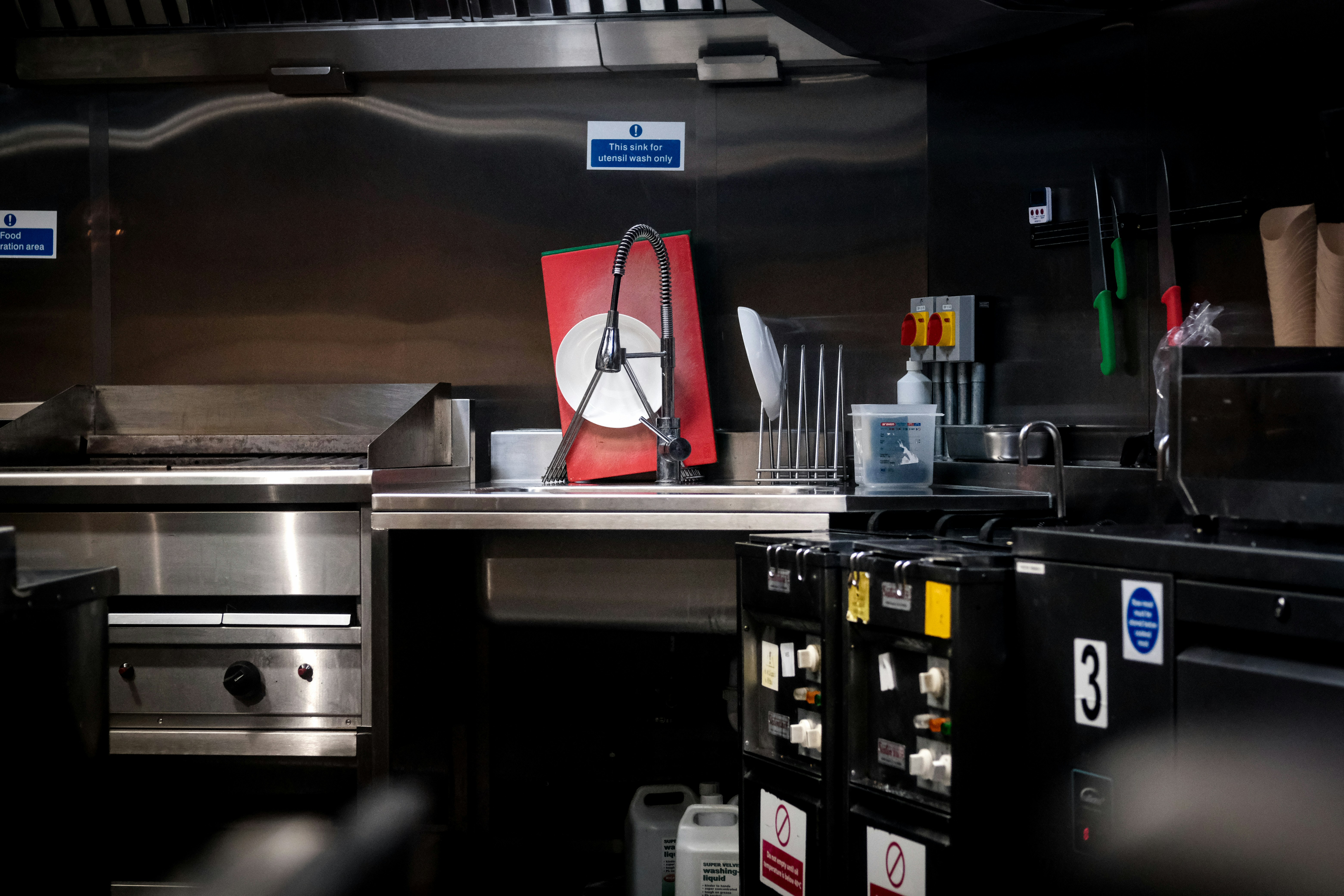
Similarly, stovetops are vital in any kitchen setup, providing the heat source needed for cooking a variety of dishes. Commercial ranges, equipped with multiple burners, allow chefs to execute several tasks simultaneously, optimizing workflow. When paired with grills and griddles, these appliances expand the types of food that can be prepared, enhancing the menu’s variety.
Refrigeration units, such as walk-in coolers and freezers, play an essential role in food safety and inventory management. They ensure that perishable ingredients are stored at safe temperatures, preserving their freshness. Adequate refrigeration is not only critical for daily operations but also affects the quality of dishes served.
Furthermore, commercial mixers and food processors are indispensable tools for preparing ingredients efficiently. They reduce manual labor and increase consistency in food preparation, which is crucial for maintaining quality. Chefs can mix, blend, and chop various items, making essential tasks such as dough preparation or salad chopping significantly easier.
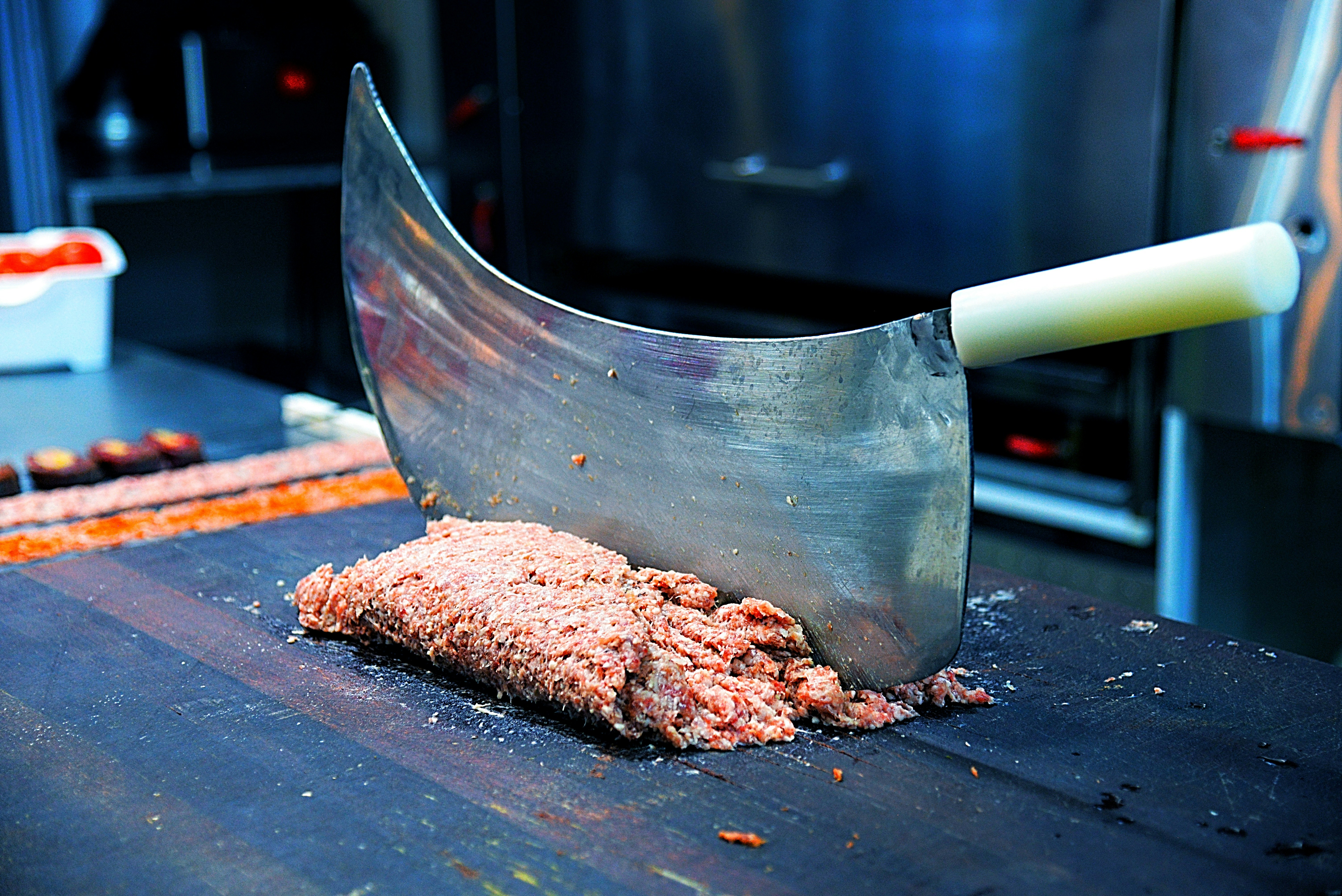
Finally, knives and cutting tools cannot be overlooked. High-quality knives are an investment that significantly impacts a chef’s ability to prepare food effectively. From chef’s knives to paring knives, having the right tools is essential for speed and precision in food preparation.
Service and Dining Equipment
When starting a restaurant, selecting the appropriate service and dining equipment is crucial to create an inviting atmosphere and ensure operational efficiency. The choice of equipment influences not only the aesthetic appeal of your restaurant but also the overall dining experience for customers. Key equipment includes tables, chairs, dishes, glassware, and silverware.
Tables and chairs are essential components that contribute to the layout and flow of your dining area. The style and material of these pieces should align with your restaurant’s concept. For instance, a casual dining establishment may benefit from comfortable, durable wooden tables and chairs, while a fine dining restaurant might opt for elegant, upholstered seating. Seating arrangements also play a significant role in customer comfort, as they impact both the dining experience and the efficient movement of staff.
In regard to dishware, selecting the right plates and bowls can significantly affect food presentation. High-quality, visually appealing dishes not only enhance the aesthetics but also contribute to customer satisfaction. It’s advisable to choose tableware that complements the type of cuisine offered in your restaurant. For example, vibrant dishes might suit a casual eatery, whereas minimalist white plates are often preferred in upscale dining settings.
Glassware and silverware are equally important, as they contribute to the overall dining experience. Depending on the menu, investing in a varied selection of glassware for different types of beverages can elevate the service standard. For silverware, it’s essential to choose durable and stylish options that align with the restaurant’s theme. Easy-to-handle utensils can also enhance the dining experience, allowing guests to enjoy their meals comfortably.
Ultimately, an optimal selection of service and dining equipment can significantly improve customer satisfaction while enhancing the aesthetic and operational efficiency of your restaurant.
Safety and Sanitation Equipment
Ensuring a safe and clean environment is fundamental in the restaurant industry. As a startup, investing in the appropriate safety and sanitation equipment is essential for compliance with health regulations and the overall well-being of both staff and patrons. One of the first items to consider is the installation of fire extinguishers. These should be strategically placed throughout the restaurant, particularly near the kitchen, to effectively combat potential fire hazards. Regular inspections and maintenance of these fire safety devices must be performed to guarantee their optimal functionality.
First aid kits are another crucial component of safety equipment. It is imperative to have well-stocked first aid kits accessible to address any minor injuries that may occur during food preparation or service. Staff training in basic first aid can further enhance a safe working environment, ensuring that immediate assistance is available when needed.
Food storage solutions also play a vital role in maintaining sanitation. Adequate refrigeration units and food storage containers are necessary to keep perishables at safe temperatures and prevent foodborne illnesses. This includes utilizing color-coded cutting boards and utensils to avoid cross-contamination, which is a prevalent risk in busy kitchens.
Cleaning supplies are essential for day-to-day operations. This includes disinfectants, detergents, and sanitizers that comply with local health codes. Regular cleaning schedules should be established to ensure that all areas of the restaurant, especially high-touch surfaces, are well maintained.
Finally, the implementation of personal protective equipment (PPE) such as gloves and masks is vital in promoting staff health and safety. Training staff on the proper usage and disposal of PPE not only safeguards them but also contributes to overall food safety standards within the establishment.
Technology and Point of Sale Systems
In the contemporary restaurant landscape, the integration of technology, particularly through Point of Sale (POS) systems, is paramount. A POS system is not merely a cash register; it is a comprehensive solution that facilitates various operations within a restaurant. This technology allows for seamless transaction processing, inventory tracking, and sales analysis, which are critical for effective business management.
Modern POS systems go beyond traditional functions. They often incorporate features such as mobile payment processing, which caters to the growing trend of contactless transactions. With the increasing preference for flexibility among customers, a sophisticated POS system enables staff to take orders directly at the table, thus streamlining the dining experience.
Moreover, integration with inventory management software ensures that restaurateurs have real-time insights into stock levels. By leveraging this technology, owners can minimize waste and optimize order levels, contributing to more efficient operations. For instance, if a particular ingredient is running low, the system can automatically generate alerts or place orders, thus preventing stock shortages during peak hours.
Additionally, kitchen display systems (KDS) play a crucial role in enhancing efficiency within the kitchen area. These systems replace traditional paper tickets and allow for real-time communication between the front-of-house and back-of-house staff. With a KDS, chefs can receive orders instantly, track completion times, and modify cooking processes according to customer preferences without the delays often associated with handwritten tickets.
In conclusion, adopting advanced technological equipment, including POS systems, inventory management solutions, and kitchen display systems, is vital for modern restaurants striving for operational efficiency and enhanced customer service. By embracing these innovations, restaurant owners can create a streamlined workflow that not only improves productivity but also elevates the overall dining experience.