


Introduction to Meat Processing
Meat processing is a crucial component of the food supply chain, encompassing a variety of activities that transform raw meat into safe and consumable products. This process is vital for ensuring that both aesthetic and nutritional quality are maintained while also meeting safety standards that protect consumers. As a significant segment of the food industry, meat processing contributes to food preservation, enhanced flavor, and broader dietary options.
The significance of meat processing can be observed in the way it addresses food safety concerns. Through various methods such as curing, smoking, and refrigeration, processed meats are rendered safe for consumption and can be stored for extended periods without spoiling. These preservation techniques inhibit bacterial growth and enhance the shelf life of meat products, making them more accessible to consumers. This is particularly important in regions where fresh meat may not be readily available, allowing for a stable food supply.
On a broader scale, several types of meat products can be derived from different animals, including beef, pork, poultry, and even exotic meats. Processed products range from sausages, hot dogs, and deli meats to canned and jerky varieties. Each product category involves specific processing techniques that play a pivotal role in defining its taste, texture, and culinary application.
Moreover, hygiene and adherence to regulations are paramount within meat processing facilities. The industry is regulated to ensure that safety protocols are strictly followed to prevent contamination. This includes maintaining clean environments, proper handling of equipment, and conducting regular inspections. By prioritizing hygiene and regulation compliance, meat processing facilities help safeguard public health while delivering high-quality products to consumers.
Understanding the Meat Processing Workflow
The meat processing workflow is a comprehensive series of steps designed to transform an animal carcass into a consumable product while ensuring safety and quality. The initial step begins with sourcing animals from farms where humane handling practices are strictly adhered to. It is crucial that animals are treated with respect, minimizing stress during the transportation to the processing facility. This humane treatment not only aligns with ethical standards but also contributes to better quality meat.
Once at the facility, the next phase involves slaughtering, where animals are rendered unconscious in a manner that prevents pain. This operation must comply with specific regulations to ensure both ethical standards and sanitary conditions. Following slaughtering, the carcass undergoes a meticulous washing procedure to eliminate pathogens and contaminants, preparing it for further processing.
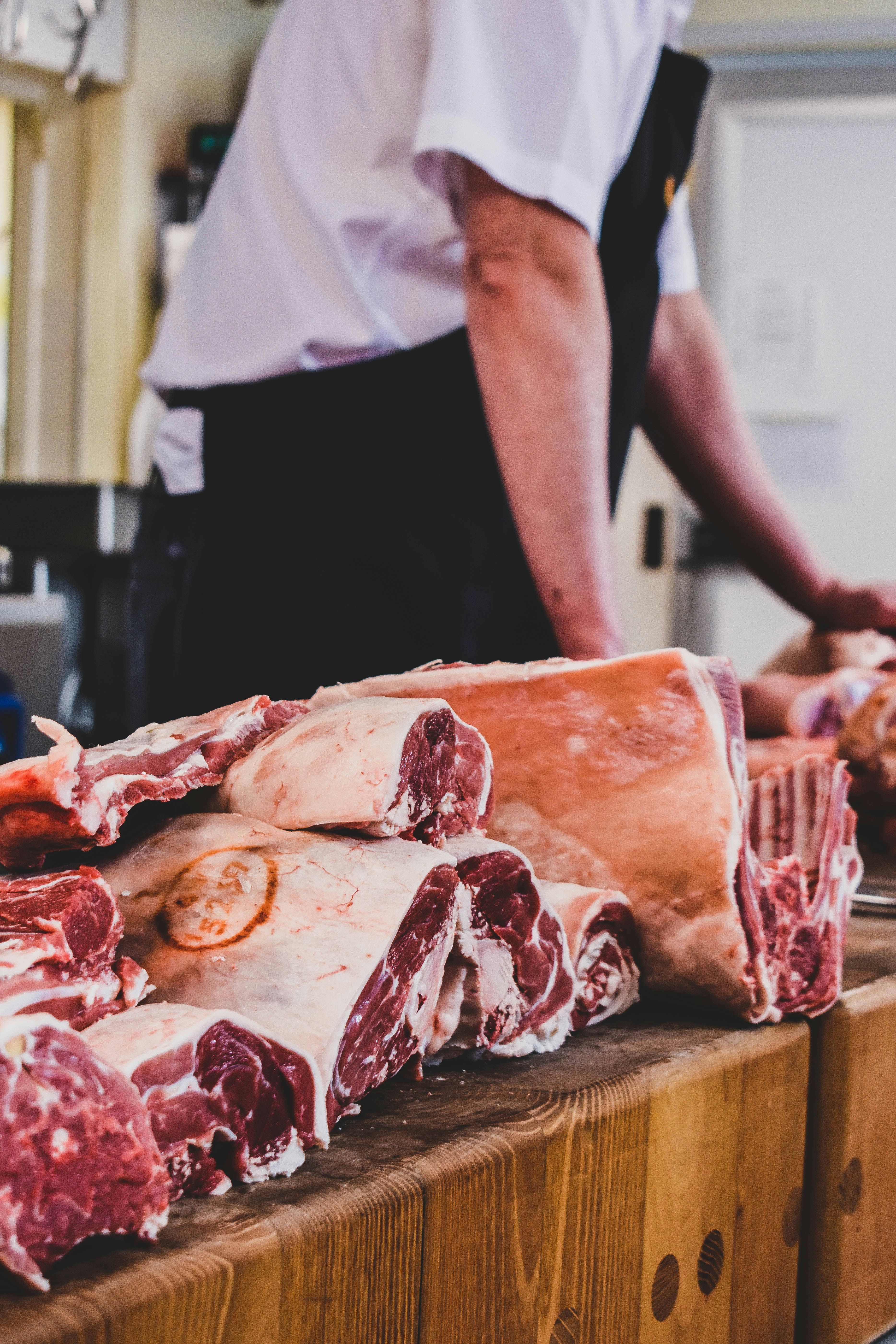
Subsequent stages include butchering, where skilled professionals cut the carcass into various meat cuts, trimming undesirable parts and removing excess fat. Each cut is then examined for quality, adhering to stringent health standards. After butchering, multiple methods may be employed to preserve the meat, such as curing, smoking, or freezing, ensuring that it maintains its freshness and flavor.
The cooling process is vital at this juncture. Rapidly cooling the processed meat inhibits the growth of harmful bacteria, significantly enhancing safety. Storage conditions must also meet specific temperature requirements to maintain the integrity of the meat.
Finally, packaging is the concluding step before meat is distributed to retailers or consumers. Proper packaging not only protects the meat but also provides information regarding its origins, storage guidelines, and expiration dates. Overall, the meat processing workflow comprises essential stages that collectively ensure the production of safe, high-quality meat products.
Essential Equipment and Tools
In meat processing, a variety of equipment and tools play a crucial role in ensuring efficiency, safety, and quality in the production of meat products. Among the most vital pieces of machinery are meat grinders, meat slicers, and smokehouses. Each of these machines serves a specific purpose that can greatly affect the outcome of the final product.
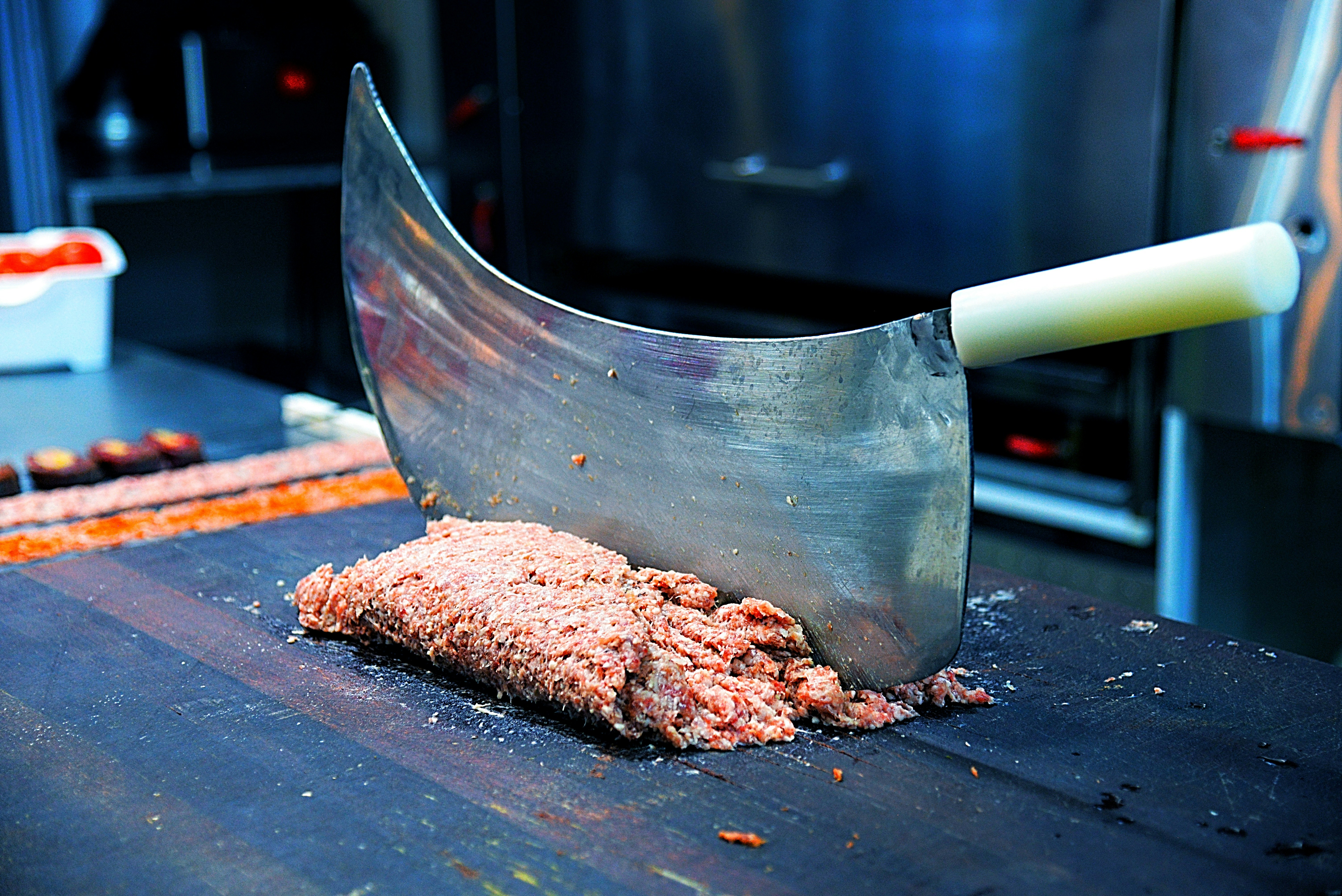
Meat grinders are used for breaking down larger cuts of meat into smaller, manageable pieces. They are essential for producing ground meat, which is often used in various products such as sausages and burgers. The choice of grinder, whether is a manual or electric model, can impact the texture and consistency of the ground meat, making it an important decision in the processing workflow.
Meat slicers provide precision in creating uniform slices, which is particularly important for deli meats and roasts. These machines can vary significantly in size and capability, from smaller countertop versions suitable for home use to larger commercial models that can handle high volumes. Proper operation and maintenance of slicers are essential to ensure blade sharpness and sanitation.
Another key piece of equipment is the smokehouse, which is used for flavoring and preserving meats through smoking. Different types of smokehouses allow for varying levels of control over flavor and temperature, affecting the final product’s quality. Familiarity with the specific requirements of your smokehouse is critical for achieving consistent results.
Alongside machinery, hand tools such as knives and saws are indispensable in the meat processing industry. High-quality knives designed for different types of cutting tasks, along with bandsaws for larger bones, play a significant role in maintaining efficiency and safety.
To prevent contamination, regular maintenance of equipment and strict sanitation practices for tools are essential. Cleaning tools thoroughly after each use and ensuring that machinery is properly serviced contributes significantly to food safety in meat processing environments.
Best Practices for Food Safety and Quality Control
Ensuring food safety and quality control in meat processing is paramount for maintaining consumer health and trust. One of the most critical aspects of this process is temperature control. Meat should be stored and processed at appropriate temperatures to inhibit bacterial growth. The USDA recommends that refrigerated meat should be kept at or below 40°F (4°C), while cooked meat must reach a minimum internal temperature of 165°F (74°C) to be considered safe for consumption. Regular monitoring of these temperatures throughout the workflow is essential in preventing foodborne illnesses.
Additionally, cross-contamination prevention is vital in any meat processing facility. This can be achieved by implementing strict separation protocols between raw and cooked products, as well as using different cutting boards and utensils for each category. Staff training on proper hygiene practices, such as handwashing and the use of personal protective equipment (PPE), is equally important to minimize the risk of contamination. Ensuring that all employees understand the significance of these practices can significantly reduce the chances of cross-contamination.
The importance of regular sanitation practices cannot be overstated. Cleaning surfaces and equipment frequently, especially after handling raw meat, helps eliminate any pathogens that may be present. Establishing a sanitation schedule, which includes deep cleaning during downtimes, can further enhance the safety of the processing environment. Quality assurance programs play an essential role in this aspect as well, providing guidelines for maintaining hygiene and monitoring compliance with safety standards. These programs help maintain high standards and ensure that meat products are safe and high-quality at the end of the processing workflow.