



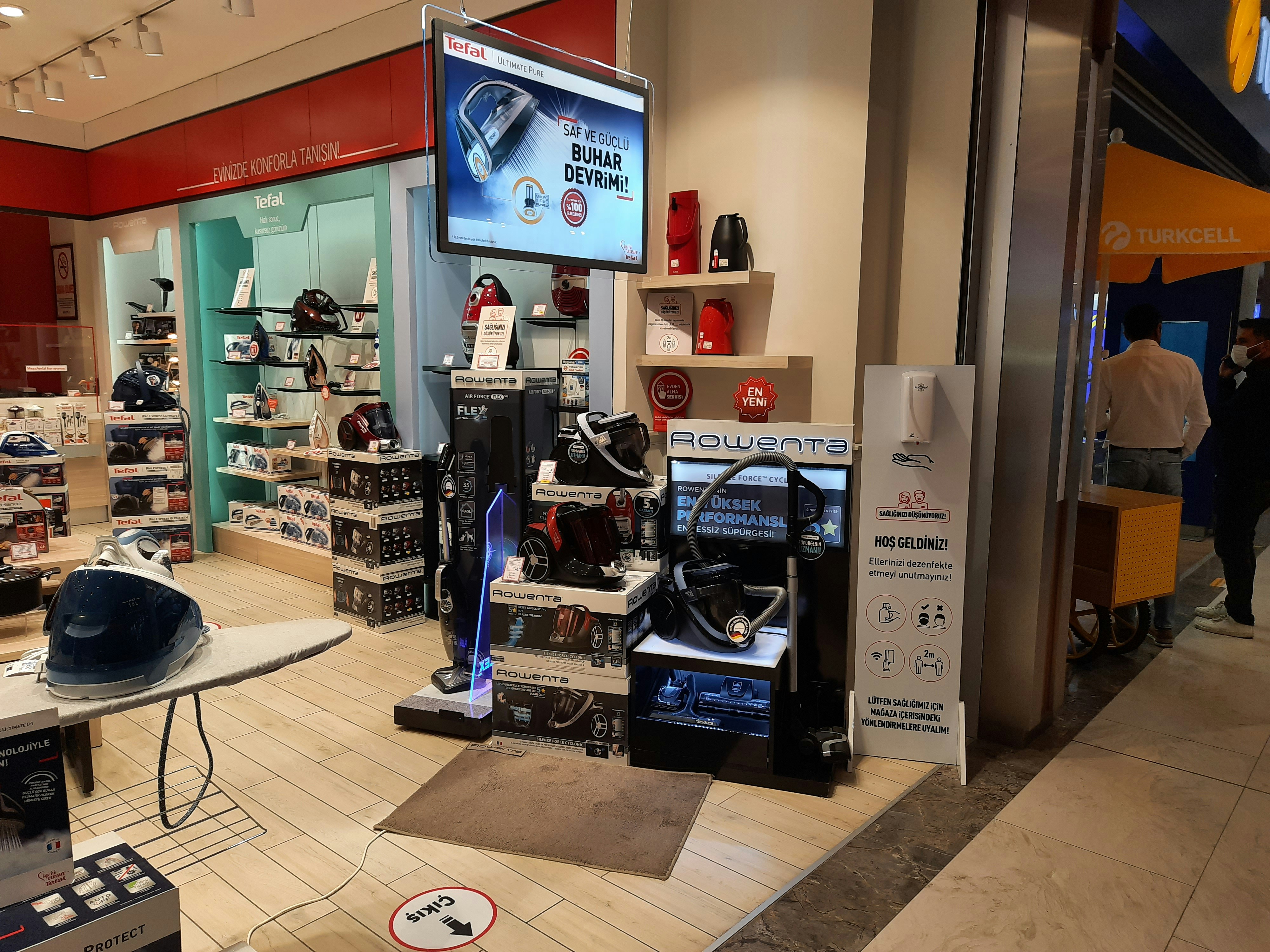
Introduction to Household Equipment Suppliers
Household equipment suppliers in South Africa play a vital role in providing essential products that enhance the quality of life for consumers. These suppliers cater to a wide range of needs, offering everything from kitchen appliances and cleaning tools to outdoor furniture and decorative items. This extensive selection is crucial as it allows households to equip themselves with necessary tools for daily living, thereby improving convenience and efficiency.
One of the primary functions of household equipment suppliers is to ensure that consumers have access to the latest and most reliable products available in the market. They serve as the intermediary between manufacturers and customers, often providing valuable insights into product features, durability, and functionality. Furthermore, these suppliers frequently stock a variety of brands, giving consumers the option to choose products that best fit their preferences and budget.
In addition to the basic household items, these suppliers typically provide a range of specialized equipment tailored to specific tasks. For instance, gardening tools, home improvement items, and electronic gadgets are increasingly in demand as consumers look to enhance their living spaces and streamline household chores. As such, the diversity of products available through these suppliers plays a significant role in meeting the evolving needs and preferences of consumers.
Overall, household equipment suppliers in South Africa are paramount in connecting consumers with the goods that enable them to perform daily activities safely and efficiently. The variety and quality of household equipment available from these suppliers is essential in fostering productive and comfortable living environments across the country.
Types of Household Equipment Sold
Household equipment encompasses a wide array of items essential for everyday living, and local suppliers in South Africa offer an extensive selection tailored to meet the diverse needs of consumers. One predominant category includes kitchen appliances, which range from basic items such as blenders and toasters to more advanced devices like smart ovens and multi-cookers. These appliances not only enhance the efficiency of food preparation but also contribute to modern culinary experiences.
Another significant segment of household equipment is cleaning supplies. This category includes tools such as vacuum cleaners, mops, brooms, and various cleaning agents. The demand for efficient and eco-friendly cleaning products is on the rise, as many consumers seek sustainable solutions for maintaining cleanliness in their homes. Suppliers often provide a variety of options, including specialized cleaning tools designed for different surfaces and purposes.
Furniture is also a vital part of household supplies, with various styles and materials available to cater to different tastes and preferences. From contemporary designs to traditional pieces, South African vendors offer everything from sofas and beds to dining tables and storage units. The furniture industry continuously evolves, adapting to trends, functionality, and space considerations, thereby helping consumers to create their ideal living environments.
Additionally, there is an increasing interest in home décor items, which includes decorative pieces, textiles, and lighting. These items play a crucial role in personalizing living spaces and enhancing comfort. As more individuals prioritize aesthetics and ambiance within their homes, suppliers have expanded their product lines to include a variety of options to match different interior design styles.
Top Household Equipment Suppliers in South Africa
South Africa is home to various household equipment suppliers, each offering a unique selection of products designed to meet the diverse needs of consumers. Among the leading suppliers, a few stand out due to their extensive product ranges and strong reputations.
One of the notable names is Makro, which operates as a wholesale retailer offering a wide variety of household equipment. Their product offerings include kitchen appliances, cleaning tools, and home improvement items. Makro is renowned for competitive pricing and regular promotions, which appeal to budget-conscious consumers.
Another prominent supplier is Game Stores, known for its commitment to providing quality products at affordable prices. Game offers a diverse selection of household items, from furniture to electronics, aiming to deliver value for money. Their extensive network of outlets across the country makes them a convenient choice for many households.
Builders Warehouse is particularly favored among DIY enthusiasts and homeowners undertaking renovations or construction projects. They stock a wide range of tools, home improvement materials, and household equipment tailored for both professional tradespeople and the average consumer. Their knowledgeable staff helps customers find the right products, enhancing the shopping experience.
Additionally, Defy, one of the leading manufacturers in South Africa, specializes in kitchen and laundry appliances. With a reputation for high-quality and innovative designs, Defy’s products are widely recognized for their reliability and efficiency in household tasks.
These suppliers are exemplary of the robust market for household equipment in South Africa. They each offer distinct advantages, catering to a variety of consumer preferences and needs. Their competitive pricing, vast selections, and customer service contribute to their standing as top suppliers in the region. As households continue to seek reliable equipment, these providers stand ready to meet the demand.
Benefits of Buying from Local Suppliers
Purchasing household equipment from local suppliers in South Africa presents a multitude of advantages for consumers. One of the primary benefits is accessibility. Local suppliers are typically situated within your community, making it convenient to visit their stores and physically inspect products before making a purchase. This interaction allows buyers to assess the quality and suitability of household items firsthand, enhancing their purchasing confidence.
Supporting local businesses creates a positive economic impact. When consumers choose local suppliers for their household equipment needs, they contribute to the livelihoods of their neighbors and stimulate the local economy. This sense of community often fosters a vibrant marketplace where better customer relationships can develop. Additionally, local suppliers tend to reinvest their earnings within the community, which can result in improved infrastructure and services.
Another significant advantage is the immediate availability of stock. Unlike online or international retailers that may have lengthy shipping times, local suppliers generally have their inventory on hand. This immediacy means that consumers can purchase and take home essential household equipment without delay. It also provides an opportunity for local suppliers to offer tailored recommendations based on their understanding of regional needs and preferences.
In terms of customer service, local suppliers often provide more personalized service than large-scale retailers. They tend to pride themselves on building lasting relationships with their customers, leading to an enhanced shopping experience. When challenges arise—be it product issues or questions about use—local suppliers are usually more responsive and readily available to assist. This commitment to customer satisfaction helps instill a sense of trust and loyalty, which is invaluable for sustained consumer engagement.
Sustainability and Ethical Sourcing
The household equipment supply industry in South Africa is increasingly recognizing the importance of sustainability and ethical sourcing in its operations. As consumers become more conscious of their environmental impact, suppliers are challenged to adapt their practices to meet these evolving demands. This has led to a significant shift in how products are sourced, manufactured, and delivered.
One of the critical aspects of sustainability in household equipment is the use of eco-friendly materials. Suppliers that prioritize sustainable practices often seek out products made from recycled, biodegradable, or renewable resources. For instance, several companies in South Africa are now offering kitchenware and cleaning products that are free from harmful chemicals, thus reducing the environmental footprint. Additionally, packaging solutions that promote sustainability, such as reusable or compostable materials, are gaining traction among responsible suppliers.
Ethical sourcing goes hand-in-hand with sustainability, focusing not only on the environmental impacts but also on the social implications of production processes. Suppliers committed to ethical sourcing ensure that their products are manufactured under fair labor conditions and that they support local communities. This approach not only enhances the company’s image but also fosters a sense of trust and loyalty among customers who value transparency and accountability.
Some notable suppliers in South Africa are leading the charge in this arena, providing consumers with a range of sustainable household equipment options. These companies are typically engaged in rigorous certification processes that align with international sustainability standards, ensuring compliance and quality. By integrating sustainable practices into their core business operations, these companies help promote a circular economy that benefits both people and the planet.
Trends in Household Equipment
The landscape of household equipment is continually evolving, reflecting changes in consumer preferences, technological advancements, and an increasing awareness of sustainability. One of the most notable trends in this domain is the rise of smart appliances. These devices, which include refrigerators, ovens, and washing machines, can connect to the Internet, allowing users to control and monitor them remotely through smartphones or tablets. The integration of artificial intelligence further enhances their functionality, allowing for customized settings and improved energy management.
Energy efficiency is also at the forefront of consumer priorities. As households strive to reduce their carbon footprint and lower utility bills, energy-efficient appliances have become increasingly popular. Manufacturers are investing in technologies that minimize energy consumption while maintaining performance. This has led to the development of appliances that not only meet but often exceed the standard efficiency ratings, thereby appealing to environmentally conscious consumers.
Furthermore, innovative designs are reshaping the aesthetics of household equipment. Modern consumers are looking for products that reflect their personal style while providing functionality. This has resulted in a trend towards sleek, minimalist designs, with appliances available in various colors and finishes that complement contemporary home decor. The functionality is often enhanced by ergonomics that improve usability, making tasks more comfortable and efficient.
Consumer preferences are shifting towards multifunctional equipment that saves space and time. For instance, kitchen appliances that combine multiple functions, such as baking, roasting, and grilling, are gaining traction in today’s compact living spaces. This adaptability reflects a broader trend towards versatility in household equipment, catering to the demands of busy lifestyles and the need for convenience.
In conclusion, the trends in household equipment are significantly influenced by the increasing integration of technology, heightened focus on energy efficiency, and design innovations. These advancements not only improve the functionality of household devices but also cater to the evolving needs and preferences of modern consumers in South Africa and beyond.
Tips for Choosing the Right Supplier
When searching for a household equipment supplier in South Africa, consumers should consider various factors to ensure they make an informed decision. One of the primary elements is the quality of the products offered. It is advisable to investigate the materials used and the overall craftsmanship of the items. Suppliers that have a reputation for high-quality goods often provide detailed specifications about their products. This transparency can give consumers confidence in their purchase.
Another important factor to consider is the warranty provided by the supplier. A solid warranty not only protects consumers from defects and malfunctions but also indicates the supplier’s commitment to their product’s durability. By evaluating the warranty terms, consumers can gauge the reliability of the brand and the potential longevity of their new equipment.
Customer reviews play a significant role in selecting a reliable household equipment supplier. Reading testimonials and feedback from previous buyers can offer insights into the supplier’s performance, product satisfaction, and service quality. Platforms such as online marketplaces and independent review sites can be valuable resources for gathering information. A supplier that consistently receives positive reviews and has a track record of satisfied customers is likely to be a trustworthy option.
Additionally, assessing the after-sales service is crucial. A reputable supplier should offer support services, including assistance with installation, maintenance, and troubleshooting. Effective after-sales service can greatly enhance the overall customer experience and ensure that any issues encountered can be swiftly resolved. In conclusion, consumers should prioritize product quality, warranty terms, customer feedback, and after-sales support when selecting a household equipment supplier in South Africa. By doing so, they can make a choice that meets their needs and expectations effectively.
Online vs. Offline Suppliers
The landscape of household equipment suppliers in South Africa is evolving, particularly with the growing popularity of online shopping. Consumers are faced with the choice between online and offline suppliers, each offering distinct advantages and disadvantages. Understanding these differences can help consumers make informed decisions based on their needs and preferences.
Online suppliers provide convenience and accessibility, allowing consumers to shop from the comfort of their homes. This is particularly beneficial for those who may not have easy access to brick-and-mortar stores. Online platforms often feature a wide range of products, allowing customers to explore various brands and models before making a purchase. Additionally, many online suppliers frequently offer competitive pricing and discounts, making it an attractive option for budget-conscious shoppers. However, potential drawbacks include the inability to physically inspect items before purchase, which can lead to dissatisfaction if the product does not meet expectations.
On the other hand, offline suppliers offer the tangible experience of shopping, where consumers can see and touch products. This direct interaction can facilitate a better understanding of product quality and suitability. Local suppliers often provide immediate solutions, as customers can take their chosen items home right away, avoiding shipping delays. Personal interaction with sales staff can also enhance the shopping experience, allowing customers to ask questions and receive tailored advice. However, offline shopping may be limited by geographic constraints, store hours, and potentially higher prices due to overhead costs associated with physical locations.
In conclusion, both online and offline household equipment suppliers have specific benefits and drawbacks. The choice between them should be guided by individual preferences, needs, and circumstances. Depending on whether convenience, product examination, or immediacy is more critical, consumers can opt for the shopping method that best suits their requirements.
Conclusion and Future Outlook
As we have explored throughout this blog, household equipment suppliers in South Africa play a vital role in the nation’s retail landscape. These suppliers not only provide essential products for everyday living but also contribute significantly to the local economy. The various factors influencing their operations include market demand, technological advancements, and shifts in consumer preferences.
One of the key takeaways is the rise of e-commerce, which has revolutionized how household equipment is marketed and sold. As more consumers turn to online shopping for convenience, it is crucial for suppliers to adapt their strategies accordingly. This includes enhancing their digital presence, offering competitive pricing, and ensuring prompt delivery services. The integration of advanced technologies such as augmented reality could further enhance consumer experience by allowing customers to visualize products in their environments before making a purchase.
Another area of potential growth for household equipment suppliers lies in sustainability. Consumers are increasingly inclined towards eco-friendly products, prompting suppliers to innovate by providing energy-efficient appliances and sustainable goods. The demand for products that align with an environmentally conscious lifestyle is expected to grow, and suppliers who can pivot towards this trend may find themselves at a strategic advantage.
Additionally, the evolving behaviors of consumers, influenced by socio-economic factors and lifestyle changes, necessitate flexibility in product offerings. Suppliers should consider diversifying their stock to meet the changing demands, such as offering smart home devices or multifunctional appliances that cater to dynamic living situations.
In conclusion, the future of household equipment suppliers in South Africa appears promising, with numerous opportunities for growth driven by technology, sustainability, and changing consumer preferences. By embracing these trends and adapting to the evolving market, suppliers can not only sustain their business but thrive in an increasingly competitive environment.