


Understanding the Importance of Reliable Restaurant Equipment Suppliers
Selecting the right restaurant equipment supplier is pivotal for the success and smooth operation of any dining establishment. The relationship between restaurant owners and their suppliers can significantly influence various aspects of business performance, including operational efficiency, food quality, and ultimately, customer satisfaction. Reliable suppliers ensure that restaurants have access to high-quality equipment that meets the demands of a fast-paced environment, ultimately contributing to better service delivery.
Quality of equipment is a critical consideration. When restaurants invest in durable, efficient, and safe kitchen appliances, they reduce the risk of malfunction that could lead to disruptions, increased repair costs, and even safety hazards. Reliable restaurant equipment suppliers not only provide high-quality products but also offer essential support services such as installation and maintenance, thus ensuring that the equipment operates optimally.
Another significant factor is the reliability of service. A dependable supplier guarantees timely deliveries, even during critical periods, which is essential for maintaining consistent service levels in a restaurant. Moreover, a trustworthy relationship with a supplier allows for better communication regarding order statuses, potential delays, and urgent needs, fostering a cooperative dynamic that benefits both parties.
Additionally, a diverse range of products is crucial for addressing the specific needs of different culinary operations. Having a wide selection enables restaurant owners to find the right equipment that aligns with their menu and production methods. From cooking appliances to refrigeration units and dishwashing facilities, finding a supplier that offers variety will greatly enhance operational efficiency.
Ultimately, the importance of selecting reliable restaurant equipment suppliers cannot be overstated. By prioritizing quality, service reliability, and product diversity, restaurant owners can enhance their operational efficiency, positively influence their meal preparation, and ensure customer satisfaction, thereby fostering long-term success in a competitive industry.
Types of Restaurant Equipment You Might Need
In the competitive landscape of the hospitality industry, selecting the right restaurant equipment is crucial for operational efficiency and customer satisfaction. Restaurant equipment suppliers typically offer a wide range of products, each serving a specific purpose within a food establishment.
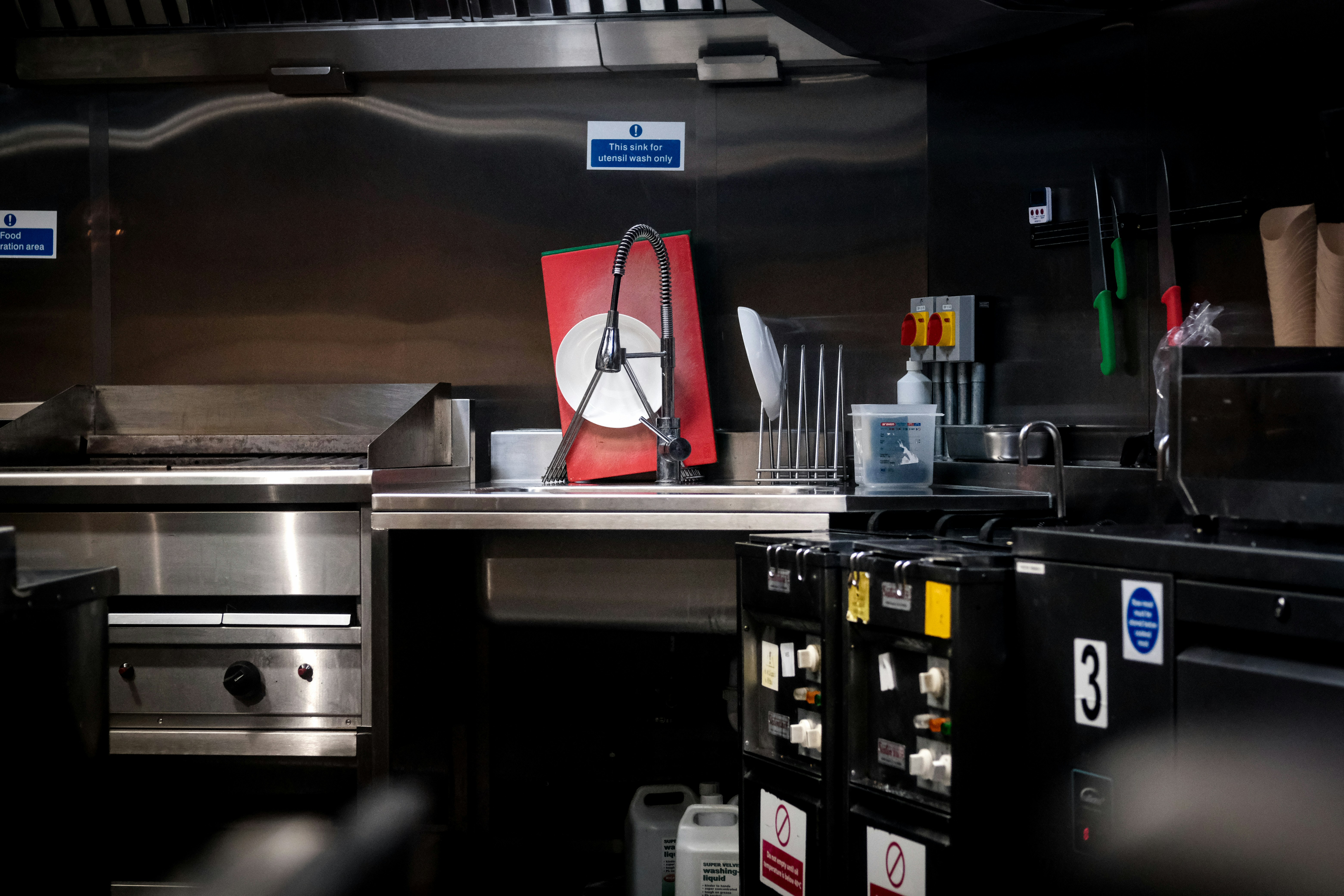
Firstly, kitchen appliances form the backbone of any restaurant’s operations. This category includes items such as ovens, stoves, refrigerators, and dishwashers. Each appliance is designed to help chefs prepare food efficiently, maintain food safety, and manage the volume of dishes to be cleaned. For instance, a high-quality commercial oven can significantly speed up the cooking process, thus enhancing food service.
Secondly, dining furniture is another essential aspect of restaurant equipment. Chairs, tables, and booths not only provide comfort for patrons but also help establish the establishment’s ambiance. Depending on the restaurant’s concept, supplies may vary from elegant dining tables for fine dining to casual seating for fast-casual eateries.
Cookware is another critical category, encompassing items like pots, pans, and baking trays. The quality of cookware can affect both the efficiency of meal preparation and the final taste of the dishes served. Choosing professional-grade cookware ensures durability and performance during high-demand kitchen hours.
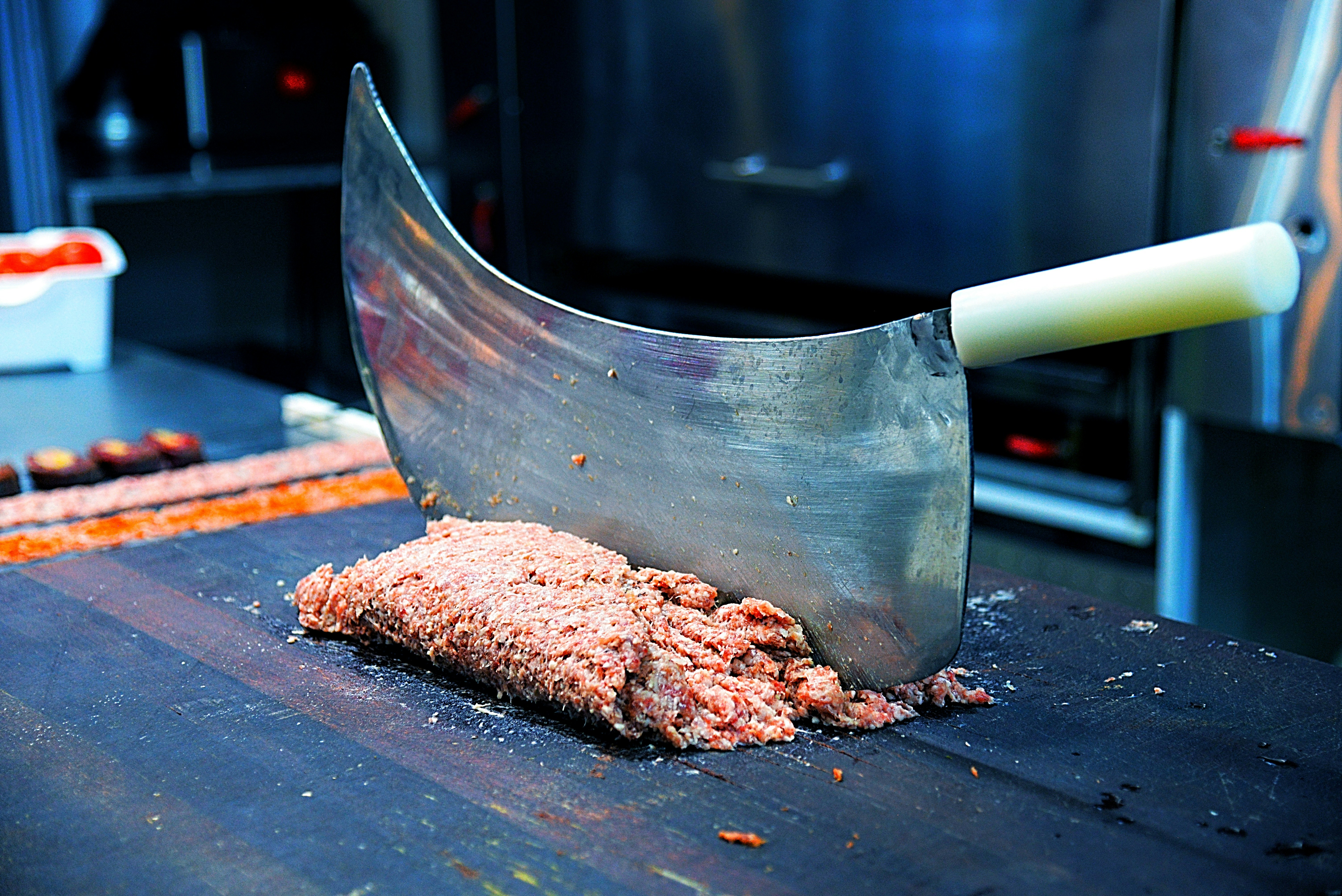
Additionally, utensils such as knives, spoons, and spatulas are vital for food preparation and plating. A good set of kitchen utensils ensures accuracy and safety in the kitchen while allowing chefs to execute their culinary vision seamlessly.
Lastly, other essentials such as food storage containers and serving equipment should not be overlooked. These items play a significant role in maintaining food safety and presentation. Understanding the various types of restaurant equipment available through suppliers can help restaurant owners make informed decisions to optimize their establishments.
How to Choose the Right Supplier for Your Restaurant Needs
When selecting a restaurant equipment supplier, it is essential to consider several factors that can significantly impact your operational efficiency and overall satisfaction. First and foremost, customer service should be a primary consideration. A reliable supplier should be responsive, knowledgeable, and willing to assist you with any queries you may have regarding their products. Prioritizing suppliers that offer excellent customer service ensures that you receive support throughout the purchasing process as well as any after-sale needs.
Next, review the supplier’s warranty policies. High-quality restaurant equipment often comes with substantial warranties that indicate the manufacturer’s confidence in their products. A solid warranty can provide peace of mind while protecting your investment, making it a critical aspect when evaluating different suppliers.
Additionally, consider the delivery options available. A supplier that can accommodate your timeline and ensure prompt delivery can greatly affect your restaurant’s setup and operational readiness. It’s advisable to inquire about shipping costs and timeframes, as well as the potential for expedited services if needed.
Pricing is another vital criterion, but it should not be the sole deciding factor. While it is tempting to go for the lowest price, consider the overall value offered by the supplier. This includes product quality, availability of replacement parts, and customer support. Assessing the full package can help you to avoid future issues that might arise from cut-rate equipment.
Finally, evaluate the after-sales support that the supplier provides. This encompasses warranty claims, troubleshooting assistance, and maintenance services, which can affect your long-term satisfaction with the supplier. A thorough evaluation based on these criteria will enable you to identify a supplier that aligns with your restaurant’s needs and expectations, ensuring a successful partnership.
Local Resources for Finding Restaurant Equipment Suppliers
When searching for reliable restaurant equipment suppliers in your vicinity, leveraging local resources can be greatly beneficial. One effective method is to utilize online directories that specialize in restaurant supplies. Websites such as Yelp or Google Maps not only provide lists of suppliers but also feature reviews and ratings from previous customers. This can aid in assessing the reputation and quality of the suppliers you are considering.
Another valuable resource is to attend industry trade shows. These events are excellent opportunities to connect directly with multiple suppliers, allowing you to view a wide range of products firsthand. Additionally, showcase events often provide demonstrations and special pricing, making them advantageous for restaurant owners looking to equip their establishments.
Joining local restaurant associations can also offer significant benefits. These organizations typically maintain a network of vetted suppliers and can provide recommendations tailored to your specific needs. Furthermore, becoming a member grants access to a wealth of shared knowledge and experiences from fellow restaurant owners, which can guide your purchasing decisions.
Word of mouth remains one of the most powerful tools in finding reputable suppliers. Engaging with other local restaurateurs can yield suggestions and insight into their experiences with various equipment providers. They may also be aware of suppliers that are not heavily advertised but offer excellent service and products.
Supporting local businesses not only helps foster a vibrant community but often leads to better customer service and faster response times than national suppliers. By utilizing these resources, restaurant owners can empower themselves with comprehensive information and make informed decisions when selecting their equipment suppliers.