


Introduction to Modern Carpets
Modern carpets represent a significant evolution from traditional carpet designs, characterized by their innovative materials, patterns, and construction techniques. The term “modern carpets” encompasses a wide array of styles that reflect contemporary aesthetics and consumer preferences. Unlike their traditional counterparts, which often featured classic motifs and heavier construction, modern carpets emphasize minimalist design, unique textures, and durable, sustainable materials.
One of the key characteristics of modern carpets is their focus on functionality combined with style. These carpets are designed to withstand the demands of modern living, offering durability and ease of maintenance. Innovations in carpet manufacturing have allowed for the use of synthetic fibers and blends that enhance the lifespan and performance of carpets while providing a variety of attractive finishes. Additionally, modern carpets often incorporate eco-friendly materials, appealing to the environmentally conscious consumer.
The evolution of modern carpet design has also been influenced by global trends, cultural influences, and advancements in technology. Contemporary interiors lean towards open layouts with a focus on individual expression, leading to an increased popularity of abstract patterns and bold colors in carpet design. While traditional carpets often adhered to symmetry and ornate designs, modern counterparts embrace an eclectic mix of textures and visual elements, allowing for greater customization and personal style.
The emergence of geometric patterns, vibrant hues, and innovative textures has made modern carpets a focal point in room design, providing homeowners with extensive options that serve both aesthetic and practical purposes. With contemporary carpets, consumers can create unique environments that reflect current trends while enjoying the benefits of advanced material technology. These carpets not only enhance the beauty of living spaces but also align with evolving lifestyle needs, marking their place in the market as a vital aspect of modern interior design.
Popular Styles of Modern Carpets
Modern carpets come in a variety of styles that cater to an array of aesthetic preferences and functional needs. By understanding these popular styles, homeowners and designers can make informed choices that enhance their interior spaces.
One of the most sought-after styles is the minimalist carpet. Characterized by its understated designs and neutral color palettes, minimalist carpets are perfect for creating serene and uncluttered environments. These carpets often feature solid colors and subtle textures, allowing them to blend seamlessly with contemporary decor. Ideal for modern living spaces, they promote a sense of calm while maintaining a sophisticated appearance.
Geometric carpets are another prominent style that has gained popularity in recent years. Featuring bold patterns of squares, triangles, and other shapes, these carpets often serve as statement pieces in a room. The vibrant designs can add visual interest and dynamic energy to any space, making them particularly suitable for creative environments or eclectic interiors. Geometric carpets are versatile, as they can complement both modern and traditional furniture styles.
Plush carpets, with their luxurious texture and soft feel, remain a classic choice for many homeowners. This style is characterized by high pile, creating a cozy and inviting atmosphere. Plush carpets not only enhance comfort underfoot but also contribute to the overall acoustics of a room by absorbing sound. They are particularly popular in bedrooms and living areas where comfort is paramount.
Lastly, abstract carpets offer a bold and artistic touch, ideal for those wishing to make a statement. With designs that range from vivid splashes of color to more muted artistic expressions, abstract carpets can transform a space into a gallery of unique aesthetics. These carpets often encourage creative expression, making them perfect for contemporary homes that embrace individuality and style.
Materials Used in Modern Carpets
Modern carpets are crafted from a variety of materials, each offering unique characteristics that cater to different needs and preferences. The most common materials include wool, nylon, polyester, and a range of natural fibers. Understanding the qualities of these materials is essential for selecting the right carpet for your space.
Wool is a traditional carpet material known for its luxurious feel and natural insulation properties. It is durable and resistant to stains, making it an excellent choice for high-traffic areas. However, wool requires regular maintenance, including professional cleaning, and can be more expensive than synthetic options.
Nylon is another popular material, favored for its resilience and versatility. It is highly durable, easy to clean, and resistant to wear, making it suitable for families with children and pets. However, nylon carpets can be prone to fading when exposed to direct sunlight and may not have the same eco-friendly attributes as natural fibers.
Polyester carpets are known for their softness and vibrant colors. This material is highly stain-resistant and offers a wide range of designs at a more affordable price point. However, polyester may not be as durable as nylon or wool, making it less suitable for areas with heavy foot traffic.
Natural fibers such as sisal, jute, and seagrass are environmentally friendly options that provide a distinctive aesthetic. These materials are biodegradable and offer excellent breathability. Nevertheless, natural fiber carpets can be more susceptible to moisture and may require specific cleaning methods to maintain their appearance.
Each carpet material has its advantages and disadvantages, making it crucial to consider factors such as durability, maintenance requirements, and eco-friendliness when selecting the right carpet for your home or office.
The Role of Color in Modern Carpets
Color plays a crucial role in modern carpets, significantly influencing design choices and the overall ambiance of interior spaces. As trends evolve, particular color palettes gain popularity, reflecting not just aesthetic preferences but also psychological impacts on mood and perception. Warm tones such as earthy browns, soft beiges, and muted terracottas have established a comforting atmosphere, appealing to those seeking warmth and coziness in their spaces. In contrast, cooler hues like icy blues, soft grays, and pastel shades create an airy feeling that can enhance the sense of spaciousness in a room.
Popular color trends often draw inspiration from nature, with greens reminiscent of lush foliage and ocean-inspired tones that promote tranquility. These colors not only add beauty but can also serve to harmonize an interior design, creating a cohesive theme throughout a space. When selecting carpets, it is essential to consider how different colors will impact the mood and functionality of a room. For example, vibrant colors like deep reds or royal blues can energize a space, making them suitable for areas such as playrooms or creative workspaces, while softer shades can help foster relaxation in bedrooms and living areas.
When choosing carpet colors, one effective strategy is to consider the existing furniture and decor, ensuring that the selected hues either complement or provide a pleasing contrast. Additionally, testing samples in the intended environment can offer valuable insights, as natural lighting may alter color perceptions throughout the day. As a general guideline, lighter colors can make a room seem larger and more open, while darker tones tend to create an intimate and cozy feel.
How to Care for Modern Carpets
Caring for modern carpets is essential to maintain their appearance and prolong their lifespan. Each material requires specific cleaning methods, so understanding the characteristics of your carpet’s fabric will guide your maintenance practices. Regular care is especially important for synthetic fibers, such as nylon and polyester, which are commonly used in contemporary carpeting.
One of the fundamental rules in carpet maintenance is regular vacuuming. For high-traffic areas, it is advisable to vacuum at least once a week, while less frequented spaces can be cleaned biweekly. This helps remove dirt, dust, and allergens that accumulate and can lead to deterioration or discoloration over time. When vacuuming, utilize a vacuum cleaner with a rotating brush for optimal efficacy, ensuring that it is set to the appropriate height for the carpet pile.
Spills and stains are inevitable, particularly in homes with children or pets. Prompt action is crucial; blot spills with a clean, dry cloth instead of rubbing, which can spread the stain and damage the fibers. For synthetic carpets, mild dish soap mixed with water is typically a safe and effective cleaning solution. However, always test any product in an inconspicuous area first. Additionally, consider investing in a carpet cleaner that is suitable for your specific carpet material, as these machines can deeply clean and revive your carpets.
Preventive measures can also save you time and money in the long run. Using rugs or mats in high-traffic zones and placing furniture coasters under heavy items can prevent wear and tear. Consider professional cleaning services at least once a year for a thorough deep clean, especially for carpets made from natural fibers like wool, which can be more delicate and require specialized care.
In conclusion, adopting a regular maintenance routine and using appropriate cleaning products can significantly enhance the longevity and appearance of modern carpets, making them a valuable investment for any home.
Where to Buy Modern Carpets
Finding the right place to purchase modern carpets is crucial for ensuring quality and aesthetics that fit your home decor. Buyers have a plethora of options, ranging from specialized carpet stores to large home improvement centers and e-commerce platforms. Each option offers unique advantages and considerations.
Specialized carpet stores often stock a diverse array of modern carpet styles, materials, and colors. These stores typically provide personalized service, which can be invaluable for customers seeking expert advice on the best choices for their specific needs. Additionally, they frequently have knowledgeable staff who can guide you through various materials, ensuring informed decisions that align with both functionality and design preferences.
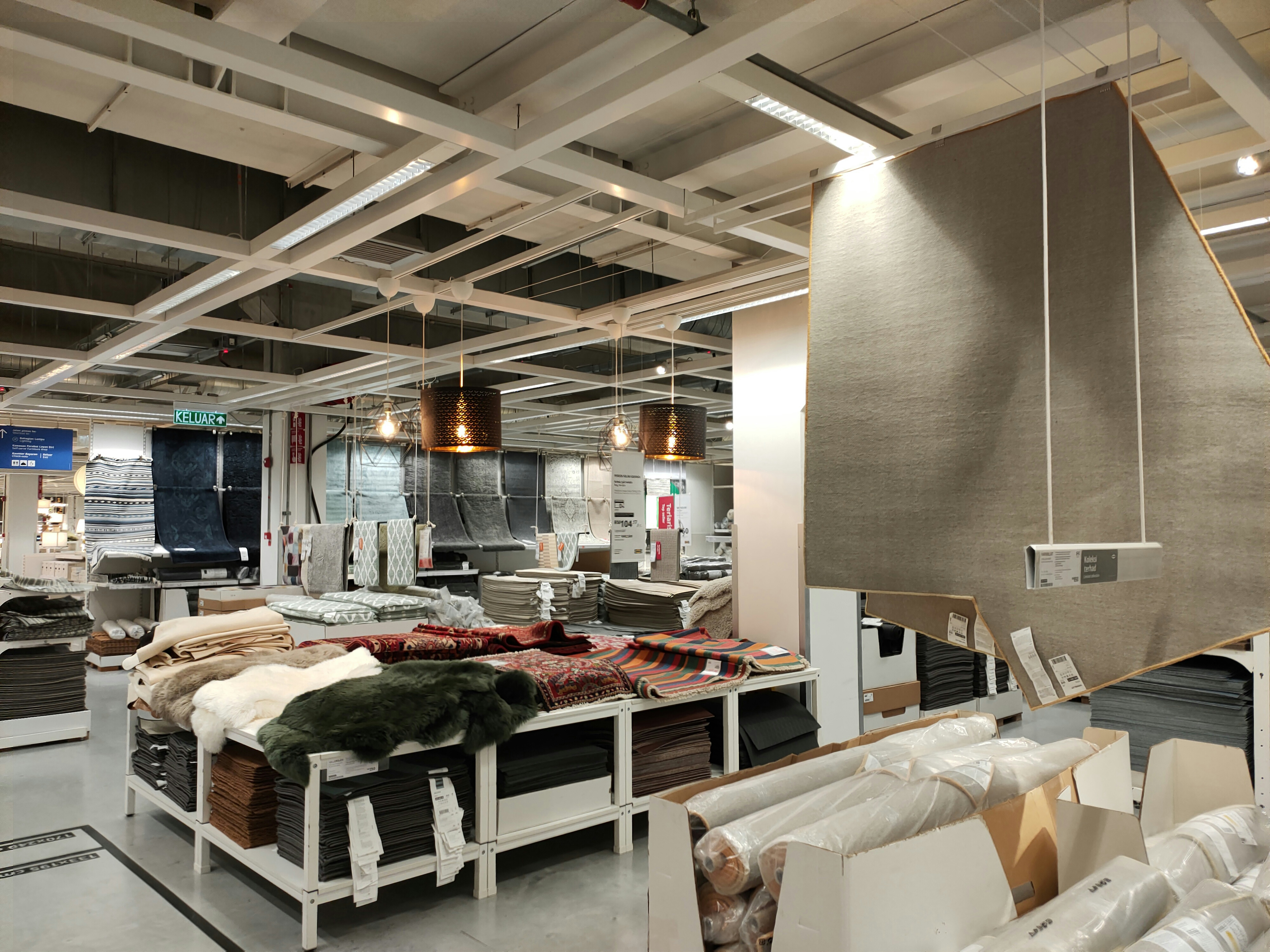
On the other hand, home improvement centers like Home Depot or Lowe’s cater to a broader audience, offering an extensive selection of carpets at often competitive prices. These large retail outlets usually feature in-store displays that allow customers to visualize different carpet styles in person. However, while these stores may provide convenience and lower pricing, the expertise and personalized service can vary significantly compared to specialized retailers.
E-commerce platforms have also transformed the carpet purchasing experience, providing an extensive range of styles from the comfort of your home. Websites such as Wayfair, Amazon, and others enable shoppers to filter by design, material, and price points easily. Many online retailers offer detailed product specifications and customer reviews, which can assist buyers in making informed decisions. However, it is important to consider factors like return policies and shipping costs, which can influence the overall value of an online purchase.
In conclusion, choosing where to buy modern carpets hinges on individual preferences regarding service, selection, and price. Whether opt for local specialized stores, large retail chains, or online platforms, examining quality suppliers will enhance your shopping experience and ensure you find the perfect carpet to complement your living space.
Incorporating Modern Carpets into Your Home
Modern carpets serve not only as functional elements but also as artistic components that can enhance the aesthetic of any room. To effectively incorporate these carpets into your home, consider a few strategies that emphasize their design potential while ensuring harmony with your existing décor.
One effective approach to using modern carpets is layering. Incorporating multiple layers of rugs can add depth and interest to a space. For instance, place a larger, neutral-toned carpet beneath a smaller, more vibrant area rug. This not only provides a textural contrast but also allows for the interplay of colors and patterns, creating a dynamic visual experience.
When matching carpets with furniture, it is crucial to consider the scale and proportion of both elements. A bold and patterned carpet can serve as a focal point; thus, it should be accompanied by more subdued furniture pieces. Conversely, if your carpet features a simple design, feel free to introduce more ornate or colorful furniture that complements the understated nature of the carpet. This balance helps create an inviting and cohesive atmosphere, ensuring that both the carpet and furniture enhance each other.
Furthermore, placing a modern carpet strategically can draw attention to particular areas within a room. For example, situating a vibrant carpet under a coffee table can establish a defined seating area, while a well-positioned runner can lead the eye through a hallway. Think about how each carpet can guide movement and interaction within your home.
By thoughtfully integrating modern carpets into various spaces, you can transform the overall look and feel of your home. Paying attention to layering techniques, furniture relationships, and the strategic use of carpets as focal points will elevate the design of your interiors, making them both functional and aesthetically pleasing.
Latest Trends in Modern Carpet Design
In the realm of interior design, carpets have transitioned beyond mere functional pieces into vital attributes contributing to a home’s aesthetic and feel. The latest trends in modern carpet design reflect innovations in technology, increased focus on sustainability, and the emergence of fashionable styles that collectively cater to diverse consumer preferences.
Technological advancements have significantly impacted the carpet industry. High-definition printing techniques allow for intricate patterns and vivid color palettes, enabling designers to bring creative concepts to life in unprecedented ways. Carpets now feature textural variations and multi-dimensional effects that engage both visual and tactile senses. Modern carpet designs often incorporate smart textiles, which enhance durability and cleanliness, making them suitable for high-traffic areas without compromising style.
Sustainability is another pivotal factor shaping contemporary carpet trends. Environmentally-conscious consumers are increasingly seeking carpets made from recycled materials, organic fibers, or sustainably sourced resources. Brands are responding with collections that prioritize eco-friendly practices and low-impact production techniques. The adoption of natural fibers like jute, sisal, and bamboo is on the rise, as these materials offer a sustainable alternative to synthetic options while providing unique aesthetic elements that resonate with modern living.
Emerging styles in modern carpets also reflect a shift towards personalization and uniqueness. Geometric patterns, bold colors, and eclectic designs are gaining traction, encouraging homeowners to express individual tastes. The trend towards layering carpets, which involves using multiple textures and patterns in one space, continues to grow, providing opportunities for creativity. Additionally, the resurgence of vintage-inspired designs offers a nostalgic yet contemporary approach, appealing to those who appreciate classic artistry fused with modern sensibilities.
As the carpet industry evolves, understanding these current trends enables consumers to make informed choices that align with their lifestyles, values, and design aspirations.
Conclusion: Choosing the Right Modern Carpet for Your Needs
When it comes to selecting the perfect modern carpet, several factors need to be taken into account to ensure it aligns with your specific needs, preferences, and lifestyle. The diverse styles, materials, and trends available in today’s market present a wealth of options, allowing homeowners to curate spaces that reflect their individuality and functionality requirements.
First, assess the intended use of the space where the carpet will be installed. Areas with high foot traffic, such as living rooms and hallways, may benefit from durable materials like nylon or wool, which can withstand wear while maintaining their aesthetic appeal. Conversely, softer, luxurious options, such as silk or plush rugs, might be better suited for bedrooms and low-traffic areas, providing a warm and inviting atmosphere.
Next, consider the design elements of your home. Modern carpets come in various colors, patterns, and textures, from geometric designs to minimalist styles. Choose a carpet that complements your existing decor while also bringing a fresh perspective to the room. Using carpets as a focal point can enhance the overall design, so take the time to explore different looks.
It’s also crucial to weigh the environmental impact of your choice. Many manufacturers now offer eco-friendly options, utilizing sustainable materials and processes. Choosing a carpet made from recycled or renewable resources not only supports environmentally conscious practices but can also improve indoor air quality.
Ultimately, selecting a modern carpet is a blend of personal taste and practical considerations. By keeping these aspects in mind—durability, design, and sustainability—you will be well-equipped to make an informed decision that enhances your living space both aesthetically and functionally. With careful thought, the right modern carpet can transform a room into a stylish, comfortable sanctuary.