


Introduction to Bakery Equipment
Establishing a successful bakery operation relies heavily on the selection of appropriate bakery equipment. Investing in the right tools can significantly enhance the efficiency of production processes, ensuring that products are baked consistently and to a high standard. The array of equipment available plays a vital role in shaping the overall workflow of the bakery, from preparation to baking and finishing.
Quality bakery equipment not only contributes to the reliability of product output but also influences the quality of the baked goods themselves. Properly functioning machines and tools help bakers achieve the desired texture, flavor, and appearance that customers expect. Each piece of equipment, whether it is a commercial mixer, oven, or proofing cabinet, has a specific function that aids in creating baked products that meet consumer demands.
Moreover, using suitable equipment is pivotal in ensuring compliance with health and safety standards that govern the food industry. In South Africa, adhering to these regulations is critical for the operation of any bakery. Efficient equipment must not only produce quality products but also facilitate safe food handling practices. Features such as easy-to-clean surfaces, effective temperature controls, and consistent performance can help bakeries remain compliant, thus safeguarding public health while fostering trust among consumers.
In light of these considerations, the selection and maintenance of bakery equipment can emerge as a foundational aspect of a bakery’s success. A comprehensive bakery equipment checklist allows bakers to evaluate their needs and invest wisely in their bakery setup. By prioritizing quality equipment, bakers can enhance both operational efficiency and product excellence, paving the way for long-term success in a competitive market.
Essential Bakery Machinery
Establishing a successful bakery requires the right equipment to ensure that production runs smoothly and efficiently. Key pieces of machinery that every bakery should consider are ovens, mixers, and proofers. Understanding the characteristics and choosing suitable machinery based on the size and type of your bakery is crucial in meeting production demands.
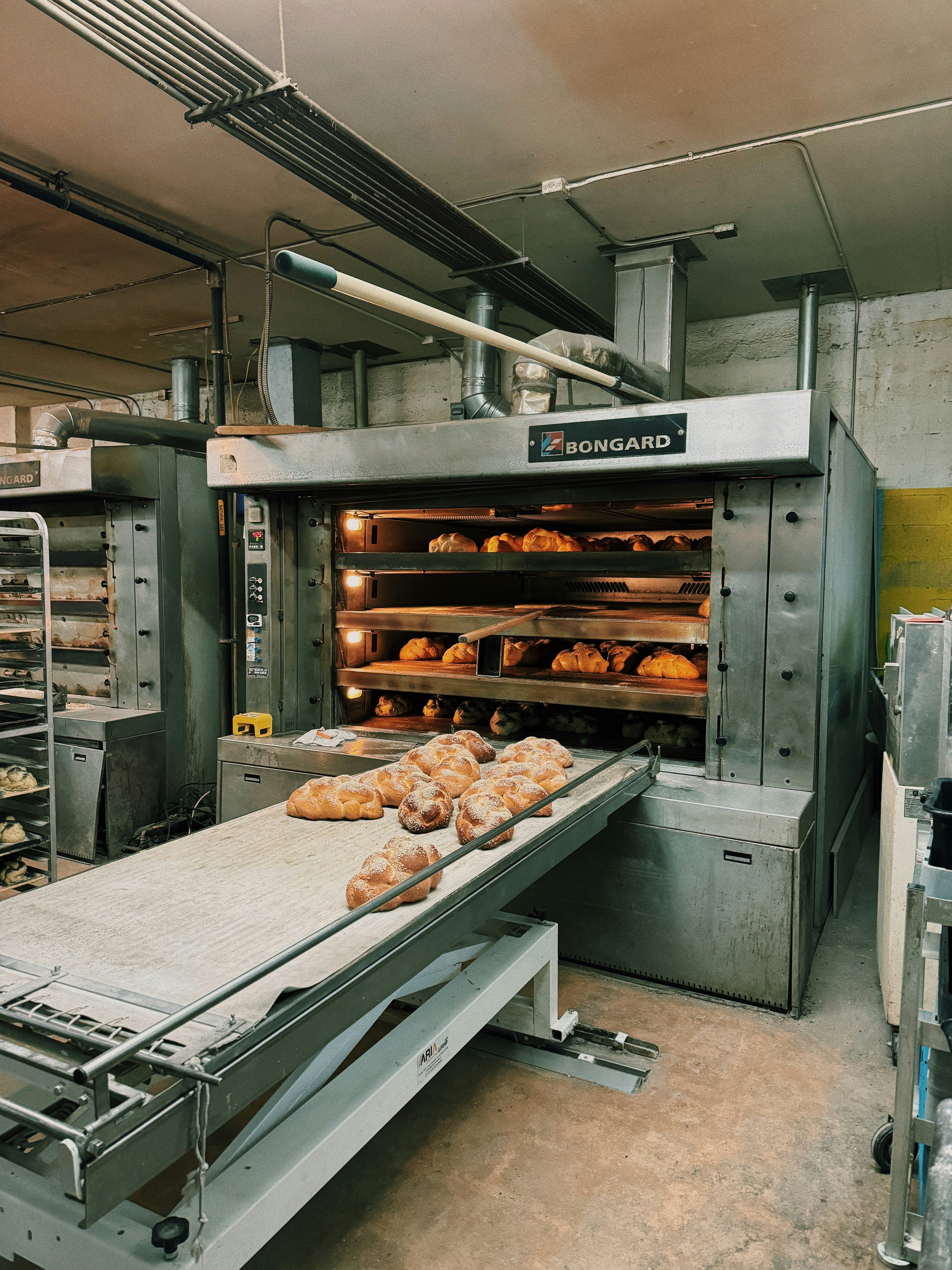
First and foremost, ovens are perhaps the heartbeat of any bakery. When selecting an oven, consider factors such as size, type (convection, deck, or rotary), and energy efficiency. Convection ovens are popular for their even heat distribution, which is essential for baking consistently high-quality products. Deck ovens, on the other hand, provide traditional baking conditions that many artisanal bakers prefer. Evaluate your bakery’s output needs, as well as the space available, to choose the optimal oven type.
Mixers are another essential component of bakery equipment. They come in various sizes and capacities, such as planetary and spiral mixers. A planetary mixer is well-suited for batters and cream, while a spiral mixer is ideal for doughs, particularly for artisan bread or pizza. It is important to select a mixer that can handle your desired batch sizes while still being easy to operate and clean.
Proofers play a crucial role in the fermentation process, allowing dough to rise properly before baking. They should maintain precise temperature and humidity settings to create the perfect environment for dough fermentation. When shopping for proofers, look for features like adjustable racks, humidity controls, and energy-efficient designs to ensure optimal conditions for your products.
Ultimately, choosing the right bakery machinery tailored to your specific operations will enhance productivity and product quality, establishing a strong foundation for your business. Investing in reliable equipment can lead to greater efficiency, enabling bakers to focus on creating exceptional baked goods.
Baking Tools and Utensils
In any bakery, a well-organized selection of baking tools and utensils is essential for producing quality baked goods consistently. First and foremost, measuring cups and spoons are critical for achieving accurate ingredient ratios, which is fundamental in baking. Without precise measurements, recipes can fail, leading to inconsistent results. It is advisable to have both liquid and dry measuring cups, as they serve different purposes.
Additionally, spatulas are indispensable in the baking process, as they help to mix, scrape, and spread batter or frosting with ease. A good silicone spatula can withstand heat, making it versatile for both baking tasks and cooking. Regular cleaning and avoiding abrasive materials will ensure longevity and maintain functionality.
Rolling pins are another must-have tool, particularly important for tasks such as preparing dough for pastries, pies, and even traditional South African delicacies. Selecting the right rolling pin, whether it be a classic wooden variety or a modern silicone option, can affect the texture and quality of the baked good. Proper maintenance involves cleaning regularly and storing in a way to prevent warping or damage.
Moreover, various baking pans such as cake tins, muffin trays, and cookie sheets are fundamental to producing a range of baked items. Choosing the appropriate type of pan for specific recipes impacts baking times and the final product’s texture. Proper care, including washing by hand rather than in the dishwasher, can prolong the lifespan of these important tools.
Each of these baking tools and utensils plays a vital role in the baking process, and maintenance practices can enhance their efficacy and durability. Investing in quality tools and treating them with care will result in delectable baked goods and a more enjoyable baking experience.
Display and Storage Equipment
In the realm of bakery operations, the role of display and storage equipment cannot be overstated. This equipment is essential not only for showcasing delectable baked goods but also for ensuring their freshness and quality over time. With a variety of options available, bakeries in South Africa can effectively select the right equipment tailored to their specific needs.
One of the primary pieces of display equipment is the bakery display case. These cases are designed to highlight pastries, breads, and cakes, effectively attracting customers. They come in various styles, including open-faced or glass-fronted models, allowing for easy visibility while maintaining hygiene standards. Moreover, the use of display cases can enhance the aesthetic appeal of a bakery, encouraging impulse purchases as customers browse through the offerings.
Similarly, storage racks play a significant role in the organization of baking supplies and finished products. These racks provide an efficient way to store items, preventing overcrowding and ensuring easy access to ingredients, utensils, and baked goods. Additionally, opting for adjustable shelving can maximize space usage, allowing bakeries to accommodate different products as per demand.
Another critical component is refrigeration units, which are vital for preserving the freshness of perishable items like cream pastries and dough. Depending on the volume of goods and available space, bakeries can choose from under-counter refrigerators, upright coolers, or walk-in freezers. The right refrigeration solution not only extends the shelf life of baked goods but also ensures food safety compliance, which is paramount in the bakery sector.
Incorporating appropriate display and storage equipment into a bakery’s operations will ultimately contribute to the overall efficiency and profitability of the business. By investing in quality equipment, bakeries can ensure their products are showcased enticingly while maintaining their quality and safety.
Cleaning and Sanitization Essentials
Maintaining a clean and hygienic environment in a bakery is essential for ensuring food safety and compliance with health regulations. Proper cleaning and sanitization practices not only help in protecting public health but also enhance the overall quality of baked goods. Bakeries require specific cleaning equipment and agents tailored for their unique needs.
First and foremost, an industrial-grade dishwasher is indispensable for bakeries. These dishwashers are designed to effectively handle various types of baking tools, utensils, and equipment that come into contact with food. They operate at higher temperatures, ensuring that bacteria and other pathogens are effectively eliminated. It is crucial to select a unit that can accommodate the workload of a busy bakery while ensuring a high standard of sanitation.
In addition to dishwashers, bakers should invest in high-quality sanitizers that are suitable for food-contact surfaces. Sanitizers such as chlorine-based solutions or quaternary ammonium compounds are popular choices. These agents are effective in killing a wide range of microorganisms and are essential for maintaining a safe workspace. It is beneficial to have multiple types of sanitizers available, as different surfaces may require different formulations.
Moreover, cleaning tools such as brushes, mops, and scrubbers designed specifically for the bakery environment are necessary. These tools should be constructed from materials that can withstand high temperatures and frequent use. For example, synthetic bristle brushes can be effective for cleaning both surfaces and machinery, while sturdy mops with antimicrobial properties can help maintain floor cleanliness.
Finally, implementing a regular cleaning schedule is critical. Establishing a routine for deep cleaning equipment, surfaces, and storage areas will further prevent contamination and sustain a hygienic environment conducive to quality baking. A consistent cleaning strategy not only protects the health of the consumers but also enhances the reputation of the bakery.
Safety Equipment in the Bakery
In any bakery, safety is of utmost importance to ensure a secure working environment for all staff. Essential safety equipment must be carefully selected and used properly. Firstly, oven mitts are a critical necessity for bakers, as they protect hands from burns while handling hot trays or items. Using mitts that are heat-resistant and properly fit can help mitigate the risk of accidents in the kitchen.
In addition to oven mitts, bakers should also consider wearing aprons. These garments not only provide a layer of protection against spills and splashes but also ensure that bakers maintain a high hygiene standard. Using aprons that are made from washable materials allows easy cleanup and reduces contamination risks, promoting a safer baking environment.
Furthermore, having fire extinguishers readily accessible is another vital component of safety equipment in the bakery. Due to the presence of ovens and flammable materials like flour, it is crucial to have the right type of fire extinguisher on hand, often recommended to be a Class K, suitable for kitchen fires. Regular maintenance and staff training on the proper use of fire extinguishers can significantly enhance safety protocols.
Best practices for ensuring a safe working area include keeping floors clean and dry to prevent slips and falls. Regular inspections of equipment and workspaces should be conducted to identify potential hazards. Furthermore, it is advisable to implement a safety training program for all employees. This training can educate staff on the importance of safety equipment, emergency procedures, and the significance of personal protective equipment in reducing workplace injuries.
Local Suppliers and Brands in South Africa
When establishing a bakery, sourcing quality equipment is essential for ensuring efficiency and producing high-standard products. South Africa boasts various reputable suppliers and brands that cater to the baking industry, providing a range of essential equipment from ovens to mixers.
One notable supplier is Bakery Equipment Online, known for its extensive catalogue of bakery machinery. They offer competitive prices and a broad selection, making them a favored choice among local bakers. Additionally, Bakery Systems supplies industrial-grade equipment and solutions tailored for commercial bakeries, focusing on ensuring quality and durability in tough baking environments.
Another trustworthy option is the South African Bakery Equipment Association, which can guide you to reliable manufacturers and suppliers. Their network includes brands such as Wolfe, which specializes in mixing and baking equipment, supplying innovative solutions tailored to local needs.
When choosing a supplier, it is essential to compare prices and assess the product quality. Online reviews, recommendations from fellow bakers, and direct consultations can provide valuable insight. Additionally, visiting showrooms or attending bakery equipment expos can help in experiencing the products first-hand.
Purchasing local bakery equipment has advantages, including supporting the local economy and often ensuring faster delivery times. Brands that manufacture in South Africa typically have a better understanding of the unique baking needs within the region.
Furthermore, opting for local brands may help avoid import tariffs and lengthy shipping times. Suppliers often provide essential after-sales services, ensuring that bakeries receive not only the right equipment but also ongoing support and maintenance.
Investment and Budgeting for Equipment
Establishing a bakery involves considerable financial planning, particularly regarding the investment in essential equipment. Accurately budgeting for bakery equipment is crucial for both new and existing bakeries to ensure sustained operational effectiveness and profitability. A well-structured budget not only takes into account the purchase price of machinery but also associated costs such as installation, maintenance, and possible financing options.
The first step in creating a budget is identifying the key equipment necessary for bakery operations. This may include ovens, mixers, refrigerators, and display cases. Each of these items comes with varying price points according to brand, quality, and capacity, so it is advisable to conduct thorough research to find the best fit for your specific needs and financial situation. Moreover, considering buying second-hand equipment can significantly reduce initial capital outlays.
Financing options are another critical consideration. Bakeries may explore traditional loans, equipment leasing, or crowdfunding as potential routes to finance purchases without exhausting current working capital. It’s important to analyze interest rates and repayment terms, which can affect the overall cost of the investment. Engaging with financial advisors can provide valuable insights into the best financing solutions available, aligning with the bakery’s business model and cash flow.
Investing wisely in equipment can lead to an impressive return on investment (ROI). For instance, high-quality, reliable ovens can enhance production efficiency and improve product quality, directly impacting sales. Monitoring equipment performance and understanding when to upgrade or replace machinery can further optimize operational costs, ensuring the bakery remains competitive. In conclusion, a strategic approach to budgeting and investment in bakery equipment lays the foundation for long-term success in the baking industry.
Maintaining and Upgrading Equipment
Regular maintenance of bakery equipment is crucial to ensure operational efficiency and longevity. Just as any machinery, bakery equipment endures wear and tear over time due to consistent use. This highlights the necessity of establishing a proactive maintenance routine. Operators should consider implementing daily, weekly, and monthly checks to assess the functionality of ovens, mixers, and refrigeration units. For instance, checking oven temperatures regularly can prevent underbaked products, which can reflect poorly on quality.
Additionally, it is essential to clean equipment as per manufacturer recommendations. This practice not only ensures hygiene, especially in the baking environment where cross-contamination can be detrimental but also enhances the performance of machinery. Using appropriate cleaning agents and following proper procedures can avert corrosion and mechanical failures. In doing so, bakery owners can avoid costly repairs and prolong the lifespan of their equipment.
Recognizing signs that indicate the need for equipment upgrades is also paramount. If maintenance issues arise increasingly or if the equipment is incapable of meeting production demands, it may be time to consider an upgrade. For instance, when batch sizes increase, higher-capacity mixers or ovens may become necessary to maintain productivity without compromising quality.
Moreover, modern equipment often comes with advanced features that promote energy efficiency. Upgrading to newer models can lead to significant savings in energy costs, which is beneficial in the long run, especially for bakeries that operate on large scales. The decision to upgrade should be aligned with the business’s growth projections to ensure that all investments support future goals.
In summary, emphasizing maintenance and keeping an eye on potential upgrades can greatly enhance the efficiency and productivity of bakery operations in South Africa. Regular upkeep is key to avoiding disruptions and ensuring a seamless production process.