


Introduction
Interior decor in South Africa offers a vibrant tapestry woven from diverse cultural influences and rich historical backgrounds. The nation’s unique geographic and social landscapes contribute to an eclectic array of design styles that appeal to a wide range of tastes. South African interiors often reflect a blend of indigenous artistry, colonial influences, and contemporary trends, making each space a distinct narrative of its owner’s identity.
As urbanization continues to reshape living environments, there is a noticeable increase in interest towards innovative interior design among South African homeowners. This trend is driven by both aesthetic considerations and a growing understanding of how thoughtfully curated spaces can enhance quality of life. Within this context, several distinctive decor movements have emerged, showcasing an emphasis on sustainability, functionality, and cultural appreciation.
The architectural diversity of South Africa serves as a backdrop for various interior styling choices. From minimalist modern designs to traditional heritage aesthetics, homeowners are increasingly drawn to styles that resonate with their personal stories while reflecting the wider community’s ethos. The prevalence of open-plan living spaces, for instance, encourages a seamless flow between indoor and outdoor environments, which is a hallmark of many South African homes.
In the coming sections, we will delve deeper into the prevailing interior decor trends within South Africa, analyze the components that contribute to these styles, and offer practical tips for homeowners looking to incorporate these ideas into their living spaces. Whether one is drawn to bold colours, textured fabrics, or sustainable practices, there is a wealth of inspiration to be found in South Africa’s interior decor scene.
Cultural Influences on South African Decor
South Africa is a nation characterized by a rich and diverse cultural heritage, which plays a significant role in shaping the interior decor landscape. The country is home to various ethnic groups, each with unique traditions, art forms, and styles reflecting their histories. This cultural mosaic informs many contemporary design choices, integrating vibrant colors, intricate patterns, and a variety of textures that resonate with the essence of South African identity.
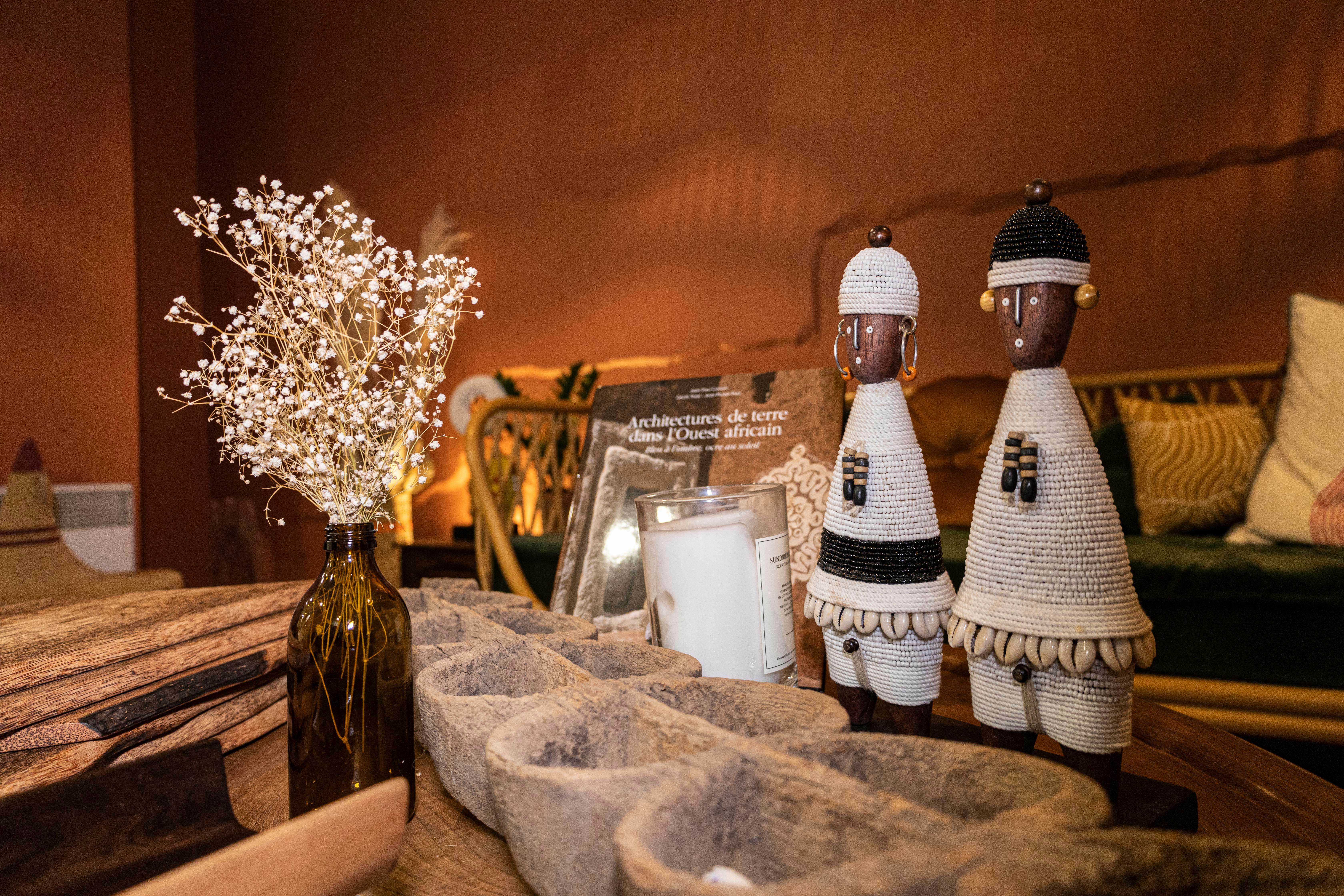
Indigenous art forms, such as beadwork, pottery, and textiles, serve as primary sources of inspiration for interior decor. These elements often incorporate traditional symbols and motifs, thus allowing homeowners to connect deeply with their heritage. The use of locally-sourced materials, such as wood, stone, and clay, not only emphasizes sustainability but also celebrates the natural beauty found within the South African landscape. Consequently, modern interiors are increasingly featuring handcrafted items that pay homage to ancestral artistry while providing a unique touch to contemporary spaces.
Colors play a crucial role in South African decor, often reflecting the vibrant culture and picturesque scenery of the region. Rich earthy tones, deep reds, and bold yellows frequently dominate the palettes, invoking a sense of warmth and liveliness. Patterns, ranging from geometric shapes inspired by tribal designs to floral motifs that mirror the biodiversity of the country, add depth and personality to interior spaces. These cultural influences contribute to an atmosphere that is simultaneously modern and rooted in tradition, allowing homeowners to create environments that are both aesthetically pleasing and culturally significant.
In summary, cultural influences profoundly shape South African decor, creating a distinctive blend that mirrors the country’s diverse heritage. By integrating indigenous art forms, vibrant colors, and authentic materials, interior designers can craft spaces that not only celebrate South African culture but also enhance the beauty and character of homes across the nation.
Popular Interior Decor Styles in South Africa
South Africa boasts a rich cultural heritage, which is vividly reflected in its interior decor styles. Among the most popular styles are minimalism, bohemian, and rustic themes, each showcasing unique characteristics tailored to local tastes.
Minimalism is characterized by simplicity and functionality. This style emphasizes clean lines, neutral color palettes, and a clutter-free environment. In South African homes, one may observe the use of natural materials, such as wood and stone, to create a serene atmosphere. Furniture choices typically include streamlined sofas and uncomplicated tables, with an emphasis on quality over quantity. Minimalism encourages the integration of natural light, which enhances the open spaces often favored in modern South African living.
In contrast, the bohemian style offers a vibrant, eclectic approach to interior design. It celebrates creativity by incorporating bold patterns, rich colors, and a mix of textures. South African bohemian decor often showcases handmade items, ethnic prints, and an array of decorative elements that reflect the country’s diverse cultures. Furniture choices can range from vintage finds to contemporary pieces, all curated to convey a sense of individuality. The layering of textiles, such as throw pillows and rugs, also plays a crucial role in achieving this warm and inviting ambiance.
Rustic themes present a charming, earthy aesthetic that taps into the natural beauty of the South African landscape. Key elements include warm wood tones, natural stone, and organic materials that evoke a sense of comfort and homeliness. This decor style often features handcrafted furnishings and accessories, which embody the spirit of traditional craftsmanship. Color palettes in rustic design typically involve earthy hues like browns, greens, and creams, drawing inspiration from the surrounding environment.
Sustainable Decor Trends
In recent years, the trend of sustainable decor has gained significant momentum in South Africa, reflecting a growing awareness of environmental issues and a desire for eco-friendly living solutions. Sustainable decor focuses on utilizing materials and methods that minimize harm to the planet, making it increasingly popular among homeowners and interior designers alike. One of the key components of this trend is the use of eco-friendly materials. Sustainable materials such as bamboo, reclaimed wood, and recycled metals not only reduce waste but also offer unique aesthetic qualities that can enhance the overall design of a space.
Moreover, local craftsmanship plays a pivotal role in promoting sustainability. Supporting local artisans not only helps reduce the carbon footprint associated with shipping goods over long distances but also fosters a sense of community and cultural heritage. When incorporating local craftsmanship into interior decor, homeowners often find that it adds a distinctive character to their spaces while promoting economic sustainability. Artisans use traditional techniques and locally sourced materials that reflect the rich cultural diversity of South Africa.
For those looking to adopt sustainable practices in their home design, several tips can facilitate this transition. Begin by selecting high-quality, durable items that are less likely to need replacement over time. Incorporating plants into home decor can significantly improve air quality and enhance the aesthetic appeal of any space. Additionally, opt for energy-efficient lighting options and appliances to reduce energy consumption. Lastly, consider furnishings that can be repurposed or upcycled, adding both character and sustainability to your home.
Incorporating Local Art and Craftsmanship
The significance of incorporating local art and craftsmanship into interior spaces cannot be overstated, particularly in a country as diverse and culturally rich as South Africa. Infusing your home with pieces created by local artists not only supports the local economy but also adds a unique layer of authenticity and character to your decor. South African artisans draw inspirations from the country’s abundant natural beauty, history, and cultural traditions, creating works that reflect the unique identity of various regions.
Among the prominent artists making waves in the South African art scene, names such as William Kentridge, known for his powerful animated films and drawings, and Esther Mahlangu, celebrated for her vibrant Ndebele-style paintings, stand out. Integrating such pieces into your home can create a conversation starter while allowing guests to appreciate local culture. Sculptures, textiles, and pottery crafted by local artisans can also add texture and dimension to any interior, making it uniquely yours.
In addition to contemporary artists, traditional crafts such as beadwork, weaving, and carvings reflect the historical practices and skills passed down through generations. These artisanal pieces often carry stories that resonate with the viewer, enhancing the emotional connection to the space. Incorporating these art forms into your home decor requires a thoughtful approach; consider displaying them in a way that highlights their craftsmanship. For example, arranging a gallery wall featuring various artworks can create a striking focal point.
Ultimately, the incorporation of local art and craftsmanship is a celebration of South African heritage and creativity. It not only enriches your home’s aesthetic but also connects your living space to the broader narrative of the local community, making your decor not just beautiful but meaningful as well.
Must-Have Elements in South African Homes
In the rich tapestry of South African interior decor, several must-have elements contribute to a home’s aesthetic appeal and comfort. These features reflect the country’s diverse culture, heritage, and natural beauty, making them essential in creating a warm and inviting atmosphere.
Textiles play a significant role in South African homes. The use of vibrant fabrics, such as those showcasing traditional patterns and colors, adds depth and character to any space. Throws, cushions, and rugs are not simply decorative but also serve practical functions by providing comfort and warmth. In many South African homes, these textiles are often sourced from local artisans, supporting the creative economy while infusing authenticity into the decor.
Furniture in South African residences tends to strike a balance between modern design and traditional craftsmanship. Pieces made from natural materials, such as wood, leather, and metal, are popular choices thanks to their durability and aesthetic appeal. Furthermore, multifunctional furniture is favored to maximize space, especially in urban apartments where every square meter counts. By selecting furniture that is both stylish and functional, homeowners can enhance the livability of their environments.
Decorative items, including locally crafted pottery, artwork, and sculptures, are crucial for personal expression in South African homes. These decorations often tell stories, reflecting the rich heritage of various communities across the nation. Integrating such items not only beautifies a space but also fosters a sense of connection to cultural roots.
In conclusion, the essential elements of textiles, furniture, and decorative items in South African home decor work harmoniously to enhance both comfort and aesthetic appeal. By thoughtfully selecting these components, homeowners can create inviting spaces that resonate with the country’s vibrant culture and lifestyle.
Color Trends for South African Interiors
The interior décor landscape in South Africa is characterized by a vibrant fusion of cultural influences, natural elements, and evolving trends. Currently, one of the most significant trends in South African interiors is the use of warm, earthy tones that resonate with the country’s diverse landscapes. Shades such as terracotta, ochre, and muted greens are being embraced for their ability to evoke a sense of warmth and comfort, making spaces feel inviting and grounded.
In addition to earthy tones, bold colors such as deep blues and rich burgundies are gaining popularity. These hues are often used as accent colors, adding depth and sophistication to both modern and traditional interiors. Homeowners are increasingly experimenting with color combinations that reflect their personal style and enhance the overall aesthetics of their living spaces.
The psychological impact of color plays a crucial role in interior design. For instance, lighter shades like soft pastels create a feeling of tranquility, making them ideal for bedrooms and relaxation areas. Conversely, more stimulating colors such as vibrant yellows and reds can energize a space, making them suitable for kitchens or social areas. Thus, selecting the right color palette is essential not only for visual appeal but also for promoting desired emotional responses within the home.
Furthermore, the use of natural materials and textures is often paired with color choices to amplify the overall aesthetic. Natural wood finishes, stone accents, and textiles allow colors to resonate harmoniously within a space, enhancing both the visual and tactile experience. In contemporary designs, blending both bold and subtle color palettes alongside natural elements reflects a deep connection to the South African environment and its cultural heritage.
DIY Decor Ideas for South African Homes
Embracing the vibrant aesthetics of South African culture can significantly enhance the ambiance of your home. DIY decor projects allow homeowners to reflect their personal style while celebrating local traditions and natural beauty. Here are some creative ideas to inspire your next hands-on endeavor.
One popular project is upcycling old furniture. South Africa is known for its diverse materials, so consider transforming a wooden table or chair by applying a fresh coat of paint in bright colors, reminiscent of the nation’s lively landscapes. Adding stencils or tribal patterns can also impart a unique touch, making the furniture piece a captivating focal point in your room. Not only does this approach reduce waste, but it also customizes your home environment with meaningful decor.
Another engaging DIY option is creating your own wall art. Utilize a canvas or repurpose old wooden boards and, using traditional fabric or paint, recreate the vibrant hues and patterns that characterize South African art. Incorporating elements such as beads or shells can add texture and enhance the cultural reference. This hands-on project not only beautifies your walls but also offers a therapeutic experience as you delve into your creative instincts.
Additionally, consider crafting your own decorative plants. South Africans have a love for flora, so constructing planters from recycled materials can merge nature with eco-friendly DIY decor. Gather empty cans or plastic bottles and decorate them with rope, paint, or fabric. This not only provides a charming display but also integrates greenery into your interior, promoting a fresh atmosphere.
In implementing these DIY decor ideas, you are not merely personalizing your home but also connecting with the rich cultural tapestry that South Africa offers. Engage in these projects, and witness how simple transformations can impart character and warmth to your living spaces.
Conclusion and Future Trends
As we navigate through the diverse landscape of interior decor in South Africa, it becomes evident that the trends discussed reflect a rich tapestry of cultural influences, environmental considerations, and evolving lifestyle needs. From the incorporation of natural elements to the resurgence of bold colors and patterns, these trends not only enhance the aesthetic appeal of spaces but also cater to the increasingly mindful approach that many homeowners are adopting.
Responding to global sustainability movements, there is a noted shift towards eco-friendly practices, urging designers and homeowners alike to consider the impact of their choices. The use of sustainable materials and ethical sourcing is becoming more prevalent, promising a future where interior decor does not compromise the environment. The growing interest in biophilic design—an approach that seeks to connect people with nature—further emphasizes the importance of creating harmonious and refreshing living spaces.
Additionally, emerging trends such as minimalism paired with personalized touches reflect a desire for practicality intertwined with individual expression. Homeowners are encouraged to infuse their unique styles into their spaces while remaining mindful of functionality and comfort. This balance between aesthetics and livability suggests a promising future direction for South African interior design.
In conclusion, the interior decor trends in South Africa highlight a dynamic interplay of tradition and modernity, sustainability, and personalization. As we look ahead, it is essential to embrace not only the current trends but also to be open to new ideas that foster creativity and innovation in design. By doing so, individuals can cultivate spaces that truly resonate with their identity while remaining adaptable to the ever-changing fabric of contemporary living.