



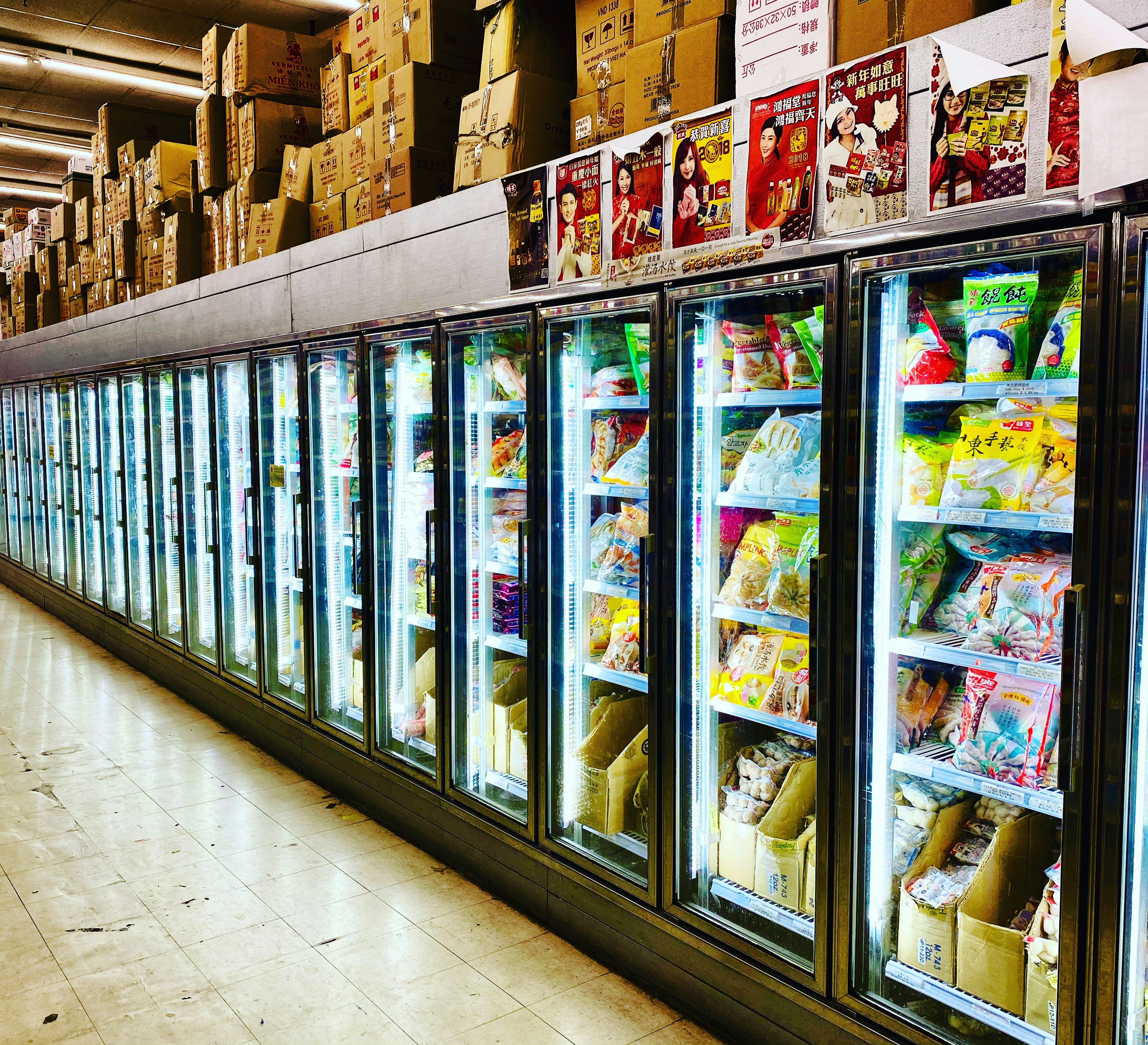
Understanding Types of Commercial Fridges
Commercial fridges come in various types, each designed to meet specific storage needs and operational requirements. One prominent type is the upright refrigerator, which features vertical storage and is ideal for businesses that prioritize accessibility and organization. This style often includes shelves that can be adjusted, allowing for flexible storage configurations suited for different product sizes. Commonly used in restaurants and grocery stores, upright refrigerators are perfect for customers who need to access ingredients quickly.
Next, undercounter models are a practical choice for establishments with limited floor space. These compact units fit beneath countertops, providing refrigeration without taking up valuable working space. Ideal for bars, coffee shops, and smaller kitchens, undercounter fridges facilitate the easy storage of beverages and food items within reach of staff, thus enhancing efficiency.
Glass-door fridges are another option that serves both functional and display purposes. Featuring transparent doors, these fridges allow customers to view products without needing to open the fridge, which helps maintain appropriate temperatures. Retailers and convenience stores often use glass-door models to showcase beverages and snacks. Additionally, these fridges come in various sizes, providing versatility for different store layouts.
Lastly, walk-in coolers offer ample space for large quantities of products, making them suitable for wholesale operations, large restaurants, or catering services. These walk-in units allow for easy access to bulk items and help in optimizing inventory management by facilitating organized storage practices. Businesses should consider their specific needs—such as space availability, storage capacity, and display requirements—when selecting among these commercial fridge types to ensure they choose a model that aligns with their operational demands.
Key Features to Look for in a Commercial Fridge
Choosing the right commercial fridge involves several critical factors that can impact both functionality and costs. One of the primary features to consider is energy efficiency ratings. Commercial refrigeration units with high energy efficiency can significantly reduce operational costs over time. Look for models with Energy Star certification, which indicates they meet strict energy efficiency guidelines set by the U.S. Environmental Protection Agency.
Another vital aspect is the storage configuration. Assess your space and consider the types of food and beverages you plan to store. Options range from upright freezers and refrigerators to undercounter models. It’s important to choose a style that maximizes storage capacity while also fitting within your business’s layout.
Interior lighting is another feature worth considering. Proper lighting enhances visibility and allows staff to quickly locate items, thus improving workflow efficiency. Look for energy-efficient LED lighting options, which provide better illumination while consuming less power.
Temperature control options are essential to maintain freshness and safety in your stored products. Advanced commercial fridges offer digital thermostats and precise temperature control features, enabling you to set and monitor conditions easily. Additionally, consider units with frost-free technologies, which prevent ice buildup and reduce the need for manual defrosting. This not only saves time but also enhances the overall efficiency of the fridge.
In conclusion, when selecting a commercial fridge, prioritize energy efficiency, appropriate storage configurations, effective interior lighting, reliable temperature control, and frost-free technology. By carefully evaluating these components, business owners can ensure they make informed choices, maximizing both functionality and cost-effectiveness for their commercial refrigeration needs.
Sizing and Capacity Considerations
When selecting a commercial fridge, understanding the significance of size and capacity is paramount. The first step in this process is to measure the available space in your establishment. This entails taking precise dimensions where the fridge will be positioned, ensuring that there is adequate room not only for the appliance itself but also for proper air circulation and accessibility. It is crucial to consider door swings, as well as adjacent fixtures that might impede access to the fridge.
The next vital aspect to evaluate is the volume requirements based on the types of perishable goods your business will store. Different food and beverage items come with varying storage needs. For example, if your operation requires the refrigeration of large quantities of perishable produce or bulk ingredients, opting for a larger capacity unit may be necessary. Conversely, establishments with a limited menu may find a smaller unit sufficient. Being aware of your inventory turnover rates can also guide you in selecting a model with the appropriate capacity. It is advisable to calculate not only your current requirements but also to anticipate future growth. As the business expands, the need for additional space may increase, making it beneficial to invest in a fridge that offers some excess capacity.
The implications of choosing the correct size are significant for operational efficiency. An under-sized fridge might lead to overcrowded storage conditions, potentially compromising the quality and safety of the food. On the contrary, an excessively large fridge can result in higher energy consumption and operating costs. Hence, assessing both current and future needs will allow businesses to make informed choices that align closely with their operational goals.
Budgeting and Maintenance Tips for Commercial Fridges
When selecting a commercial fridge, it is essential to develop a comprehensive budget that encompasses not just the initial purchase price but also long-term operating costs and maintenance expenses. Start by determining the available budget for the fridge itself, considering different models and their respective features. It is wise to allocate a portion of your budget for high-efficiency models, which, although they might have higher upfront costs, often result in significant savings on energy bills over time due to their advanced technology.
Energy expenses are a key component of the overall budget when it comes to commercial refrigeration. The energy efficiency rating (EER) of a fridge can greatly impact running costs. Look for appliances that are ENERGY STAR certified, as they meet strict energy efficiency guidelines and can substantially reduce your operational expenses.
In addition to energy costs, potential maintenance fees should be part of your budgeting considerations. Regular maintenance is crucial to ensuring the longevity and optimal performance of a commercial fridge. It is advisable to establish a routine maintenance schedule, which may include tasks such as checking door seals, cleaning condenser coils, and ensuring proper drainage. Regular servicing by a certified technician can help identify and rectify issues before they escalate into costly repairs.
Hygiene is another critical aspect of maintenance. Keeping the fridge clean not only extends its lifespan but also complies with health regulations. Regularly inspect interior components, and ensure that spills and leaks are promptly cleaned to prevent bacteria growth. Investing in a quality commercial fridge, paired with a well-planned budget and a stringent maintenance routine, can lead to efficient operation and reliability for your business.