


Understanding Energy Efficiency in Baking Equipment
Energy efficiency in baking equipment refers to the design and operation of machines that minimize electricity consumption while providing consistent and high-quality baking results. By investing in energy-efficient equipment, baking facilities can significantly reduce their energy bills and environmental footprints. One major indicator of energy efficiency is energy ratings, with the Energy Star certification being one of the most recognized in the industry. Appliances that earn this designation meet strict guidelines set by the U.S. Environmental Protection Agency, which helps consumers identify equipment that uses significantly less energy without sacrificing performance.
Energy-efficient baking equipment incorporates several advanced technologies designed to optimize power usage. One of the key elements is improved insulation, which minimizes heat loss from ovens and proofers, maintaining consistent temperatures with less energy input. This insulation can be found in the walls and doors of ovens or in the construction of proofers, directly contributing to energy savings.
Another critical advancement is the development of enhanced heating mechanisms. Modern ovens often use technologies such as convection heating to distribute heat more evenly, allowing bakers to cook their products at lower temperatures or for shorter durations. This not only conserves energy but can also enhance the quality of baked goods by ensuring uniform cooking. Furthermore, advanced controls, including programmable settings and smart technology, allow for precise management of cooking times and temperatures, further optimizing energy usage.
In conclusion, understanding energy efficiency in baking equipment is essential for maximizing operational efficiency and reducing costs. By selecting appliances with Energy Star certifications and leveraging advanced insulation, heating mechanisms, and controls, bakers can effectively enhance productivity while minimizing energy consumption.
Types of Energy-Efficient Baking Equipment
Energy-efficient baking equipment encompasses a variety of appliances designed to reduce energy consumption while maintaining operational excellence. The primary types include ovens, mixers, proofers, and refrigeration equipment, each offering distinct features that contribute to overall efficiency.
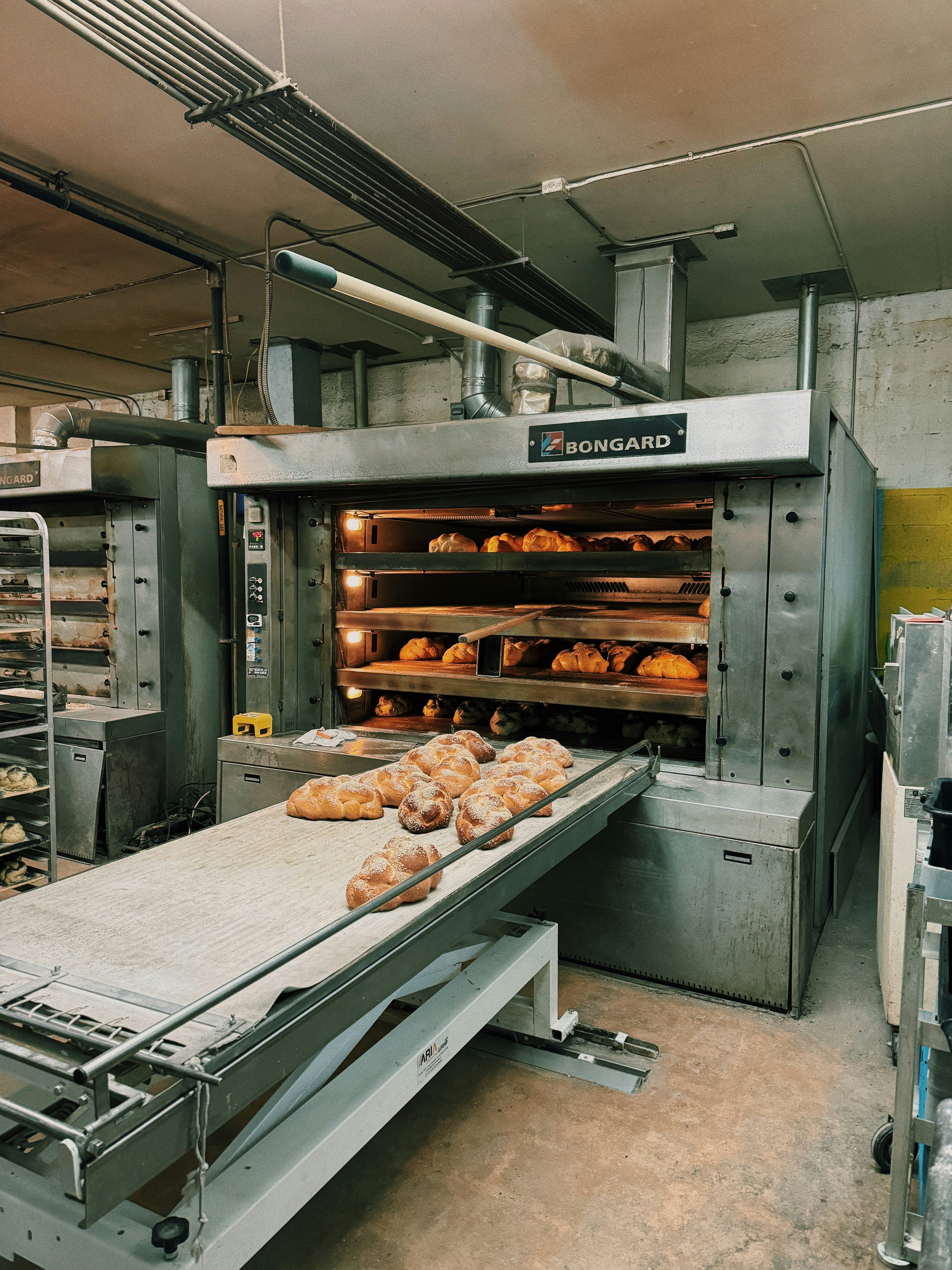
Starting with ovens, energy-efficient models are often equipped with advanced insulation and heat retention technologies. These ovens can significantly reduce energy usage by minimizing heat loss, enabling faster preheating and consistent temperature management. Compared to traditional ovens, energy-efficient variants can save bakers substantial costs in electricity over time, often featuring programmable settings that optimize energy consumption based on baking needs.
Next, energy-efficient mixers are designed with high-efficiency motors and optimized blade configurations that help reduce energy draw while improving mixing performance. Unlike conventional mixers, which may require more energy to achieve the same results, these models are engineered for consistent performance with lower energy demands. This not only supports energy conservation but also enhances the longevity of the equipment.
Proofers are another essential piece of energy-efficient equipment. Modern proofers utilize precise humidity and temperature controls to create the ideal environment for dough fermentation. The energy-efficient designs maintain these conditions with reduced energy input, compared to traditional proofers that might rely on outdated heating methods.
Lastly, refrigeration equipment, including energy-efficient refrigerators and freezers, is crucial in maintaining ingredient integrity while minimizing energy wastage. These units often incorporate smart technology that adjusts operation based on usage patterns, which results in lower energy consumption without sacrificing performance. Comparatively, older models commonly operate at a constant level, which may lead to energy inefficiency.
Benefits of Using Energy-Efficient Baking Equipment
Adopting energy-efficient baking equipment provides a multitude of benefits that can significantly influence both operational costs and environmental sustainability. One of the most immediate advantages is the reduction in energy bills. Energy-efficient appliances consume less electricity and gas compared to traditional models, enabling bakeries to enjoy substantial cost savings. Over time, these savings can be reinvested into the business, allowing for enhancements in other areas such as marketing or procurement of higher quality ingredients.
Furthermore, energy-efficient equipment is designed to minimize waste and lower carbon emissions. By using less energy, these machines contribute to a reduction in the overall environmental footprint of the baking process. This is an increasingly important consideration for consumers who are becoming more environmentally conscious and may prefer to support businesses that prioritize sustainability.
In addition to the financial and environmental benefits, energy-efficient baking equipment can markedly improve productivity within the baking process. These machines often feature advanced technology, enabling faster heating and more precise temperature control. As a result, bakers can achieve better quality and consistency in their products, an essential requirement for maintaining customer satisfaction. When businesses consistently produce superior baked goods, customer loyalty often increases, leading to repeat sales and positive word-of-mouth referrals.
Moreover, the enhanced reliability of energy-efficient equipment reduces downtime related to maintenance and breakdowns. This is crucial in the fast-paced baking industry, where time is of the essence. Ultimately, transitioning to energy-efficient baking equipment yields extensive benefits, including decreased operational costs, a smaller ecological footprint, enhanced productivity, and improved product quality, making it a worthy investment for any bakery seeking long-term success.
Adopting Energy-Efficient Practices in the Bakery
Transitioning to energy-efficient baking equipment is a strategic decision that can yield substantial benefits for bakeries. The first step in this process involves evaluating the current equipment. Analyzing energy consumption patterns and operational costs of existing appliances can shine a light on areas where efficiency improvements can be made. By conducting an energy audit, bakers can identify appliances that are outdated or malfunctioning, leading to unnecessary energy waste.
Once the evaluation is complete, the next step is selecting new energy-efficient appliances. When investing in new baking equipment, it is essential to look for units that have the ENERGY STAR label or equivalent certifications. This ensures that the equipment meets established energy efficiency standards, translating to reduced energy consumption and lower utility bills. In addition, bakers should consider the full lifecycle cost of equipment, which includes initial purchase price, maintenance, and longevity, rather than simply focusing on upfront expenses.
Implementing operational changes can further enhance energy efficiency. For instance, optimizing baking schedules to take advantage of peak energy savings periods can be beneficial. Grouping similar baking tasks together can maximize the use of ovens and reduce preheating time. Furthermore, training staff on energy-saving best practices, such as not opening oven doors unnecessarily or ensuring proper insulation of storage areas, can foster a culture of energy awareness within the bakery.
Real-life examples of bakeries that have successfully transitioned to energy-efficient practices serve as a source of inspiration. For example, a small bakery that installed high-efficiency ovens not only saw a 30% decrease in energy usage but also improved baking consistency, ultimately leading to enhanced product quality. By adopting these practices, bakers can contribute to sustainability efforts while reaping economic benefits.