


Introduction to Pastry Production Equipment
In the world of culinary arts, pastry production equipment plays a vital role in creating high-quality baked goods. Understanding the fundamentals of pastry making requires an appreciation for the various tools and machines designed to enhance efficiency and ensure precision in the baking process. From mixers to ovens, each piece of equipment serves a specific function that contributes not only to the speed of production but also to the overall quality of the finished product.
The backbone of any pastry operation is the commercial mixer, which is essential for combining ingredients effectively, whether for dough or batter. Different types of mixers, such as planetary or spiral mixers, are designed to handle varying volumes and consistencies, emphasizing the need for the right equipment for specific tasks. Additionally, dough sheeters and rollers are indispensable for creating uniform dough thickness, a crucial element in many pastry recipes. This ensures that every pastry bakes evenly, resulting in superior texture and taste.
Ovens, particularly convection and deck ovens, play a significant role in the baking process. Convection ovens provide even heat distribution, ideal for pastries that require precision, while deck ovens allow for better control over baking conditions, making them a favorite among many pastry chefs. Furthermore, tools such as pastry cutters and piping bags are integral for finalizing shapes and decorations, allowing bakers to introduce creativity into their presentations.
A well-equipped pastry kitchen not only optimizes production but also enhances the baker’s skill set, making the process of creating pastries smooth and enjoyable. Each piece of equipment contributes to the overall workflow, making it imperative for pastry professionals to invest in quality tools that align with their production needs.
Essential Equipment for Pastry Production
In the production of pastries, various equipment is needed to ensure efficiency and quality results. Understanding the essential tools aids pastry chefs in selecting appropriate machinery tailored to their specific needs. These tools can be categorized into distinct groups based on their functions.
First among these are mixers, which are crucial for combining ingredients to create batters and doughs. Stand mixers equipped with a variety of attachments can handle heavy mixtures and knead dough effectively. For smaller batches, hand mixers are also useful, though less powerful. Selecting a mixer with adjustable speed settings allows for better control over the mixing process, ensuring optimal consistency.
Next, ovens are vital equipment in any pastry operation. Convection ovens are preferred for pastry production as they provide even heat distribution, which is essential for the perfect rise and browning of pastries. Other factors to consider include temperature accuracy and humidity control, as these directly influence the texture and appearance of baked goods.
Rollers are essential tools for creating dough to specific thicknesses. A pastry roller or sheeter allows for uniform dough thickness, which is crucial for items like tarts and croissants. Heavy-duty options can easily handle thicker dough while retaining control and precision.
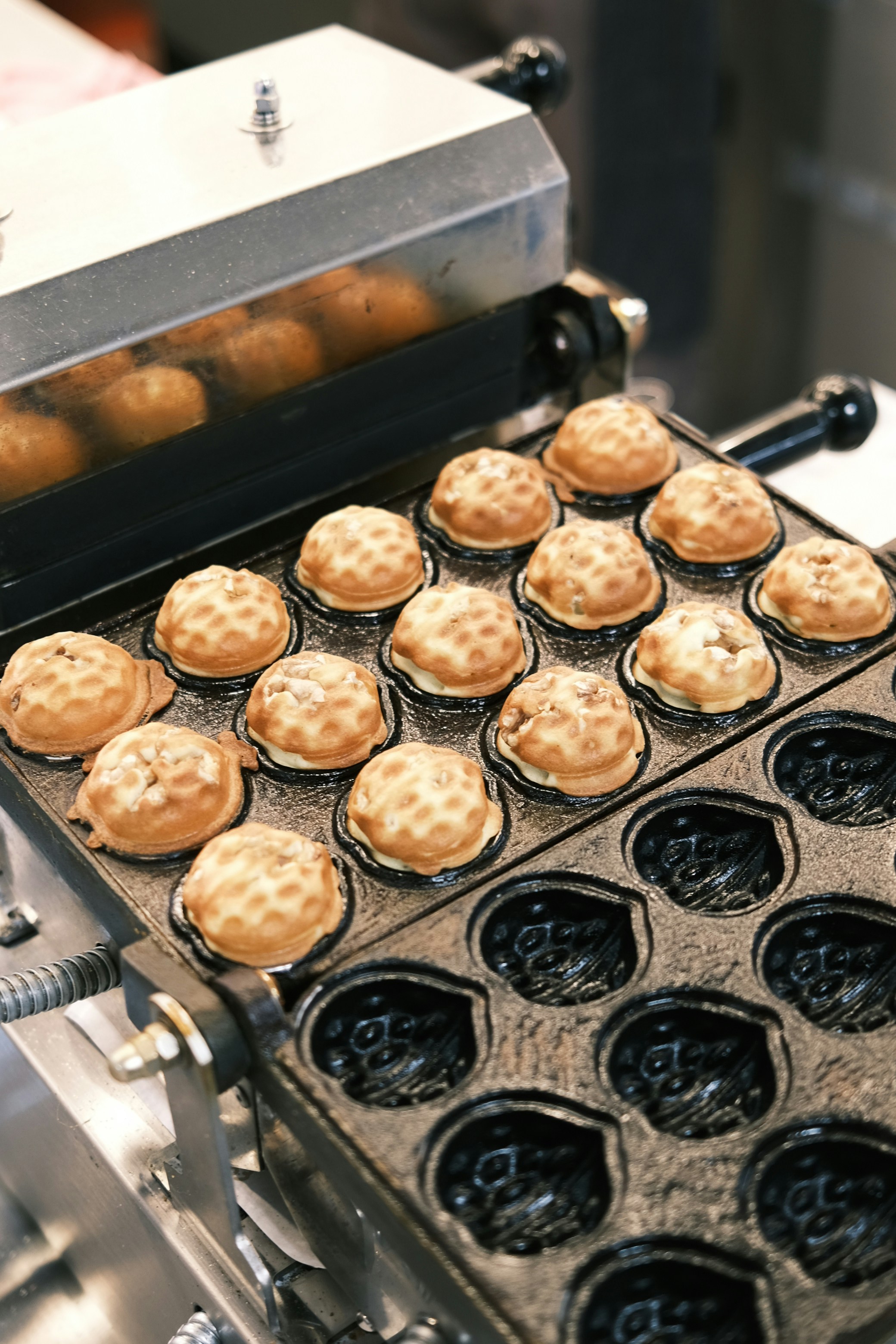
Finally, pastry cutters and moulds are necessary for shaping finished products. Available in various shapes and sizes, cutters facilitate the creation of uniform pastries, ensuring consistency in both presentation and baking time. Selecting the right size and shape will aid in achieving the desired pastry aesthetics.
Each category of equipment plays a pivotal role in the pastry-making process. Understanding their functions and features is essential for any pastry chef looking to streamline their production and elevate their creations.
Advanced Equipment: Increasing Efficiency and Quality
In the realm of pastry production, advanced equipment plays a critical role in enhancing both efficiency and quality. Specialized machinery such as blast chillers, sheeters, and enrobing machines can significantly streamline the pastry-making process, allowing professionals to achieve superior results with less effort.
Blast chillers are pivotal in rapidly cooling pastries, helping to maintain their structural integrity and freshness. By quickly lowering the temperature, they minimize moisture loss and prevent unwanted spoilage. This essential equipment facilitates a shorter production time, allowing pastry chefs to prepare doughs and fillings in advance without compromising the quality. Moreover, the use of blast chillers ensures uniform cooling, crucial for achieving consistent results in flavor and texture.
Another vital asset in modern pastry production is the sheeter, which automates the dough rolling process. This equipment not only enhances productivity but also guarantees that the dough is rolled to an even thickness, a key factor in producing high-quality pastries. With programmable settings, bakers can maintain precise control over thickness and sheet size, contributing to uniformity that is difficult to achieve by hand. This consistency is essential for baked goods like croissants and puff pastries, where even the slightest variation can affect flavor and appearance.
Enrobing machines also elevate the quality of pastry products by providing a uniform coating of chocolate or glaze, enhancing both taste and presentation. These machines reduce manual labor and increase the speed of production, allowing for a seamless integration of multiple coatings that add visual appeal to the final product. As a result, pastries not only taste better but also look more professional, appealing to the visual senses of consumers.
In conclusion, adopting advanced pastry production equipment is indispensable for pastry chefs looking to enhance efficiency and the quality of their products. These tools contribute significantly to a streamlined process, ensuring that each pastry meets high standards consistently.
Maintenance and Best Practices for Pastry Equipment
Ensuring the longevity and optimal performance of pastry production equipment requires a comprehensive approach to maintenance. Regular cleaning is essential and should be carried out after each use, particularly for equipment that comes into direct contact with food. Utilizing appropriate cleaning agents that are safe for food contact surfaces will help in maintaining hygiene and preventing cross-contamination. It is advisable to refer to the manufacturer’s guidelines for specific cleaning instructions tailored to different types of equipment.
Storage practices play a crucial role in preserving the quality of pastry equipment. All tools and machines should be stored in a dry, clean environment to minimize rust and damage. It is beneficial to have a dedicated storage area that is easily accessible while maintaining organization. Storing equipment away from direct sunlight and extreme temperatures is also recommended, as these conditions can affect their functionality.
Implementing a regular maintenance routine is vital for identifying potential issues before they become significant problems. This routine may include checking electrical connections on mixers, ensuring proper functioning of ovens and refrigerators, and inspecting any belts or blades for wear and tear. Establishing a schedule for professional servicing of complex machinery will also ensure that all equipment operates at peak efficiency.
Proper care of pastry production equipment not only enhances its lifespan but also ensures food safety. Regular inspections help in adhering to health and safety regulations while maintaining product quality. By following these best practices, pastry chefs can enhance their operational workflow and ensure the highest standards of safety and excellence in their culinary creations.