


Introduction to Bakery Equipment Maintenance
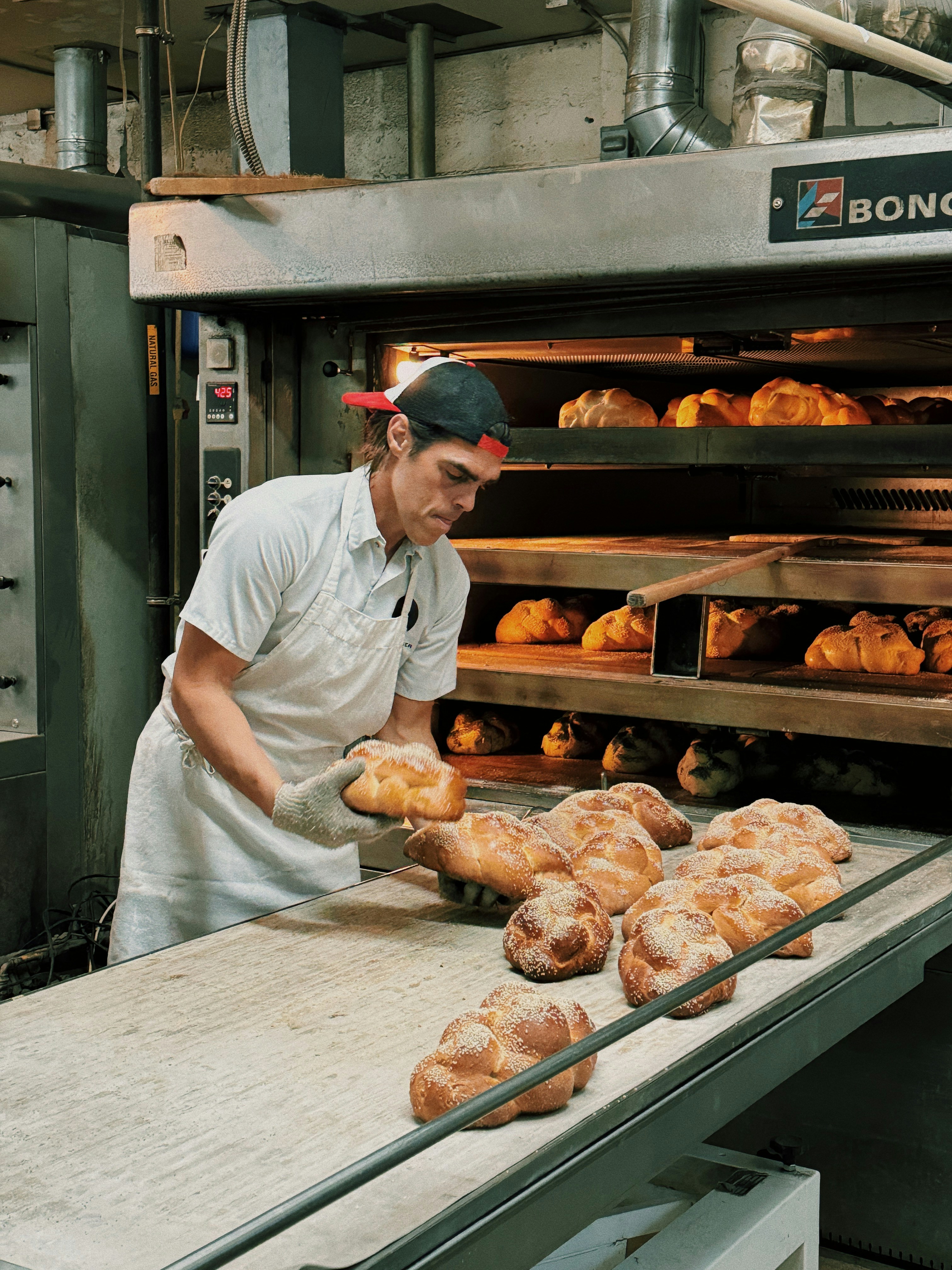
Maintaining bakery equipment is crucial for ensuring that your operations run smoothly and efficiently. The equipment used in baking, from ovens to mixers and refrigeration units, plays a vital role in the quality and consistency of the baked goods produced. Regular maintenance not only prolongs the lifespan of this equipment, but it also enhances overall safety and efficiency in the bakery environment.
When bakery equipment is properly maintained, it reduces the likelihood of unexpected breakdowns, which can lead to costly downtime and interruptions in production. Such disruptions can diminish productivity, affect product quality, and result in lost revenue. Moreover, neglected equipment may pose safety hazards to workers, increasing the risk of accidents in the kitchen.
In addition to health and safety, well-maintained equipment can also improve operational efficiency. For instance, an oven that is regularly cleaned and calibrated ensures even baking, leading to consistent product results. This attention to detail not only satisfies customers but also maintains the bakery’s reputation and encourages repeat business. Conversely, equipment that has fallen into disrepair often leads to inconsistent results, which can discourage customers and damage trust in the brand.
In summary, the importance of bakery equipment maintenance cannot be overstated. Implementing a steady routine of inspection, cleaning, and repairs not only elevates the overall quality of baked products but also safeguards the well-being of employees and the financial health of the bakery. Investing time and resources into maintaining equipment is a proactive strategy that pays off in both the short and long term.
Daily Maintenance Checklist
Maintaining bakery equipment is crucial to ensuring optimal performance and longevity, as well as upholding food safety standards. A well-structured daily maintenance checklist can assist pastry chefs and bakery owners in keeping their equipment and workspace in excellent condition. Below are essential tasks that should be part of daily operations:
1. Clean Work Surfaces: Cleanliness is paramount in a bakery. Daily wiping down of all surfaces, including countertops, tables, and shelves, is necessary to prevent contamination. Use food-safe sanitizers to eliminate bacteria and ensure a hygienic environment for food preparation.
2. Inspect Equipment: Every day, bakery personnel should inspect equipment for signs of wear and tear, such as frayed wires, rust, or malfunctioning components. Identifying issues early can prevent costly repairs and downtime. Highlighting potential problems allows for timely interventions and safe operation.
3. Check Temperature Settings: Maintaining appropriate temperature settings for ovens, proofers, and refrigerators is vital. Daily monitoring ensures that products are baked correctly and stored safely. Fluctuations in temperature can compromise food quality and safety, making this task essential.
4. Assess Inventory: Conduct a daily inventory assessment of ingredients and baking supplies. Keeping track of stock levels ensures that the bakery can meet customer demand without delays. This monitoring also prevents waste by helping to manage expiration dates and reduce spoilage.
5. Verify Equipment Functionality: Test all equipment to confirm proper operation. For example, checking mixers, ovens, and cooling racks can help ensure they are functioning as intended. Any abnormalities should be reported for immediate resolution to prevent further disruptions.
Adopting this daily maintenance checklist will greatly benefit any bakery operation by promoting equipment reliability, enhancing the quality of baked goods, and ensuring a secure food preparation environment.
Weekly and Monthly Maintenance Tasks
In the bakery industry, maintaining equipment is vital for ensuring both efficiency and food safety. Weekly and monthly maintenance tasks play a crucial role in keeping bakery machinery running smoothly and preventing costly breakdowns. These tasks should be integrated into the daily routine of bakery operations to ensure consistency.
On a weekly basis, it is essential to conduct a thorough cleaning of all surfaces and equipment. This includes the mixing machines, ovens, proofers, and any small appliances used in the baking process. Use appropriate cleaning agents that are safe for food contact surfaces to remove flour, sugar, and any residue buildup. Regular cleaning not only ensures that equipment is hygienic but also reduces the risk of contamination and improves the longevity of the machinery.
In addition to cleaning, weekly inspections should involve checking for mechanical issues. Look for signs of wear and tear on parts such as belts, rollers, and bearings. Catching these issues early can prevent larger, more expensive problems from developing. Ensure that all safety features of the equipment are functioning correctly to guarantee a safe working environment for staff.
Monthly maintenance tasks should include more in-depth measures, such as calibrating baking machines to ensure they are operating at the correct specifications. Proper calibration can affect baking times and temperatures, ultimately resulting in improved product quality. This should be supplemented with a comprehensive review of the equipment’s operational efficacy, addressing any anomalies observed during weekly checks.
Lastly, scheduling these maintenance tasks can be challenging in a busy bakery environment. It is advisable to allocate specific times during low-traffic periods, ensuring minimal disruption to production. By incorporating these tasks into a well-structured timetable, bakeries can optimize their operational efficiency and maintain the quality of their baked goods.
Lubrication and Cleaning Protocols
Maintenance of bakery equipment is crucial to ensure smooth operation and long-lasting performance. Among the pivotal aspects of maintaining these machines are lubrication and cleaning protocols. Proper lubrication minimizes friction, thereby reducing wear and tear, which is essential for the optimal operation of machinery such as mixers, ovens, and dough sheeters.
When it comes to lubricating bakery equipment, it is important to choose the right type of lubricant based on the specific machine. For instance, food-grade lubricants are recommended for kneaders and mixers to ensure safety and compliance with health regulations. Chain lubricants should be utilized for automotive components like conveyor systems, while high-temperature greases are ideal for oven components that endure constant heat exposure. These lubricants should be applied as per the manufacturer’s recommendations to maintain efficiency.
In addition to lubrication, regular cleaning of equipment is vital. Using the correct cleaning agents is fundamental in maintaining the integrity of the machinery. Food-safe, non-corrosive detergents should be preferred to ensure they do not harm the machinery or contaminate food products. A schedule should be developed to clean and lubricate equipment, ideally after each use or at least on a weekly basis, depending on the volume of production.
Implementing a rigorous routine for both lubrication and cleaning helps to extend the lifespan of bakery equipment. Regular inspections and maintenance activities enable the early detection of potential issues, allowing for timely interventions that can prevent costly breakdowns. By adhering to these protocols, bakers can ensure their equipment remains efficient and effective for years to come.
Handling Equipment Repairs
In any bakery, the efficiency and quality of the baked goods heavily rely on the condition of the equipment. Regular maintenance is vital, but inevitably, bakery equipment will require repairs at some point. Identifying when your tools and machines need repair is crucial to avoid downtime and ensure a smooth baking operation.
Common signs of malfunction can include unusual noises, failure to reach or maintain the desired temperature, and inconsistent performance during baking cycles. Additionally, leaking fluids or visible wear and tear on machinery could signify that immediate attention is needed. Keeping a checklist for each piece of equipment and performing routine inspections can help in early detection of issues.
Once a problem is identified, the next step is determining whether to attempt repairs in-house or to enlist the services of professionals. For minor issues, such as replacing a belt or a simple electrical component, an experienced bakery staff member may successfully handle the repairs. Nonetheless, more complex problems, such as mechanical failures or problems with the equipment’s primary systems, should prompt a call to technical support or specialized repair services.
It is essential to follow the manufacturer’s guidelines for repairs to prevent further damage and product loss. Additionally, documenting the repairs and maintenance performed can serve as a valuable resource, helping to identify recurring issues that may require systemic changes or upgrades to prevent future malfunctions.
In conclusion, handling equipment repairs effectively involves keen observation for early signs of malfunction, understanding when to act and when to seek professional assistance, and keeping records for future reference. By approaching equipment maintenance and repairs methodically, bakeries can optimize their productivity and minimize unexpected disruptions.
Importance of Staff Training
In any bakery environment, the significance of staff training cannot be overstated, particularly regarding the operation and maintenance of essential equipment. Well-trained staff not only contribute to the efficient running of daily operations but also play a crucial role in ensuring the longevity and reliability of bakery machinery. One of the key training areas is the safe handling of equipment. Staff should understand the operational guidelines of each machine to prevent accidents and injuries. Familiarity with safety protocols ensures a safe working environment and minimizes potential equipment damage.
Moreover, proper cleaning techniques are integral to equipment maintenance. Employees should be trained on how to clean machinery without causing harm to its components. This includes using the appropriate cleaning agents and understanding the specific cleaning schedules for different types of equipment. For example, ovens, mixers, and refrigerators each have unique requirements that should be adhered to in order to maintain optimal performance and hygiene standards.
Another important aspect of staff training involves recognizing warning signs that indicate equipment issues. Training staff to identify unusual noises, frequent malfunctions, or changes in equipment performance can greatly reduce downtime and repair costs. An informed team is better equipped to troubleshoot minor problems before they escalate into major repairs. Furthermore, fostering a culture of accountability encourages staff to report and address equipment concerns proactively.
Ultimately, investing in comprehensive training programs for bakery staff enhances their competence in equipment management. Trained personnel not only improve operational efficiency but also protect the business’s capital investment in equipment, minimizing potential losses due to neglect or incompetence. Hence, prioritizing staff training is a key component in effective bakery equipment maintenance.
Seasonal Maintenance Considerations
Seasonal changes can significantly impact the performance of bakery equipment, making it essential to consider these factors during maintenance routines. Temperature and humidity variations may influence not only the quality of baked goods but also the longevity and efficiency of the machinery. Therefore, understanding and addressing these seasonal effects is pivotal for successful baking operations.
During warmer months, higher humidity levels can lead to moisture accumulation, which may adversely affect electronic components and cause corrosion in metal parts. To mitigate these risks, it is advisable to store sensitive equipment in a climate-controlled environment or use dehumidifiers in the baking area. Regular inspection and cleaning of equipment should also be implemented to prevent any build-up of moisture that could hinder operational efficiency.
Conversely, as temperatures drop in the winter, lower humidity levels may result in excessive dryness, which can lead to static build-up that negatively impacts the performance of electronic equipment and may affect ingredient properties. In this case, implementing a humidification system could be beneficial to maintain optimal moisture levels in the air and prevent adverse effects on both equipment and baked goods.
Additionally, seasonal inspections should include evaluating seals, gaskets, and insulation, which may degrade over time, especially if exposed to fluctuating temperatures. Ensuring that these components are in good working order is critical for maintaining energy efficiency and minimizing heat loss, which can further impact the consistency of baked items. Scheduling routine checks and maintenance during the changing seasons helps to identify potential issues early and reduce significant downtime.
Record-Keeping for Maintenance
Effective maintenance of bakery equipment is crucial for ensuring optimal performance and prolonging the lifespan of your machinery. One of the key aspects of establishing a robust maintenance routine is maintaining detailed records of all maintenance activities. These records serve as a comprehensive log that helps in identifying patterns, scheduling future maintenance, and planning budgets for repairs and replacement.
When creating a maintenance log, it is essential to document specific information pertaining to each maintenance activity. Start by noting the date of service; this allows for tracking the frequency of maintenance and helps in recognizing any looming issues before they escalate. Furthermore, detailing the specific repairs undertaken is vital. This could include information about any components that were repaired or replaced, thereby creating a clear history of the equipment’s service lifecycle.
Additionally, it is beneficial to log parts replaced along with their purchase details, including costs. This not only aids in budgeting but also helps track which parts are prone to failure, allowing for preemptive ordering and replacement, thereby minimizing downtime. Notably, it is advantageous to include any technician’s notes that may provide insight into recurring issues or potential upgrades that could enhance equipment performance.
Regularly reviewing these maintenance records can significantly benefit future planning. By analyzing past service history, bakery managers can make informed decisions on when equipment is due for maintenance or replacement based on age, usage, and performance trends. This proactive approach to record-keeping ultimately contributes to a more efficient bakery operation, reducing unexpected breakdowns and ensuring that high-quality standards are consistently met.
Conclusion and Best Practices
Effective maintenance of bakery equipment is vital for maintaining high product quality and operational efficiency in any bakery. Throughout this blog post, we have discussed several key practices that every bakery owner and staff member should incorporate into their daily routines. Ensuring regular cleaning, inspecting for functionality, and timely repair of machinery can significantly reduce the risk of unexpected equipment failures, which often lead to costly downtime.
One of the fundamental best practices is to establish a routine maintenance schedule based on the specific demands and usage patterns of your equipment. Implementing a checklist for daily, weekly, and monthly maintenance tasks can help streamline this process. For instance, daily tasks might include cleaning surfaces and checking that all machines are operating correctly, while monthly inspections could focus on deeper evaluations such as checking belts, bearings, and other critical components.
Furthermore, investing time in training staff on proper usage and maintenance procedures can enhance their competency and confidence in handling bakery equipment. Trained staff are more likely to identify issues early, which can prevent minor problems from escalating. Additionally, documenting maintenance activities and repairs can offer insights into patterns that may need addressing and help in planning future upgrades or replacements for aging equipment.
In conclusion, adopting these maintenance best practices not only enhances the performance and longevity of bakery equipment but also contributes to ensuring product quality and safety. By prioritizing regular maintenance, bakery owners can protect their investment and facilitate a seamless and efficient baking process, ultimately leading to the satisfaction of both staff and customers alike.