


Introduction to Home Baking and Going Commercial
In recent years, the art of home baking has gained significant traction, transforming from a cherished pastime into a lucrative entrepreneurial venture. As more enthusiasts discover the joys of baking and the satisfaction that comes from creating delectable treats, many are contemplating the transition to a commercial baking business. This shift not only allows for the expression of culinary passion but also opens up avenues for potential earnings.
The surge in popularity of homemade baked goods can be attributed to a growing consumer desire for authentic, artisanal products. With people increasingly aware of where their food comes from, baked goods that are crafted with care and high-quality ingredients often stand out in a marketplace flooded with mass-produced products. This trend presents home bakers with a unique opportunity to capitalize on their skills and creativity, turning beloved recipes into a thriving business.
Motivations for transitioning from home baking to a commercial setting vary among individuals. For some, the primary driver is a deep-seated passion for baking, inspired by family traditions or personal experimentation in the kitchen. Others are spurred by the potential for financial independence and the opportunity to share their creations with a broader audience. This desire to bring joy through baked goods can serve as a powerful motivation, encouraging bakers to take the leap into the business world.
It is important for aspiring commercial bakers to approach this transition thoughtfully. Understanding the nuances of running a business—from regulatory compliance to effective marketing strategies—is essential for success. By equipping themselves with the necessary tools and knowledge, home bakers can confidently navigate the path from their kitchen to the marketplace, ensuring that their passion translates into a successful enterprise.
Understanding the Importance of Quality Tools
For any home baker looking to transition into the commercial baking world, the tools used in the kitchen play a pivotal role in achieving success. Investing in high-quality baking tools is not merely an option but a necessity when striving for consistency and excellence in baked goods. Quality tools not only improve the baking process but also significantly influence the final product’s quality, which is essential when catering to a broader customer base.
One of the primary reasons for prioritizing quality tools is their ability to ensure consistency. When baking on a commercial scale, replicating recipes with precision is critical to maintain product quality. High-grade tools, such as mixers, oven thermometers, and measuring tools, are engineered to provide more accurate measurements and even heat distribution, which ultimately leads to a uniform texture and flavor in all baked goods. This level of consistency can help establish a brand identity, where customers can trust that each product will meet their expectations.
Efficiency is another key factor when discussing the importance of quality baking tools. In a commercial environment, time is often of the essence, and using inferior tools can result in delays, increased labor costs, and ultimately dissatisfied customers. Professional-grade equipment, such as heavy-duty ovens and specialized baking sheets, can expedite the baking process, allowing bakers to focus on creativity and innovation rather than troubleshooting equipment failures. Furthermore, robust tools tend to require less maintenance, reducing downtime and ensuring that production remains uninterrupted.
Lastly, customer satisfaction is at the heart of every successful business, and high-quality baking tools contribute significantly to achieving this goal. When customers receive evenly baked, beautifully presented items, it builds trust and loyalty toward the brand. Investing in quality tools leads to superior products, resulting in positive reviews, repeat purchases, and word-of-mouth referrals, which are invaluable for any burgeoning commercial baking enterprise.
Essential Baking Equipment for Commercial Use
For home bakers looking to transition into commercial baking, sourcing the appropriate baking equipment is crucial for producing consistent and high-quality results. Here is a list of essential tools designed for commercial use:
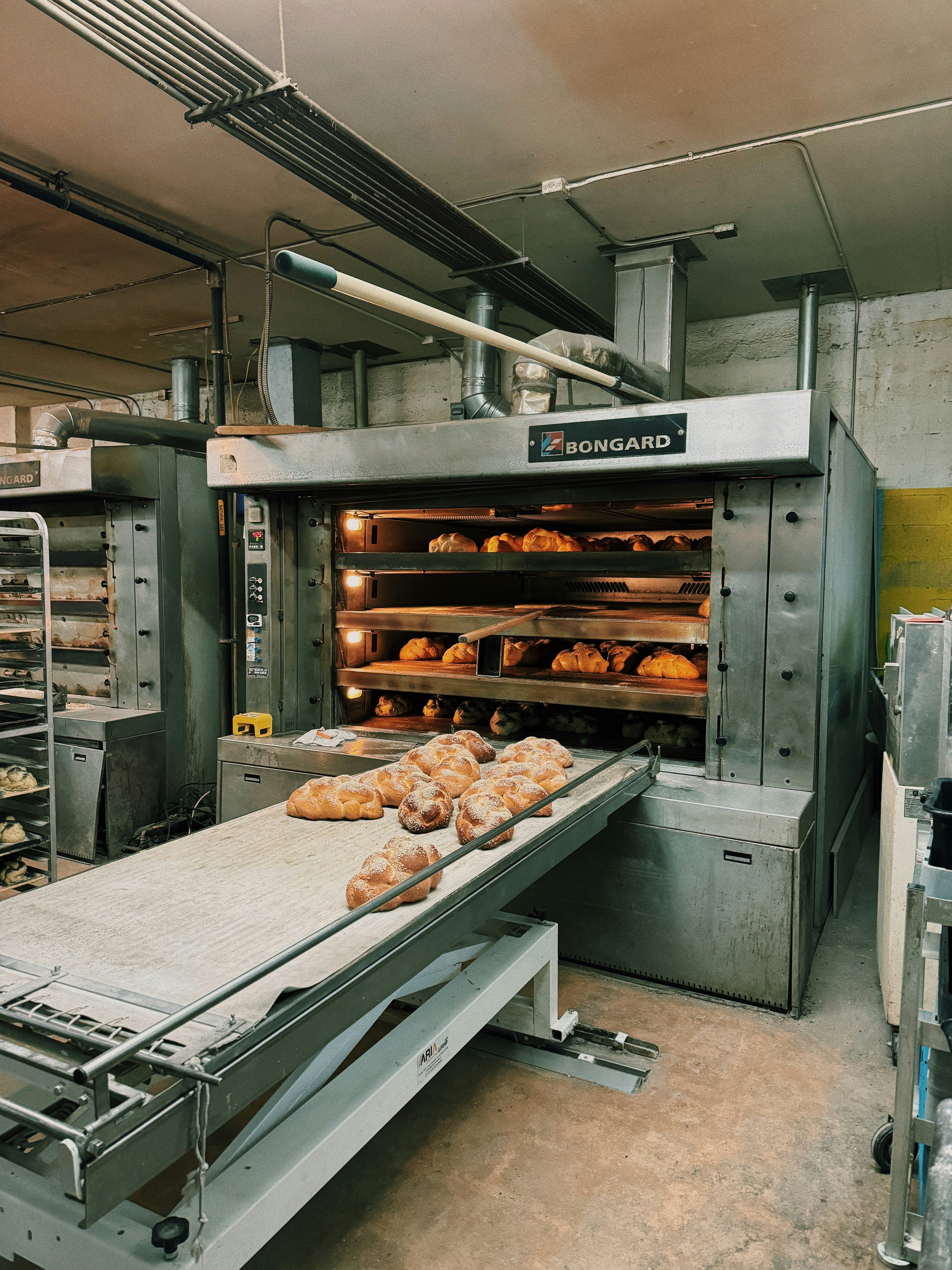
1. Commercial Oven: A powerful oven is the cornerstone of any baking setup. Commercial ovens come in various types, such as convection or deck ovens, each offering specific benefits for different baking techniques. These ovens provide uniform heat distribution, ensuring that baked goods rise properly and achieve the right texture.
2. Stand Mixer: A commercial-grade stand mixer can handle large volumes of dough and batter efficiently. With various attachments available, such as whisks and dough hooks, these mixers can tackle anything from whipped cream to bread dough, making them versatile assets in any bakery.
3. Baking Sheets and Pans: Durable baking sheets and pans are essential for every type of baked good, from cookies to cakes. Commercial-grade materials can withstand high temperatures and repeated use, which is essential for any busy bakery environment.
4. Cooling Racks: Proper cooling of baked goods is necessary to achieve the desired texture and prevent sogginess. High-quality cooling racks allow for adequate air circulation around pastries and breads, ensuring they are cooled efficiently.
5. Scales and Measuring Tools: Precision is key in baking. Digital scales and measuring cups/spoons are crucial for accurate ingredient measurements. Consistency in measurements leads to more predictable results, critical for a commercial operation.
6. Food Processor: A food processor can significantly streamline the preparation process. It can quickly chop, puree, and blend ingredients, saving time and effort in the kitchen.
Investing in these essential baking equipment pieces will help home bakers scale their operations efficiently while maintaining the quality that customers expect in commercial products. Each tool plays a significant role in ensuring optimal results and streamlining the baking process.
Choosing the Right Ingredients for Commercial Baking
In the realm of commercial baking, the fundamental cornerstone of success lies in the quality of ingredients utilized. Selecting high-quality ingredients not only enhances the flavor and texture of baked goods but also helps establish a reputable brand. When embarking on a commercial baking venture, it is essential to source ingredients that are reliable, fresh, and sustainable.
One of the primary considerations for home bakers transitioning to a commercial scale is bulk purchasing. By buying ingredients in larger quantities, bakers can achieve significant cost savings and ensure a consistent supply. It is advisable to establish relationships with local suppliers or wholesalers who offer competitive prices without compromising the quality of the ingredients. Establishing a robust supply chain, especially for staple items such as flour, sugar, and butter, is critical for maintaining operational efficiency.
Seasonal ingredients also play a vital role in the quality of baked goods. Utilizing fruits, nuts, and other produce at the peak of their season will significantly enhance the flavor profile of the final product. Moreover, incorporating seasonal items into the menu not only attracts customers looking for fresh options but also contributes to sustainability by reducing the carbon footprint associated with transporting out-of-season ingredients.
Moreover, the quality of ingredients has a direct impact on the final product’s consistency. Flour type, fat content in dairy, and the freshness of eggs can all affect the result of a recipe. Therefore, bakers should prioritize sourcing ingredients that meet specific standards, ensuring that formulations yield the same high-quality results batch after batch. This attention to detail helps in building customer trust and loyalty, which are crucial in a competitive market.
In conclusion, choosing the right ingredients for commercial baking is an intricate process that requires careful consideration of quality, sourcing methods, and seasonal availability. By establishing strong supplier relationships and prioritizing ingredient integrity, bakers can significantly enhance their offerings and solidify their position in the market.
Safety and Sanitation Tools for Commercial Bakers
Ensuring safety and sanitation in a commercial baking environment is paramount for both the quality of the products and the wellbeing of the staff. As aspiring commercial bakers transition from home kitchens to larger operations, it is essential to equip themselves with the necessary safety and sanitation tools. The use of gloves, aprons, and appropriate cleaning supplies not only promotes hygiene but also aids in compliance with health regulations.
One of the primary safety tools for commercial bakers is the use of protective gloves. These gloves serve as a barrier against contaminants, ensuring that both the baker and the food remain safe during preparation. Choosing disposable gloves made from materials resistant to tears and punctures, such as nitrile or vinyl, is advisable. Additionally, bakers should frequently change gloves, particularly when switching between tasks to prevent cross-contamination.
Furthermore, the importance of wearing aprons cannot be overstated. Aprons protect clothing and provide an extra layer of defense against spills and splashes that can occur in a busy kitchen. Selecting aprons made from materials that can be easily washed and sanitized will contribute to maintaining a clean working environment.
Cleaning supplies are another critical component in maintaining sanitation. A well-stocked cleaning station should include disinfectants, sanitizing wipes, sponges, and brushes specifically designed for food preparation areas. Regular cleaning and sanitation of work surfaces, utensils, and equipment are necessary to prevent the spread of pathogens and ensure food safety.
Finally, fostering a culture of cleanliness in the kitchen staff is essential. Regular training sessions on proper sanitation practices and the importance of maintaining a hygienic workspace can help cultivate a responsible mindset among bakers. By prioritizing the use of safety and sanitation tools, commercial bakers can create an environment that not only adheres to health regulations but also enhances the overall quality of their products.
Budgeting for Essential Tools and Equipment
Establishing a successful commercial baking operation requires careful budgeting for essential tools and equipment. The cost of these items can vary significantly based on quality, brand, and functionality. Therefore, it is crucial to assess your needs and prioritize your purchases effectively. Start by creating a detailed list of the essential tools such as mixers, ovens, baking sheets, measuring tools, and storage containers. This will allow you to estimate initial costs and identify your most immediate needs.
To manage your budget, consider setting a fixed amount aside specifically for tools and equipment. It is advisable to research and compare prices from multiple suppliers to find the best deals. Online marketplaces, local culinary supply stores, and second-hand shops can offer competitive prices. Many manufacturers provide clearance sales or refurbished items that are as good as new, which can help in acquiring quality tools without exceeding your budget.
It is also prudent to look into the possibility of financing or leasing expensive equipment. Various companies offer financing options that spread out payments over time, allowing you to maintain cash flow while investing in necessary tools. Additionally, keep an eye on seasonal sales or promotions, especially during holidays when many kitchen supply retailers mark down prices significantly.
Furthermore, building a relationship with suppliers may grant you access to discounts or insider information on upcoming sales. When budgeting for commercial baking tools, remain flexible and willing to adjust your plans as you gain a clearer understanding of your operational needs. This approach not only helps in staying within your financial limits but also ensures you invest in quality equipment that enhances your baking efficiency.
Maintenance and Care of Baking Equipment
Baking equipment is essential for any aspiring home baker wishing to transition into a commercial venture. Proper maintenance and care of these tools not only prolong their lifespan but also ensure peak performance when creating delicious baked goods. Regular upkeep is imperative; thus, developing a systematic approach to maintaining your equipment is essential.
First and foremost, cleaning your baking tools after each use is vital. Ingredients such as flour, sugar, and butter can build up over time, leading to potential contamination or degradation of your equipment. It is advisable to rinse any removable parts with warm water and mild detergent, followed by thorough drying. For equipment like mixing bowls and baking sheets, a gentle scrub with a non-abrasive sponge can prevent scratching and preserve their integrity.
Storage also plays a critical role in the maintenance of baking equipment. Ensure that items such as mixers, cake pans, and measuring tools are stored in a clean, dry space. Avoid stacking heavy objects on top of delicate tools to prevent warp or damage. Utilizing protective padding or storage containers can further shield these items from dust and debris.
Moreover, troubleshooting common issues promptly is essential to maintain functionality. For example, if you experience improper mixing, it may be due to a worn-out paddle attachment or an unbalanced mixer. Regularly inspect your tools for signs of wear and replace any compromised components to avoid larger problems down the line.
In conclusion, the careful maintenance and care of your baking equipment are vital in optimizing performance and ensuring that you can continue producing quality baked goods. By following these simple practices, you will not only extend the life of your tools but also enhance your overall baking experience, ultimately contributing to your success as a commercial baker.
Marketing Tools for Your Home Bakery Business
Successfully transitioning from a home baker to a commercial venture requires not only an inviting selection of baked goods but also effective marketing strategies. Implementing the right marketing tools is essential for creating brand awareness and attracting customers to your home bakery. One of the most powerful marketing tools at your disposal is social media.
Platforms like Instagram, Facebook, and Pinterest are invaluable for showcasing your products. High-quality images of your baked items can captivate potential customers and encourage sharing among their networks. Engaging content that includes behind-the-scenes glimpses of the baking process or customer reviews can further develop your bakery’s online presence. Don’t forget to utilize local groups or community pages, which can enhance your reach within your locality.
Another critical marketing tool is branding. Establishing a cohesive brand identity for your home bakery creates recognition and loyalty among customers. This includes designing a memorable logo, selecting a color palette for packaging, and creating a professional website. Your website should clearly display your offerings, prices, and contact information, functioning as a central hub for your online customers.
Packaging is also an important element of marketing; effective packaging not only keeps your baked goods fresh but also communicates your bakery’s brand values. Invest in quality packaging that reflects the aesthetic of your brand, and consider incorporating eco-friendly materials, which can appeal to environmentally conscious customers.
Lastly, don’t overlook the potential of local marketing. Participating in farmers’ markets, local fairs, and community events can help you reach new clientele within your area. Offering samples and engaging with patrons allows you to create personal connections, which can lead to a loyal customer base.
Conclusion: Ready to Bake for Business!
Transitioning from home baking to commercial baking can be an exciting yet daunting journey for many home bakers. As discussed, investing in essential tools and equipment is crucial for ensuring efficiency and maintaining product quality in a business setting. It is important for aspiring bakers to understand that the right tools, such as commercial ovens, mixers, and storage solutions, not only enhance productivity but also elevate the consistency of the final products.
Moreover, adopting a professional mindset is just as significant as having the appropriate equipment. This involves embracing best practices in food safety, keeping up with industry trends, and understanding the marketing aspect of running a baking business. The combination of skill, knowledge, and proper tools creates a solid foundation for success in the ever-competitive market of baked goods.
As you stand at the brink of expanding your baking hobby into a commercial endeavor, remember that the leap requires both courage and preparation. Set clear goals, develop a comprehensive business plan, and continuously refine your baking techniques. Stay open to learning and improvement, and do not hesitate to seek support from experienced bakers and mentors. Their guidance can be invaluable as you navigate this new terrain.
In conclusion, with the right tools and mindset in place, home bakers are well-equipped to embark on a rewarding journey as commercial bakers. By melding passion with professionalism, you can not only satisfy your creative urges but also build a thriving business that allows you to bring joy to countless customers through your baked creations.