


1. Not Maintaining Equipment Regularly
Regular maintenance of butchery equipment is paramount to ensuring the seamless operation of any butcher shop. One critical mistake that many butchers make is neglecting the upkeep of their tools and machines. This oversight can result in equipment failure, which not only disrupts the workflow but also poses safety hazards to employees. Efficient butchery relies on a range of tools, including saws, knives, grinders, and slicers. Therefore, it is vital to establish a maintenance routine to extend the lifespan of these essential instruments.
First and foremost, cleanliness is key. Regularly cleaning all equipment prevents the buildup of bacteria and other contaminants that can compromise food safety. A thorough cleaning schedule should include disassembling equipment when possible, sanitizing all surfaces, and ensuring that all components are dried properly to avoid rust and corrosion. Neglecting this fundamental step can lead to severe health violations and loss of customer trust.
Additionally, the effectiveness of blades depends on their sharpness. Dull blades not only hinder performance but also increase the likelihood of accidents, as more force is required to cut through meat. Sharpening blades on a routine basis ensures precision in cutting and enhances overall efficiency in the butchering process. Moreover, inspections for wear and tear or any signs of damage should be part of the maintenance protocol. Identifying potential issues early can often prevent more significant and costly breakdowns.
Overall, failing to maintain butchery equipment can lead to decreased efficiency, unplanned expenses, and compromise the safety of the workplace. By committing to a comprehensive maintenance schedule including cleaning, sharpening, and regular inspections, butchers can ensure that their operations remain productive and safe.
Using Incorrect Knives for Specific Cuts
One of the prevalent mistakes in butchery is the use of incorrect knives for specific cuts. Selecting the right knife not only improves the efficiency of the butchering process but also enhances safety. In the realm of butchery, there are several specialized knives, each intended for distinct purposes. Understanding these differences is crucial for anyone engaged in this craft.
For instance, a boning knife, characterized by its narrow, flexible blade, is ideally suited for separating meat from bone. This knife’s design allows for precision in cuts around joints and a clean separation, which is essential for maintaining meat quality. Conversely, a chef’s knife, which is broader and heavier, excels in chopping and slicing through larger cuts of meat but is not as effective for delicate work around bones.
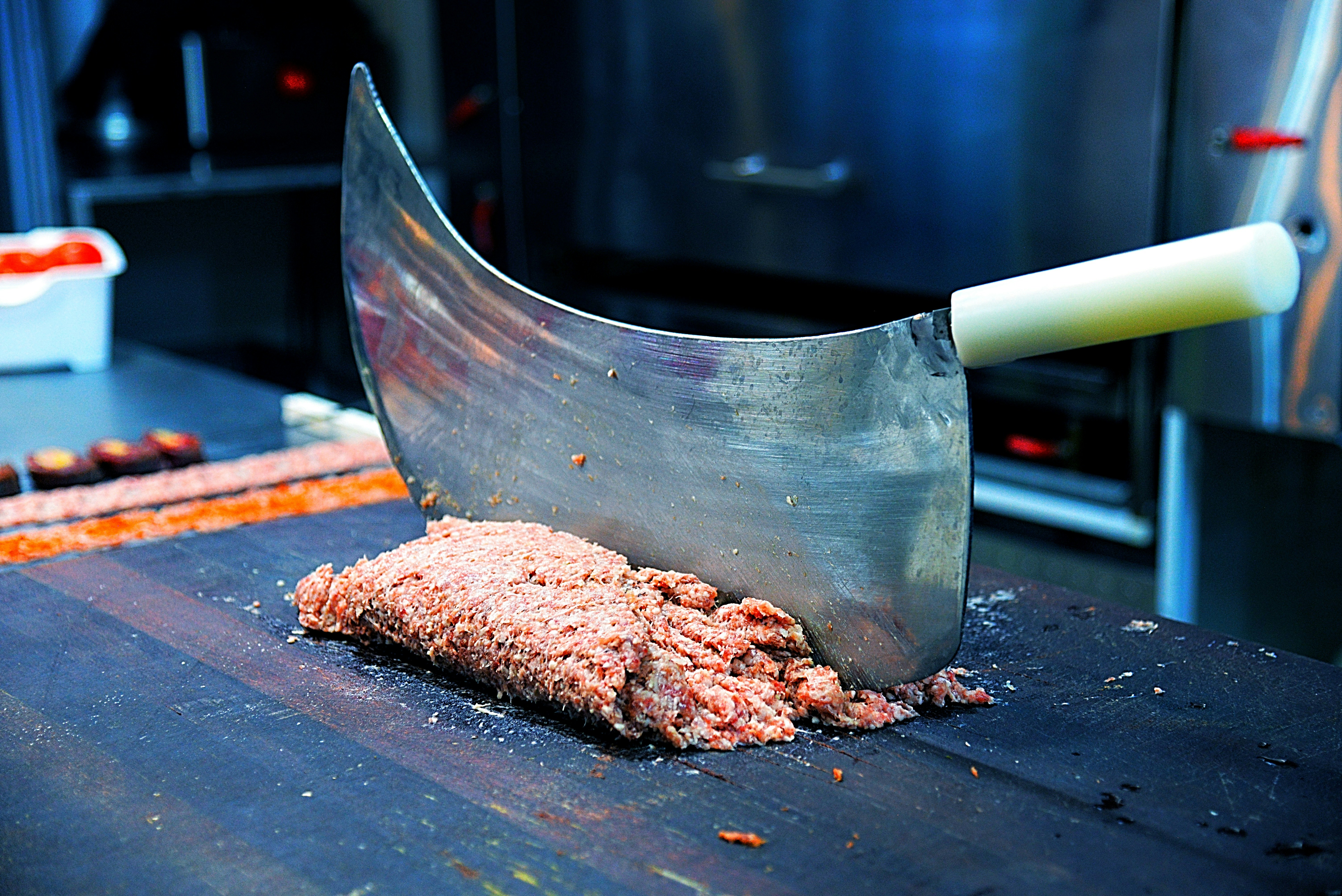
Additionally, there are knives like the cleaver, which, with its heavy and broad blade, is designed for chopping through joints and cutting through tougher sections of meat. Using a chef’s knife for this function can lead to improper cuts, increased effort, and potential safety hazards. Furthermore, employing the wrong type of knife can cause excessive wear and tear on the blade, ultimately reducing its lifespan and effectiveness.
Choosing the correct knife involves understanding not only the function of the knife but also the material of the meat being worked on. For instance, a filleting knife is specifically designed for fish, featuring a tapered and flexible blade that allows for effortless skinning and filleting. Utilizing alternative knife types can lead to subpar results, increased fatigue, and a higher risk of accidents.
In conclusion, using the correct knife for specific cuts in butchery is fundamental to executing tasks efficiently and safely. Familiarity with different knives and their designated purposes will significantly enhance one’s skills and overall butchery experience.
Ignoring Safety Protocols
In the butchery trade, safety cannot be taken lightly. Adhering to established safety protocols is paramount in preventing workplace accidents and injuries. Each year, countless butchers face injuries ranging from minor cuts to severe accidents caused by lapses in safety. It is essential for all staff to be trained in safety practices specific to the use of butchery equipment.
One of the primary aspects of safety in butchery is the use of appropriate protective gear. This includes cut-resistant gloves, aprons designed for safety, and sturdy footwear to protect the worker’s feet from heavy objects and potential cutting tools. Additionally, wearing hairnets and masks can help maintain hygiene standards while protecting workers from accidents related to contaminants.
Creating a safe working environment also involves ensuring that butchery equipment is regularly maintained and inspected. Equipment that is not functioning correctly can increase the risk of injuries. Establishing a routine inspection schedule for tools and machines, along with timely repairs, can significantly mitigate these risks. Furthermore, proper training on the specific operation of each piece of equipment ensures that workers understand its functions and potential hazards.
It is equally critical to keep workspaces clean and organized. Cluttered or dirty work areas pose significant safety hazards, which can lead to slips, trips, and falls. All butchery equipment should be stored properly when not in use, and spills should be cleaned up immediately to maintain a safe environment. Clear labeling of all tools and storage areas can also aid in preventing confusion and accidents.
In essence, focusing on safety protocols not only protects the employees, but it also fosters a culture of safety within the butchery environment, which can lead to more effective and efficient work practices. By emphasizing safe habits, the likelihood of injuries can be notably reduced, creating a safer workplace for all involved.
Overloading Equipment Beyond Its Capacity
In the world of butchery, proper handling and usage of equipment is critical to ensuring efficient operations and maintaining product quality. One common mistake that can have dire consequences is overloading equipment beyond its capacity. Butchery machines, such as grinders and slicers, are designed with specific weight and volume limits to deliver optimal performance. When operators exceed these limits, the risk of damage to the equipment increases significantly.
Overloading can lead to several problems, including mechanical breakdowns that require costly repairs and downtime. For instance, if a meat grinder is overloaded, it may overheat, leading to motor failure or even catastrophic breakdowns. Similarly, a slicer that is pushed beyond its capacity can result in uneven cuts, affecting the overall presentation and consistency of the final product. Such inconsistencies not only impact quality but can also erode consumer trust.
Moreover, there are safety risks associated with the practice of overloading butchery equipment. Excessive load can cause the machine to malfunction unexpectedly, potentially leading to operator injury. It is essential for butcher shops to adhere strictly to manufacturer guidelines regarding maximum capacities, ensuring that equipment functions safely and effectively.
To avoid the pitfalls of overloading, employees should be trained on the capacity specifications of each piece of equipment. Additionally, businesses may benefit from implementing standard operating procedures that delineate the weight and volume limits permissible for each machine. Regular maintenance checks can also help in identifying wear and damage early, ensuring machines function within their intended capacities. By observing these guidelines, butchers can preserve both the integrity of their equipment and the quality of their products.