


Understanding the Basics of Butchery Layout
In the realm of butchery, the layout of the workspace is of paramount importance. A well-planned butchery layout not only facilitates efficient workflow but also enhances safety and addresses compliance with health regulations. When designing such a space, several factors must be taken into consideration to optimize the function of each area, thereby promoting a seamless processing environment.
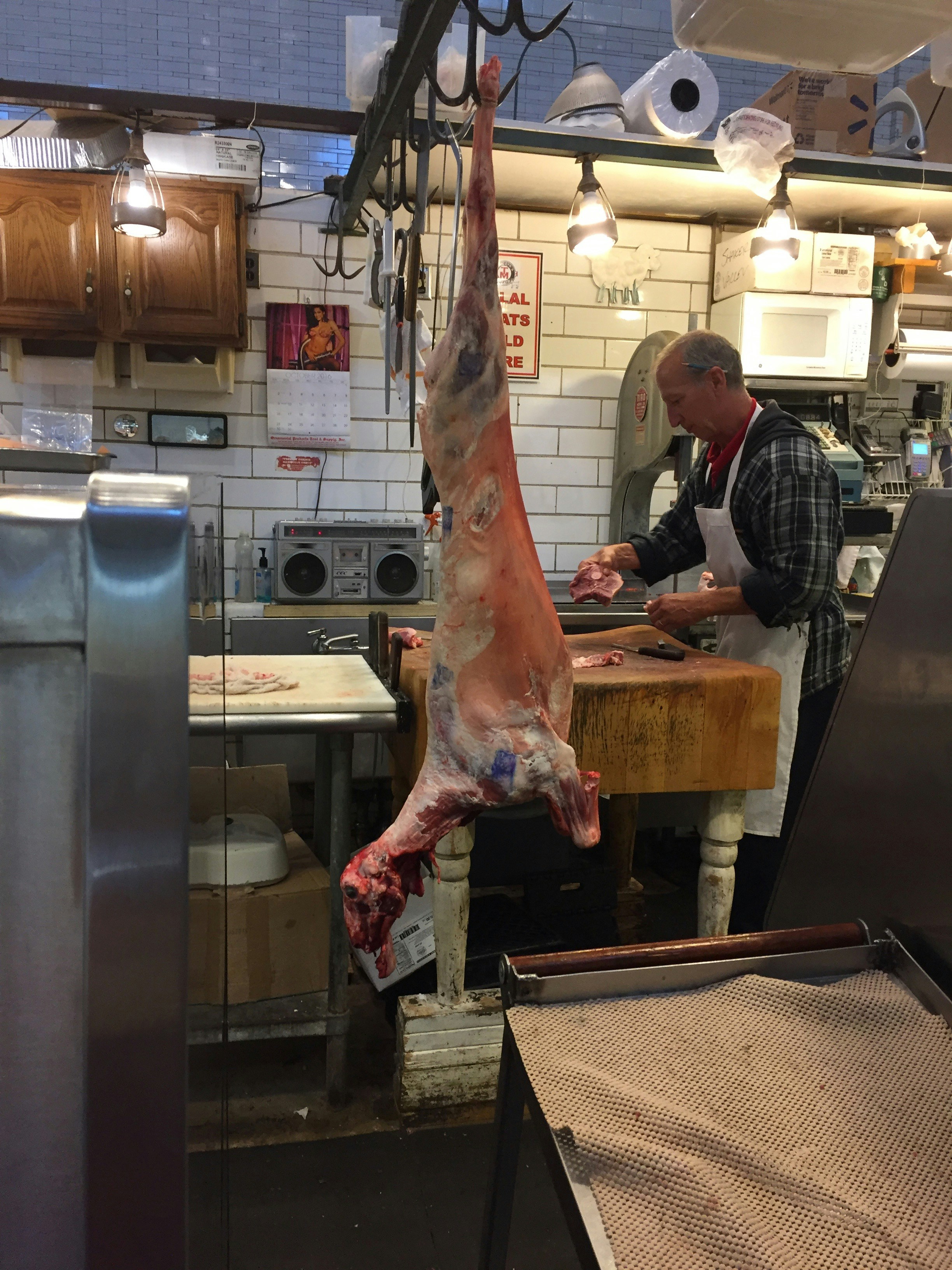
The first key aspect of a successful butchery layout is zoning. Zoning involves creating designated areas for specific activities such as meat processing, packaging, storage, and customer interaction. By clearly defining these zones, butchers can minimize cross-contamination and streamline operations. For example, the meat processing area should be situated away from customer interaction areas to maintain hygiene and ensure that raw products do not come into contact with finished goods.
Moreover, the design should facilitate an efficient movement of staff and products. Placing necessary equipment and tools within easy reach in each zone reduces the time required for staff to navigate between tasks. This organization not only improves efficiency but also contributes to worker safety, allowing for less cluttered workstations and reducing the risk of accidents.
Another significant element to consider is the storage area. Proper storage that is temperature controlled is crucial for preserving the quality and safety of meat products. Effective layout planning ensures that there is sufficient space for refrigeration units away from areas where meat is handled and processed. It is also essential to ensure that the storage area is easily accessible, allowing staff to quickly retrieve or store products as needed.
Ultimately, understanding the fundamentals of butchery layout is critical for both operational efficiency and compliance with strict health and safety regulations. When planning a butchery, careful attention must be paid to zoning, staff movement, and storage solutions to create a productive and safe working environment.
Essential Equipment for Modern Butcher Shops
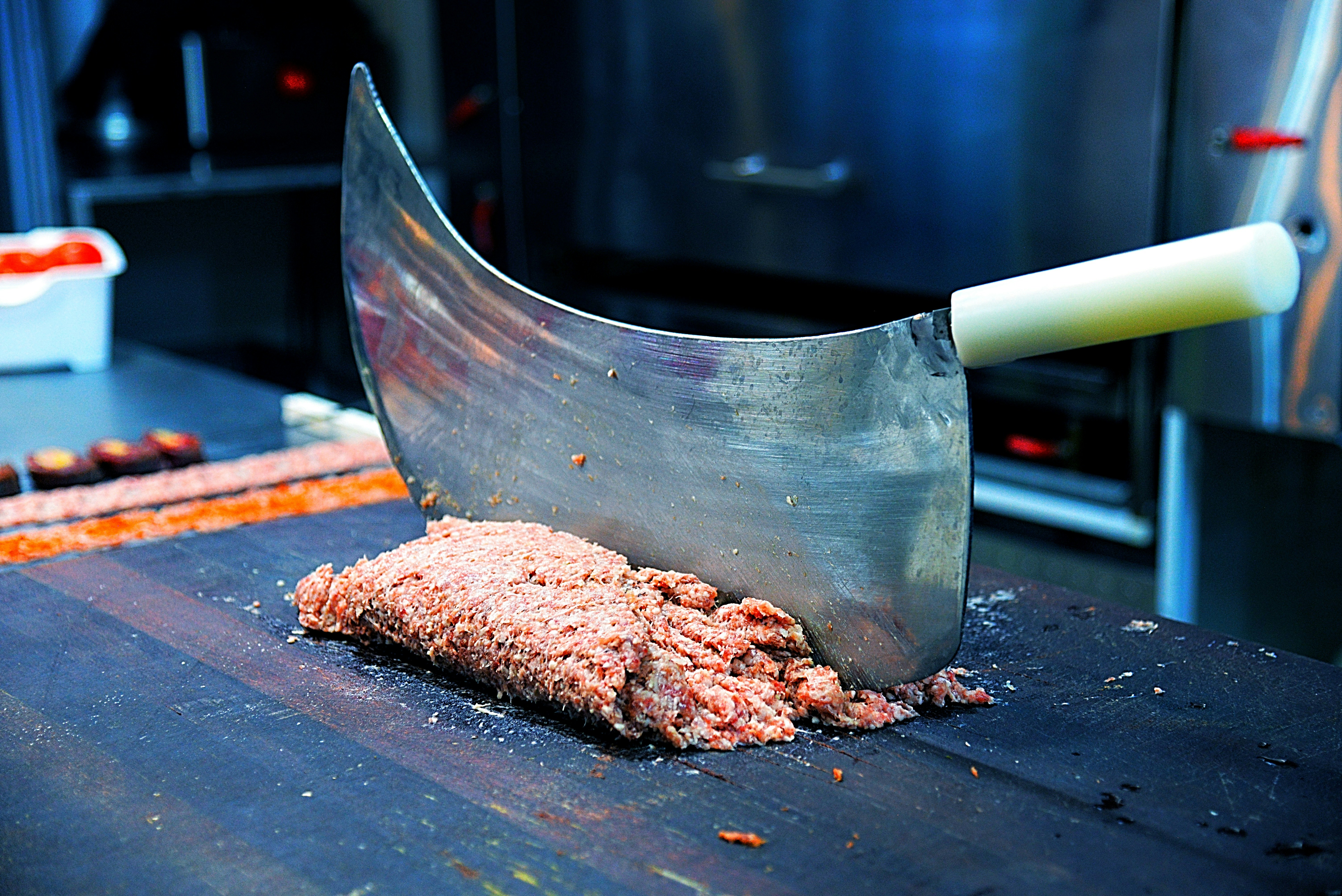
For any successful butcher shop, equipping the establishment with the right tools is paramount to ensure quality meat processing and customer satisfaction. The list of essential equipment encompasses various tools, each serving a unique function vital to the butchering operation. At the forefront are meat saws, grinders, and slicers, which facilitate the initial processing of raw meat.
Meat saws are indispensable for cutting through bones and larger cuts, offering precise and clean cuts essential for meat presentation. They vary from manual to electric options, with the latter generally preferred for high-volume operations due to their efficiency. Grinders, another crucial component, transform larger pieces of meat into ground forms suitable for sausage making or burger patties. The choice between commercial-grade meat grinders versus home-use models will depend on the shop’s size and expected production volume.
Slicers are also vital in any modern butchery, used for producing uniform slices for deli meats and other products. Selecting the right slicer involves considering blade size, motor power, and ease of cleaning and maintenance. Additionally, refrigeration units are critical in maintaining meat freshness and safety. A combination of walk-in freezers and display cases ensures that a variety of meats are stored correctly and remain visually appealing to customers.
Display cases should be chosen based on size and capacity of the butcher shop, allowing for adequate space to showcase meats without overcrowding. Beyond initial equipment selection, ongoing maintenance of these tools is crucial for ensuring longevity and optimum performance. Regular cleaning and servicing of grinders, saws, and slicers can enhance their efficiency and durability, ultimately contributing to the overall success of the butcher shop.
Designing an Efficient Workflow: Layout Considerations
Creating an efficient workflow in a butchery setting involves careful planning and consideration of various layout factors. The primary objective is to design a space that allows for a seamless flow of operations while minimizing unnecessary movements that can result in time wastage. To achieve this, it is essential to strategically arrange workstations to optimize accessibility and proximity to essential areas.
One of the fundamental aspects of an efficient butchery layout is the proximity of supply areas, customer service zones, and cleaning stations. Supply areas should be conveniently located near workstations where cutting, packaging, and preparation occur. This arrangement reduces the need for excessive back-and-forth movements, allowing staff to focus on their tasks rather than spending time fetching items. Furthermore, customer areas should be easily accessible from production zones to facilitate quick service and enhance customer satisfaction.
Moreover, cleaning stations play a critical role in maintaining hygiene standards within the butchery. These stations should be strategically positioned to encourage regular cleaning without disrupting the workflow. Combining cleaning stations with waste disposal areas also contributes to a more organized and sanitized environment, leading to overall better sanitation outcomes, which are paramount in any food-related establishment.
In addition to practical considerations, it is crucial that the layout adheres to safety standards. This includes ensuring that there are sufficient spaces between workstations to prevent accidents and that all exits are clearly marked and unobstructed. Implementing ergonomic practices in workstation design can also contribute to worker safety and comfort, further enhancing productivity and efficiency.
Overall, careful attention to the arrangement of workstations within a butchery can lead to improved operational efficiency, enhanced safety, and superior sanitation, culminating in a more productive work environment for all involved.
Future Trends in Butchery Layout and Equipment
The landscape of butchery is continuously evolving, influenced by a combination of technological advancements, sustainability practices, and shifting consumer preferences. As we look toward the future, it becomes apparent that modern butcheries will have to adapt to these emerging trends to remain competitive and efficient.
One of the most significant innovations shaping the butchery sector is the advent of automated meat processing machines. These sophisticated tools streamline many traditional processes, reducing labor costs and improving consistency in product quality. Automation allows butchers to focus more on customer service and specialty cuts, enhancing the overall shopping experience for customers. Integration of technologies such as AI and machine learning can also aid in inventory management, ensuring the optimal stock levels and minimizing waste.
Sustainability practices are another trend gaining momentum in the butchery world. With rising awareness of environmental concerns, consumers are increasingly inclined towards eco-friendly practices. Butcheries are now opting for storage solutions made from recyclable materials, energy-efficient refrigeration units, and waste reduction strategies that not only benefit the environment but also resonate with eco-conscious clientele. Implementing sustainable practices can enhance a butcher’s reputation and attract a dedicated customer base.
Moreover, understanding consumer preferences is crucial for any butchery planning to thrive in the future. Customers are becoming more knowledgeable about where their food comes from and are looking for transparency in sourcing and practices. By adopting open layouts that allow customers to observe the butchering process, shops can build trust and customer loyalty. Incorporating these insights into layout planning will be essential for catering to modern preferences.
In conclusion, as technological advancements, sustainability practices, and evolving customer preferences continue to influence the butchery landscape, the successful butcher will be one who embraces these changes. The future of butchery layout and equipment planning will likely involve a harmonious blend of traditional practices and innovative solutions, creating a dynamic environment that meets the needs of today’s consumers.