


Introduction to Bone Saws
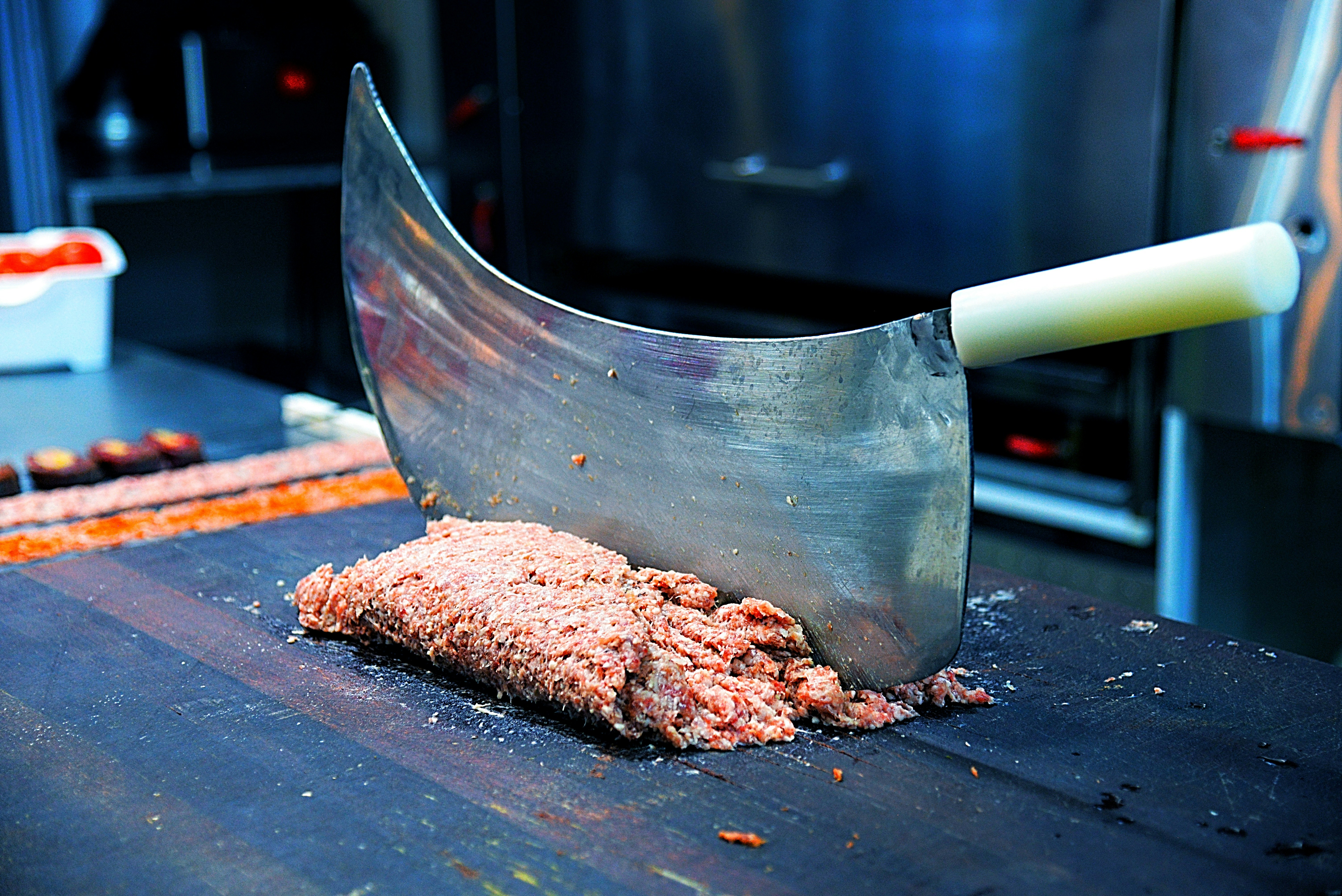
Bone saws are specialized tools designed primarily for cutting through bones. They are essential in various industries, most notably in butchery, surgical operations, and even in construction and carpentry where bone or similar materials are involved. The precision and effectiveness of bone saws make them invaluable in ensuring clean cuts, which are crucial in both meat processing and medical settings.
Bone saws come in multiple types, each tailored to suit specific applications. Hand-held bone saws, often characterized by their lightweight and portable design, are commonly used by butchers for breaking down larger cuts of meat into smaller portions. These saws typically feature a serrated blade that allows for efficient cutting, even in dense materials. Additionally, there are powered bone saws that provide increased speed and precision, making them a preferred choice in surgical environments or large-scale meat processing operations.
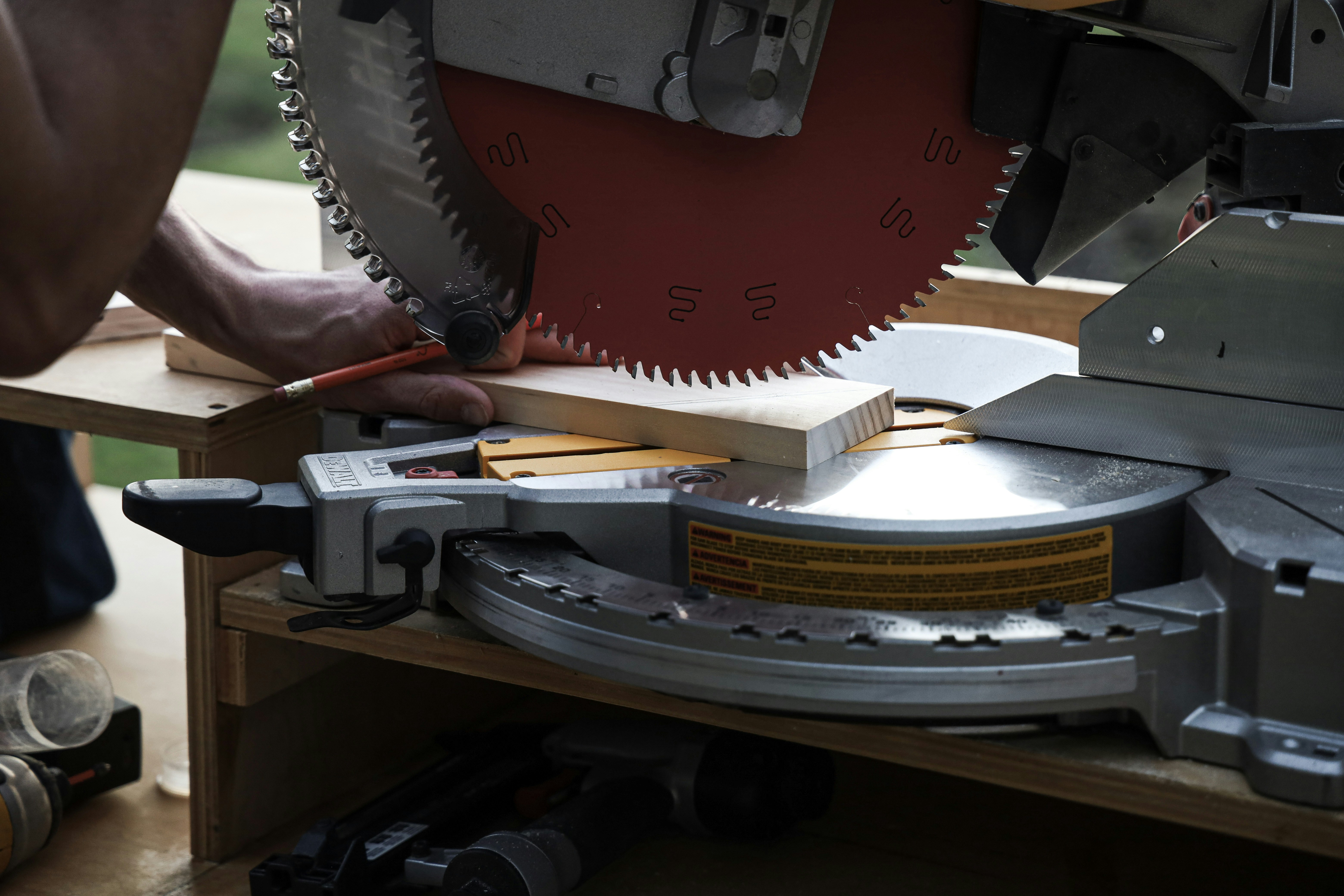
Aside from traditional options, some modern bone saws incorporate advanced technology, such as electric or battery-operated models, which considerably reduce the physical effort required from the user. Such innovations also enhance safety features, decreasing the likelihood of accidents during usage. Furthermore, specialized saws, such as oscillating saws, utilize a back-and-forth motion to cut through bones without the risk of damaging surrounding tissues, making them particularly popular in orthopedic procedures.
Understanding the different types of bone saws and their applications is crucial for professionals in relevant fields. It enables them to select the appropriate tool, ensuring efficiency and precision in their work. Overall, the importance of bone saws cannot be overstated, as they are fundamental to processes that involve cutting through hard materials, ensuring both functionality and safety in various industrial operations.
Importance of Regular Maintenance
Maintaining a bone saw is crucial for ensuring that it functions effectively and safely over time. Regular maintenance not only extends the lifespan of the tool but also enhances operational efficiency, making it an essential practice for any user. The importance of diligent upkeep cannot be understated, as it directly impacts both the safety of the operator and the quality of the cuts produced.
One of the primary reasons for performing regular maintenance on bone saws is to uphold safety standards. Bone saws are built for cutting through dense materials, which means that any malfunction can lead to severe accidents. Dull blades, for instance, can cause increased friction, leading to higher chances of kickback or unexpected failures. By routinely inspecting and replacing blades and other components, operators can significantly mitigate these risks, ensuring a safer work environment.
Beyond safety concerns, regular maintenance contributes to the overall efficiency of the tool. A well-maintained bone saw operates smoothly, providing cleaner cuts that save time and effort. When saws are poorly maintained, they may struggle to perform effectively, leading to lower productivity. Furthermore, consistent upkeep can help identify problems before they escalate, enabling repairs that stave off larger, costlier issues in the future.
Lastly, regular maintenance plays a pivotal role in promoting the longevity of a bone saw. Just like any other mechanical tool, a bone saw requires care to avoid wear and tear. Investing time in cleaning, lubricating parts, and keeping the equipment in optimal condition significantly reduces the need for unforeseen replacements, thus ensuring a fruitful return on investment.
Tools and Materials Needed
Maintaining a bone saw requires specific tools and materials to ensure its longevity and functionality. First and foremost, a reliable lubricant is essential. This substance helps in minimizing friction between moving parts, thus aiding the performance of the saw. Choosing a food-safe lubricant is advisable, especially for bone saws used in meat processing, as it adheres to health standards.
Next on the list is a set of cleaning cloths. A soft, lint-free cloth is ideal for cleaning the blade and other components of the saw. Regular cleaning not only prevents rust and corrosion but also ensures that the blade remains sharp and effective. It is crucial to handle the saw carefully while cleaning to avoid accidental cuts or damage to its components.
Sharpening equipment is another fundamental tool for maintaining your bone saw. A sharpening stone or a set of honing rods specifically designed for bone saws will work effectively. Regular sharpening helps maintain the cutting efficiency and accuracy of the saw, ultimately resulting in cleaner cuts and enhanced safety. Using this equipment properly will preserve the integrity of the blade and increase its lifespan.
Lastly, consider the use of a protective cover or sheath for the saw when not in use. This simple tool prevents accidental damage and protects the blade from dust and debris, which can affect its performance. Keeping a designated storage area for the bone saw and its maintenance tools will promote a more efficient workflow, making the task of maintenance easier and more systematic.
Cleaning Your Bone Saw
Maintaining a bone saw in optimal condition is crucial for ensuring its longevity and performance. A key aspect of this maintenance is the cleaning process. Properly cleaning your bone saw involves a step-by-step approach that guarantees all components are free of residue and contaminants.
Begin by disassembling the bone saw carefully. Before taking it apart, ensure the saw is unplugged or that the power source is disconnected to prevent any accidental activation. Use a suitable tool, such as a wrench or screwdriver, to remove the blade and components. Take note of the order in which parts are removed, or refer to the manufacturer’s manual, as this will simplify the reassembly process.
Once disassembled, it is essential to clean each component thoroughly. Use a non-corrosive cleaner specifically designed for metal tools, as harsher chemicals may degrade the materials. Apply the cleaner with a soft cloth or sponge to avoid scratching the surfaces. Pay special attention to crevices and joints where grime may accumulate. Additionally, soak the blade in soapy water to loosen any stubborn residue before rinsing it with clean water and drying it completely.
After cleaning all components, check for any signs of wear and tear, especially on the blade. Once everything is clean and inspected, proceed to reassemble the bone saw. Follow the disassembly steps in reverse order, ensuring all components are securely fastened. Make sure that the blade is correctly aligned, as improper installation can affect the saw’s functionality.
Regularly cleaning your bone saw after each use not only prolongs its life but also enhances its cutting efficiency and safety. Following these proper cleaning techniques will ensure optimal performance and reliability for your bone saw, allowing you to work effectively in meat cutting or other applications.
Inspecting for Wear and Tear
Regular inspection of your bone saw is crucial for its longevity and optimal performance. Identifying signs of wear and tear early can prevent accidents and ensure the saw operates efficiently. The examination should encompass the blade, motor, and other essential components.
Start by inspecting the blade for any signs of dullness, bends, or damages. A dull blade can result in poor cutting performance and may increase the risk of accidents. If the blade exhibits significant wear, it may be time to sharpen or replace it completely. Additionally, look for any signs of corrosion or rust, which can compromise the integrity and functionality of the blade. Ensure that the blade is securely fastened to prevent it from wobbling during operation.
Next, evaluate the motor and its components. Listen for unusual sounds when the motor is in operation; any grinding or rattling noises could indicate internal damage or wear. Check the power supply and the wiring for any signs of wear such as frayed edges or exposed wires, as these can pose electrical hazards. Also, examine the motor housing for cracks or other structural issues that could affect performance.
Don’t overlook the other components that contribute to the effective functioning of the bone saw. For example, ensure that the guard is intact, as it plays a vital role in protecting the user from potential injuries. Additionally, check the safety features, such as emergency shut-off switches, to verify they are in working condition.
By consistently inspecting for wear and tear, you can maintain your bone saw in peak condition. This practice will not only enhance its lifespan but also contribute to safer, more effective operation in all cutting tasks.
Sharpening the Blade
Sharpening the blade of a bone saw is an essential maintenance task that significantly enhances its cutting efficiency and prolongs its lifespan. A sharp blade allows for cleaner cuts, reducing the amount of effort needed and improving overall user safety. Below is a comprehensive guide on how to properly sharpen your bone saw blade, including the necessary tools and step-by-step instructions.
To begin, gather the required tools: a sharpening stone or file, a caliper or ruler, and a bench vice. The sharpening stone should be of appropriate grit; diamond stones are highly recommended for their durability and effectiveness. Once equipped, secure your bone saw in the bench vice, ensuring that the blade edge is accessible while keeping it steady during the sharpening process.
Next, inspect the current condition of the blade. Analyzing the teeth will help identify areas that require more attention. Begin sharpening at the tip of the teeth, holding the sharpening stone at a consistent angle of approximately 20 degrees relative to the blade. Use long, even strokes to apply light pressure, maintaining the same angle across each tooth. It is essential to sharpen each tooth evenly to avoid creating an uneven cutting surface.
Periodically check the sharpness of the blade by carefully feeling the edge with your fingers or using a piece of scrap material. Remember, the goal is to achieve a smooth, sharp edge without any burrs. After completing the sharpening process on one side, flip the blade and repeat the same steps on the opposing side.
After sharpening, clean the blade to remove any metal filings or debris. Finally, lubricate the blade with a small amount of oil to prevent rust and ensure prolonged sharpness. By following these detailed steps, you can effectively sharpen your bone saw, making it a reliable tool for your cutting needs.
Lubrication Techniques for Bone Saws
Maintaining the efficiency and lifespan of a bone saw necessitates meticulous lubrication of its components. This essential practice minimizes friction, ensures smooth operation, and prevents premature wear. Key parts that require regular lubrication include the blade guides, pivot points, and motor gears. Each of these components experiences significant stress during operation, making proper lubrication paramount.
When selecting lubricants, it is crucial to choose products specifically designed for machinery involving cutting and slicing applications. Generally, food-grade mineral oils or synthetic lubricants offer excellent protection against rust and corrosion while remaining safe for surgical use. Avoid using petroleum-based oils as they can degrade over time and may not be compatible with all materials involved in the bone saw’s construction.
The frequency of lubrication depends on how often the bone saw is used. For heavy usage, it is advisable to lubricate the components at least once a week to keep them in optimal condition. If the saw is used infrequently, a thorough lubrication before the first use each month should suffice. In addition, visually inspecting the lubrication levels after every use can help identify any needs for additional lubrication earlier, thus prolonging the life of the saw.
Applying lubricant should be done judiciously to ensure even distribution without over-saturation, which can attract dust and debris. A clean cloth or a brush can be employed to apply lubricant to the moving parts gently. Furthermore, it is important to wipe off any excess lubricant to prevent build-up that could interfere with the saw’s operation. In doing so, the lubrication process not only preserves the functionality of the bone saw but also enhances overall safety during its operation.
Storing Your Bone Saw Properly
Proper storage of your bone saw is critical to preserving its functionality and longevity. When your bone saw is not in use, it should be stored in a clean, dry environment that avoids moisture and extreme temperatures. These conditions can lead to rust and deterioration of both the saw handle and blade. Ideally, the storage space should maintain a consistent temperature to prevent expansion and contraction of the metal, which may affect the saw’s alignment.
The bone saw should be kept away from direct sunlight, as prolonged exposure can degrade the materials used in its construction. A dedicated storage case or toolkit can provide an ideal solution for preventing moisture buildup and physical damage. If a case is unavailable, hanging the saw in a vertical position is a viable alternative, provided that it does not come into contact with other tools that might cause scratches or nicks on the blade.
It is also essential to protect the blade when storing your bone saw. A blade cover or guard serves as an excellent preventative measure against accidental cuts and helps keep the blade sharp. Moreover, applying a light coating of oil can provide an additional barrier against moisture, especially if the saw will be stored for an extended time. Utilize tools or fabrics that are non-abrasive to wipe down the blade before storage; this action reduces residues that could corrode the blade over time.
In short, the key aspects of storing your bone saw include protecting it from moisture, avoiding extreme temperatures, utilizing proper cases or hanging techniques, and safeguarding the blade with covers and oils. By following these guidelines, you ensure that your bone saw remains in optimal condition for your next use.
Troubleshooting Common Issues
Operating a bone saw can present challenges, with various common issues potentially arising during use. Identifying these problems early can not only save time but also enhance the safety and longevity of the saw. Below are some frequently encountered problems along with suggestions for troubleshooting.
One of the first issues that may arise is a dull blade. Signs include difficulty in cutting and an increase in time taken to complete cuts. To resolve this, inspect the blade for signs of wear, and if necessary, sharpen or replace it using appropriate tools designed for bone saw sharpening.
Another common problem is the blade slipping off the wheels. This often occurs due to incorrect tension on the blade, which can result from insufficient adjustment. To troubleshoot, check the tension adjustment mechanism, ensuring the blade is properly seated and tightened according to the manufacturer’s specifications. Regularly verify the alignment of the wheels as well to avoid this issue.
Additionally, overheating is a concern that can arise during extended use. If the saw emits excessive heat, it may be indicative of inadequate lubrication or a malfunctioning motor. To address overheating, inspect the lubrication system and ensure it is functioning properly, replenishing the lubricant as needed. If the problem persists, consult with a professional for examination and repair of the motor.
Lastly, a common mechanical failure experienced is the malfunctioning of the on/off switch or the motor itself. If the bone saw fails to start, check the power connection and switch functionality. A blown fuse or tripped circuit may also be responsible. Consider reaching out to an authorized technician for repairs if any electrical issues are suspected. By effectively addressing these common problems, users can ensure the bone saw operates optimally, prolonging its utility and efficiency.