


Understanding the Basics of Sausage Making
Sausage making is a time-honored tradition that dates back generations, and it encompasses a diverse array of techniques and flavors. At its core, the process involves combining various types of meat and spices, encapsulated in a casing to create a delectable product. There are several types of sausages, including fresh, smoked, and cured varieties, each offering unique flavor profiles and textures. Understanding the basic principles of sausage making is essential for both beginners and experienced artisans alike.
The quality of the sausage largely depends on the ingredients chosen. Selecting fresh and high-quality meat is paramount, as it directly influences the flavor, texture, and safety of the final product. Additionally, the spices and other flavorings—ranging from salt and pepper to garlic and herbs—play a critical role in defining the sausage’s character. Moreover, the use of fillers, such as breadcrumbs or rice, can alter the sausage’s texture and juiciness.
The importance of sausage making equipment cannot be overstated. Equipment influences every stage of sausage production, from the initial grinding of meat to the stuffing and even smoking or cooking processes. Essential tools include a meat grinder, sausage stuffer, and smoker. Each piece of equipment chosen can dictate the texture and flavor development in significant ways. For instance, a high-quality meat grinder can ensure an even consistency, while a reliable stuffer is critical for proper casing filling. Understanding how each tool contributes to the overall process can enhance the final product, making it not only delicious but also safe for consumption.
Several methods are commonly utilized in sausage making, including emulsion and dry curing. Each method requires specific techniques and equipment to achieve the desired results, illustrating the intricate relationship between ingredients, methods, and tools in crafting superior sausages. By familiarizing oneself with these basics, aspiring sausage makers can embark on a rewarding journey that allows for both experimentation and tradition.
Essential Sausage Making Tools and Equipment
Creating sausages at home requires an array of specialized tools and equipment to ensure a successful and enjoyable process. The primary tools essential for sausage making include grinders, mixers, stuffers, and casings, each playing a distinct role in the overall function of producing high-quality sausages.
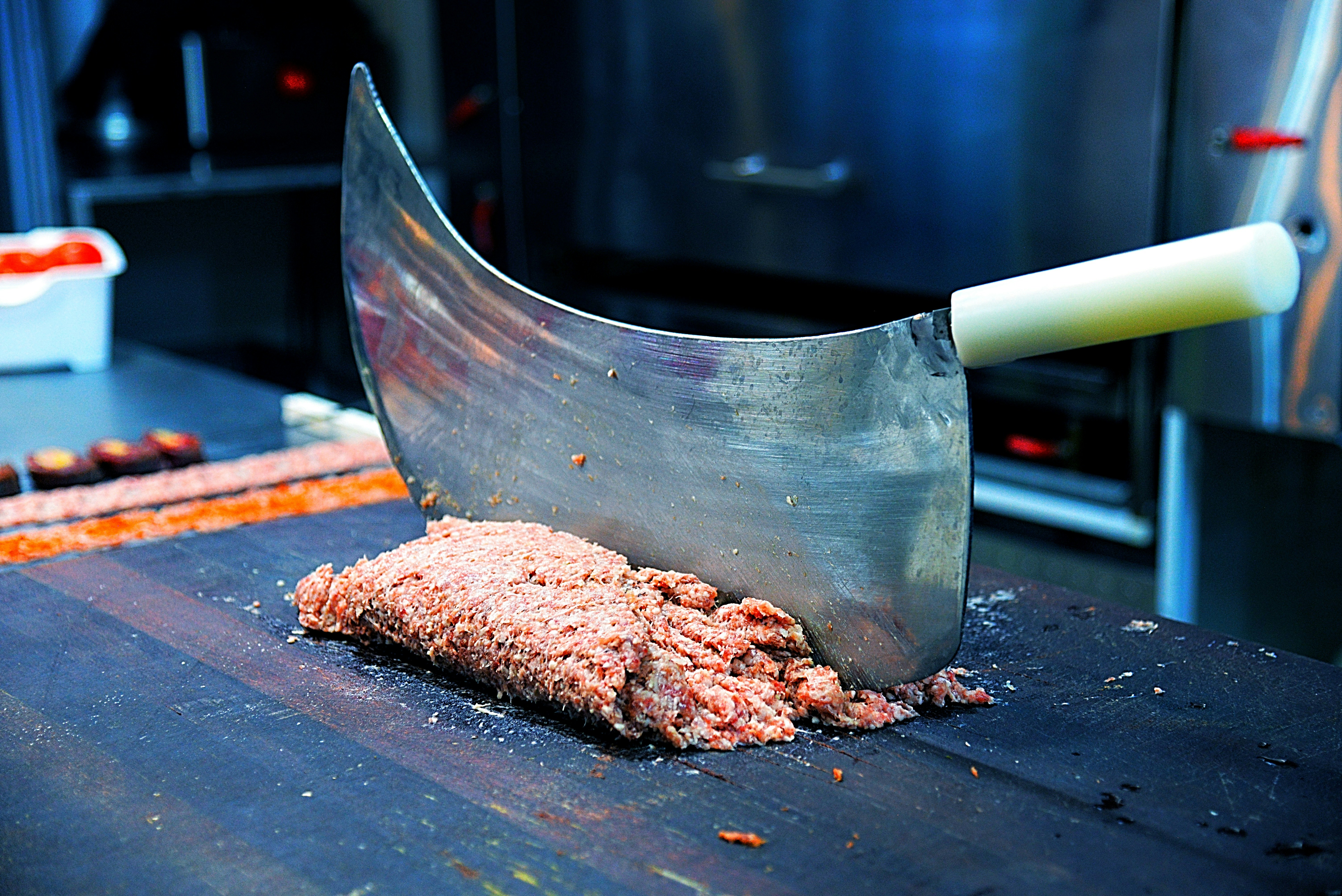
A meat grinder is the first crucial tool in any sausage maker’s arsenal. It is responsible for breaking down chunks of meat into smaller, manageable pieces, preparing them for mixing. There are various types of grinders available, including manual and electric models. An electric grinder can significantly speed up the process and offer more consistent results, making it preferable if one plans on producing sausages frequently or in larger quantities.
After grinding, the next step often involves a sausage mixer. This device helps to blend the meat with spices and other ingredients uniformly, which is essential for achieving the desired flavor and texture in the final product. A good sausage mixer should have sufficient capacity and be durable enough to handle the blend without overheating. Many mixers can accommodate various batch sizes, so selecting one that aligns with your production goals is advisable.
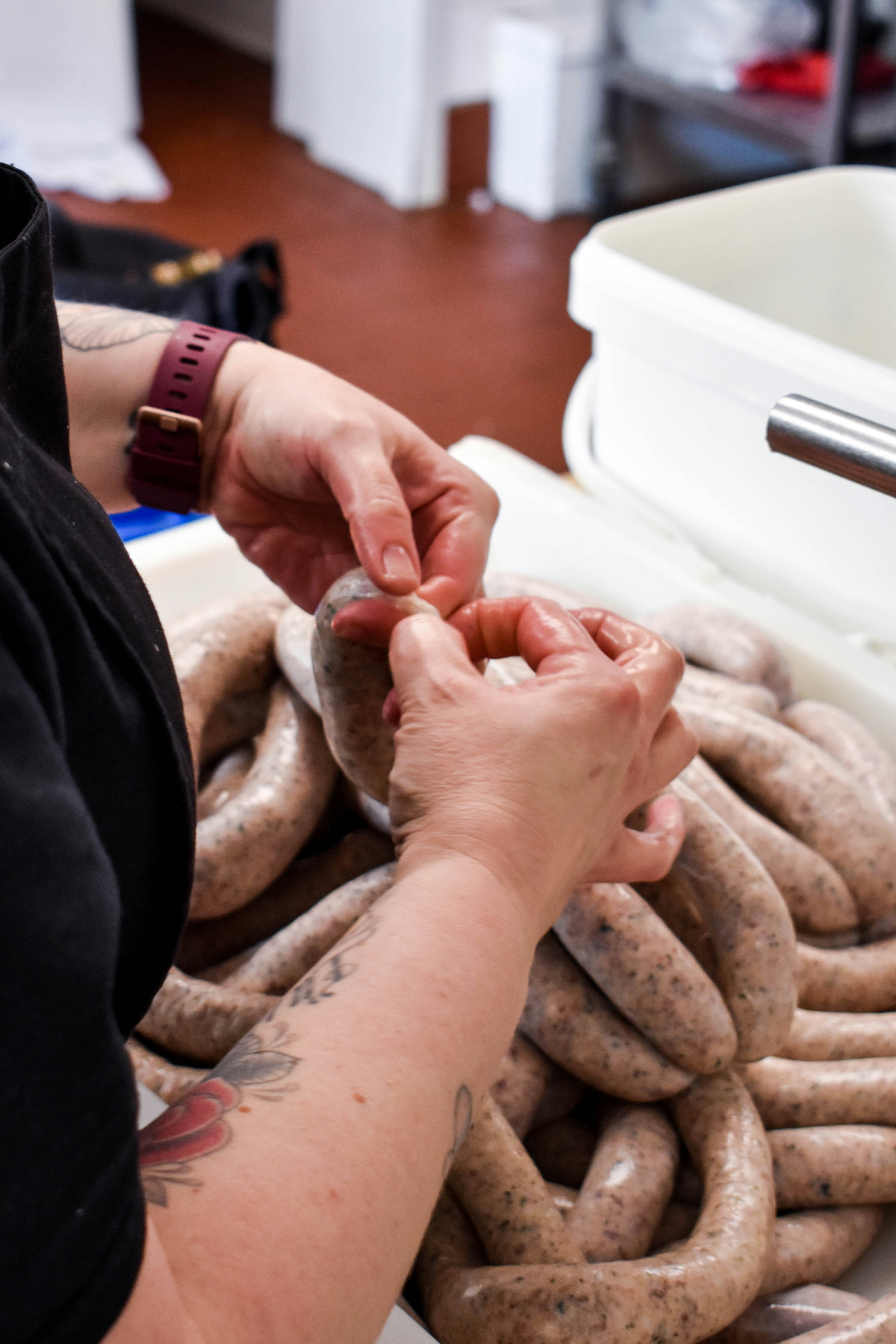
Once the mixture is ready, it is necessary to use a sausage stuffer. This equipment is essential for filling the casings with the prepared meat mixture. A stuffer can be manual or powered, with powered versions providing ease and efficiency for larger batches. Choosing the right stuffer, considering the scale of production and the types of sausages to be made, is vital for achieving the preferred shape and size.
The final component is the casings, which can be natural or synthetic materials used to encase the sausage filling. Natural casings, typically made from animal intestines, impart a traditional flavor and texture, while synthetic options often provide convenience and longer shelf life. Selecting the ideal casing type depends on personal preference and the style of sausage being produced.
Advanced Equipment for Serious Sausage Makers
As the world of sausage making evolves, seasoned artisans are consistently seeking ways to enhance their craft. For serious sausage makers, investing in advanced equipment can significantly elevate both the quality and variety of homemade sausages. Some essential tools that can take your sausage-making experience to the next level include vacuum sealers, smokehouses, and meat slicers.
A vacuum sealer is a critical piece of equipment that can drastically improve the storage and shelf life of sausages. By removing air from the packaging, vacuum sealing helps prevent freezer burn and spoilage, ensuring that your sausages remain fresh and flavorful for longer periods. Moreover, it is invaluable for marinating meats or blending spices, as it allows for deep penetration of flavors. This is particularly useful when preparing sausages with unique recipes that require time to meld.
Another essential tool is a smokehouse, which opens up a world of flavor possibilities. Smoking meats adds depth and complexity to sausage flavors that cannot be achieved through other cooking methods. A smokehouse can provide an environment for controlled temperatures and smoke exposure, allowing sausage makers to master the art of cold or hot smoking techniques tailored to their specific recipes. With a variety of wood chips available, experimentation with different flavors can lead to distinctive custom sausages that stand out.
Finally, a meat slicer can enhance both efficiency and consistency in sausage making. This equipment allows for uniform slicing of meats, which is crucial for achieving the right texture in your sausages. Whether you are preparing cold cuts for a charcuterie platter or making sausage from whole cuts of meat, a meat slicer ensures precision and minimizes prep time. The investment in a quality meat slicer can ultimately lead to better outcomes in the sausage-making process.
Incorporating advanced equipment into your sausage-making routine not only streamlines the process but also provides opportunities to explore new techniques and recipes.
Tips for Maintaining and Caring for Your Sausage Making Equipment
Proper maintenance of sausage making equipment is essential for both the longevity of the tools and the quality of your sausages. In order to keep your equipment in top condition, follow these best practices for cleaning, storing, and maintaining your sausage-making tools. First and foremost, always clean your equipment immediately after use. This prevents meat residues from hardening and reduces the risk of bacterial growth. A mixture of warm water and mild soap is typically effective for cleaning most surfaces. For some parts, such as grinder blades or stuffing tubes, it may be advisable to use specialized cleaners to preserve their functional integrity.
When it comes to drying your equipment, ensure that each piece is thoroughly dried before storage to prevent rust and oxidation. Use a clean towel or let the equipment air dry in a clean area. After drying, consider applying a food-safe lubricant to any moving parts. This will help maintain the functionality of your sausage stuffer, grinder, or other equipment. It’s best to store your sausage-making tools in a dry, cool place, away from direct sunlight and moisture to minimize the risk of deterioration.
Additionally, regularly check your tools for any signs of wear or damage. Look for cracks, rust spots, or dull blades and address these issues promptly. Replacing worn parts ensures that you can continue making high-quality sausages. Finally, maintain a routine inspection and cleaning schedule to keep track of your equipment’s condition. By being attentive to these maintenance tips, you will significantly prolong the life of your sausage-making equipment and enhance your overall sausage-making experience.