


Understanding High-Volume Kitchen Needs
High-volume kitchens, often a cornerstone of large restaurants, catering companies, and event spaces, face unique challenges that require specific solutions. The primary demand in such settings is the sheer volume of food production. These kitchens operate under the pressure of serving large crowds, particularly during peak hours, which necessitates efficient workflows and robust kitchen equipment.
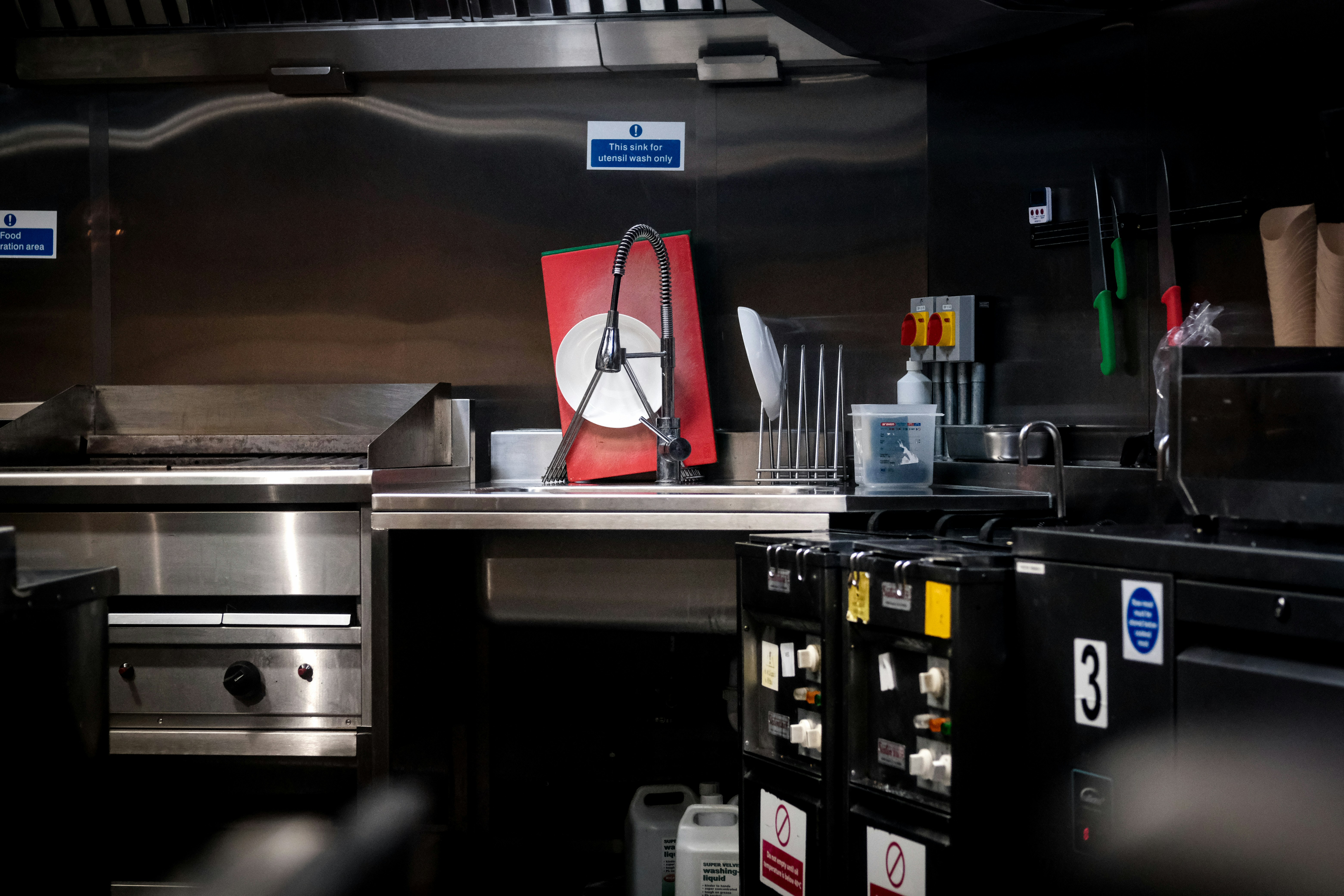
Efficiency is paramount in high-volume kitchens. Standard cooking practices may fall short, as the need to streamline processes becomes essential. For example, the layout of the kitchen plays a critical role in reducing time wasted on movement; proper organization and strategic placement of equipment can significantly enhance productivity. By employing specialized tools like commercial-grade mixers, high-capacity ovens, and fridges, kitchens can effectively manage the heavy workload while ensuring food safety and quality.
Reliability is another critical factor to consider when outfitting a high-volume kitchen. Equipment must be designed to withstand continuous use without compromising performance. A breakdown of essential machinery can result in delays and loss of revenue, stressing the importance of durable, well-maintained appliances. Additionally, high-volume kitchens often deal with space constraints that require innovative storage solutions and equipment configurations.
Staff management presents its set of challenges, as large teams need to work in a synchronized manner. Effective communication and coordination become key in ensuring that meals are prepared and delivered in a timely manner. Moreover, maintaining food quality under pressure is vital; therefore, chefs must not only be skilled but adept at managing time efficiently to deliver the expected standards consistently.
Key Equipment for Food Preparation
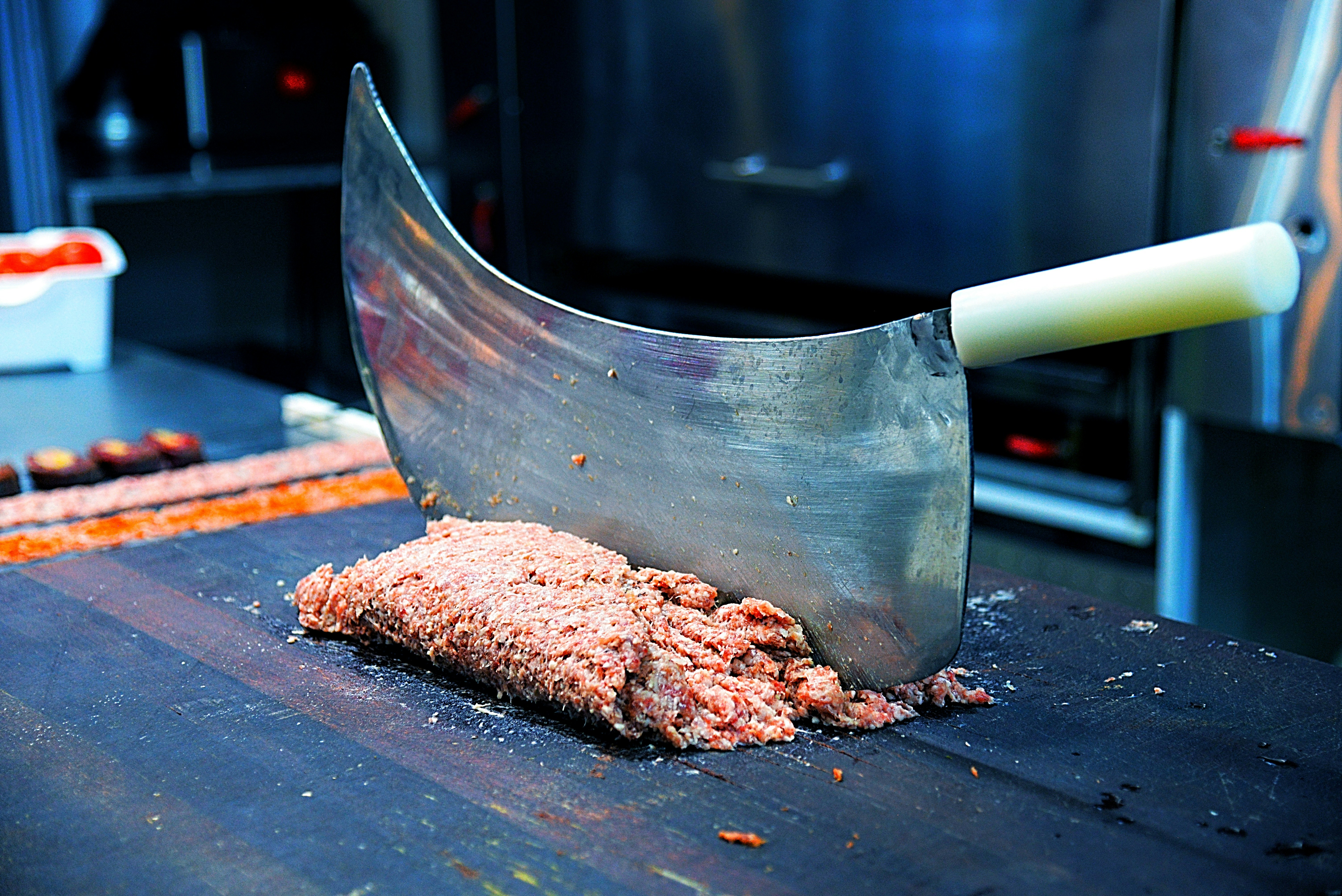
In the fast-paced environment of high-volume kitchens, possessing effective food preparation equipment is crucial to ensure efficiency and quality. Commercial food processors serve as a foundation in these settings. Designed for high capacity, they can chop, slice, and puree ingredients rapidly, drastically reducing preparation time. High-quality models often include multiple attachments for various tasks, making them versatile tools suitable for different types of cuisine.
Another essential piece of equipment is the commercial mixer. These mixers are built to handle larger batches of dough, batter, or other mixtures, which are common in big kitchens. Many mixers come with various speeds and attachments, allowing chefs to accomplish a range of textures and consistencies efficiently. The durability and power of commercial mixers make them necessary for maintaining productivity without compromising on quality.
Slicers are also vital in high-volume food prep. Whether used for meats, cheeses, or vegetables, these machines can speed up the slicing process considerably and ensure consistent results. With adjustable thickness settings, food slicers promote uniformity, which is particularly important for presentation and cooking consistency. Factors such as ease of cleaning and durability should be considered when choosing slicers, as these devices often sustain heavy daily usage.
Finally, blenders are key equipment in high-volume kitchens, especially for preparing soups, sauces, and smoothies. High-performance commercial blenders can handle tough ingredients and produce a finer consistency quickly. Their ability to operate continuously without overheating makes them suitable for peak service times. Each of these essential tools plays a critical role in enhancing the efficiency of food preparation, allowing chefs to focus on creativity and customer satisfaction.
Cooking Appliances That Stand Out
In high-volume kitchens, choosing the right cooking appliances is vital for ensuring efficiency, consistency, and quality in food preparation. Among the primary choices are commercial ovens, ranges, grills, and fryers, each designed to meet the demands of a bustling culinary environment.
Commercial ovens, such as convection ovens and combi ovens, are designed for speed and even cooking. Convection ovens circulate hot air, thus enhancing cooking times and producing uniform results. This is particularly important in high-volume kitchens where multiple dishes need to be prepared simultaneously. On the other hand, combi ovens offer versatility by combining steam and convection cooking, making them suitable for a wide range of applications—from baking to roasting and steaming.
Ranges are another essential component. A commercial range with multiple burners allows chefs to prepare various dishes concurrently, optimizing workflow and speed. The choice of range can greatly influence cooking methods; for example, a range equipped with induction burners offers significant energy efficiency compared to traditional gas models. Furthermore, selecting ranges that come with built-in griddles or broilers can further enhance the kitchen’s cooking capacity.
Grills and fryers also play significant roles in high-volume settings. Griddles provide a large flat cooking surface suitable for preparing breakfast items such as pancakes and bacon, while commercial fryers come in various types, ranging from open pot to pressure fryers. Choosing fryers with high BTU outputs ensures quicker cook times which is crucial during peak hours.
In evaluating these appliances, it is important to integrate energy efficiency into the decision-making process. Energy-efficient cooking appliances not only contribute to lower operational costs but also support sustainability efforts. Selecting models with high energy ratings can lead to long-term savings while maintaining the desired output quality in meal production. Overall, investing in the right cooking appliances will streamline operations and support the culinary team’s effectiveness in high-pressure environments.
Storage and Serving Solutions
In high-volume kitchens, efficient storage and serving solutions are paramount for managing food inventory and ensuring compliance with health regulations. A well-organized kitchen relies on various storage equipment to optimize workflow, maintain food safety, and facilitate easy access to ingredients.
Proper refrigeration is one of the foundational aspects of effective food storage. High-volume kitchens necessitate industrial refrigeration systems that can accommodate large quantities of food products. These units not only keep perishables fresh but also serve as integral components in a well-planned workflow. Walk-in coolers or freezers allow for bulk storage, while reach-in refrigerators are vital for quick access during service hours. Ensuring that these systems are equipped with reliable thermostatic controls helps maintain consistent temperatures, crucial for food safety compliance.
Beyond refrigeration, shelving systems play an important role in maximizing vertical space. Industrial shelving units should be easy to clean, durable, and constructed from materials that resist corrosion and spills. Properly designed shelving allows for better organization of ingredients, reducing the time staff spend searching for items. The use of color-coded shelving can further contribute to efficient inventory management and safety compliance.
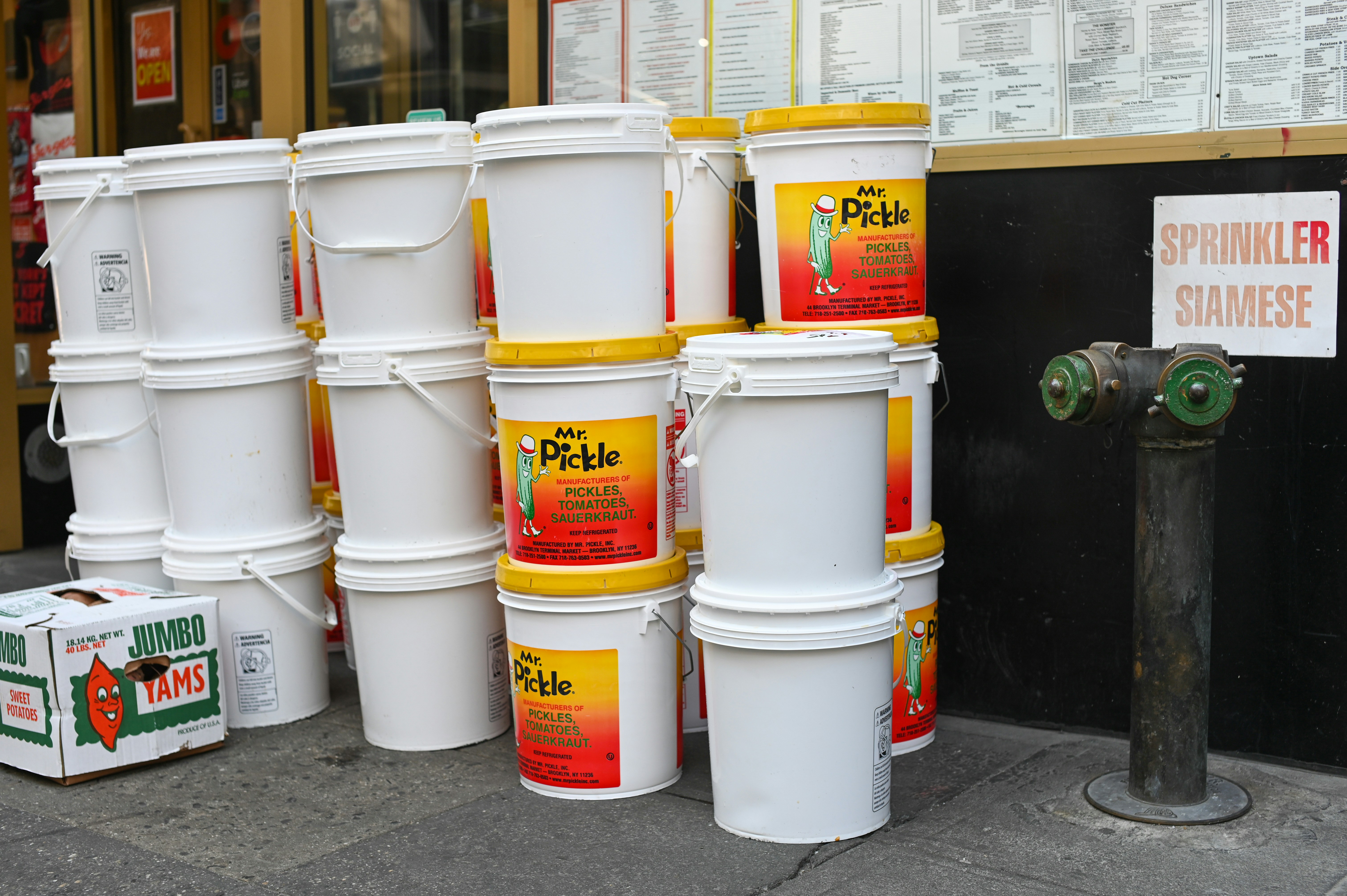
Food storage containers are another critical element in high-volume kitchens. These containers range from airtight options for dry goods to specialty bins for bulk items. Utilizing transparent or labeled containers can aid in quick identification and rotation of inventory, helping to mitigate waste and ensure freshness.
Finally, serving stations must be efficient and adaptable. These stations should streamline the transition from kitchen to dining area, enhancing service speed and quality. By implementing well-organized serving equipment, kitchens can maintain an efficient workflow while ensuring that food safety standards are met. Overall, investing in the right storage and serving solutions is essential for the success of high-volume kitchens, where efficiency and safety are paramount.