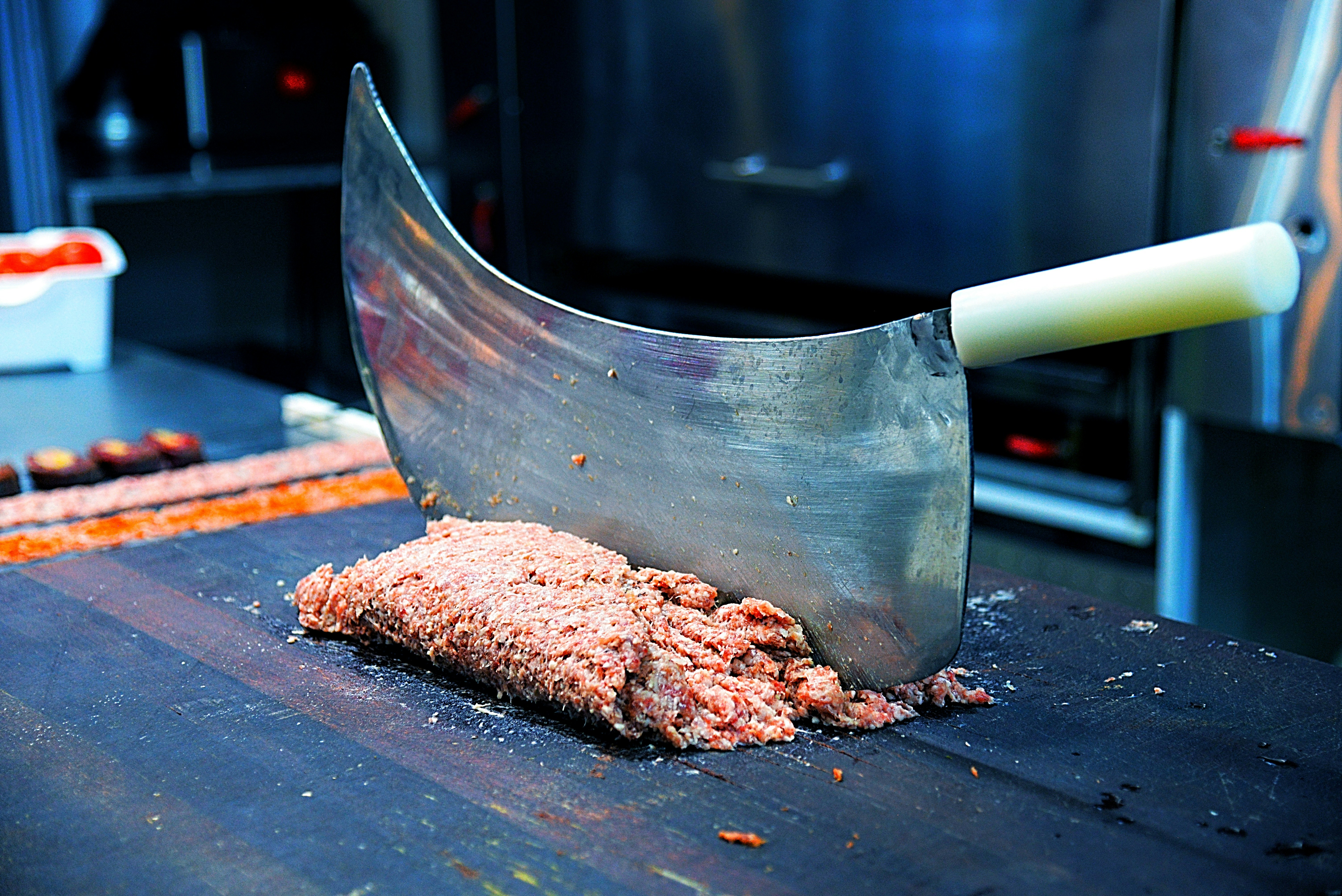




Introduction to Heavy-Duty Meat Mincers
Heavy-duty meat mincers play a vital role in the butcher industry, serving as essential equipment for meat processing operations. These machines are designed to efficiently grind and mince various types of meat, accommodating the demands of both large-scale butcher shops and commercial meat processing facilities. As a cornerstone of meat production, heavy-duty meat mincers ensure that the quality and consistency of ground meat products meet the expectations of consumers and regulatory standards.
In commercial settings, the versatility of heavy-duty meat mincers is notable. They are utilized in a range of applications, from producing bulk quantities of ground beef for a busy butcher counter to preparing specialized blends for gourmet sausages. Given the significant volume of meat that butchers process daily, these machines enhance productivity by significantly reducing manual labor and minimizing preparation time. Moreover, the design of heavy-duty mincers often incorporates advanced features, such as stainless steel bodies and powerful motors to withstand the rigors of continuous use.
Efficiency is paramount in any meat processing operation, and heavy-duty meat mincers help achieve this by streamlining workflow and improving output. Furthermore, these machines contribute to the consistency of the final product, ensuring that each batch of ground meat has uniform texture and flavor. This is particularly important for maintaining brand reputation and customer satisfaction, as consumers expect reliable quality in meat products. Overall, heavy-duty meat mincers not only augment the operational capabilities of butchers but also play an integral role in ensuring that high standards of safety and hygiene are upheld throughout the meat processing chain.
Key Features of Heavy-Duty Meat Mincers
Heavy-duty meat mincers are essential tools for professional butchers and culinary experts, renowned for their durability and efficiency. Understanding the key features of these machines is vital for selecting the right unit for your specific needs. One of the primary considerations is the construction material. High-quality heavy-duty meat mincers are often made from stainless steel or other robust materials that can withstand continuous use while resisting corrosion and wear. This choice of material not only enhances the lifespan of the appliance but also facilitates easy cleaning and maintenance.
Another crucial aspect is the motor power. Heavy-duty meat mincers typically come equipped with powerful motors ranging from 1 to 3 horsepower, ensuring that they can handle large volumes of meat without overheating or faltering. A strong motor translates to higher grinding speeds and a more efficient workflow, which is particularly important for butchers who process meat in high quantities. Additionally, the motor’s power influences the mincer’s ability to effectively grind tougher cuts of meat, which is often required in commercial applications.
Grinding capacity is also a significant feature to consider. A high-capacity mincer can process several kilograms of meat in a short time, which is vital for maintaining productivity in a butcher shop. Typically, heavy-duty units will offer a grinding capacity of 200 kg or more per hour, making them suitable for busy environments.
Furthermore, several heavy-duty meat mincers incorporate additional functionalities, such as reverse grinding capabilities that allow for the processing of tough or sinewy cuts, preventing jams and ensuring smooth operation. Attachments, such as different grinding plates and sausage-making accessories, can also enhance the versatility of the mincer, making it not only a grinding machine but a multi-functional tool in the kitchen.
Choosing the Right Heavy-Duty Meat Mincer
When it comes to selecting the appropriate heavy-duty meat mincer, butchers must consider several critical factors to ensure their investment meets their operational needs effectively. First and foremost, budget considerations play a vital role. Heavy-duty meat mincers vary significantly in price, with options ranging from affordable units suitable for small-scale operations to high-end machines designed for large butcher shops. Understanding your budget can help narrow down the choices, allowing butchers to find a quality product that balances performance and cost-effectiveness.
Another crucial aspect to consider is space requirements. Heavy-duty meat mincers come in various sizes, and it is essential to assess the available workspace before making a purchase. The ideal machine should fit comfortably in the designated area without obstructing workflow or causing inconvenience. Furthermore, it’s advisable to choose equipment that is easy to store and maneuver, especially for butchers who may require flexibility in the arrangement of their workspace.
Additionally, butchers must evaluate the volume of meat that needs to be processed on a regular basis. Depending on the scale of the business, some may require a heavy-duty meat mincer with higher output capabilities. Regularly assessing processing volume can help determine the motor strength, blade sharpness, and overall efficiency required from the machine. For instance, a butcher running a small shop may opt for a model with a lower capacity, while a larger enterprise might need a more powerful unit capable of handling significant workloads.
Lastly, it is advisable to examine the durability and ease of maintenance of the heavy-duty meat mincer. Quality construction materials and user-friendly designs can enhance the longevity of the machine and facilitate easy cleaning, ensuring that it remains in optimal working condition over time. By considering these factors, butchers can make informed decisions that align with their specific requirements and ensure their operations run smoothly.
Top Brands and Models of Heavy-Duty Meat Mincers
When selecting a reliable heavy-duty meat mincer, it is crucial to consider brands renowned for their quality and performance. Leading manufacturers in the market have developed models specifically designed to meet the rigorous demands of butchers and food industry professionals. Here, we review some of the top brands and their standout models.
One of the leading names in heavy-duty meat mincers is Hobart, known for its robust engineering and exceptional performance. Their Hobart Meat Grinder series offers a range of options, from 32 to 52 meat grinders, which are capable of processing large quantities of meat quickly and efficiently. Features such as stainless steel construction, powerful motors, and ease of cleaning set these models apart in the industry.
Another noteworthy brand is LEM Products, which provides a diverse selection of heavy-duty meat mincers tailored for various needs. The LEM 17821 Big Bite Meat Grinder is particularly popular among butchers, featuring a large feeding tray and advanced grinding technology. This model minimizes the risk of meat clogging, ensuring a smooth and consistent grinding process, which can enhance overall efficiency.
In addition to Hobart and LEM Products, the KitchenAid Commercial Meat Grinder is an excellent contender for those looking for versatility and reliable performance. Known for its adaptability, this model can attach to a standard KitchenAid mixer, making it a great choice for businesses with limited space. Its durable metal construction and powerful motor allow for quick grinding of various types of meats.
Lastly, the Omcan Meat Grinder offers an economical choice without compromising on quality. Designed for heavy usage, its stainless steel build and powerful performance make it ideal for high-volume butchering, receiving positive feedback from industry professionals for its reliability.
Each of these brands and models demonstrates a commitment to quality, making them top choices for those seeking heavy-duty meat mincers that deliver exceptional performance in a professional setting.
Maintenance and Care for Meat Mincers
Proper maintenance and care are essential for extending the lifespan of heavy-duty meat mincers. These appliances are integral to the butchering process, and their efficiency hinges on regular upkeep. One of the most critical practices is cleaning the mincer after each use. Meat residue can build up, leading to contamination and affecting the machine’s performance. After disassembling the components, wash them with warm soapy water and rinse thoroughly. It is imperative to ensure all parts are completely dry before reassembling, as moisture can lead to rust and degradation of metals.
In addition to cleaning, regular inspections of the meat mincer should be conducted. This should include checking for dull blades, which may require sharpening or replacing. Inspect the motor and other moving parts for wear and tear, as these can impact the efficiency of the machine. Any odd noises during operation may indicate that an internal part needs attention, and immediate troubleshooting should be undertaken to prevent further damage.
Common issues that users may encounter include jamming or slow processing speeds. Jamming can often be resolved by ensuring that the meat is cut into smaller chunks before use, as large pieces may inhibit the machine’s operation. If the mincer is running unusually slow, it may be time to check for clogs, worn-out blades, or motor issues. Regularly replacing worn parts can prevent more severe problems, ultimately saving time and expenses in repairs.
Overall, adopting a routine maintenance schedule, which includes regular cleaning, inspections, and prompt repairs, will ensure that heavy-duty meat mincers remain in optimal working condition for butchers. This diligence will not only prolong the machine’s lifespan but also maintain the quality of the meat products being processed.
Safety Considerations when Using Meat Mincers
Operating heavy-duty meat mincers necessitates a vigilant approach to safety to prevent injuries and ensure hygiene standards are met. One of the primary safety protocols involves wearing appropriate personal protective equipment (PPE). Operators should don cut-resistant gloves, non-slip footwear, and aprons that can withstand food processing conditions. The prevention of lacerations and slips is paramount when handling meat and equipment.
Moreover, it is imperative to familiarize oneself with the mincer’s user manual before operating the machine. Each model can have unique features and safety measures. Ensuring that the mincer is assembled correctly and that all guards and safety devices are in place is a critical step before use. Operators should double-check that the meat mincer is placed on a stable surface and is not connected to the power supply during maintenance or cleaning. These precautions prevent accidental activation, which can lead to serious injuries.
Food safety should also be a primary concern. Before starting the mincing process, it is essential to ensure that all meat is sourced from reputable suppliers and adequately stored at safe temperatures. The cleaning of the workspace and equipment is vital to minimize the risk of cross-contamination. After each use, the mincer components must be disassembled and sanitized. This process helps eliminate pathogens that can jeopardize food safety.
Training staff on the proper operation of heavy-duty meat mincers and emphasizing the importance of safety protocols will create a culture of safety in the workplace. Regular inspections and maintenance of the equipment can help identify potential issues before they lead to malfunctions, thus enhancing user safety. By adhering to these guidelines, operators can foster safer environments while ensuring effective meat processing.
Common Challenges and Solutions in Meat Mincing
Meat mincing is an essential process for butchers, yet it comes with its own set of challenges that can hinder efficiency and quality. One prominent issue that many face is clogging, which can occur when large chunks of meat are fed into the mincer too quickly. Clogging not only slows down the process but can also lead to potential equipment damage. To avert this, it is critical to cut the meat into uniform, manageable pieces prior to mincing. Utilizing the appropriate feeding speed also plays a significant role in preventing this issue.
Another common challenge butchers experience is achieving an uneven texture. This can result in varying qualities of ground meat, negatively impacting the final product. One solution to this problem is to ensure that the meat is partially frozen before mincing. When meat is slightly firm, it becomes easier to achieve a consistent grind. Additionally, using a combination of coarse and fine grinding plates can help to create a more uniform texture that meets customer expectations.
Inadequate output is yet another challenge that can arise, often frustrating butchers who rely on high production rates. If your meat mincer struggles to produce enough ground meat, it may be time to assess the equipment’s capacity. Selecting a heavy-duty meat mincer with a higher output rating can significantly enhance performance. Regular maintenance, including cleaning and lubricating moving parts, is also crucial for ensuring peak efficiency and longevity of the mincing machine.
By addressing these common challenges with practical solutions, butchers can enhance their mincing process, yielding superior quality meat while minimizing downtime and inefficiencies.
Innovations in Meat Mincer Technology
In recent years, the landscape of meat mincer technology has evolved significantly, with a strong emphasis on enhancing efficiency and precision for butchers and food processors. Modern meat mincers are not merely functional devices; they are engineered to meet rigorous industry demands while also incorporating user-friendly features. One of the standout innovations includes the integration of high-performance motors, which enable faster grinding times while maintaining optimal meat texture. This reduces labor time and increases productivity in busy butcher shops.
Furthermore, recent models have advanced into the realm of smart technology, incorporating touchscreen interfaces and programmable settings that allow operators to customize their grinding process. These smart meat mincers often include features such as automatic shut-off, which enhances safety by minimizing the risk of overheating or mechanical failure. Additionally, real-time monitoring systems are being developed, providing users with the ability to track performance metrics, thereby enabling more informed operational decisions.
Another trend gaining traction is the focus on hygiene and ease of cleaning. Manufacturers are now prioritizing designs that minimize food residue buildup, using materials that are not only durable but also easy to sanitize. This is particularly important in the food processing industry, where compliance with health regulations is paramount. Innovations like detachable components make maintenance straightforward, which helps in prolonging the lifespan of the equipment and ensuring high sanitary standards are consistently met.
As technology continues to advance, the future of meat mincers looks promising. The combination of efficiency-enhancing features, smart technology integration, and high standards for hygiene positions heavy-duty meat mincers as indispensable tools for modern butchers. These innovations not only improve operational workflow but also cater to the evolving needs of consumers concerned about quality and food safety.
Conclusion: The Future of Meat Mincers in Butchery
In summary, heavy-duty meat mincers have undergone significant advancements over the years, reflecting the evolving needs of the butchery industry. As we have explored, these essential tools have transitioned from manual operations to highly sophisticated electric models that prioritize efficiency, speed, and hygiene. Butchers today are increasingly reliant on these technological developments to meet the growing demand for various meat products.
Future innovations in meat mincers are likely to focus on further improving performance while maintaining essential aspects such as durability and ease of use. Emphasis on energy efficiency and sustainable practices in manufacturing may redefine how these machines are produced and utilized. The integration of smart technology may offer features such as real-time monitoring and automatic adjustments, thus enhancing precision in meat processing.
Moreover, as consumer preferences shift towards specialty meats and gourmet offerings, butchers will need to adapt their operations accordingly. Heavy-duty meat mincers will play a crucial role in enabling butchers to diversify their product lines while maintaining high standards of quality. Additionally, the rising popularity of plant-based alternatives may spur the development of specialized mincers designed to handle non-meat products, further broadening the scope of traditional butchery.
Overall, heavy-duty meat mincers will continue to be a cornerstone of butchery, enabling professionals to efficiently meet consumer demands while embracing innovations. As the industry progresses, staying informed about the latest developments in mincing technology will be integral for butchers aiming to thrive in a competitive market. The future of meat mincers is not just about the machinery itself, but also about how well butchers can leverage these advancements to enhance their craft.