


Introduction to Kitchen Equipment Choices
The selection of kitchen equipment is a critical consideration for both residential and commercial culinary spaces. The right appliances can significantly influence cooking efficiency, food quality, and overall energy consumption. As such, the debate between gas and electric kitchen equipment has generated considerable discussion among culinary enthusiasts and professional chefs alike. Each type has its unique advantages and disadvantages, making the choice a matter of personal preference, cooking style, and practicality.
Gas appliances have long been favored for their ability to offer immediate temperature control and consistent heating. This responsiveness allows chefs to achieve precise cooking outcomes, making gas stoves and ovens popular in many professional kitchens. Additionally, many cooks appreciate the visual cue of a flame, which can enhance the cooking experience. On the other hand, electric kitchen equipment is often lauded for its efficiency, safety, and clean operation. Electric stoves, for instance, provide a smooth and even distribution of heat, which can be beneficial for certain types of cooking.
Moreover, the choice between gas and electric not only impacts cooking performance but also influences energy consumption. Electric appliances tend to use renewable energy sources more effectively, while gas appliances can lead to higher monthly utility bills depending on regional gas prices. Additionally, environmental concerns related to carbon emissions from gas appliances have prompted many to consider electric options as a more sustainable choice.
In summary, the decision between gas and electric kitchen equipment is multifaceted, with implications for cooking efficacy, energy consumption, and personal cooking preferences. Understanding the pros and cons of each can help individuals make informed choices that best suit their culinary needs and kitchen dynamics.
Understanding Gas Kitchen Equipment
Gas kitchen equipment encompasses a variety of appliances that are powered by gas, which is typically either propane or natural gas. These appliances are favored in both professional kitchens and home kitchens for their efficiency and precise temperature control. The most common types of gas kitchen equipment include stoves, ovens, grills, and fryers, each serving unique roles in meal preparation.
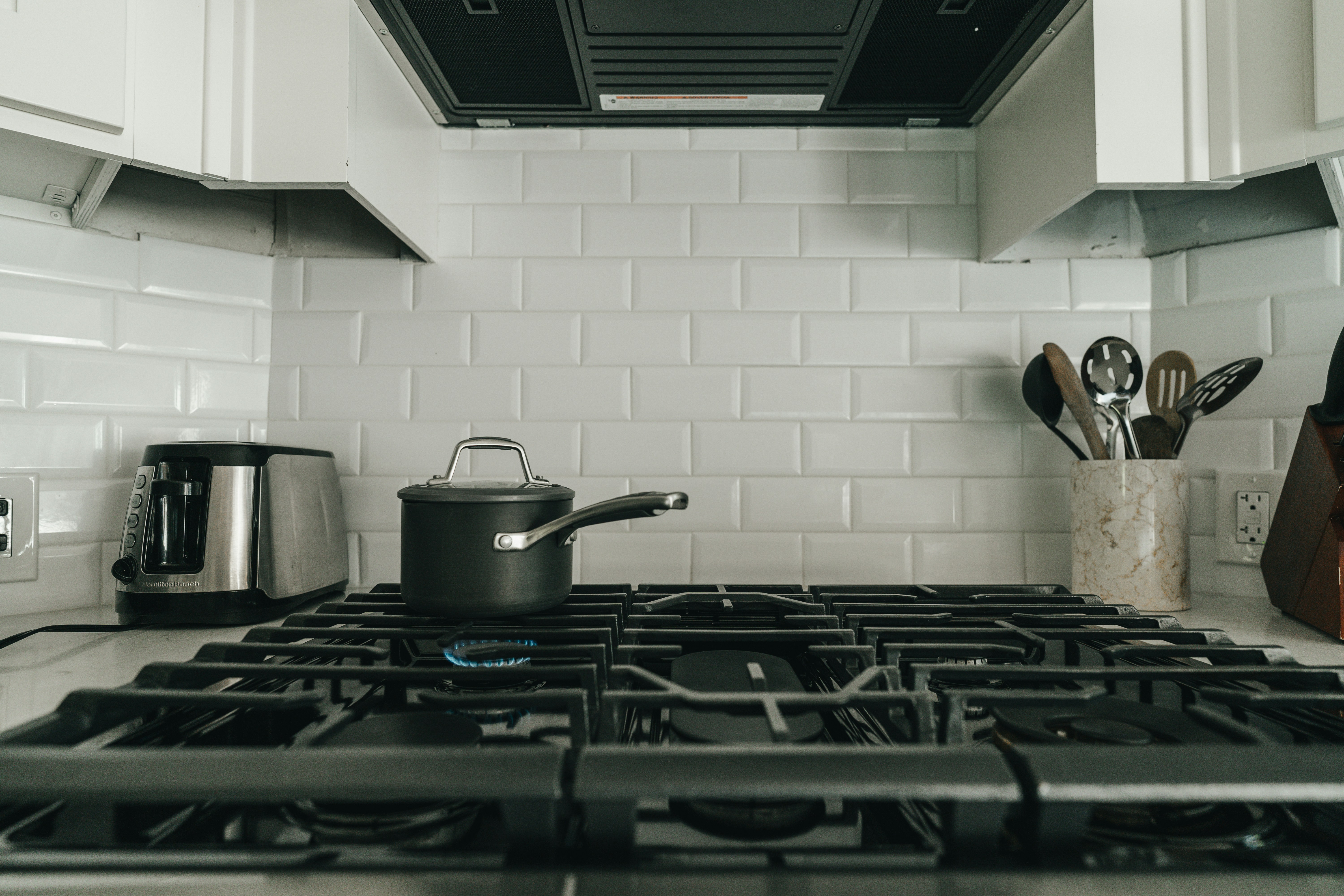
A gas stove, for instance, features burners that ignite gas to create an open flame, allowing for immediate heat adjustments. This feature proves beneficial for chefs who require quick changes in cooking temperature, which can help achieve optimal food textures and flavors. On the other hand, gas ovens utilize gas burners located at the bottom, providing consistent, reliable heat essential for baking and roasting.
Grills and fryers also play significant roles in gas-powered kitchens. Gas grills are widely appreciated for imparting a smoky flavor to food, which is a preferred cooking method for outdoor enthusiasts. Similarly, gas fryers cook food quickly and evenly, making them indispensable in busy culinary environments. All these appliances rely on gas, which is often readily available and can be a cost-effective energy source.
When discussing this type of kitchen equipment, it is essential to consider the common fuels used. Natural gas, typically delivered through pipelines, is often more economical and efficient for continuous use, while propane, stored in tanks, offers versatility for locations without natural gas access. Both fuel types have their advantages, catering to different needs depending on the kitchen’s setup and requirements. Ultimately, gas kitchen equipment provides a range of options for efficient cooking, appealing to professionals and home cooks alike.
Advantages of Gas Kitchen Equipment
Gas kitchen equipment offers numerous benefits that make it a preferred choice for many chefs and home cooks alike. One of the primary advantages is the rapid heat adjustments it provides. Unlike electric counterparts, gas burners respond almost instantaneously to changes in flame settings. This allows for precise temperature control, which is crucial during cooking processes that require various heat levels, such as simmering sauces or searing proteins.
Another significant benefit of gas kitchen equipment is its ability to function during power outages. When electricity fails, gas-powered appliances can still operate, allowing cooks to continue their meal preparations without interruption. This reliability is particularly valuable in areas prone to frequent power failures, ensuring that cooking can proceed regardless of external circumstances.
From a cost perspective, gas kitchen equipment can also be more energy-efficient compared to electric devices. Gas prices are often lower than electricity rates, which can lead to substantial savings on utility bills, especially in high-use environments such as restaurants or catering services. Additionally, gas appliances generally heat up more quickly than electric counterparts, which can contribute to reduced cooking times and increased productivity in professional kitchens.
Furthermore, many chefs have a strong preference for gas cooking due to its unique cooking capabilities. The direct flame produced by gas burners allows for techniques like charring and flambéing, which are difficult or impossible to replicate with electric stoves. This versatility makes gas kitchen equipment an essential tool for culinary creativity and experimentation.
Cons of Gas Kitchen Equipment
While gas kitchen equipment is favored for its precision and quick heating capabilities, there are several potential drawbacks that warrant consideration. One significant concern is safety. Gas leaks, although infrequent, can pose serious hazards; even a minute leak can lead to dangerous situations, including explosions or health risks associated with prolonged exposure to gas. Proper installation and regular maintenance are critical to mitigating these risks, yet not all homeowners prioritize these tasks.
Another drawback is the complexity involved in the installation process. Unlike electric appliances that simply require a power outlet, gas equipment requires a dedicated gas line, which may necessitate modifications to existing plumbing and can increase installation costs. Additionally, in regions where natural gas is not readily available, homeowners may have limited options or face higher installation expenses to acquire liquefied petroleum gas (LPG) systems.
Energy costs can also vary significantly based on location. In some regions, gas prices may soar, rendering operational expenses higher than those associated with electric appliances. This can be a considerable factor for budget-conscious consumers who wish to minimize their kitchen expenses. Furthermore, while gas cooking is often touted as more energy-efficient, that efficiency is contingent upon proper usage and can sometimes be offset by the energy demands of maintaining gas equipment.
Lastly, environmental considerations should not be overlooked. The use of natural gas contributes to greenhouse gas emissions and, when combusted, can release pollutants, such as nitrogen dioxide. As the world shifts towards more sustainable practices, reliance on gas as an energy source raises concerns about its long-term viability and impact on our environment.
Understanding Electric Kitchen Equipment
Electric kitchen equipment encompasses a broad range of appliances that operate using electricity as their primary power source. These appliances are prevalent in modern kitchens, catering to various cooking, baking, and food preparation needs. Common forms of electric kitchen equipment include electric stoves, ovens, microwaves, toasters, blenders, food processors, and more, each designed to make cooking and meal preparation more efficient and convenient.
Electric stoves and ovens are particularly popular choices due to their easy temperature control and consistent heating capabilities. Electric stoves typically feature coil burners or smooth ceramic tops that utilize electric heating elements to generate heat. They often accommodate a variety of cooking styles, such as simmering, boiling, and frying, providing flexibility for various recipes. Electric ovens, which can be either conventional or convection types, promote even cooking through the circulation of hot air or radiant heat, making them an attractive option for baking goods like bread and pastries.
In addition to larger equipment, electric kitchen appliances also include a multitude of smaller devices designed to simplify food preparation. Blenders, mixers, and food processors, for example, rely on electric motors to efficiently chop, blend, or mix ingredients. Microwaves have revolutionized cooking by providing a rapid method to heat or cook food using electromagnetic radiation. Such appliances not only enhance the cooking experience but also save time and energy in the kitchen.
Overall, the versatility and efficiency of electric kitchen equipment make it an essential consideration for any culinary enthusiast or home cook. Understanding how these appliances function and their respective advantages can greatly influence the decision to incorporate them into one’s kitchen setup.
Pros of Electric Kitchen Equipment
Electric kitchen equipment has garnered attention for its numerous advantages, especially in modern culinary settings. One of the primary benefits of electric appliances is their ability to provide consistent heat distribution. This feature ensures that food cooks evenly, which is crucial for achieving the best flavors and textures. Unlike gas appliances, where fluctuations in flame can lead to uneven cooking, electric cooktops and ovens maintain a stable temperature, promoting optimal cooking performance.
Ease of use is another significant advantage of electric kitchen equipment. Many electric appliances are designed with user-friendly interfaces and precise temperature controls, making them accessible even for novice cooks. The simplicity of setting temperature and timer functions affords users greater control over cooking processes, which is beneficial in both professional kitchens and home cooking environments.
Cleaning convenience is yet another compelling reason to choose electric appliances. Most electric cooktops have smooth surfaces that can be wiped clean easily, as opposed to gas burners that often have intricate components that accumulate grime over time. Additionally, advancements in technology have led to the development of induction cooktops, which heat only the cookware itself while keeping the surface cool to the touch. This not only simplifies cleaning but also reduces the risk of burns.
Furthermore, electric kitchen equipment has evolved significantly, incorporating smart technology that enhances functionality. Features such as programmable settings, touch screens, and connectivity to kitchen management systems allow for a more efficient cooking experience. With these innovations, electric appliances are becoming essential tools for achieving culinary excellence.
Cons of Electric Kitchen Equipment
Despite their increasing popularity, electric kitchen equipment presents several disadvantages that users should consider before making a decision. One of the main drawbacks is the slower heat-up times. Electric stoves and ovens typically take longer to reach the desired cooking temperature compared to their gas counterparts. This delay can be inconvenient for those who require quick meal preparation, making electric units less ideal for high-paced cooking environments.
Another significant concern with electric kitchen equipment is its reliance on a constant power supply. In areas where power outages are common, the effectiveness of electric appliances may be severely compromised. This dependence on electricity can lead to interruptions in food preparation, which is particularly problematic for commercial kitchens that may experience substantial downtimes during outages.
Additionally, using electric kitchen equipment can sometimes result in increased energy costs. While the initial purchase price may be lower for certain electric appliances, the long-term operational costs can add up due to electricity rates. Consequently, those who frequently use electric cooking devices may find themselves spending more compared to using gas options, particularly during peak usage times.
Lastly, electric kitchen equipment imposes limitations on certain cooking techniques that are well-suited to gas appliances. Techniques such as charring, flambéing, and quick temperature adjustments are more challenging with electric stoves and ovens. For culinary enthusiasts or professional chefs who value the versatility of cooking methods, this can be a considerable limitation.
Comparative Analysis: Gas vs Electric
When considering kitchen equipment, the debate between gas and electric options has been longstanding, each presenting its own set of advantages and drawbacks. Analyzing several key metrics provides insight into which cooking method may be more suitable for individual culinary needs.
Energy efficiency is often a crucial factor in the decision-making process. Gas appliances typically offer rapid heat up times and the ability to adjust the flame instantly, which can lead to more efficient cooking under certain conditions. Electric appliances, however, utilize energy more steadily, which may contribute to lower overall energy consumption in some cases. The effectiveness might also vary depending on the cookware used, making this a critical area for comparison.
Cooking speed is another important aspect. Gas burners allow for immediate temperature adjustments, providing home cooks and professional chefs with high precision during cooking. Conversely, electric stoves often have slower response times, as they require time to heat up and cool down. This can be a decisive factor for those who prioritize quick meal preparation or rushed cooking environments.
Regarding the costs of setup and operation, gas appliances often entail higher initial installation costs due to the requirement of gas lines and adequate ventilation systems. In contrast, electric kitchen equipment usually incurs lower upfront costs while benefiting from a simpler installation process. However, ongoing operational costs can fluctuate, as gas prices change, and electricity costs may vary depending on usage and local energy rates.
User preference also plays a significant role in the gas versus electric debate. Many professional chefs favor gas for its precision and control, while home cooks may appreciate electric for safety and ease of use. Ultimately, the choice between gas and electric kitchen equipment depends significantly on personal cooking style and specific culinary preferences.
Conclusion and Recommendations
In evaluating gas versus electric kitchen equipment, it is essential to consider various factors that align with specific cooking styles, preferences, and kitchen environments. Gas equipment offers immediate temperature control and is favored by professional chefs for its responsiveness during cooking. It provides a visual flame that some cooks find reassuring. On the other hand, electric appliances tend to be more energy-efficient, often promoting precise temperature regulation through advanced technology.
For those who frequently engage in high-temperature cooking methods such as searing or stir-frying, gas kitchen equipment may be the preferable choice due to its quick heat adjustments and even flame distribution. Additionally, gas ranges often excel in broiling capabilities, making them ideal for culinary techniques that require intense direct heat.
Conversely, electric kitchen appliances present several advantages, particularly in terms of ease of use and maintenance. With growing innovation in electric technology, features such as induction cooking have become prevalent, offering efficient and safe cooking experiences without the open flame associated with gas. This makes electric equipment an excellent choice for those who prioritize safety or have children in the home.
Furthermore, individuals conscious of environmental impacts might prefer electric equipment, especially if their energy sources are predominantly renewable. This choice not only reduces carbon footprints but supports sustainable kitchen practices.
Ultimately, the decision between gas and electric kitchen equipment should reflect personal cooking habits, budget considerations, and any particular preferences regarding safety and efficiency. Evaluating your culinary needs will lead to a more satisfying cooking experience, ensuring you choose the kitchen equipment that best fits your lifestyle and cooking aspirations.