


Introduction to Commercial Refrigeration Maintenance
Maintaining commercial refrigeration systems is vital not only for their operational efficiency but also for the overall functioning of the enterprises they serve. Regular maintenance ensures that refrigeration units perform at their best, preventing unexpected failures that can lead to costly downtimes. Such downtimes can disrupt business operations, particularly in industries where preserving perishable goods is paramount, such as food service or pharmaceuticals.
One of the primary reasons for maintaining these systems is the significant investment that businesses make in refrigeration equipment. Proper upkeep helps extend the longevity of these units, allowing companies to avoid the early replacement of costly machinery. In addition, efficient refrigeration units typically consume less energy, resulting in lowered utility bills. This can translate to increased profit margins over time, making maintenance an economical choice for commercial entities.
Moreover, regular maintenance aligns with health and safety standards mandated by local and federal regulations. Industry standards often require that refrigerated goods be stored at specific temperatures to ensure safety for consumers. Failure to comply with these regulations can lead to penalties, as well as potential harm to customers. Therefore, it is essential for businesses to incorporate a proactive maintenance schedule into their operational practices.
In essence, the importance of maintaining commercial refrigeration systems cannot be overstated. From enhancing performance and reducing operational costs to ensuring compliance with health standards, routine maintenance serves as a cornerstone for sustained business viability. Establishing a thorough maintenance routine not only assures the reliability of refrigeration systems but also fortifies the integrity of the products stored within them.
Understanding Your Refrigeration System
Commercial refrigeration systems are essential in various industries, primarily for preserving food and other perishables. There are several key types of commercial refrigeration systems, including walk-in coolers, reach-in refrigerators, and freezers, each designed to serve specific storage and preservation needs. Understanding the differences between these systems is crucial for effective maintenance and operation.
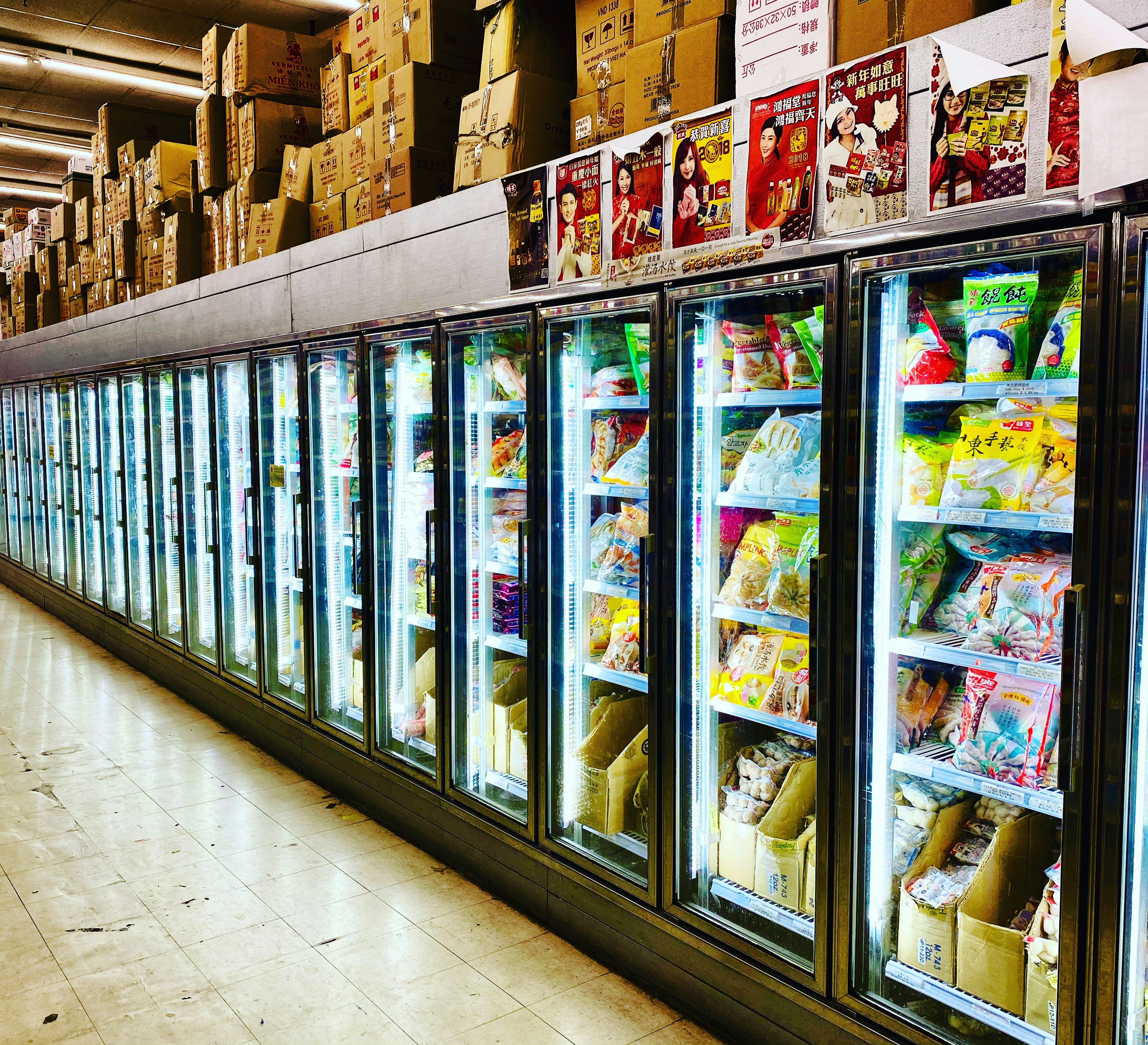
Walk-in coolers are large, refrigerated spaces that allow for easy access to a substantial quantity of stored items. These systems typically feature heavy-duty construction to accommodate significant foot traffic and may include adjustable shelving to promote efficient space utilization. In contrast, reach-in refrigerators are smaller, cabinet-style units primarily used in retail and kitchen settings, allowing quick access to products without the need to enter a larger space. Reach-in units often have glass doors to facilitate visibility and attract customers.
Another vital type is the freezer, typically utilized for long-term storage of perishable items. Freezers come in various configurations, from commercial chest freezers to upright models, each optimized for different kinds of products and storage constraints.
Key components of commercial refrigeration systems include compressors, condensers, and evaporators. The compressor is essential for circulating refrigerant through the system, compressing the gas back into a liquid state for re-cooling. The condenser then dissipates heat from the refrigerant, allowing it to return to a cooled state. Lastly, the evaporator draws in heat from the interior of the refrigerated space, effectively lowering the temperature. Understanding the functions of these components is crucial, as regular maintenance of each part is vital for optimal performance and energy efficiency of the refrigeration system.
Creating a Maintenance Schedule
Establishing a maintenance schedule is essential for ensuring the longevity and efficiency of commercial refrigeration systems. A well-structured maintenance plan helps to prevent unexpected breakdowns and optimizes performance. Tailoring this schedule to specific refrigeration units is crucial, so consider the type, usage, and manufacturer recommendations when developing your plan.
Daily tasks are foundational in keeping your refrigeration systems in optimal condition. For instance, checking temperatures and monitoring for unusual noises or vibrations should be routine. Additionally, inspecting door seals and ensuring that air vents are unobstructed are vital steps to maintain efficiency. These daily checks help identify problems early and avert more significant issues over time.
Monthly maintenance should include cleaning the condenser coils, which can accumulate dust and grime and hinder performance. During this time, it is also beneficial to assess the refrigerant levels and look for any signs of leaks. Regularly evaluating these aspects each month can significantly improve energy efficiency and extend the lifespan of the equipment.
Quarterly tasks may involve a deeper clean of the units, inspecting components such as fans, evaporator coils, and compressors. Lubricating moving parts, replacing filters, and calibrating temperature controls are also critical actions to maintain system reliability. These details may seem minor, but they contribute substantially to the smooth operation of the refrigeration units.
Finally, annual maintenance should be performed by certified professionals to ensure that everything is functioning correctly. Comprehensive checks, safety inspections, and system servicing should all be part of this yearly routine. It is during these annual visits that intricate issues can be detected before they escalate, ensuring uninterrupted service.
Routine Maintenance Tasks
Maintaining commercial refrigeration systems involves several critical routine maintenance tasks to ensure optimal performance and efficiency. Regular maintenance not only prolongs the lifespan of the equipment but also helps in preventing costly downtime and repairs. Among the most important tasks is the cleaning of the condenser and evaporator coils. Dirty coils can hinder heat exchange, leading to decreased efficiency and increased energy consumption. Cleaning should be performed at least quarterly, or more frequently in environments with high dust or grease accumulation.
Another vital task involves checking the refrigeration temperatures. Regular monitoring ensures that products are stored at safe temperatures, which is crucial for food safety and quality. Technicians should use calibrated thermometers to check these temperatures and make adjustments if discrepancies are detected. This task can be conducted on a weekly or bi-weekly basis, depending on the specific equipment and usage patterns.
The inspection of door seals is also essential for maintaining refrigeration efficiency. Damaged or worn seals can lead to temperature fluctuations and increased energy costs. Routine checks should ensure that door gaskets are intact and sealing properly; any signs of wear should prompt immediate replacement. Furthermore, draining condensate is necessary to avoid moisture buildup, which can lead to mold or mildew and compromise the health and safety of stored products. Ensuring that condensate pans and drains are clear and functioning efficiently will help maintain an optimal environment within the refrigeration unit.
By adhering to these routine maintenance tasks, businesses can ensure their commercial refrigeration systems run smoothly and efficiently, minimizing the risk of failures and preserving the integrity of their inventory.
Signs Your Equipment Needs Repair
Maintaining the efficiency of commercial refrigeration systems is paramount for businesses that rely on these units for preserving perishable goods. Recognizing the early signs of malfunction can prevent costly repairs and unscheduled downtime. Certain indicators are pivotal in determining whether your refrigeration unit requires immediate attention.
One common sign that your refrigeration system may need repair is the presence of unusual noises. If you hear sounds such as grinding, clanging, or hissing, it could indicate mechanical issues within the compressor or fan. Unusual noises are often the first audible alerts that something is amiss and should never be ignored.
Another critical sign is inconsistent temperatures inside the refrigeration unit. If you notice frequent fluctuations in temperature, particularly if items are freezing or spoiling prematurely, this inconsistency suggests that the refrigeration system is unable to maintain the desired temperature range. This problem may arise due to a malfunctioning thermostat, insufficient refrigerant levels, or even issues with the evaporator coil.
Icing or frost buildup within the freezer compartment is also a prevalent indication of malfunction. While some frost is normal, excessive icing can hinder airflow and significantly impair the system’s performance. This could result from issues such as a defective defrost timer or heater, demanding immediate investigation to prevent further complications.
Addressing these issues promptly is crucial to ensure the longevity and operational efficiency of your commercial refrigeration system. Regular maintenance checks can help identify potential problems before they escalate, promoting a smoother running environment for your business operations.
Choosing a Professional Service Provider
When it comes to maintaining commercial refrigeration systems, selecting the right professional service provider is critical to ensuring optimal performance and longevity of your equipment. Several key factors should be considered during this decision-making process, starting with licensing. A reputable refrigeration service provider should possess the necessary licensing and certifications required by local and national regulations. This not only confirms their legitimacy but also guarantees that their technicians have undergone the appropriate training to perform maintenance and repairs safely and effectively.
Experience is another vital factor to assess when selecting a service provider. An established company with a solid track record in commercial refrigeration is more likely to have encountered and resolved a wide array of issues. It is beneficial to inquire about their years of operation and ask for references or case studies that demonstrate their capability to handle systems similar to yours. This can provide peace of mind regarding their expertise.
Customer reviews and testimonials are invaluable when evaluating potential service providers. Websites, social media platforms, and industry forums can offer insights into the quality of service a provider delivers. Assessing feedback from past clients will help determine the provider’s reliability and whether they can meet your specific needs. Additionally, it’s essential to discuss service contracts. Look for providers that offer comprehensive service agreements, which can include regular maintenance checks, emergency repair services, and warranty provisions. A well-structured service contract protects your investment and promotes smooth operation over time. By carefully considering these factors, you can make an informed choice about your commercial refrigeration service provider, ensuring both quality and reliability in their service offerings.
The Role of Energy Efficiency in Refrigeration Maintenance
Energy efficiency plays a critical role in the maintenance of commercial refrigeration systems. By prioritizing energy-efficient practices, businesses can significantly reduce their operating costs while also minimizing their environmental impact. The commercial refrigeration sector often accounts for a substantial portion of energy consumption in numerous industries, making it vital for operations to adopt strategies that promote efficiency.
One effective practice is regular maintenance. Regularly scheduled check-ups for refrigeration units ensure that they operate optimally, preventing energy wastage caused by malfunctioning components. This involves cleaning condenser coils and evaporator fans, which allows systems to run more efficiently, leading to lower energy consumption. Furthermore, ensuring that door seals are intact and properly functioning can prevent cold air from escaping, significantly reducing the workload on the refrigeration system.
Utilizing modern technology is another essential aspect of maintaining energy efficiency. Investing in energy-efficient models of refrigeration units can lead to substantial savings over time. Systems that feature advanced controls and variable-speed motors adjust their operation according to demand, which can decrease electrical usage during off-peak hours. Regularly reviewing and analyzing energy consumption patterns can also help identify opportunities for enhancing efficiency.
Incorporating energy-efficient practices into everyday operations is beneficial not only for cost savings but also for demonstrating environmental responsibility. Training employees on best practices, such as minimizing door openings and ensuring proper storage techniques, can further improve energy efficiency. Additionally, exploring alternative refrigerants with lower global warming potential can contribute to more sustainable refrigeration systems.
Seasonal Considerations for Refrigeration Maintenance
Seasonal changes can significantly affect the performance and efficiency of commercial refrigeration systems. During hot weather, increased ambient temperatures can elevate the workload on these systems, causing them to operate less efficiently. This means that it is essential to conduct thorough inspections and maintenance checks before the onset of summer. Ensuring that condenser coils are clean and free from dust and debris can improve heat exchange efficiency, thus maintaining optimal temperatures.
Moreover, the refrigerant levels should be checked regularly, particularly in preparation for the peak seasons. Low refrigerant levels can lead to inefficient cooling and potential system failure, especially during periods of extreme heat. Additionally, system components such as compressors may need close attention, as excessive heat can cause them to malfunction or fail if not properly sustained.
In contrast, during the colder months, refrigeration systems may also face unique challenges. Freezing temperatures can affect the liquids within the system, leading to potential ice formation. Insulation for pipes and outdoor condensers should be inspected to prevent freezing issues. It is also crucial to monitor for any signs of condensation or frost buildup, as these can indicate problems with humidity control in the environment. Regular maintenance checks to ensure that heaters and insulation are functioning correctly can help mitigate these risks.
Both climate extremes require vigilant monitoring and proactive maintenance strategies. Engaging a professional service for routine checks can further enhance system reliability and longevity. The goal is to adapt maintenance protocols to align with seasonal demands, ensuring that your commercial refrigeration units perform optimally throughout the year.
Conclusion and Final Tips
Maintaining commercial refrigeration systems is crucial for the efficient operation of any business that relies on temperature-sensitive inventory. Throughout this discussion, we have highlighted the key practices necessary for effective maintenance, including regular inspections, cleaning, and timely repairs. Proactive maintenance is far more beneficial than waiting for a breakdown, as it can save businesses from costly repairs and potential loss of perishable goods.
One of the primary takeaways is the importance of a scheduled maintenance plan. Establishing a routine that involves checking the refrigerant levels, inspecting the compressor, and ensuring that the seals and gaskets are intact can significantly extend the lifespan of the refrigeration equipment. Regular filter changes should also be included, as clean filters promote optimal airflow and energy efficiency.
Additionally, monitoring the system’s performance is essential. Utilizing temperature logs and keeping track of energy consumption can help identify irregularities before they escalate into serious issues. Staff training on how to operate and care for refrigeration units can further enhance maintenance efforts. Encouraging employees to report any strange noises, temperature fluctuations, or other anomalies can foster a culture of vigilance that safeguards equipment integrity.
In conclusion, prioritizing preventative maintenance and establishing a well-structured approach can prevent equipment failures and improve overall efficiency. By adhering to the guidance presented, businesses can ensure that their commercial refrigeration systems operate effectively, thereby preserving product quality and enhancing customer satisfaction. A commitment to these practices will ultimately lead to more reliable performance, cost efficiency, and longevity of refrigeration assets.