


Introduction to Bakery Equipment
Starting a bakery can be an exciting yet daunting endeavor. One of the most critical aspects of setting up any successful bakery operation is having the right equipment. The various tools and appliances required in a bakery can significantly impact the quality of the products you offer and your overall operational efficiency. For beginners, the multitude of options available can often be overwhelming, leading to difficulties in making informed decisions.
A well-thought-out bakery equipment checklist is essential for novice bakers, as it simplifies the process of selecting the necessary tools. Many newcomers to the baking scene may not recognize the importance of investing in quality equipment. The right tools not only enhance the quality of baked goods but also save time and effort, streamlining production processes. For instance, a high-quality mixer can make kneading dough or whipping egg whites significantly easier than using hand tools.
Moreover, having the appropriate equipment fosters a safer working environment. It reduces the likelihood of accidents associated with using inadequate tools and ensures hygiene standards are met through easy-to-clean machinery. When setting up a bakery, beginners should consider not just the current needs but also future growth and scalability. Investing in versatile and durable equipment allows for adaptability and expansion as business demands evolve.
This checklist aims to provide guidance for those just beginning their journey in the bakery industry. By understanding the fundamental equipment required, beginners can make wise investments that set a solid foundation for their budding business. This resource will compile essential tools that are critical for various baking processes, catering to both novice bakers and those looking to refine their existing skills.
Essential Baking Tools
For those embarking on their baking journey, having the right tools is crucial. A well-rounded collection of essential baking tools can significantly ease the process of creating delicious baked goods. This list outlines the fundamental items every beginner baker should consider.
First and foremost, a set of mixing bowls is essential for any baking endeavor. These bowls come in various sizes, allowing bakers to mix ingredients efficiently, from small batches of frosting to larger quantities of batter. Sturdy and easy to clean, mixing bowls can be made from glass, stainless steel, or even plastic, depending on personal preference.
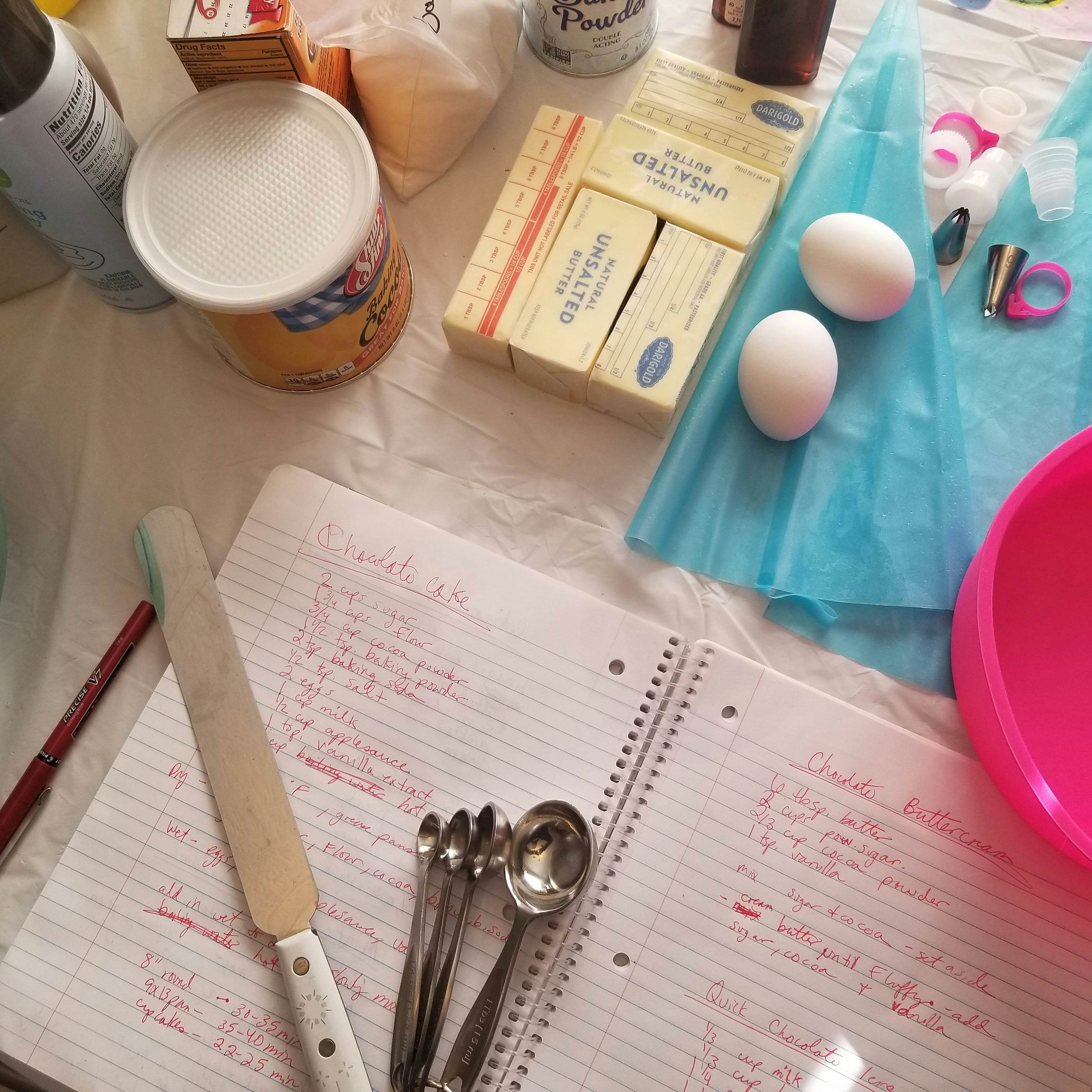
Measuring cups and spoons are another indispensable part of any baker’s toolkit. Accurate measurements are the cornerstone of successful baking; thus, a complete set will typically include both dry measuring cups and liquid measuring cups. Investing in a digital kitchen scale can also enhance precision, particularly when weighing ingredients for recipes needing exact quantities.
Baking sheets, or cookie sheets, are vital for creating an array of pastries, cookies, and even savory items. They come in various sizes and materials, including non-stick options which can facilitate easier cleaning and removal of baked goods. For specific baking needs, investing in a variety of sheet types will enhance versatility in baking.
Finally, a good quality whisk, silicone spatula, and rolling pin should not be overlooked. A whisk is essential for aerating mixtures, a spatula aids in folding and scraping down bowls, and a rolling pin helps in preparing dough for pie crusts or cookies. Collectively, these fundamental tools establish a solid foundation for any aspiring baker.
Baking Appliances Overview
When embarking on a baking journey, understanding the essential baking appliances is crucial for ensuring efficiency and success. The most vital components for any budding baker are ovens, mixers, and proofers, each playing a significant role in the baking process.
The oven is often considered the heart of any bakery. A variety of ovens are available, including conventional, convection, and deck ovens. Conventional ovens use radiant heat from elements, ideal for home bakers; however, convection ovens circulate hot air, resulting in even baking and shorter cooking times, which can be beneficial for more advanced baking endeavors. Deck ovens, on the other hand, provide the perfect environment for artisan breads and pizzas due to their stone hearths. As a beginner, investing in a reliable and user-friendly oven will serve you well.
Equally important is the mixer. Stand mixers and hand mixers hold distinct advantages for beginners. A stand mixer, equipped with various attachments, can make tasks like kneading dough or whipping cream effortless. While typically more expensive, their power and versatility justify the investment. Hand mixers, while less powerful and lacking multiple functions, are more affordable and portable, making them suitable for light baking tasks. Beginners should consider their baking aspirations when deciding between the two.
Lastly, proofers are integral for yeast-based products. A proofer provides a controlled environment for dough fermentation, ensuring consistent results. Beginners may opt for simple methods like using the oven with the light on or placing dough in a warm area instead of investing in a dedicated proofer initially. As one progresses in their baking skills, advanced equipment may become a worthy consideration.
In selecting these appliances, efficiency and user-friendliness are paramount. As a beginner baker, choosing the right equipment tailored to your needs will greatly enhance your baking experience and contribute to your overall success.
Specialty Equipment for Advanced Baking
For those who are passionate about furthering their baking skills, investing in specialty equipment can significantly enhance the baking process. Tools like bread machines and pastry brushes not only simplify the baking process but also yield professional-quality results that are hard to achieve with basic equipment alone.
One of the most valued pieces of specialty equipment is the bread machine. This compact device takes the hassle out of bread-making, allowing bakers to create various types of bread with consistent results. With programmable settings, users can select options for different bread types, crust preferences, and even settings for gluten-free options. This versatility makes it an excellent investment for beginners looking to explore the world of homemade bread without the complexity of traditional methods.
Another key tool that can elevate baking is the pastry brush. Unlike standard brushes, pastry brushes are designed to apply an even coat of egg wash, melted butter, or glaze on pastries and bread. A high-quality pastry brush can ensure that baked goods have a beautiful finish, lending a professional touch to every creation. When selecting a pastry brush, consider options with natural bristles for durability and for achieving precise applications. Silicone brushes are also an excellent choice due to their ease of cleaning and resistance to heat.
In addition to these tools, other specialty equipment such as dough proofers and mixers can also greatly enhance the efficiency and quality of baking. Dough proofers provide a controlled environment for yeast to rise, while high-powered mixers can handle dense doughs and a variety of textures. For any serious beginner looking to delve deeper into the art of baking, incorporating these specialized tools into the kitchen arsenal is a step towards mastering advanced baking techniques.
Safety and Maintenance Considerations
Baking can be an enjoyable experience; however, it is essential to prioritize safety and maintenance when working with various equipment. Proper awareness of the inherent risks, including burns from hot surfaces, cuts from sharp tools, and slips from spilled ingredients, is vital for any beginner baker. It is advisable to wear proper attire, such as non-slip shoes and aprons, while avoiding long sleeves that might catch on equipment. Furthermore, ensuring that the workspace is kept clean and organized minimizes hazards significantly.
Another important aspect of safety in baking is recognizing how to use each piece of equipment correctly. Before utilizing ovens, mixers, or any other tools, it is beneficial to read the user manuals thoroughly. Familiarity with operating procedures helps prevent accidents and extend the equipment’s lifespan. Additionally, investing in safety tools, such as oven mitts and food-safe cutting gloves, enhances individual protection while working with heated surfaces or sharp utensils.
Maintenance practices also play a crucial role in ensuring the long-term functionality and safety of bakery equipment. Regular cleaning should be a routine part of any baking process. For example, it is essential to clean hand mixing tools, baking sheets, and mixers after each use to prevent the buildup of food residue that could harbor bacteria. When it comes to larger appliances like ovens and refrigerators, consider conducting deep cleaning sessions periodically. This not only ensures food safety but also helps the equipment function at optimal levels.
Storing tools and appliances properly can contribute to both safety and maintenance. Designated storage areas should be dry, clean, and easy to access to prevent accidents. It is advisable to ensure that utensils are stored out of reach of children. By establishing these safety and maintenance protocols, beginner bakers can create a safe and efficient baking environment, ensuring their equipment remains reliable for years to come.
Budgeting for Bakery Equipment
Starting a bakery requires careful financial planning, especially when it comes to investing in essential equipment. The initial outlay can quickly add up, making it crucial to set a realistic budget that meets your needs without straining your finances. The first step in budgeting for bakery equipment is to compile a comprehensive list of necessary tools, distinguishing between absolute necessities and those that can be added later. Essential items typically include an oven, mixer, baking sheets, pans, and storage containers.
Once you have prioritized your list, research the various brands and types of equipment available in the market. Prices can vary significantly based on features, materials, and brand reputation. It’s essential to look for equipment that strikes a balance between quality and affordability. Reputable brands often offer warranties and customer support, which can be crucial for long-term usage. Consider investing in second-hand equipment as well, which can provide substantial savings without compromising quality.
In addition to purchasing equipment, remember to account for other recurring costs, such as maintenance and replacements. Allocate a portion of your budget that will be reserved for unexpected expenses, ensuring you are prepared for any financial surprises as your bakery grows. An effective way to save money is to join baking forums or local business groups where equipment may be offered at discounted prices or through shared resources. Networking with other bakers can also provide insights into the durability and performance of various products.
Overall, thorough planning and strategic prioritization will greatly assist in budget management for bakery equipment. Taking the time to assess your needs realistically will enable you to create a bakery that not only meets your vision but remains within your financial means.
Where to Purchase Baking Equipment
When embarking on your baking journey, choosing the right bakery equipment is crucial for achieving optimal results. There are various venues for purchasing baking equipment, each with its distinct advantages. Local stores specializing in culinary supplies are a beneficial starting point. These businesses often provide personalized assistance, allowing beginners to receive expert recommendations tailored to their specific needs. Additionally, these locations typically allow customers to physically examine products, ensuring quality and suitability before making a purchase.
Online retailers have become increasingly popular for acquiring baking equipment due to the convenience and wide selection they offer. Platforms such as Amazon, specialty baking websites, and large department stores provide a range of products, often at competitive prices. However, it is essential to monitor customer reviews and ratings, as these provide insight into product quality and seller reliability. Look for detailed reviews that discuss the product’s performance, durability, and any potential shortcomings.
Moreover, purchasing used equipment can be a cost-effective option for those on a budget. Many local bakeries and restaurant supply stores sell high-quality second-hand equipment that has been well maintained. Furthermore, online marketplaces and classified ads often feature used baking tools and appliances at significantly reduced prices. When considering used items, it is advisable to inspect them thoroughly or request additional information about their condition, as buying used can lead to excellent savings if done wisely.
In summary, whether opting for local retail stores or online platforms, it’s vital to evaluate quality and support options. By carefully assessing these factors, beginners can make informed decisions that contribute to their baking success while also staying within their budget.
Resources for Further Learning
For aspiring bakers looking to elevate their skills, numerous resources are available to cultivate proficiency in both equipment usage and baking techniques. One of the most effective ways to become acquainted with the baking process is through comprehensive literature. There are countless books dedicated to the art of baking, ranging from beginner-friendly cookbooks to advanced baking guides. Titles such as “The Joy of Baking” or “Baking Basics and Beyond” provide step-by-step instructions and essential insights for budding bakers.
In addition to traditional books, online tutorials serve as a valuable resource. Websites like YouTube host countless baking channels, where experienced bakers demonstrate techniques and equipment use in real-time. These visual aids can be particularly beneficial for beginners, as they can see how tools like mixers and ovens are utilized in different baking processes. Platforms such as Skillshare and MasterClass also offer structured courses that cover various baking topics, often led by renowned chefs and baking experts.
Community classes represent another fantastic opportunity for hands-on learning. Many local culinary schools or community centers offer baking workshops tailored to beginners. These classes not only help participants gain practical experience but also foster connections with fellow baking enthusiasts, creating an encouraging environment for skill development. Networking in such classes can also provide aspiring bakers with access to additional resources and tips on navigating the world of baking.
Ultimately, the combination of books, online tutorials, and community classes equips beginners with a diverse toolkit for honing their baking skills. By leveraging these resources, aspiring bakers can enhance their understanding of equipment functionality and refine their baking techniques, progressing towards becoming confident and proficient in their craft.
Conclusion and Next Steps
The journey of becoming a proficient baker begins with understanding the essential tools required for success. A comprehensive bakery equipment checklist provides beginners with a structured approach to selecting the right items that will enable them to explore their baking potential fully. Each piece of equipment has its unique purpose, and having the right tools not only enhances the baking process but also significantly impacts the quality of the finished products.
As you reflect on your personal baking goals, consider how investing in the appropriate bakery equipment aligns with those aspirations. Whether you aim to create artisan bread, delightful pastries, or elaborate cakes, the right tools will support your endeavors. The checklist serves as a reminder to evaluate your existing tools while also identifying any gaps that may hinder your progress. This evaluation is crucial for efficient baking and fosters a deeper understanding of the crafting process.
Moreover, as you embark on this culinary adventure, take some time to familiarize yourself with each equipment’s features and uses. Tutorials and guides are abundant, making it easier to grasp not only how to use the tools but also to appreciate their significance in the baking realm. Participation in baking classes or workshops can further enhance your experience and knowledge, allowing you to connect with fellow enthusiasts who share similar aspirations.
In conclusion, starting your baking journey with a thorough understanding of the equipment needed sets a solid foundation for future growth. Embrace the excitement of experimenting in the kitchen and let your creativity flourish. With the right bakery equipment at your disposal, the path to becoming a skilled baker is well within reach. Remember, each endeavor in baking, supported by proper tools, is a step closer to achieving your delicious goals.