


Introduction to Commercial Kitchen Equipment
Commercial kitchens are the backbone of any food service establishment, ranging from restaurants and hotels to catering services and food trucks. Having the right kitchen equipment is essential in ensuring that operations run smoothly and efficiently. Properly selected equipment not only enhances productivity but also plays a critical role in maintaining food quality and ensuring safety during food preparation.
Investing in high-quality commercial kitchen equipment can significantly improve the workflow within a kitchen. Equipment such as refrigerators, ovens, and food processors is designed specifically for high-volume tasks, which allows chefs and kitchen staff to work more efficiently. When the right tools are at their disposal, food can be prepared and served more quickly, thus reducing wait times for patrons and increasing overall customer satisfaction.
Moreover, the quality of food produced greatly relies on the tools utilized during its preparation. Commercial-grade equipment is designed to maintain precise cooking temperatures, ensuring that food is cooked evenly and retains its flavor and nutritional value. High-quality appliances also contribute to maintaining food safety standards, which are paramount in preventing foodborne illnesses. This is particularly important in environments where large quantities of food are handled daily.
In addition to contributing to efficiency and food quality, the right equipment is vital for ensuring the safety of kitchen staff. Properly designed tools and machines reduce the risks associated with food preparation, such as burns, cuts, and slips. Ensuring that each piece of equipment is compliant with safety regulations is crucial for protecting the well-being of employees.
In summary, the right commercial kitchen equipment is indispensable for optimizing productivity, enhancing food quality, and ensuring a safe working environment. Understanding the necessity of each equipment piece helps restaurateurs and chefs make informed decisions that positively impact their operations.
Understanding Different Types of Kitchen Equipment
In the realm of commercial culinary operations, the selection of kitchen equipment is crucial for efficiency and effectiveness. Kitchen equipment can be categorized into four primary types: cooking appliances, refrigeration units, preparation tools, and serving equipment. Each category serves a specific purpose and plays a vital role in the successful operation of a commercial kitchen.
Cooking appliances encompass a variety of devices designed to apply heat for the preparation of food. This includes ovens, ranges, grills, and deep fryers. Each piece of equipment has its distinct function; for instance, convection ovens utilize fans to circulate hot air, resulting in more even cooking. Grills and griddles offer unique cooking methods for meats and vegetables, while deep fryers provide a means for frying various foods to achieve a crispy texture.
Refrigeration units are essential for maintaining food safety and quality. This category includes walk-in refrigerators, reach-in coolers, and freezers. The primary purpose of these units is to preserve perishable items, ensuring they remain fresh until being used for cooking or serving. Proper refrigeration is essential not only for food safety but also for inventory management in a busy kitchen.
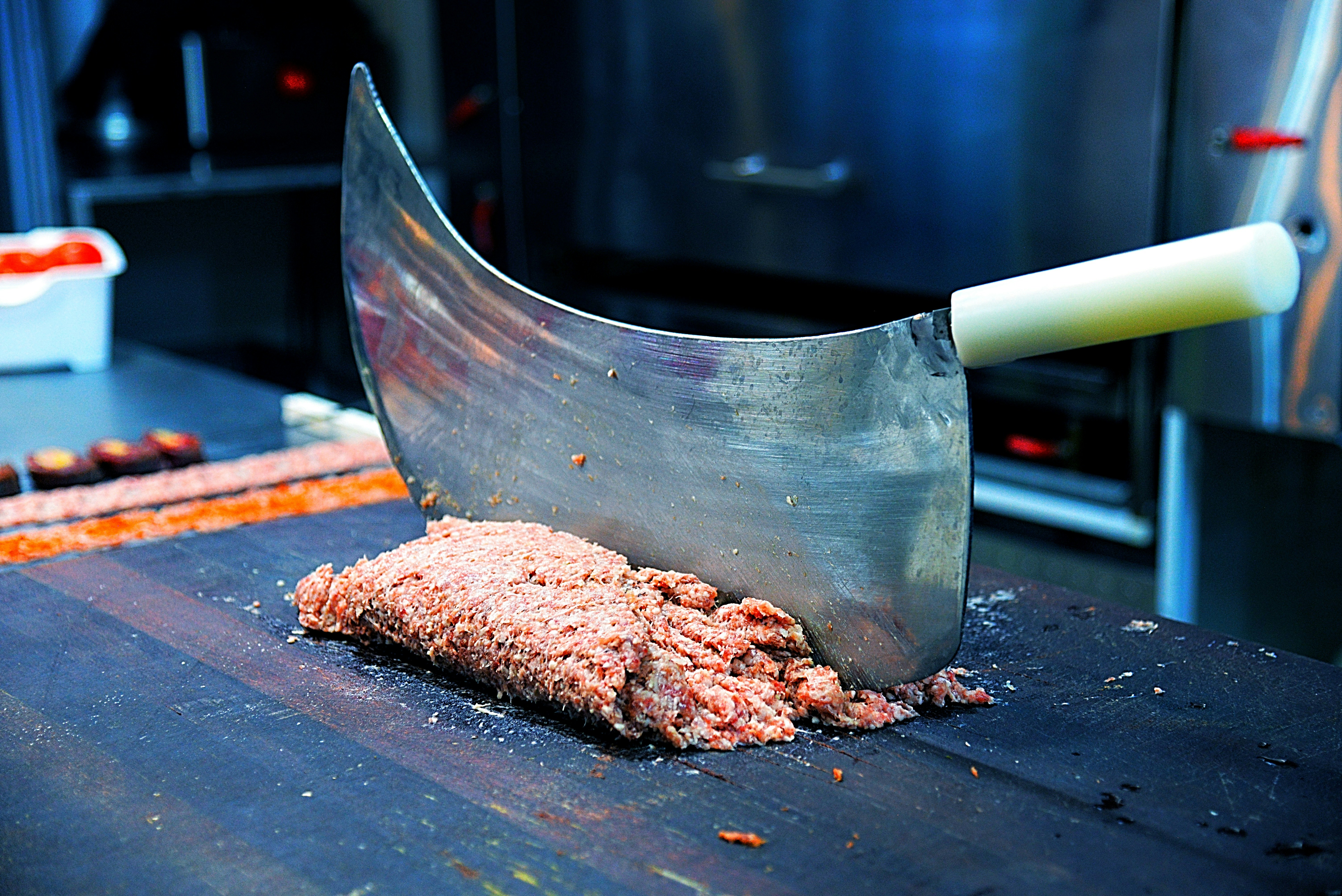
Preparation tools, which encompass a wide range of items such as knives, cutting boards, mixers, and food processors, are necessary for the effective and efficient preparation of ingredients. These tools facilitate various tasks, from chopping vegetables to mixing batter, thereby streamlining the cooking process and enhancing productivity.
Finally, serving equipment, including dishware, utensils, and food warmers, plays a pivotal role in the presentation and delivery of food to customers. The right serving equipment can enhance the dining experience by ensuring that meals are served in an attractive and timely manner.
Essential Cooking Appliances
In the realm of commercial kitchens, selecting the right cooking appliances is paramount. These appliances not only optimize cooking efficiency but also enhance the quality of the dishes served. The essential cooking appliances include ovens, stoves, grills, and fryers, each serving a distinct purpose in the culinary process.
Ovens are a cornerstone of any commercial kitchen. Available in several types such as convection, combi, and pizza ovens, they provide versatility for baking, roasting, or broiling a variety of foods. When choosing an oven, consider its size, capacity, and energy efficiency to meet the kitchen’s specific demands while ensuring consistency in food preparation.
Stoves, or ranges, are equally vital and can vary in configuration and fuel type. A gas range provides immediate heat control and is favored by many chefs for its responsiveness. An electric range, on the other hand, offers even cooking temperatures and can be easier to clean. Selection should depend on the style of cuisine and the cooking methods most utilized.
Grills bring a unique flavor to dishes, making them essential in kitchens that specialize in barbecued meats or vegetables. A commercial grill should have durable construction, adequate space, and efficient heat distribution. Depending on preferences, operators can choose between gas and charcoal grills, each imparting distinct flavor profiles to food.
Fryers are crucial for establishments that offer fried foods. There are various models, ranging from open pot to pressure fryers, and selecting the right one involves consideration of frying capacity, ease of cleaning, and energy requirements. A well-chosen fryer can significantly enhance the kitchen’s capability to serve popular dishes quickly and efficiently.
Refrigeration Needs
In a commercial kitchen, proper refrigeration is vital to ensure food safety and maintain quality. The right refrigeration equipment not only preserves the freshness of ingredients but also plays a significant role in preventing foodborne illnesses. Among the essential pieces of refrigeration equipment are reach-in coolers, walk-in freezers, and display refrigerators, each serving a unique purpose in the culinary environment.
Reach-in coolers are often the backbone of refrigerated storage in a commercial kitchen. These appliances allow for easy access to ingredients, enabling staff to work efficiently. Typically designed with multiple shelves, reach-in coolers can hold a variety of perishable items such as meats, vegetables, and dairy products. Maintaining temperatures between 32°F and 40°F is crucial in these units to ensure the longevity and safety of food products.
Walk-in freezers provide a larger storage solution for bulk items and frozen goods. They are particularly advantageous for establishments that require extensive food storage, such as restaurants and catering companies. Walk-in freezers should be maintained at 0°F or lower to ensure that frozen products remain uncontaminated and safe for consumption. Proper organization within these spaces is essential to facilitate easy access and to reduce the time doors are left open, which can impact internal temperatures.
Display refrigerators serve both a practical and aesthetic role in a commercial kitchen. Not only do they preserve the quality of food items, but they also enhance the customer’s dining experience by showcasing available products. These refrigerators must maintain a temperature range suitable for the specific items displayed, ensuring that perishables remain within food safety standards while being presented attractively.
Overall, the integration of appropriate refrigeration equipment into a commercial kitchen is crucial for daily operations, food quality, and compliance with health standards. Regular maintenance and temperature checks are necessary to ensure that all refrigeration units perform optimally, safeguarding both food integrity and customer health.
Food Preparation Tools and Equipment
In a commercial kitchen, the efficiency and quality of food preparation are largely determined by the tools and equipment utilized. Essential food preparation tools include mixers, slicers, blenders, and cutting boards, each playing a critical role in the overall workflow. These implements not only enhance productivity but also contribute to the consistency and quality of the final dishes served.
Mixers are indispensable for a variety of tasks, ranging from kneading dough to whipping cream. In a high-volume environment, the right commercial mixer can drastically reduce manual effort and time taken in food preparation. Furthermore, having a powerful mixer ensures uniform mixtures, which is crucial for maintaining quality in baked goods and other recipes.
Slicers are another must-have tool in a commercial kitchen. These devices assist in achieving precise and uniform slices, which is essential for dishes like salads, sandwiches, and charcuterie boards. The consistency in thickness that a slicer offers helps in not only achieving an appealing presentation but also ensures even cooking when applicable.
Blenders, on the other hand, are vital for a variety of preparations including sauces, soups, and smoothies. A high-performance commercial blender can efficiently puree ingredients, leading to smoother textures and better flavor integration. For establishments that serve drinks or pureed foods, having a reliable blender directly impacts customer satisfaction.
Lastly, cutting boards, while often overlooked, are fundamental to food safety and organization in a kitchen. Proper designation of cutting boards according to food types helps prevent cross-contamination. Investing in sturdy, easy-to-clean cutting boards can improve the pace of food preparation while ensuring hygiene standards are upheld.
Dishwashing and Cleaning Equipment
In any commercial kitchen, maintaining high standards of hygiene is paramount, which underscores the importance of effective dishwashing and cleaning equipment. Key components include commercial dishwashers and specialized sinks, both designed to handle the rigorous cleaning demands of a bustling culinary environment.
Commercial dishwashers are indispensable for ensuring that dishes, utensils, and cookware are thoroughly sanitized. These machines are engineered to cleanse a high volume of items swiftly and efficiently while adhering to the stringent hygiene standards required in a professional kitchen. They typically feature multiple washing cycles, which are adjustable depending on the nature of the soiled items, ensuring that everything from lightly soiled plates to heavily greased pans receives appropriate attention.
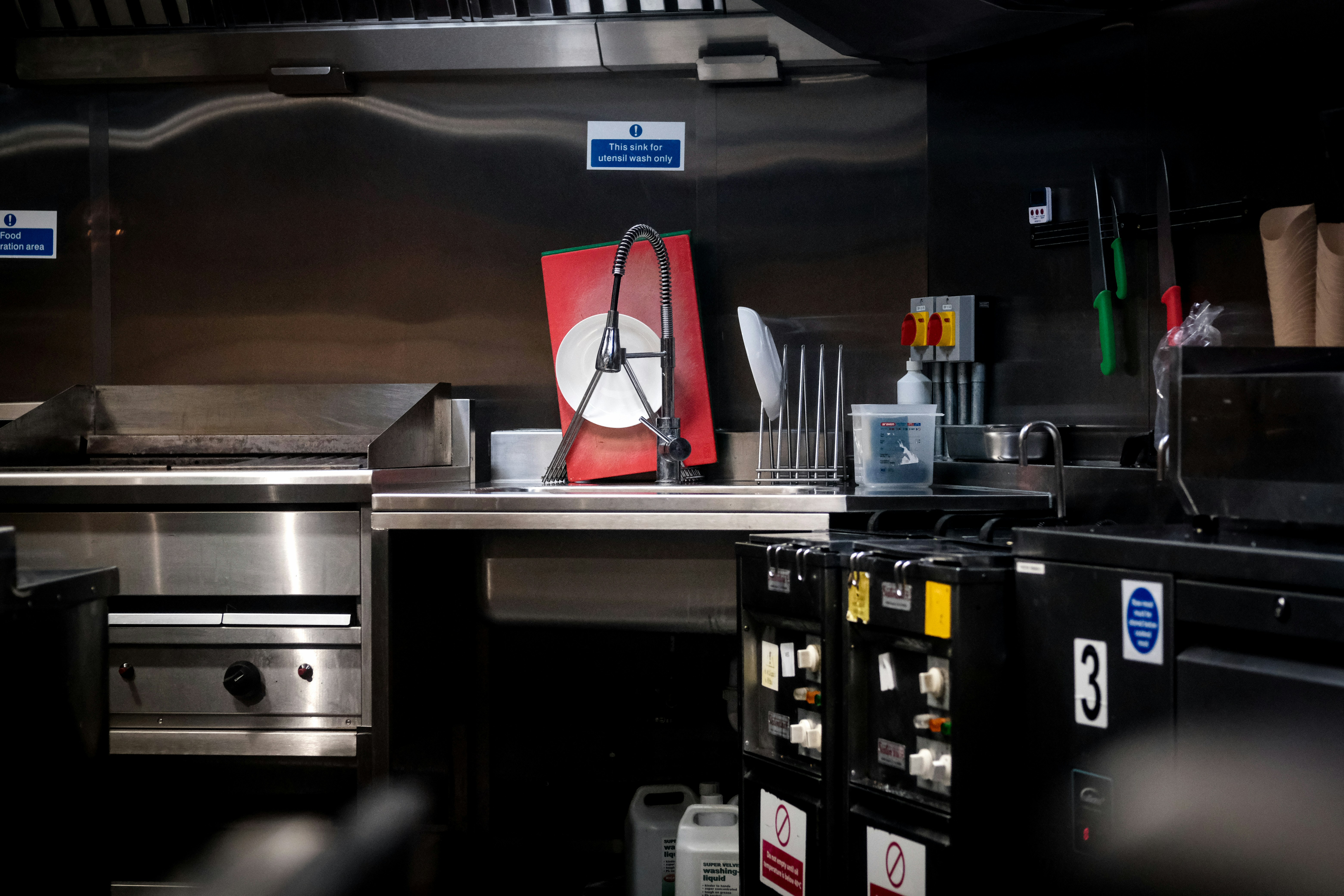
In addition to dishwashers, the utilization of commercial sink systems is essential. These sinks are designed for pre-soaking and washing items before they enter the dishwasher, further enhancing sanitation. A three-compartment sink, for instance, is frequently used in many establishments, allowing for designated areas for washing, rinsing, and sanitizing. This approach not only streamlines the cleaning process but also minimizes the risk of cross-contamination—a crucial factor in food safety.
Moreover, integrating additional cleaning equipment such as sprayers and dish racks ensures an organized and efficient workflow. Regular maintenance and proper usage of these cleaning apparatuses contribute significantly to sustaining the high levels of sanitation that are expected in a commercial setting. By prioritizing the selection of reliable dishwashing and cleaning equipment, kitchen operators can uphold compliance with health regulations while also enhancing operational efficiency.
Storage and Organization Solutions
Efficient storage and organization solutions are vital components of any commercial kitchen. The proper arrangement of equipment and ingredients not only bolsters operational efficiency but also enhances safety and compliance with health regulations. Shelving units, cabinets, and food storage containers play crucial roles in maintaining an orderly environment, ultimately impacting workflow.
Shelving systems are foundational for maximizing vertical space in a commercial kitchen. Heavy-duty metal shelving, for instance, is ideal for storing pots, pans, and larger kitchen equipment. These shelves are typically adjustable, allowing kitchen managers to customize the height to suit specific items. Additionally, wall-mounted shelves help free up floor space, creating a more expansive work area that is essential during peak hours.
Cabinets are another critical component for effective kitchen organization. These should be strategically placed to ensure that frequently used items are readily accessible. The variety of cabinet styles, including under-counter and overhead options, allows for flexibility in design and usage. Secure storage for sharp tools and chemicals is also essential in maintaining a safe kitchen environment.
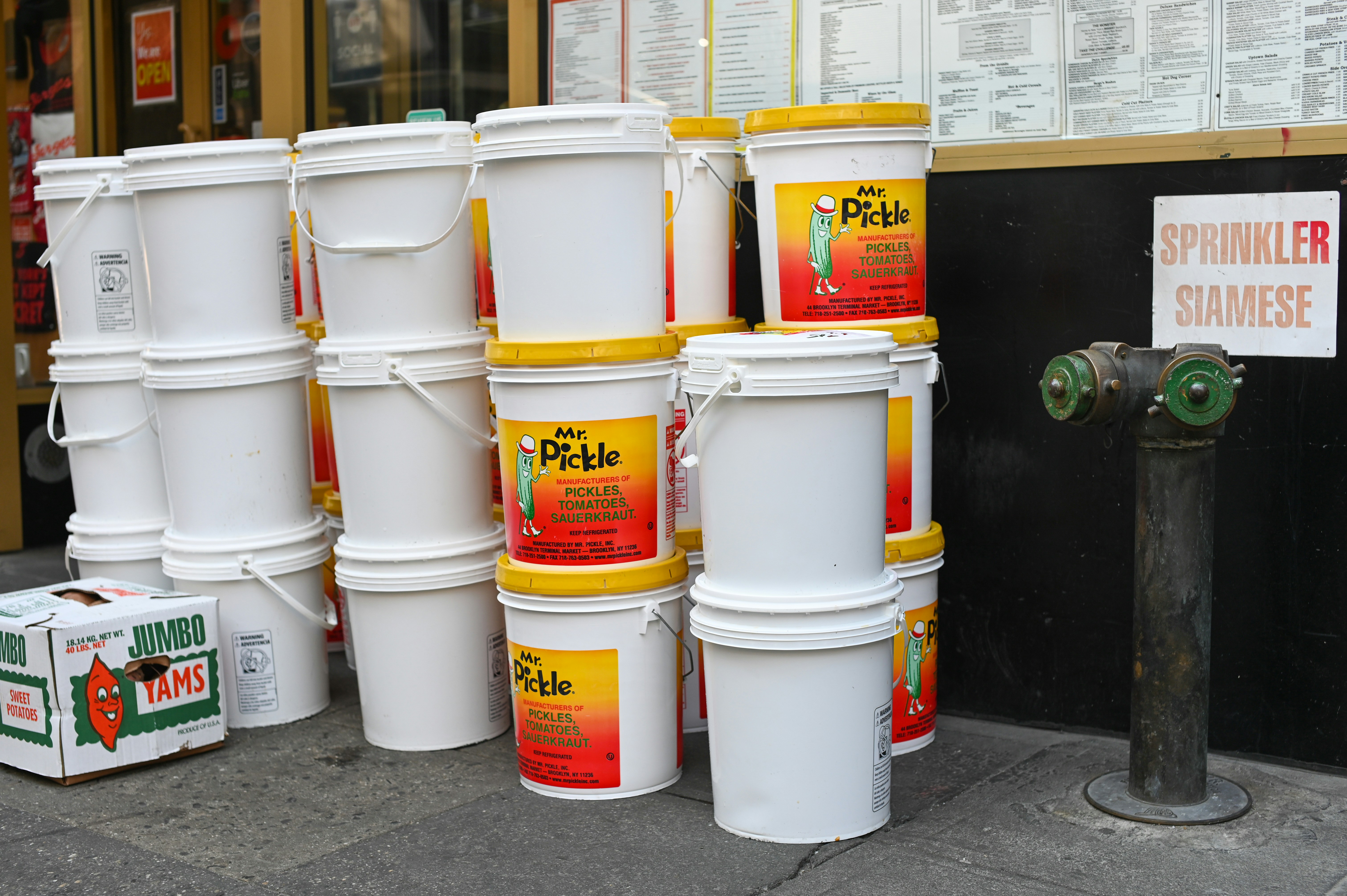
Food storage containers are paramount in preserving the freshness and quality of ingredients. Utilizing clear, labeled containers ensures that staff can swiftly identify contents, reducing preparation time. Moreover, standardized sizing promotes efficient stacking and storage, contributing to a neater kitchen layout. It is also crucial to follow FIFO (First In, First Out) principles when organizing food storage to minimize waste and manage inventory effectively.
In summary, investing in quality storage and organization solutions is essential for any commercial kitchen. Optimal shelving, cabinets, and food storage containers not only enhance workspace efficiency but also contribute to safety, allowing culinary staff to focus on delivering quality meals.
Budgeting for Kitchen Equipment
When establishing a commercial kitchen, budgeting for equipment is a pivotal aspect that can significantly impact the overall success of the venture. A well-structured budget not only guides the initial investments but also sets the stage for future growth and adjustments. The first strategy in budgeting for a commercial kitchen is to identify a clear list of essential kitchen equipment. Prioritize items based on necessity; for example, cooking appliances, refrigeration units, and prep tables generally top the list. This strategic approach will help streamline purchasing decisions.
Another consideration is whether to purchase or lease equipment. While buying outright can seem appealing due to the immediate ownership and control over the assets, leasing offers flexibility, particularly for startups. Leasing can alleviate cash flow constraints, enabling kitchens to allocate funds towards other important areas, such as staffing or marketing. It’s crucial to evaluate terms carefully in both scenarios, considering long-term expenses as well as the total cost of ownership versus leasing payments.
Quality versus cost often presents a challenging dilemma. Higher quality commercial kitchen equipment typically translates to greater durability and efficiency, but it may come at a cost. Striking a balance is vital; investing in reliable, high-performance equipment can reduce maintenance and replacement costs over time. Researching various brands and product reviews can aid in making informed decisions. Additionally, exploring financing options and bulk purchase discounts could further enhance the budget, allowing for essential upgrades without overwhelming financial strain.
Ultimately, a comprehensive budget should account for all aspects of kitchen equipment acquisition, ensuring that quality, functionality, and financial viability are harmonized in alignment with the operational goals of the commercial kitchen.
Maintaining Your Kitchen Equipment
Regular maintenance of commercial kitchen equipment is paramount for ensuring longevity, reliability, and optimal performance. Commercial kitchens rely heavily on various equipment, from ovens to refrigerators, and neglecting maintenance can lead to costly repairs or untimely breakdowns. Implementing a structured maintenance schedule not only enhances the durability of the equipment but also promotes food safety and efficiency in daily operations.
One of the most effective practices is to establish a consistent cleaning routine. Equipment should be cleaned after each use, focusing on areas that often collect grease and food particles. For large appliances, a deeper clean should be scheduled weekly or monthly, ensuring all components are free from contaminants. Utilizing appropriate cleaning agents that are safe for food-contact surfaces is essential in maintaining hygiene standards.
Furthermore, regular inspections play a critical role in equipment maintenance. It is advisable to train staff to report any unusual sounds or malfunctions immediately. Equipment that is not operating at peak performance can affect meal preparation and overall workflow. Conducting monthly checks on appliances can help identify potential issues before they escalate into significant problems.
Another key aspect is keeping all machinery calibrated. For instance, ovens should be checked for correct temperatures, and refrigerators must maintain proper cooling levels. This not only ensures food safety but also contributes to the energy efficiency of the equipment, reducing operational costs.
In conclusion, maintaining commercial kitchen equipment is a vital responsibility that warrants attention and diligence. By adhering to regular cleaning, inspections, and calibrations, kitchens can ensure their equipment remains reliable and efficient, ultimately supporting better service standards and customer satisfaction.